

How to Trim Newborn Nails Safely: Step-by-Step Guide for First-Time Parents
Trimming your newborn’s nails can feel intimidating. Their fingers are tiny, their movements unpredictable, and the fear of accidentally cutting delicate skin is real. But here’s the truth: with the right timing, tools, and technique, newborn nail care becomes a simple, safe, and even calming part of your baby’s routine.
This guide walks you through exactly how to trim newborn nails safely—while also helping you build a complete hygiene routine that supports your baby’s comfort, skin health, and sleep. You’ll learn when to trim, which tools to use, and how to handle real-life situations like a fussy baby or accidental nicks.
Why Newborn Nail Care Matters More Than You Think

Newborn nail care isn’t just about appearance—it’s essential for safety and hygiene. Babies are born with soft but surprisingly sharp nails, and without regular trimming, they can easily scratch their face or body.
Why Newborn Nails Grow So Fast
Newborn fingernails grow faster than adult nails, often requiring trimming multiple times per week. This rapid growth is part of healthy development but means parents need to stay consistent with care.
Risks of Not Trimming: Scratches, Skin Damage, and Hygiene Issues
If left untrimmed, nails can:
- Cause accidental facial scratches
- Harbor dirt and bacteria
- Lead to skin irritation or infection
Keeping nails short and smooth is one of the simplest ways to protect your baby daily. Many parents combine nail care with routines found in the Baby Care Essentials collection to maintain overall hygiene.
When Is the Best Time to Trim a Newborn’s Nails?

Timing is everything. Choosing the right moment can make nail trimming easier, safer, and less stressful for both you and your baby.
After Bath Time: Soft Nails, Calm Baby
Right after a bath is one of the best times to trim nails. Warm water softens the nails, making them easier to cut or file. If you're building a routine, pairing nail care with items from the Baby Bath Accessories collection helps create consistency.
During Sleep vs Awake: What Works Best?
Many parents find success trimming nails while their baby is asleep. This reduces movement and minimizes risk. Others prefer when the baby is calm but awake—especially after feeding.
Best Time of Day Based on Baby Behavior
Observe your baby’s natural rhythm. Some babies are calmest in the morning, while others relax more in the evening. Choose a time when your baby is least fussy.
Tools You Can Use: Clippers vs Scissors vs Electric Nail Trimmers

Choosing the right tool can make all the difference—especially for first-time parents.
Baby Nail Clippers: Pros and Cons
- Pros: Widely available, quick to use
- Cons: Higher risk of cutting skin, requires precision
Baby Nail Scissors: Precision vs Risk
- Pros: More control for experienced users
- Cons: Can still be risky for beginners
Electric Baby Nail Trimmer: Why It’s the Safest Option for Beginners
Electric nail trimmers gently file nails instead of cutting them. This significantly reduces the risk of injury and is ideal for nervous or first-time parents.
Electric Baby Nail Trimmer – Safe, Gentle & Easy Grooming

This type of tool is especially helpful if your baby moves frequently or if you want a smoother finish without sharp edges.
Quick Comparison Table: Which Tool Should You Choose?
| Tool | Safety | Ease of Use | Best For |
| Clippers | Medium | Moderate | Experienced parents |
| Scissors | Medium | Moderate | Precision trimming |
| Electric Trimmer | High | Easy | Beginners |
For more options, explore the Baby Nail Care Tools collection.
Step-by-Step: How to Trim Newborn Nails Safely

Follow this simple, safe process every time.
Step 1: Prepare Your Tools and Environment
Ensure good lighting and clean tools. Wash your hands before starting.
Step 2: Position Your Baby Comfortably
Hold your baby securely or lay them down. Swaddling can help reduce movement.
Step 3: Hold the Finger Properly
Gently press the fingertip pad away from the nail to avoid cutting the skin.
Step 4: Trim or File Gently
Use short, careful motions. Avoid cutting too close to the skin.
Step 5: Smooth Edges to Prevent Scratches
Always finish by smoothing rough edges with a file or soft buffer.
How Often Should You Trim Newborn Nails?

Most newborns need nail trimming 2–3 times per week.
Fingernails vs Toenails: Different Growth Patterns
Fingernails grow faster and need more frequent trimming. Toenails grow slower and may only need attention every couple of weeks.
Signs It’s Time for a Trim
- Nails extend past fingertips
- Visible scratching
- Rough or jagged edges
What If You Accidentally Cut Your Baby’s Skin?
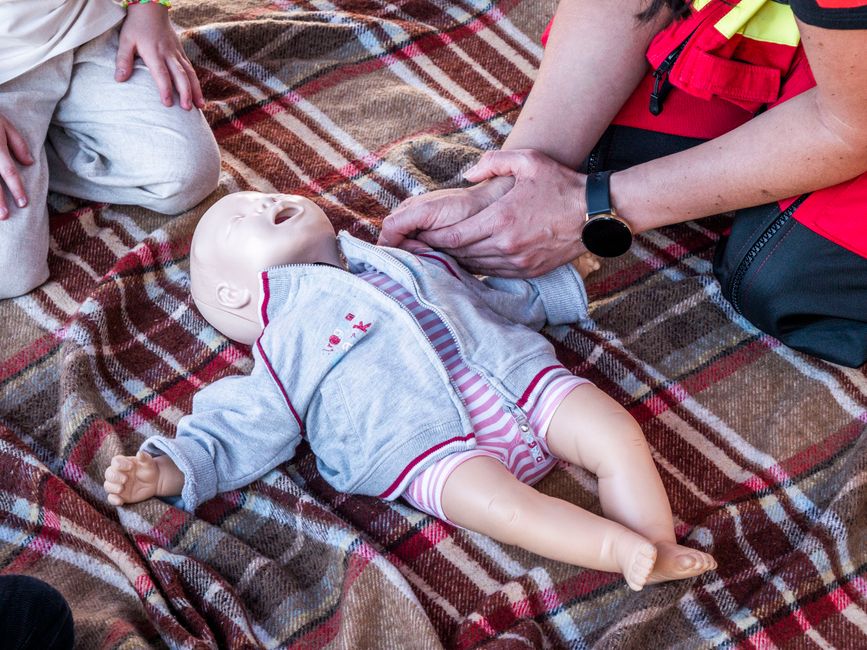
Even experienced parents may accidentally nick the skin. Stay calm—it’s usually minor.
Immediate First Aid Steps
- Apply gentle pressure with clean gauze
- Avoid bandages (choking hazard)
- Keep the area clean
When to Seek Medical Advice
If bleeding doesn’t stop after a few minutes or signs of infection appear, consult a pediatrician.
Common Mistakes First-Time Parents Make (and How to Avoid Them)

Cutting Too Close to the Skin
Always leave a small margin between the nail and skin.
Trimming When Baby Is Fussy
Choose calm moments—never force it.
Using Adult Nail Tools
Adult clippers are too large and increase risk. Use baby-specific tools from the Health & Safety collection.
How to Build a Calm Newborn Nail Care Routine

Linking Nail Care with Bath Time and Sleep
Pair nail trimming with bath time or bedtime routines. This builds predictability and reduces stress.
Creating a Predictable Baby Hygiene Routine
A structured routine helps babies feel secure. Many parents combine nail care with practices found in the Baby Care Tips & Advice section.
Sensory Considerations: Noise, Vibration, and Comfort
Some babies are sensitive to sound or touch. Choose tools with low noise and gentle vibration.
Essential Newborn Grooming Kit: What You Actually Need

Must-Have Tools for Safe Nail Care
- Baby nail trimmer or clipper
- Soft nail file
- Clean cloth
Optional Tools That Make It Easier
- Electric nail trimmer
- Soft brush
- Baby mittens
Explore a full range of hygiene tools in the Baby Hygiene Gadgets collection to support your routine.
Frequently Asked Questions
How to trim newborn nails safely without cutting skin?
Use proper positioning, trim in good lighting, and consider using an electric trimmer for added safety.
When is the best time to trim a newborn’s nails?
After bath time or while your baby is sleeping are the safest and easiest times.
Should I use clippers, scissors, or an electric nail file?
Electric nail files are generally the safest for beginners, while clippers and scissors require more precision.
How often should you trim newborn fingernails?
Typically 2–3 times per week, depending on growth.
What should I do if I accidentally cut my baby’s finger?
Apply gentle pressure, keep the area clean, and monitor for signs of infection.
Conclusion
Trimming your newborn’s nails may feel nerve-wracking at first, but with the right approach, it becomes a quick and manageable part of your routine. Focus on timing, use safe tools, and create a calm environment.
As your confidence grows, nail care will naturally fit into your baby’s daily rhythm—alongside bathing, feeding, and sleep. Explore more supportive essentials in the Baby Care Essentials collection to build a complete, stress-free routine.
Pillar Article: Newborn Hygiene Products Guide: CARE Framework for Safe Daily Routines





