

Infant Sleep Schedule Month by Month: Complete Newborn to Toddler Guide
Few challenges feel as overwhelming for new parents as figuring out infant sleep. One week your baby naps peacefully for hours, and the next they wake every 45 minutes overnight. The truth is that infant sleep changes rapidly during the first two years of life. Growth spurts, feeding needs, developmental milestones, and sleep regressions all influence how babies rest.
This comprehensive month-by-month infant sleep guide explains realistic sleep expectations from newborn through toddlerhood. You’ll learn normal wake windows, nap transitions, bedtime routines, common sleep challenges, and how to create a safer, more calming sleep environment. Whether you’re searching for ways to help a newborn sleep through the night, stop frequent night waking, or understand nap regression signs, this guide offers practical, pediatric-aligned support.
Parents looking to simplify daily routines often explore tools and routines from the Sleep & Comfort collection alongside educational resources in the Baby Care Tips & Advice library.
Infant Sleep Schedule Basics Every Parent Should Know

Before following any sleep schedule, it helps to understand how infant sleep develops biologically. Babies are not born with mature circadian rhythms, predictable sleep cycles, or consistent melatonin production. Sleep organization gradually improves over time.
How Infant Sleep Changes Month by Month
Newborns typically sleep in short stretches around the clock because their tiny stomachs require frequent feedings. Around 2 to 3 months, many babies begin sleeping for longer nighttime stretches. By 4 months, neurological sleep maturation changes sleep architecture dramatically, often triggering the well-known 4-month sleep regression.
Between 5 and 9 months, naps usually consolidate and bedtime becomes more predictable. During late infancy and toddlerhood, mobility, teething, language development, and separation anxiety can temporarily disrupt otherwise stable sleep patterns.
It’s important to remember that every child develops differently. Sleep schedules should be flexible frameworks rather than strict rules.
Understanding Baby Wake Windows by Age
Wake windows refer to how long a baby can comfortably stay awake between sleep periods. Keeping babies awake too long often leads to overtiredness, fussiness, cortisol release, and more difficult sleep.
| Age | Typical Wake Window |
| 0-1 Month | 30-60 minutes |
| 2 Months | 60-90 minutes |
| 3 Months | 75-120 minutes |
| 4-6 Months | 2-3 hours |
| 7-9 Months | 2.5-3.5 hours |
| 10-12 Months | 3-4 hours |
| 12-24 Months | 4-6 hours |
Sleep cues often include rubbing eyes, staring into space, fussiness, yawning, turning away from stimulation, or losing interest in play.
When Babies Develop a Circadian Rhythm
Most babies begin developing a stronger day-night rhythm around 8 to 12 weeks of age. Exposure to natural daylight during wake periods and darker sleep environments at night can support healthy circadian development.
Parents often improve nighttime sleep consistency by maintaining calming evening routines, reducing bright light exposure before bedtime, and keeping overnight interactions quiet and low stimulation.
Safe Sleep Environment Guidelines for Infants
The American Academy of Pediatrics recommends placing babies on their backs for every sleep on a firm, flat sleep surface. Cribs and bassinets should remain free of loose blankets, pillows, bumpers, and stuffed toys.
A comfortable room temperature generally falls between 68°F and 72°F. Blackout curtains, soft lighting, and consistent white noise may also support sleep quality when used safely.
Families creating safer nursery setups frequently browse the Health & Safety collection and Monitoring Devices for practical sleep-environment tools.
Newborn Sleep Schedule (0-1 Month)

The newborn stage is primarily about survival, feeding, and recovery. Schedules during this period are highly unpredictable.
How Much Sleep Does a Newborn Need?
Most newborns sleep between 14 and 17 hours daily, though some may sleep slightly more or less. Sleep usually occurs in short stretches lasting 2 to 4 hours.
Frequent waking is biologically normal because newborns require regular feeding for growth and hydration.
Sample Newborn Sleep Schedule
| Time | Activity |
| 7:00 AM | Feed and wake period |
| 8:00 AM | Nap |
| 10:00 AM | Feed and wake period |
| 11:00 AM | Nap |
| 1:00 PM | Feed and wake period |
| 2:00 PM | Nap |
| 4:00 PM | Feed and wake period |
| 5:00 PM | Nap |
| 7:00 PM | Evening feed and bedtime routine |
| Throughout Night | Feeds and sleep cycles |
Best Soothing Techniques for Newborn Sleep
Newborns often respond well to rhythmic, womb-like sensations such as swaddling, rocking, feeding, gentle bouncing, and white noise.
Some parents incorporate calming sensory tools like the Baby Crib Mobile with Music & Lights – Soothing Sleep Aid during bedtime routines to create a peaceful nursery atmosphere.

Gentle lighting, soothing melodies, and predictable bedtime rituals can help babies gradually associate nighttime with sleep.
Common Newborn Sleep Challenges
Common newborn sleep struggles include:
- Day-night confusion
- Frequent feeding wakes
- Short naps
- Contact sleep preference
- Startle reflex waking
- Evening fussiness
Parents should focus on responsive care rather than strict schedules during the first month.
2-Month Infant Sleep Schedule

At 2 months, babies often become slightly more alert and interactive. Some infants begin developing more predictable nap timing and longer nighttime stretches.
Typical Wake Windows at 2 Months
Most 2-month-olds tolerate wake windows between 60 and 90 minutes. Watching sleep cues closely remains important because overtiredness can quickly disrupt naps.
Example 2-Month Sleep and Feeding Routine
| Time | Routine |
| 7:00 AM | Wake and feed |
| 8:15 AM | Nap |
| 10:00 AM | Feed and play |
| 11:30 AM | Nap |
| 1:00 PM | Feed and tummy time |
| 2:30 PM | Nap |
| 5:00 PM | Short catnap |
| 7:30 PM | Bedtime routine |
Signs Your Baby Is Overtired
An overtired baby may:
- Cry intensely before sleep
- Arch their back
- Fight naps
- Wake shortly after falling asleep
- Become hyperactive or unusually fussy
Tracking wake windows can reduce many common sleep disruptions.
3-Month Infant Sleep Schedule

By 3 months, many babies begin settling into more recognizable sleep patterns. Bedtime routines become increasingly helpful at this age.
How Sleep Patterns Change at 3 Months
Longer nighttime stretches often emerge around this stage, though overnight feeds are still common. Naps may become more structured, and babies usually become more responsive to consistent sleep cues.
Sample 3-Month Sleep Schedule
| Time | Routine |
| 7:00 AM | Wake and feed |
| 8:30 AM | Morning nap |
| 11:00 AM | Feed and play |
| 12:30 PM | Midday nap |
| 3:00 PM | Feed and activity |
| 4:30 PM | Afternoon nap |
| 7:00 PM | Bedtime routine |
Creating a Calming Bedtime Routine
Consistent bedtime routines help babies recognize that sleep is approaching. A simple routine may include:
- Warm bath
- Fresh diaper and pajamas
- Dim lights
- Quiet feeding
- Soft singing or reading
- White noise
Many parents combine bedtime routines with calming nursery tools from the Smart Baby Gadgets and Sensory Toys collections.
Creating consistency matters more than achieving a “perfect” routine. Even short, predictable habits can improve sleep associations over time.
4-Month Sleep Regression Explained

The 4-month sleep regression is one of the most searched infant sleep topics because it often appears suddenly and disrupts previously stable sleep patterns.
What Causes the 4-Month Sleep Regression?
Around 4 months, infant sleep cycles mature neurologically. Babies begin transitioning through lighter and deeper sleep stages more similarly to adults.
As a result, babies wake more fully between sleep cycles and may struggle to return to sleep independently.
Signs of Sleep Regression in Babies
- Frequent night waking
- Short naps
- Fighting bedtime
- Increased fussiness
- Early morning waking
- Reduced sleep duration
How Long Does the 4-Month Sleep Regression Last?
Most regressions improve within 2 to 6 weeks, though timelines vary. Consistency, realistic expectations, and age-appropriate schedules can help families navigate this phase.
How to Help Your Baby Sleep During Regression
Helpful strategies include:
- Maintaining consistent bedtime routines
- Avoiding excessive overtiredness
- Using calming sleep cues
- Keeping overnight interactions quiet
- Supporting independent sleep gradually
Some parents find rhythmic comfort tools useful during especially restless periods, such as the Baby Sleep Soother with Gentle Patting for Better Night Sleep.

Parents looking for additional calming routines often explore sleep-focused support resources within the Health & Safety Tips and Massage & Relaxation collections.
5-6 Month Infant Sleep Schedule

Many babies become more predictable sleepers between 5 and 6 months. Naps may consolidate, and longer nighttime sleep stretches become increasingly common.
How Many Naps Should a 5-6 Month Old Take?
Most babies at this age take 3 naps daily, though some begin transitioning toward 2 naps closer to 6 or 7 months.
Sample 5-Month Sleep Schedule
| Time | Routine |
| 7:00 AM | Wake and feed |
| 9:00 AM | Morning nap |
| 12:00 PM | Midday nap |
| 3:30 PM | Short afternoon nap |
| 7:00 PM | Bedtime |
Sample 6-Month Sleep Schedule
| Time | Routine |
| 7:00 AM | Wake and feed |
| 9:30 AM | Morning nap |
| 1:30 PM | Afternoon nap |
| 7:00 PM | Bedtime |
When Babies Start Sleeping Through the Night
The phrase “sleeping through the night” usually refers to sleeping 6 to 8 hours continuously. Some babies achieve this around 6 months, while others continue waking overnight well into toddlerhood.
Factors influencing sleep include temperament, feeding needs, medical issues, teething, and developmental milestones.
7-9 Month Infant Sleep Schedule

This stage often brings exciting developmental progress alongside new sleep disruptions.
Typical 2-Nap Schedule for Older Infants
| Time | Routine |
| 7:00 AM | Wake |
| 9:30 AM | Morning nap |
| 2:00 PM | Afternoon nap |
| 7:00 PM | Bedtime |
Sleep Challenges During Developmental Milestones
Crawling, pulling to stand, and teething commonly disrupt sleep during this phase. Babies may practice new skills in the crib or wake more frequently due to discomfort and excitement.
Maintaining predictable schedules and calming bedtime routines usually helps sleep recover faster.
How to Handle Separation Anxiety at Bedtime
Separation anxiety often intensifies between 8 and 10 months. Babies may protest bedtime more strongly or wake searching for caregivers.
Helpful approaches include:
- Consistent bedtime routines
- Extra connection during the day
- Comforting but predictable responses overnight
- Transitional objects when age appropriate
- Calm reassurance without overstimulation
10-12 Month Sleep Schedule
Older infants often settle into stable two-nap schedules and longer nighttime sleep stretches.
Recommended Sleep Needs for 10-12 Month Olds
Most babies this age sleep approximately 12 to 15 total hours daily, including overnight sleep and naps.
Sample 10-12 Month Daily Routine
| Time | Routine |
| 7:00 AM | Wake and breakfast |
| 9:30 AM | Morning nap |
| 1:30 PM | Afternoon nap |
| 6:30 PM | Bath and bedtime routine |
| 7:00 PM | Bedtime |
Signs Your Baby Is Ready for Nap Changes
- Taking longer to fall asleep
- Refusing one nap consistently
- Bedtime resistance
- Early waking despite adequate daytime sleep
Gradual schedule adjustments usually work better than sudden changes.
Many families preparing for toddler transitions explore developmental resources in the Baby Growth & Learning Tips section.
Toddler Sleep Schedule Transition (12-24 Months)

Toddlers still require significant sleep, even though nap transitions and bedtime resistance become more common.
Transitioning From Two Naps to One
Most toddlers transition to one nap between 12 and 18 months.
Signs readiness may include:
- Nap refusal
- Late bedtime struggles
- Long wakeful periods in the crib
- Consistently skipping one nap
Sample Toddler Sleep Schedule
| Time | Routine |
| 7:00 AM | Wake |
| 12:30 PM | Nap |
| 7:30 PM | Bedtime |
How to Prevent Toddler Bedtime Battles
Toddlers thrive on routine and predictability. Helpful strategies include:
- Consistent bedtime timing
- Limited stimulating screen exposure
- Simple bedtime choices
- Calm transitions before sleep
- Predictable sleep boundaries
Parents managing active toddlers often combine bedtime routines with sensory-calming products from the Baby Growth & Learning collection.
Printable Baby Wake Window and Nap Schedule Charts

Quick-reference charts help caregivers adjust routines as babies grow.
Wake Window Chart by Age
| Age | Wake Window | Naps Per Day |
| 0-1 Month | 30-60 min | 5-8 |
| 2-3 Months | 60-120 min | 4-5 |
| 4-6 Months | 2-3 hrs | 3-4 |
| 7-9 Months | 2.5-3.5 hrs | 2 |
| 10-12 Months | 3-4 hrs | 2 |
| 12-24 Months | 4-6 hrs | 1 |
Nap Count and Total Sleep Needs by Month
| Age | Total Daily Sleep |
| Newborn | 14-17 hours |
| 3 Months | 14-16 hours |
| 6 Months | 13-15 hours |
| 9 Months | 12-15 hours |
| 12 Months | 12-14 hours |
| 24 Months | 11-14 hours |
Bedtime Recommendations by Age
Many babies sleep best with bedtimes between 6:30 PM and 8:00 PM, though exact timing depends on naps, temperament, and family schedules.
Parents organizing sleep routines often save nursery organization ideas from the Baby Care Essentials collection for easier bedtime preparation.
How to Create the Best Sleep Environment for Babies
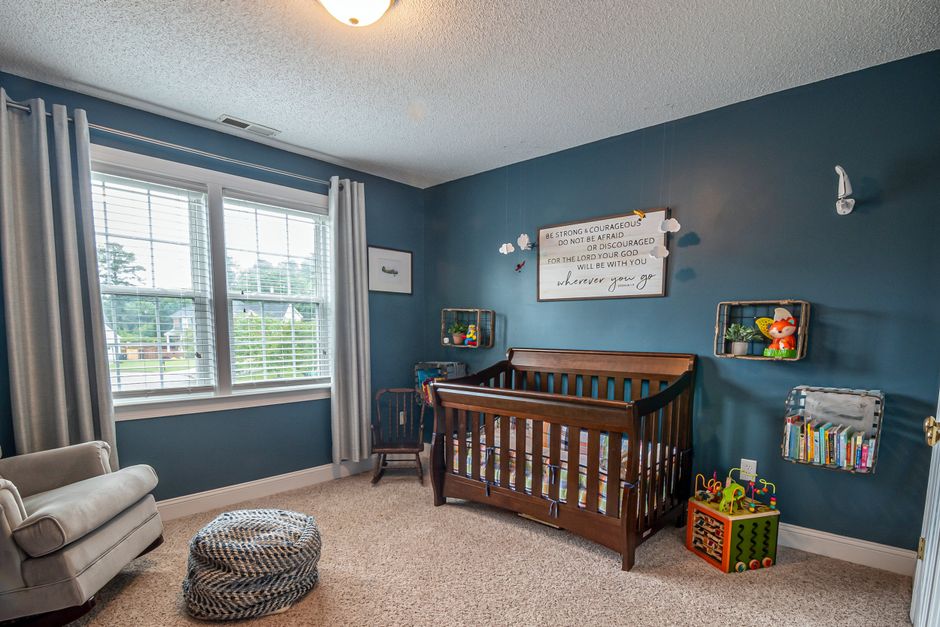
A calm, consistent sleep environment can improve sleep quality for both babies and caregivers.
Ideal Nursery Temperature and Lighting
Cool, dark environments generally support deeper sleep. Blackout curtains may help reduce early morning waking and short naps.
Soft amber or dim red night lighting is often less stimulating than bright white or blue-toned lighting.
Do White Noise Machines Help Babies Sleep?
Many babies sleep better with steady background noise because it mimics womb sounds and masks household disruptions.
White noise should always remain at safe volume levels and be positioned away from the crib.
Parents researching calming nighttime environments frequently explore solutions within the Sleep & Comfort and Temperature Tools collections.
Safe Swaddling and Sleep Sack Guidelines
Swaddling may help younger newborns sleep more soundly by reducing startle reflex waking. However, swaddling should stop once babies show signs of rolling.
Sleep sacks provide a safer alternative to loose blankets for many infants.
Crib Safety Recommendations Every Parent Should Follow
- Use a firm mattress with fitted sheet only
- Place baby on their back
- Keep crib free of loose items
- Avoid inclined sleep surfaces
- Follow current pediatric safe sleep guidance
Parents building safer nursery environments often review additional safety resources through the Health & Safety Tips library.
Common Baby Sleep Problems and Solutions

Sleep disruptions are common throughout infancy and toddlerhood. Most challenges improve with time, consistency, and age-appropriate expectations.
Why Babies Wake Frequently at Night
Frequent waking may occur because of:
- Hunger
- Sleep regressions
- Teething
- Illness
- Overtiredness
- Developmental milestones
- Separation anxiety
Night waking is biologically normal for many infants.
Short Naps and Contact Nap Dependence
Many babies struggle with short naps because infant sleep cycles are naturally brief. Contact naps are also developmentally common during the first months of life.
Gradually introducing consistent sleep spaces and routines may improve nap predictability over time.
Early Morning Wakeups
Common causes include:
- Too-early bedtime
- Overtiredness
- Excessive daytime sleep
- Light exposure
- Hunger
Darkening the nursery and adjusting schedules gradually may help reduce very early waking.
When to Talk to a Pediatrician About Infant Sleep
Parents should consult a pediatrician if babies experience:
- Breathing concerns during sleep
- Poor weight gain
- Persistent extreme sleep difficulties
- Sudden major sleep changes
- Excessive daytime lethargy
“There is no single perfect infant sleep schedule. Healthy sleep development depends on responsiveness, safety, consistency, and realistic expectations.”
Frequently Asked Questions
What is the best infant sleep schedule month by month?
The best infant sleep schedule is age appropriate, flexible, and responsive to developmental needs. Wake windows and nap needs change significantly throughout the first year.
How many naps should a newborn take by age?
Newborns may take 5 to 8 naps daily, while older infants usually transition toward 2 naps by around 7 to 9 months.
When do babies start sleeping through the night?
Some babies sleep for longer stretches around 4 to 6 months, though overnight waking remains normal well beyond infancy for many children.
What are the signs of newborn sleep regression?
Signs include frequent waking, short naps, increased fussiness, bedtime resistance, and sudden sleep disruptions.
How do you create a healthy baby bedtime routine?
Healthy bedtime routines often include calming, predictable activities such as bathing, dim lighting, feeding, reading, and white noise.
What are normal wake windows for babies?
Wake windows range from approximately 30 to 60 minutes for newborns up to 4 to 6 hours for toddlers.
How much daytime sleep does an infant need?
Infants usually need several hours of daytime sleep divided across multiple naps depending on age.
Can white noise help babies sleep better?
White noise may help some babies sleep by masking environmental disruptions and creating calming background sound.
What is the safest sleep environment for a newborn?
The safest sleep environment includes a firm flat sleep surface, back sleeping position, and a crib free from loose bedding and soft objects.
When should babies transition from three naps to two?
Many babies transition between 6 and 9 months when wake windows lengthen and naps consolidate.
Conclusion
Infant sleep evolves constantly throughout the first two years of life. Developmental leaps, feeding changes, regressions, and temperament all influence sleep patterns. Rather than chasing a perfect schedule, most families benefit from focusing on consistency, safe sleep practices, age-appropriate wake windows, and responsive routines.
Small adjustments to bedtime routines, nap timing, and sleep environments can make a meaningful difference over time. Parents seeking additional nursery support, calming bedtime tools, or developmental resources often browse the Mom Essentials and Sleep & Comfort collections for ideas that fit their family’s routine.
Most importantly, remember that infant sleep is rarely linear. Progress often comes gradually, and flexibility is just as
Pillar Article: Infant Sleep Schedules by Age: Routines, Nap Charts & Night Sleep Guide





