
Teething Symptoms Infants Guide for Parents: Safe Relief & Oral Care Tips
Teething is one of the biggest developmental milestones during infancy, but it can also become one of the most confusing stages for new parents. Many babies experience swollen gums, drooling, irritability, disrupted sleep, and feeding changes as their first teeth begin to erupt. Because symptoms can overlap with illness, parents often wonder what is normal and when medical attention may be needed.
This comprehensive guide explains common teething symptoms in infants, safe relief strategies, oral hygiene routines, feeding support, and pediatric-informed safety guidance for babies from 0 to 24 months. You will also learn how to identify symptoms that are not related to teething and how to create a healthy oral care routine early in life.
Parents building a full infant wellness setup often explore the Baby Care Essentials collection alongside the Health & Safety category for practical everyday care tools that support hygiene, feeding, and developmental routines.
When Do Babies Start Teething?

Most babies begin teething between 4 and 7 months of age, although healthy development can vary significantly from child to child. Some infants show early symptoms around 3 months due to gum movement beneath the surface, while others may not develop their first visible tooth until after 12 months.
Average Teething Age by Month
Primary teeth usually begin erupting during the second half of the first year. The lower central incisors are commonly the first teeth to appear, followed by upper front teeth and side incisors.
| Age Range | Common Development |
| 0-3 Months | Pre-teething gum movement may begin |
| 4-7 Months | First visible teeth commonly erupt |
| 8-12 Months | Upper and lower incisors continue appearing |
| 12-18 Months | Molars may begin erupting |
| 18-24 Months | Most primary teeth continue developing |
Parents researching developmental milestones frequently combine oral care education with resources from the Baby Growth & Learning Tips section for broader infant development guidance.
Order of Primary Teeth Eruption
Although every child develops differently, most babies follow a relatively predictable eruption sequence:
- Lower central incisors
- Upper central incisors
- Upper lateral incisors
- Lower lateral incisors
- First molars
- Canines
- Second molars
Teething discomfort often increases temporarily during molar eruption because these teeth are larger and create more gum pressure.
Signs Your Baby May Start Teething Soon
Early teething symptoms may appear several weeks before a tooth becomes visible. Common early indicators include:
- Increased chewing or biting behavior
- Swollen gums
- More drooling than usual
- Difficulty settling during naps
- Desire to rub gums against objects
- Temporary fussiness
These signs alone do not confirm teething, but they often appear together during tooth eruption phases.
Most Common Teething Symptoms in Infants
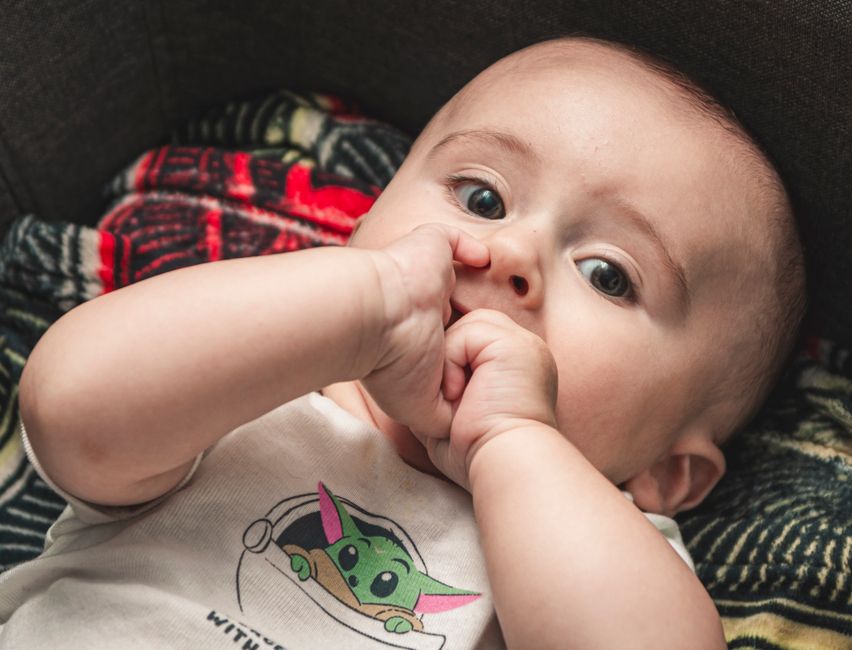
Teething symptoms vary from baby to baby. Some infants experience only mild discomfort, while others become more irritable for several days during active tooth eruption.

Swollen or Sensitive Gums
Pressure from erupting teeth causes inflammation beneath the gum surface. Parents may notice redness, tenderness, or slight swelling in specific gum areas. Babies often respond by chewing on toys, fingers, or clothing to counteract pressure sensations.
Cold compresses and soft silicone textures may temporarily reduce inflammation and improve comfort.
Excessive Drooling and Facial Rash
Drooling increases significantly during teething because saliva production rises as oral stimulation increases. Excess saliva can irritate the cheeks, chin, and neck folds.
To reduce skin irritation:
- Gently pat skin dry throughout the day
- Use soft absorbent bibs
- Apply baby-safe barrier creams if irritation develops
- Avoid harsh wiping that increases friction
Parents managing frequent drooling often pair feeding routines with practical hygiene solutions from the Baby Hygiene Gadgets collection.
Chewing, Biting, and Gum Rubbing Behaviors
Chewing is one of the most recognizable teething behaviors. Pressure applied to the gums may temporarily relieve discomfort. Babies commonly chew:
- Teething toys
- Hands and fingers
- Bottle nipples
- Pacifiers
- Blankets or cloth edges
This behavior is developmentally normal and usually increases before visible tooth eruption.
Sleep Changes and Fussiness During Teething
Nighttime discomfort may disrupt sleep because gum inflammation often feels more noticeable when babies are lying down quietly. Some infants wake more frequently, become harder to soothe, or resist naps temporarily.
Consistent bedtime routines, calming sensory environments, and age-appropriate soothing techniques may help reduce nighttime disruptions.
Reduced Appetite and Feeding Difficulties
Sore gums can make sucking and chewing uncomfortable. Babies may:
- Refuse bottles temporarily
- Nurse for shorter periods
- Eat smaller amounts
- Prefer colder foods
- Reject textured solids briefly
These feeding changes are usually temporary and improve after the tooth breaks through the gum surface.
Mild Temperature Increase vs Real Fever
Teething may cause a slight increase in body temperature, but it should not produce a high fever. Pediatric experts generally consider temperatures above 100.4°F (38°C) more likely related to illness rather than teething alone.
| Symptom | Often Related to Teething | May Require Medical Review |
| Mild gum swelling | Yes | No |
| Drooling | Yes | No |
| Mild fussiness | Yes | No |
| High fever | No | Yes |
| Persistent vomiting | No | Yes |
| Severe diarrhea | No | Yes |
Teething Symptoms That Are Not Normal

Although teething can create discomfort, certain symptoms should never be dismissed automatically as normal teething behavior.
When to Call a Pediatrician
Parents should contact a pediatrician if a baby experiences:
- Persistent fever
- Difficulty breathing
- Refusal to drink fluids
- Signs of dehydration
- Persistent lethargy
- Unusual rash
- Excessive crying that does not improve
Trusting parental instincts is important. If symptoms seem unusually severe, professional medical guidance is appropriate.
Symptoms Commonly Mistaken for Teething
Many illnesses occur during the same developmental stage as teething, which can create confusion. Ear infections, viral illnesses, digestive infections, and colds may overlap with typical teething ages.
Symptoms more strongly associated with illness include:
- Persistent cough
- Wheezing
- Severe diarrhea
- Vomiting
- High fever
- Extreme fatigue
High Fever, Vomiting, and Severe Diarrhea
Current pediatric evidence does not support teething as a direct cause of high fever, severe gastrointestinal illness, or vomiting. These symptoms should always be evaluated independently instead of being attributed automatically to tooth eruption.
How to Safely Soothe Baby Teething Pain at Home

Many babies respond well to simple comfort strategies that reduce gum pressure and inflammation naturally.
Cold Washcloths and Cooling Relief Methods
A clean damp washcloth chilled in the refrigerator can provide temporary relief when babies chew on it. Cool temperatures help reduce inflammation while soft textures remain gentle on sensitive gums.
Avoid freezing washcloths or teething toys completely because extremely hard frozen surfaces may injure delicate gum tissue.
Safe Silicone Teething Toys for Infants
Soft BPA-free silicone teethers are commonly recommended because they provide gentle resistance without sharp edges. Flexible textures may also encourage sensory exploration and oral motor development.
Parents exploring developmental-safe comfort tools often browse the Sensory Toys collection together with the Baby Care Essentials section to support self-soothing routines.
Gentle Gum Massage Techniques
Clean hands can be used to massage sore gums gently using circular motions. Light pressure may temporarily reduce discomfort by counteracting erupting tooth pressure beneath the gums.
Always wash hands thoroughly before touching a baby’s mouth.
Teething Relief During Feeding Time
Feeding discomfort may improve with:
- Slightly chilled purees
- Cool spoons
- Smaller feeding sessions
- Soft foods
- Frequent hydration
Babies transitioning into solids sometimes tolerate smooth textures more comfortably during active teething phases.
Teething Remedies Parents Should Avoid
Some popular remedies may pose safety risks for infants.
| Remedy | Why It Should Be Avoided |
| Amber teething necklaces | Choking and strangulation risk |
| Frozen hard objects | Can damage gums |
| Numbing gels with benzocaine | Potential serious side effects |
| Honey before age one | Risk of infant botulism |
Safety-focused parents often review additional infant wellness guidance through the Health & Safety Tips resource center.
Choosing Safe Teething Toys and Baby Oral Care Products

Not all teething products are created equally. Material quality, cleaning safety, and developmental appropriateness matter significantly for infants.

Why BPA-Free Silicone Matters for Babies
BPA-free food-grade silicone is popular because it is soft, flexible, durable, and easier to sanitize than many porous materials. Quality silicone products also resist cracking and are generally dishwasher safe.
Parents seeking safer feeding and oral care materials frequently explore the Feeding Tools collection for compatible infant-safe products.
Best Teething Toy Features by Age
| Age Group | Recommended Features |
| 0-3 Months | Lightweight textures and soft grip |
| 4-6 Months | Easy-to-hold silicone rings |
| 6-12 Months | Multi-texture chewing surfaces |
| 12-24 Months | Durable textured sensory toys |
How to Clean and Sterilize Teething Toys
Teething toys should be cleaned regularly because babies place them directly in their mouths repeatedly.
- Wash daily with warm soapy water
- Follow manufacturer sterilization instructions
- Inspect for cracks regularly
- Store in clean dry containers
- Discard damaged products immediately
Many parents pair oral care routines with equipment from the Sterilization Devices collection to maintain cleaner feeding and teething supplies.
Signs a Teether Should Be Replaced
Replace teethers immediately if they show:
- Cracks
- Tears
- Loose parts
- Sticky residue
- Persistent odor
- Discoloration
Damaged products may trap bacteria or create choking hazards.
Baby Oral Hygiene Guide From 0 to 24 Months

Oral care should begin before the first tooth appears. Early hygiene habits help reduce bacteria buildup and support long-term dental health.

Cleaning Infant Gums Before Teeth Appear
Parents can gently wipe gums using a clean damp cloth after feedings. This removes milk residue and introduces oral hygiene routines early.
Simple gum-cleaning routines may also help babies become more comfortable with future tooth brushing.
When to Start Brushing Baby Teeth
Brushing should begin as soon as the first tooth erupts. Use a small soft-bristled toothbrush designed for infants and brush gently twice daily.
Choosing the Right Baby Toothbrush
Look for toothbrushes with:
- Soft bristles
- Small heads
- Easy-grip handles
- BPA-free materials
- Age-appropriate labeling
Parents developing complete oral care routines often combine feeding and hygiene tools from the Feeding & Nursing collection with products in the Baby Hygiene Gadgets section.
Is Fluoride Toothpaste Safe for Babies?
Most pediatric dental organizations recommend using a rice-sized smear of fluoride toothpaste once teeth appear. Parents should supervise brushing closely to minimize swallowing.
Consult pediatric dentists for individualized fluoride recommendations, especially if local water supplies already contain fluoride.
How Often to Brush Infant Teeth
Brush infant teeth twice daily, especially before bedtime. Consistency matters more than brushing duration during infancy.
Feeding Transitions During Teething

Teething often overlaps with important feeding milestones including bottle transitions, purees, and baby-led weaning exploration.

Bottle Feeding Challenges During Teething
Some babies bite bottle nipples or pull away during feedings due to gum soreness. Offering shorter, calmer feeding sessions may help reduce frustration.
Parents navigating feeding transitions frequently explore the Feeding & Nursing Tips section for age-specific routines and developmental feeding guidance.
Soft Foods That Help Soothe Sore Gums
Soft textured foods may feel more comfortable during active teething phases:
- Mashed banana
- Yogurt
- Avocado
- Applesauce
- Oatmeal
- Soft sweet potato puree
Cold purees may provide additional soothing benefits for some babies.
Transitioning to Self-Feeding Safely
As oral coordination improves, babies often begin experimenting with self-feeding. Always supervise meals closely and choose developmentally appropriate textures.
Parents introducing independent feeding routines may benefit from practical resources inside the Feeding Tools collection.
Hydration Tips for Teething Babies
Drooling and reduced appetite may increase dehydration risk slightly during teething. Continue offering breast milk, formula, or small amounts of water when age appropriate.
Watch for dehydration signs such as:
- Dry lips
- Reduced wet diapers
- Lethargy
- Crying without tears
When to Schedule Your Baby's First Dental Visit
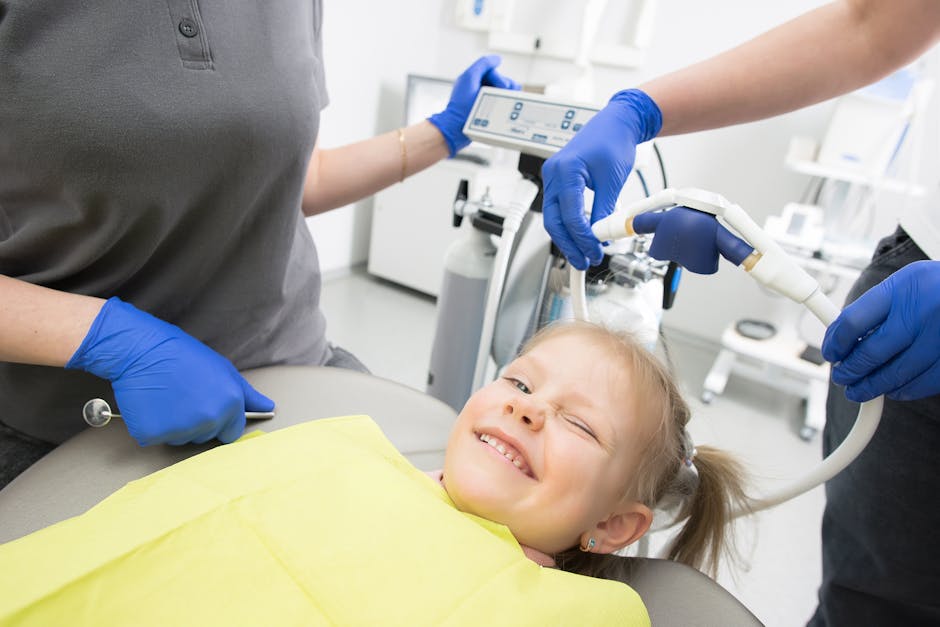
Early dental visits support preventive care and allow parents to discuss oral hygiene, fluoride safety, feeding habits, and developmental concerns with professionals.
AAP and Pediatric Dentistry Recommendations
Most pediatric dental organizations recommend scheduling the first dental visit by age one or within six months after the first tooth appears.
What Happens During the First Infant Dental Exam
The first dental visit is usually short and educational. Dentists commonly:
- Check tooth development
- Evaluate gum health
- Review feeding habits
- Discuss brushing techniques
- Assess cavity risk
Early visits help normalize dental care and reduce anxiety later in childhood.
Preventing Early Childhood Tooth Decay
Preventive habits that reduce cavity risk include:
- Brushing twice daily
- Limiting sugary drinks
- Avoiding bedtime bottles with milk or juice
- Cleaning gums regularly
- Scheduling regular dental visits
Daily Infant Teething and Oral Care Routine

Consistent daily routines help babies feel more secure during teething phases while supporting long-term oral health.
Morning Oral Hygiene Routine
- Wipe gums or brush teeth after breakfast
- Inspect gums for swelling
- Offer hydration regularly
- Provide safe teething textures if needed
Midday Teething Comfort Checklist
- Rotate clean teething toys
- Monitor drooling rash
- Offer soft foods
- Wash toys regularly
- Encourage calm sensory play
Families building soothing daytime routines often combine sensory-friendly comfort products from the Sleep & Comfort collection with developmental support tools from the Baby Growth & Learning category.
Bedtime Gum and Tooth Care Routine
Nighttime care routines may reduce overnight discomfort:
- Brush teeth gently before bed
- Offer calming cuddles and comfort
- Use clean sleep environments
- Avoid sugary bedtime drinks
- Maintain consistent bedtime schedules
Weekly Cleaning and Sterilization Checklist
| Task | Frequency |
| Sterilize teething toys | Weekly or as directed |
| Inspect teethers for damage | Weekly |
| Replace worn toothbrushes | Every 2-3 months |
| Wash bibs and cloths | Daily |
| Clean feeding accessories | After each use |
Frequently Asked Questions
When do babies start teething and what are the first signs?
Most babies begin teething between 4 and 7 months. Early signs often include drooling, chewing behavior, swollen gums, fussiness, and disrupted sleep.
What are the most common teething symptoms in infants?
Common symptoms include gum swelling, drooling, chewing behaviors, mild irritability, temporary feeding difficulties, and sleep disruptions.
How can parents safely soothe baby teething pain at home?
Parents can use chilled washcloths, gentle gum massage, soft silicone teethers, cool foods, and calming routines to reduce discomfort safely.
When should parents start brushing a baby's first teeth?
Brushing should begin as soon as the first tooth appears using a soft infant toothbrush and a tiny smear of fluoride toothpaste.
Are silicone teething toys safe for infants to use?
High-quality BPA-free silicone teethers are widely considered safe when used according to manufacturer instructions and cleaned regularly.
How long do teething symptoms usually last?
Symptoms often appear for several days before and after a tooth erupts. Some babies experience only mild discomfort while others may have intermittent symptoms over months.
Can teething cause diarrhea or fever in babies?
Teething may coincide with mild digestive changes or slight temperature increases, but high fever, severe diarrhea, and vomiting should not be attributed to teething alone.
What type of toothpaste is safest for infants?
Most pediatric dentists recommend fluoride toothpaste in very small amounts once teeth appear. Always use age-appropriate products and supervise brushing.
How often should baby teething toys be cleaned?
Teething toys should be cleaned daily and sterilized according to manufacturer instructions to reduce bacteria buildup.
When should parents worry about delayed tooth eruption?
If no teeth have appeared by 18 months, parents may wish to discuss development with a pediatrician or pediatric dentist.
Conclusion
Teething is a normal developmental milestone that can affect sleep, feeding, mood, and daily comfort during infancy. Understanding common teething symptoms helps parents respond calmly and safely while supporting healthy oral development.
Consistent hygiene habits, gentle soothing methods, age-appropriate oral care tools, and pediatric-informed safety practices can make teething more manageable for both babies and caregivers. Building healthy routines early also supports long-term dental wellness and feeding confidence throughout toddlerhood.
For additional infant wellness guidance, parents often continue exploring the Baby Care Tips & Advice hub together with practical everyday essentials in the Mom Essentials collection.





