

Natural Teething Relief for Infants: 17 Safe Ways to Soothe Baby Pain
Teething can feel overwhelming for both babies and parents. Sleepless nights, constant drooling, swollen gums, clinginess, and sudden fussiness often leave caregivers wondering whether their baby is teething or getting sick. The good news is that teething is a normal developmental milestone, and there are many safe, natural ways to ease discomfort at home.
This comprehensive guide explains when babies usually start teething, how to recognize common symptoms, safe oral care routines, and pediatrician-approved methods for soothing sore gums naturally. You’ll also learn how to choose safe silicone teething toys, when to call a doctor, and how to build a calming teething routine that supports healthy oral development.
Parents looking for everyday support tools often explore the Baby Care Essentials collection alongside educational resources in the Baby Care Tips & Advice section for age-based comfort and oral care guidance.
What Is Infant Teething and When Does It Start?

Infant teething is the process of baby teeth pushing through the gums. Most babies begin teething between 4 and 7 months, although some may show symptoms earlier or later. Every child develops differently, so slight variations are completely normal.
Typical Baby Teething Timeline by Age
The first teeth usually appear in a predictable pattern. Lower front teeth are commonly the earliest to emerge, followed by upper front teeth and molars later in toddlerhood.
| Baby Age | Common Teething Development |
| 3–4 Months | Drooling and chewing behaviors may begin |
| 4–7 Months | First lower front teeth often emerge |
| 8–12 Months | Upper front teeth commonly appear |
| 12–18 Months | Side teeth and first molars develop |
| 18–24 Months | Back molars continue erupting |
Many parents preparing for these developmental stages also browse the Health & Safety collection and the Sleep & Comfort collection to support nighttime routines during difficult teething phases.
Early Signs of Infant Teething Parents Often Notice First
Teething symptoms can start several weeks before a tooth actually becomes visible. Common early signs include:
- Excessive drooling
- Swollen or tender gums
- Chewing on hands or toys
- Increased fussiness
- Mild sleep disruption
- Reduced interest in feeding
- Rubbing ears or cheeks
- Wanting more comfort and cuddling
Some babies experience only mild discomfort, while others become noticeably irritable for several days before a tooth erupts.
How Teething Supports Baby Oral Development
Teething is an important part of oral and sensory development. As babies chew and explore textures, they strengthen jaw muscles, improve oral coordination, and develop sensory awareness. Safe chewing behaviors also help prepare infants for future eating and speech milestones.
Developmental play tools from the Baby Growth & Learning collection and age-appropriate items from the Sensory Toys collection can support healthy sensory exploration during teething stages.
How to Tell the Difference Between Teething and Illness

Many parents wonder whether symptoms like fussiness, poor sleep, or low appetite are caused by teething or illness. While mild discomfort is common during teething, some symptoms should never be automatically blamed on erupting teeth.
Common Teething Symptoms That Are Usually Normal
- Drooling
- Mild gum swelling
- Chewing behavior
- Temporary irritability
- Mild appetite changes
- Brief sleep disruption
- Desire for extra comfort
These symptoms are generally manageable with home soothing techniques and proper oral care.
Symptoms That May Signal Illness Instead of Teething
Teething should not cause serious illness symptoms. Contact a healthcare provider if your baby experiences:
- High fever
- Persistent vomiting
- Diarrhea
- Rash unrelated to drooling
- Difficulty breathing
- Severe lethargy
- Ear infection symptoms
- Refusal to drink fluids
Parents monitoring illness symptoms often use resources from the Monitoring Devices collection and the Temperature Tools collection for added peace of mind.
When to Call Your Pediatrician About Teething Symptoms
Call your pediatrician if symptoms seem unusually severe, last several days without improvement, or interfere with hydration and feeding. Trust your instincts if something feels different from normal teething behavior.
“Teething discomfort is common, but severe illness symptoms should always be evaluated separately from teething assumptions.”
17 Natural Teething Relief Methods That Are Safe for Infants

Natural teething relief focuses on reducing inflammation, providing sensory comfort, and helping babies safely massage sore gums. The safest techniques are gentle, simple, and age appropriate.
Cool Washcloth Gum Relief
A clean, damp washcloth chilled in the refrigerator can provide soothing pressure on swollen gums. Babies enjoy chewing on the cool fabric because it reduces gum irritation naturally.
Gentle Gum Massage for Babies
Wash your hands thoroughly and use a clean finger to gently massage your baby’s gums in circular motions. This pressure may temporarily relieve soreness and calm fussiness.
Using a Food-Grade Silicone Teether Safely
Soft silicone teethers are popular because they are easy for infants to grip and gentle on sensitive gums. A properly designed BPA-free teether also supports sensory exploration and chewing development.
The Baby Silicone Teether Toy – Soothing Relief & Healthy Gums is one example of a food-grade silicone teether designed for infants learning to grip and chew safely during teething stages.

Many parents also combine oral comfort tools with supportive products from the Feeding Tools collection and sensory development items from the Baby Growth & Learning collection.
Cooling Teething Toys for Inflamed Gums
Refrigerated teething toys can provide additional relief. However, teethers should never be frozen solid because extremely hard surfaces may injure delicate gums.
Breastfeeding or Bottle Comfort During Teething
Some babies nurse more frequently during teething because sucking feels comforting. Others may feed less due to gum tenderness. Smaller, more frequent feedings can sometimes help.
Parents supporting feeding comfort during teething often explore the Feeding & Nursing collection and the Feeding & Nursing Tips section for practical routines.
Cold Purees and Chilled Soft Foods for Older Babies
For babies already eating solids, chilled yogurt, cold fruit puree, or refrigerated soft foods may help soothe inflamed gums naturally.
Sensory Distraction With Baby Sensory Toys
Sensory activities can redirect attention away from discomfort. Soft rattles, textured toys, and supervised sensory play often help calm fussy infants.
Calming Bedtime Routines for Nighttime Teething Pain
Nighttime teething can be especially challenging because babies are tired and more sensitive to discomfort. Gentle routines can improve sleep quality during difficult periods.
- Warm bath before bed
- Dim lighting and reduced stimulation
- Gentle gum massage
- Quiet rocking or cuddling
- Cool teether before sleep
- Consistent bedtime routine
Are Silicone Teething Toys Safe for Infants?

High-quality silicone teethers are generally considered safe when they are made from food-grade materials and used appropriately under supervision.
Why Pediatricians Recommend Food-Grade Silicone
Food-grade silicone is soft, durable, flexible, and easy to clean. It is commonly recommended because it does not splinter like some hard materials and can withstand frequent washing.
What Makes a BPA-Free Teething Toy Safer
Parents should look for teethers labeled BPA-free, phthalate-free, latex-free, and food-grade. These standards help reduce exposure to potentially harmful chemicals.
| Feature | Why It Matters |
| Food-grade silicone | Safe for chewing and oral contact |
| BPA-free | Reduces chemical exposure concerns |
| Easy-grip shape | Supports motor development |
| Dishwasher safe | Improves hygiene and convenience |
| Textured surface | Helps massage sore gums |
Best Teether Shapes for Small Infant Hands
Lightweight ring designs and textured shapes are often easier for young infants to grasp independently. Babies benefit from designs that encourage safe self-soothing and sensory interaction.
The Baby Silicone Teether Ring – BPA-Free Comfort & Fun features a lightweight ring shape designed for small hands learning to hold and chew independently.

Unsafe Teething Products Parents Should Avoid
- Frozen teethers
- Liquid-filled teethers with leaks
- Small detachable parts
- Hard plastic objects
- Unregulated teething jewelry
- Teethers with peeling coatings or cracks
How to Clean and Store Baby Teething Toys Safely
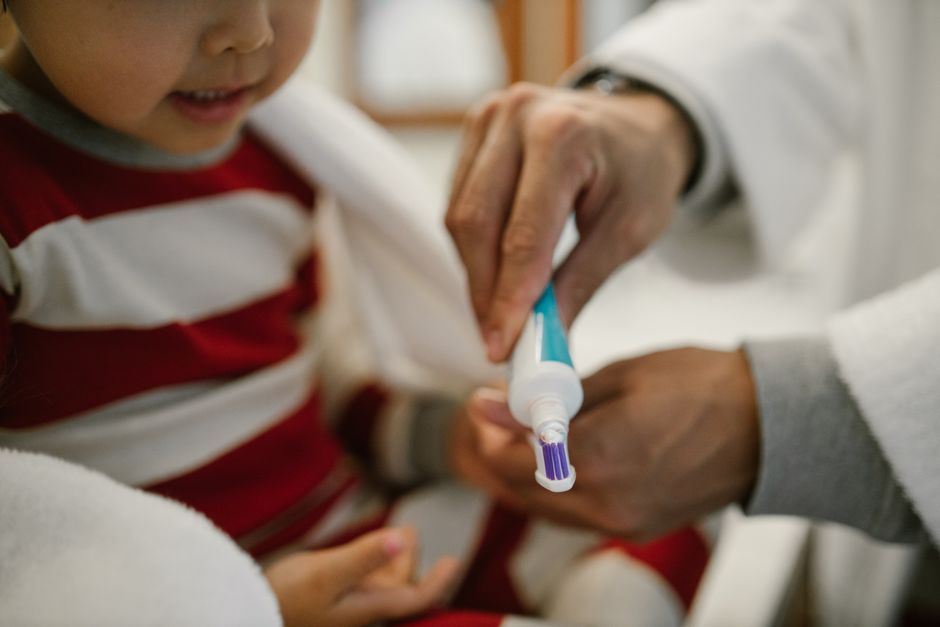
Proper hygiene is essential because teething toys spend significant time in babies’ mouths and often fall onto floors or other surfaces.
How Often Silicone Teethers Should Be Cleaned
Teethers should ideally be cleaned daily and washed immediately after falling onto dirty surfaces. During illness or heavy drooling periods, more frequent cleaning may be helpful.
Safe Cleaning Methods for Food-Grade Silicone
- Warm water and mild soap
- Top-rack dishwasher cleaning
- Sterilization according to manufacturer guidelines
- Air drying on a clean surface
Families building hygienic baby care routines often add support tools from the Sterilization Devices collection and the Baby Hygiene Gadgets collection.
When to Replace a Worn Teething Toy
Replace teethers immediately if you notice:
- Cracks or tears
- Loose pieces
- Discoloration
- Sticky texture changes
- Damage from biting
Travel Storage Tips for Baby Teething Accessories
Store teethers in clean, ventilated containers during travel. Avoid tossing them loosely into diaper bags where they can collect dirt or bacteria.
Best Natural Teething Relief Methods by Baby Age
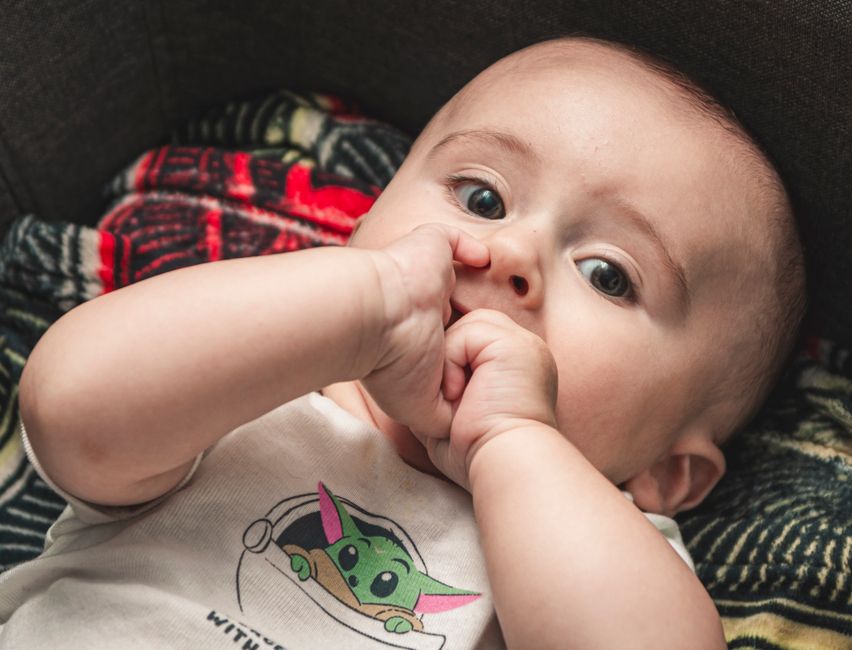
Teething support should match your baby’s developmental stage and oral abilities.
Teething Relief for Babies Under 6 Months
- Gentle gum massage
- Cool washcloths
- Soft silicone teethers
- Extra cuddling and comfort
- Consistent naps and bedtime routines
Teething Relief for 6–12 Month Babies
- Chilled puree foods
- Textured sensory toys
- Refrigerated teethers
- Chewing-friendly silicone tools
- Structured feeding schedules
Parents navigating these active developmental months often browse the Mobility & Training collection and the Baby Growth & Learning Tips section for milestone support ideas.
Toddler Teething Support for Molars
Molar teething may cause stronger discomfort because larger teeth are erupting through thicker gum tissue.
- Cold soft foods
- Extra hydration
- Comfort-focused bedtime routines
- Chewing-safe sensory activities
- Additional oral hygiene support
| Age Group | Best Relief Approaches |
| 0–6 Months | Cool cloths, gum massage, cuddling |
| 6–12 Months | Silicone teethers, chilled foods, sensory play |
| 12–24 Months | Molar relief, structured routines, oral hygiene |
Teething Remedies Parents Should Never Use
Not all teething remedies are safe. Some outdated practices may create serious choking, injury, or health risks.
Why Amber Teething Necklaces Are Dangerous
Amber teething necklaces are not recommended for infants because they can create choking and strangulation hazards.
The Risks of Frozen Teethers and Hard Objects
Frozen teethers can become too hard and may damage sensitive gums. Babies should also never chew on hard household objects.
Teething Gels and Remedies Parents Should Avoid
Some numbing gels and unregulated remedies may contain ingredients not considered safe for infants. Always speak with a pediatrician before using medications or oral products for teething pain.
- Avoid alcohol-containing remedies
- Avoid unsafe herbal products
- Avoid products without safety certification
- Avoid hard objects for chewing
Creating a Daily Teething Relief Routine for Better Sleep and Comfort

A predictable comfort routine can reduce stress for both parents and babies during difficult teething phases.
Morning Oral Comfort Routine
Start the day with gentle gum cleaning using a soft cloth or infant toothbrush. Morning sensory play and hydration may help babies regulate discomfort more effectively throughout the day.
Many parents combine oral care routines with products from the Baby Bath Accessories collection and wellness items from the Massage & Relaxation collection.
Daytime Sensory and Chewing Activities
Offer safe chewing opportunities during awake periods to help babies relieve gum pressure naturally. Rotating clean sensory toys may also prevent boredom and overstimulation.
Nighttime Soothing Routine for Teething Babies
Bedtime consistency becomes especially important during teething phases. A calming environment may help babies settle more easily even when gums feel irritated.
- Warm bath
- Quiet feeding session
- Gentle gum massage
- Cool teether before bed
- Soft lighting and reduced noise
- Consistent sleep cues
Comfort-focused sleep routines often work well alongside support items from the Sleep & Comfort collection.
Frequently Asked Questions
When do babies start teething and what are the first signs?
Most babies begin teething between 4 and 7 months. Early signs often include drooling, chewing on hands, swollen gums, fussiness, and mild sleep disruption.
What are the safest natural teething relief methods for infants?
Safe natural methods include chilled washcloths, gentle gum massage, food-grade silicone teethers, cuddling, and calming bedtime routines.
How can I soothe baby teething pain naturally at night?
Use a calming bedtime routine with dim lighting, gentle rocking, gum massage, and a cool teether before sleep.
Are silicone teething toys safe for babies under 6 months?
High-quality food-grade silicone teethers designed for infants are generally considered safe when used under supervision.
What teething symptoms require a call to the pediatrician?
Contact a pediatrician if your baby has high fever, vomiting, severe diarrhea, dehydration, breathing difficulty, or symptoms that seem more serious than mild teething discomfort.
Can teething cause fever in babies?
Teething may cause a slight temperature increase, but high fever is not considered a normal teething symptom.
How often should I clean silicone teethers?
Teethers should be cleaned daily and washed immediately after falling onto dirty surfaces.
What should babies avoid chewing during teething?
Babies should avoid hard objects, frozen teethers, small detachable items, and unsafe teething jewelry.
Do cooling teething toys really help with gum pain?
Yes, chilled teething toys may temporarily reduce inflammation and soothe sore gums.
What is the safest material for baby teething toys?
Food-grade BPA-free silicone is widely considered one of the safest and most practical materials for infant teething toys.
Conclusion
Teething is a natural part of infant development, but it can still be exhausting for families navigating sleepless nights and fussy days. Fortunately, most babies respond well to gentle, natural relief techniques like cool washcloths, gum massage, calming routines, and safe silicone teethers.
Focusing on safe oral care habits, sensory comfort, and age-appropriate soothing methods can help babies stay calmer while supporting healthy oral development. Parents looking for additional daily support ideas can continue exploring the Baby Care Essentials collection and educational guidance inside the Health & Safety Tips section.
Pillar Article: Teething Symptoms Infants: Safe Relief, Oral Care & First Teeth Guide





