

The Ultimate Newborn Bath Time Routine (Safe, Calm & Pediatrician-Approved)
Bathing a newborn can feel intimidating at first. A baby’s delicate skin, small body, and limited ability to regulate temperature make many parents wonder if they are doing everything correctly. The good news is that a safe newborn bath time routine does not need to be complicated. With the right preparation, gentle handling, and a consistent approach, bath time can become a calm bonding experience for both parent and baby.
This guide explains how often to bathe a newborn, the essential steps for a safe routine, what supplies to prepare, and how to make bath time more comfortable. You will learn a practical approach that supports hygiene, skin health, and your baby’s overall comfort.
What Is a Newborn Bath Time Routine? (And Why It Matters)

A newborn bath time routine is a predictable series of steps that combines cleaning, safety, comfort, and bonding. Unlike bathing older children, a newborn bath focuses on protecting sensitive skin, maintaining a safe temperature, and handling your baby securely throughout the process.
A consistent routine helps parents feel more confident during the first baby bath while helping infants become familiar with a calming pattern. A newborn does not need a long bath or frequent washing; the goal is gentle care rather than deep cleaning.
Difference Between Newborn Sponge Bath and Tub Bath
During the first weeks after birth, many parents begin with sponge baths because a baby’s umbilical cord stump is still healing. A sponge bath allows you to clean your newborn while keeping the cord area dry and protected.
Once the umbilical cord stump has fallen off and the area has healed, most babies can transition to a shallow tub bath. This change should always include proper support, a warm environment, and careful supervision.
When to Start Tub Baths After the Umbilical Cord Stump Falls Off
Parents can usually introduce tub baths after the umbilical area is fully healed. Before switching from sponge baths, check that there is no bleeding, drainage, or irritation around the cord site. If you have concerns about healing, follow guidance from your baby’s healthcare provider.
For a comfortable setup, many parents choose supportive bathing equipment designed for newborns, such as the Baby Bath Tub with Cushion – Foldable & Thermometer Safe , which helps provide gentle support and makes temperature monitoring easier.
How Often Should You Bathe a Newborn?

A common question among new parents is whether bathing newborns daily is necessary. In most cases, newborns do not need a daily bath. Bathing too often can remove natural oils from delicate skin and may contribute to dryness or irritation.
A practical newborn bath schedule focuses on regular but gentle cleaning while using daily hygiene habits between full baths.
Newborn Bath Schedule by Age
| Age | Recommended Bath Schedule |
| 0–2 weeks | Sponge baths about 2–3 times per week or as needed |
| After umbilical cord healing to 3 months | About 2–3 full baths per week |
Between baths, parents can keep babies clean by gently wiping areas that collect moisture or dirt, including the face, neck folds, hands, and diaper area.
When to Bathe More or Less Often
The best baby bath schedule depends on your baby’s skin, environment, and daily needs. You may bathe more often after messy diaper situations or spit-up, while babies with dry or sensitive skin may benefit from fewer baths.
- Reduce bathing frequency if your baby develops dry, irritated skin.
- Use shorter baths when the skin barrier needs extra protection.
- Increase cleaning only when there is visible dirt, sweat, or mess.
- Continue simple daily hygiene even on non-bath days.
Essential Baby Bath Items (Complete Checklist for Parents)

Must-Have Baby Bath Essentials
- Baby bathtub or newborn bath support
- Soft washcloths
- Gentle baby cleanser
- Hooded towel
- Water thermometer or temperature indicator
A safe beginner-friendly setup can make bath time easier, especially for first-time parents learning how to support a newborn. The Baby Bath Tub with Cushion – Foldable & Thermometer Safe is designed to help provide stable support while making it easier to monitor bathing conditions.

For additional bathing accessories, explore the Baby Bath Accessories collection.
Optional Items That Improve Safety & Comfort
- Bath support cushions
- Non-slip mats
- Soft rinse cups
- Gentle baby towels
Optional accessories can improve comfort and confidence, but the most important parts of a newborn bath remain safe support, correct temperature, and constant supervision.
Step-by-Step Newborn Bath Time Routine

Learning how to bathe a newborn becomes much easier when you follow the same order every time. A predictable workflow helps reduce stress, keeps your baby comfortable, and allows you to focus on safe handling instead of remembering the next step.
Step 1: Prepare the Bathing Area
Before you place your baby in the water, gather everything you need within arm’s reach. Prepare the bathtub, washcloth, towel, clean diaper, clothes, and any gentle bathing products before starting.
Keep the room comfortably warm to prevent your newborn from getting cold after undressing. A warm environment, organized supplies, and a calm approach make the entire newborn bath time routine smoother.
Never leave your baby alone during a bath, even for a few seconds. If you need to step away, remove your baby from the water first and take them with you.
Step 2: Test the Water Temperature
The safest newborn bath temperature is warm, not hot. Aim for water around 98–100°F (37–38°C), which is close to your baby’s body temperature.
Always test the water before placing your baby inside. You can check with your wrist or use a reliable temperature tool from the Temperature Tools collection to help maintain a comfortable bathing environment.
Avoid adding hot water while your baby is already in the tub because the temperature can change quickly and create a burn risk.
Step 3: Undress and Support Your Baby Safely
When learning how to give a newborn a bath, safe support is one of the most important skills. Hold your baby securely while lowering them into the water, keeping one hand supporting the head, neck, and upper body.
Newborns have limited head control, so their airway should always remain above the water. Move slowly and use gentle movements to help your baby feel secure.
Step 4: Wash Face, Hair, and Body
Follow a gentle cleaning order to reduce irritation and keep bath time organized:
- Clean the face with plain water and a soft cloth.
- Wash the hair only when needed using a gentle baby cleanser.
- Clean neck folds where moisture and milk residue can collect.
- Wash arms, hands, chest, and torso.
- Clean legs and feet carefully.
- Wash the diaper area last to maintain hygiene.
Use gentle strokes rather than rubbing. Newborn skin is delicate, so a short, comfortable bath is usually better than extended washing.
Step 5: Rinse, Dry, Dress, and Comfort Your Baby
After washing, remove your baby from the bath carefully and wrap them immediately in a soft towel. Pat the skin dry instead of rubbing, paying special attention to folds where moisture can remain.
Apply moisturizer if your baby’s skin needs extra hydration, then put on a fresh diaper and comfortable clothing. Keeping the transition quick helps your newborn stay warm and relaxed after bathing.
Newborn Bath Safety Guidelines

Safe bathing depends on preparation, supervision, and gentle handling. Following basic baby bath guidelines helps prevent common accidents while creating a more comfortable experience for both parent and child.
Never Leave Your Baby Unattended
Constant supervision is the most important newborn bath safety rule. A baby can move unexpectedly in water, so always keep one hand on your baby and remain within arm’s reach throughout the bath.
- Never leave your baby alone in the bathtub.
- Never rely only on bath seats or supports for safety.
- Keep phones, towels, and supplies nearby before starting.
Safe Water Depth and Bath Length
Newborns do not need deep water or long baths. A shallow bath with controlled water depth is enough for gentle cleaning.
- Water depth: around 2–3 inches
- Bath duration: approximately 5–10 minutes
- Water temperature: about 98–100°F (37–38°C)
Safe Handling Tips
Use slow, controlled movements when bathing newborns. Support the head and neck, avoid sudden temperature changes, and keep the bathing area free from hazards that could cause slips or falls.
If you need additional safety guidance, explore the Health & Safety collection.
How to Calm a Baby Who Hates Bath Time

Some babies need time to adjust to bath time for infants. Crying during baths is common and does not always mean your baby dislikes water. Small changes to the environment and routine can make bathing feel safer and more enjoyable.
Why Babies Cry During Baths
- Temperature discomfort: Water or room temperature may feel too cold or too warm.
- Lack of support: Babies may feel insecure if they are not held comfortably.
- Too much stimulation: Bright lights, noise, or quick movements can overwhelm newborns.
- Timing issues: Hunger, tiredness, or overstimulation can make babies less comfortable.
Simple Ways to Make Bath Time Easier
- Wrap your baby in a warm cloth during the transition into the bath.
- Use a calm voice and gentle eye contact.
- Keep baths short until your baby becomes comfortable.
- Create a consistent baby bath routine so your newborn knows what to expect.
Some parents also use soothing routines from the Massage & Relaxation collection to help create positive associations with calming care activities.
Best Time to Bathe a Newborn

Bath Before or After Feeding
The best time to bathe a newborn depends on your baby’s mood, feeding pattern, and daily rhythm. Many parents find it easier to bathe their baby before a feeding because a calm bath can help prepare them for a relaxed meal and sleep.
Avoid bathing immediately after feeding because movement and handling may increase spit-up or discomfort. Waiting about 30 minutes after a feed can give your baby time to settle.
Morning vs Bedtime Baths
Both morning and bedtime baths can work well. A morning bath may be helpful when your baby is alert and calm, while an evening bath can become part of a soothing newborn bath time routine that signals it is time to wind down.
There is no single perfect schedule for every infant. The most important factor is choosing a time when your baby is comfortable, awake, and unlikely to be hungry or overtired.
Creating a Predictable Routine
A consistent infant bath time routine helps babies become familiar with what happens next. Repeating the same steps—preparing the room, bathing gently, drying, dressing, and comforting—creates a reassuring pattern that supports bonding and relaxation.
Pairing bath time with calming nighttime habits and sleep tools from the Sleep & Comfort collection can help create a peaceful transition before bedtime.
After the Bath: Drying, Dressing, and Skin Care
Umbilical Cord Care
If your newborn’s umbilical cord stump has not fallen off yet, keep the area clean and dry according to your healthcare provider’s guidance. Avoid rubbing the stump during cleaning and gently pat the surrounding skin dry after sponge baths.
Moisturizing When Needed
Newborn skin is delicate and does not always require lotion after every bath. If your baby’s skin appears dry, use a gentle, fragrance-free moisturizer designed for infants. Applying it shortly after drying can help lock in moisture.
Keeping Baby Warm
Newborns can lose body heat quickly after bathing. Wrap your baby in a soft towel immediately, dry carefully in skin folds, and dress them in comfortable clothing to help maintain warmth and comfort.
For babies with sensitive skin, keep baths short, avoid harsh products, and adjust your routine based on your baby’s skin needs.
Complete Baby Hygiene Routine Beyond Bathing
Daily Cleaning Between Baths
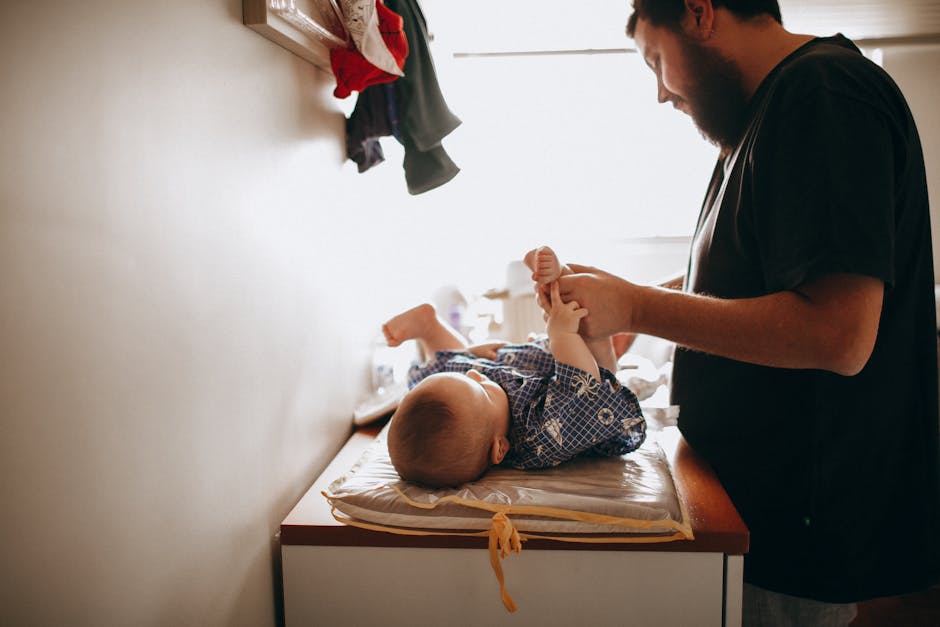
Even when your baby does not have a full bath, simple daily cleaning helps maintain comfort and hygiene. Gently clean areas that collect moisture or milk residue, including the face, neck folds, and diaper area, using a soft cloth and warm water.
Weekly Hygiene Checklist
- Trim newborn nails carefully when needed
- Clean the scalp and wash hair as needed
- Keep feeding items clean and ready for daily use
Parents often complement newborn care routines with tools from the Baby Nail Care Tools collection.
Before You Begin: Newborn Bath Preparation Checklist
Gather Supplies Before Starting
Before you begin a newborn bath, prepare everything within reach so you never need to step away from your baby. A simple setup makes bath time safer and helps the process feel calm and organized.
- Baby bathtub or secure bath support
- Soft washcloths
- Gentle baby cleanser
- Clean towel and fresh clothing
- Clean diaper for after the bath
- Water temperature indicator or thermometer
Ideal Room and Water Temperature
A warm environment helps prevent your newborn from getting cold during and after bathing. Keep the room comfortably warm and prepare water that feels comfortably lukewarm, around 98–100°F (37–38°C).
Always test the water before placing your baby in the tub. Tools from the Temperature Tools collection can help parents maintain a consistent bathing temperature.
Know When to Postpone a Bath
It is usually better to delay a bath if your baby is extremely hungry, overtired, recovering from illness, or unusually upset. Choosing a calmer moment helps create a more positive newborn bath time routine.
Printable Newborn Bath Time Routine Checklist

Daily Routine Example
- Prepare a warm room and place all supplies nearby
- Check bath water temperature (98–100°F / 37–38°C)
- Support your baby’s head and neck securely
- Wash gently from face to body
- Dry skin folds carefully
- Dress and comfort your baby after bathing
Weekly Bath Schedule Example
| Age | Suggested Bath Schedule |
| Newborn to 2 weeks | Sponge baths as needed while caring for the umbilical cord area |
| After cord healing to 3 months | About 2–3 full baths per week, with daily cleaning between baths |
This quick checklist helps parents follow a consistent newborn bath time routine without forgetting important safety steps. For more step-by-step guidance, explore our Baby Care Tips & Advice hub.
FAQ
How long should a newborn bath last?
A newborn bath should usually last about 5–10 minutes. Short baths help prevent your baby’s skin from drying out and reduce the chance of your baby becoming too cold.
What water temperature is safest for a newborn bath?
The safest newborn bath temperature is around 98–100°F (37–38°C). Always test the water before bathing and avoid using hot water directly around your baby.
Can I bathe my newborn before the umbilical cord falls off?
Before the umbilical cord stump falls off and heals, sponge baths are generally recommended. Keep the cord area clean and dry, and follow your healthcare provider’s advice for cord care.
Should I feed my baby before or after a bath?
Many parents prefer bathing before a feeding because a calm bath can help prepare a baby for sleep. If your baby has just eaten, waiting about 30 minutes can help reduce discomfort and spit-up.
Do newborns need lotion after every bath?
No. Many newborns do not need lotion after every bath. If your baby’s skin appears dry, a gentle fragrance-free moisturizer can help protect the skin barrier.
How can I make bath time less stressful for my newborn?
Create a predictable routine, keep baths short, maintain a comfortable temperature, and use a calm voice. Consistency helps babies become familiar with bath time.
What should I do if my newborn cries during every bath?
Check common causes such as water temperature, hunger, tiredness, or feeling unsupported. Try shorter baths, gentle handling, and extra comfort before and after bathing.
When can my newborn switch from sponge baths to tub baths?
Most babies can transition to tub baths after the umbilical cord stump has fallen off and the area has healed. Use a shallow tub with proper support and continue safe handling practices.
Pillar Article: Newborn Hygiene Products Guide: CARE Framework for Safe Daily Routines





