

Newborn Oral Care Guide 2026: Safe First Tooth & Teething Tips for Parents
Newborn oral care often feels overwhelming for first-time parents. Questions about teething pain, fluoride safety, gum cleaning, and when to start brushing are incredibly common. Many parents are unsure whether babies need oral care before teeth appear or how to safely soothe sore gums during teething stages.
The good news is that newborn oral hygiene does not need to be complicated. Small daily habits started early can help protect baby teeth, support healthy gum development, reduce harmful bacteria buildup, and create positive lifelong brushing routines. From gentle gum cleaning before the first tooth to safe silicone teething tools and toddler brushing routines, parents can build healthy habits step by step.
This guide explains when babies start teething, how to identify normal teething symptoms, safe ways to soothe discomfort naturally, and how to care for first teeth properly from infancy through toddlerhood.
Why Newborn Oral Care Matters Before the First Tooth Appears
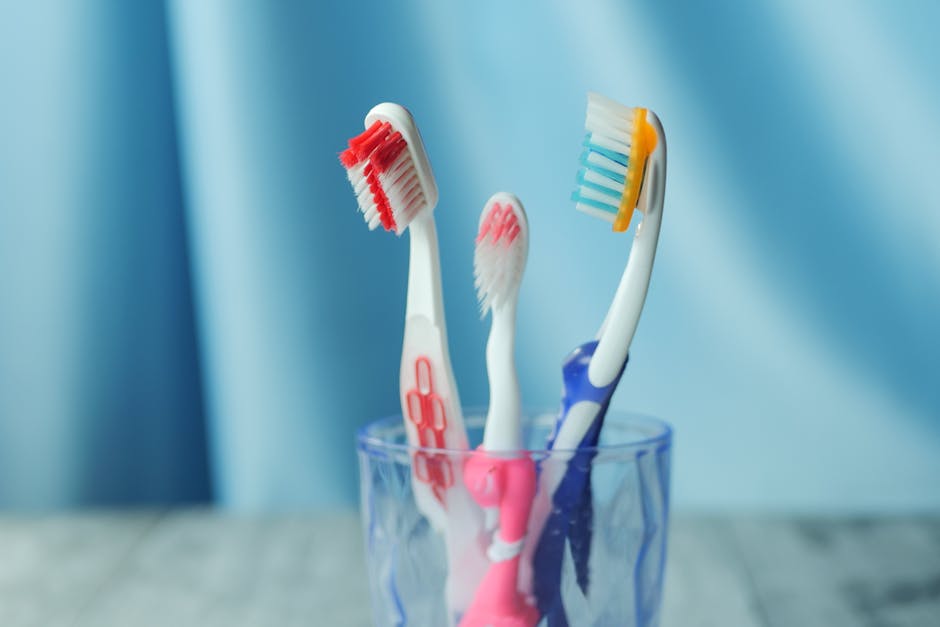
Many parents assume oral care starts only after teeth erupt, but pediatric dental experts recommend beginning oral hygiene routines much earlier. Cleaning baby gums before teeth appear helps reduce bacteria accumulation, supports healthy oral development, and creates consistent daily hygiene habits from the beginning.
Parents looking to build healthy daily care routines often combine oral care practices with essentials from the Baby Care Essentials collection and practical hygiene tools from the Baby Hygiene Gadgets collection.
What Is Infant Gum Cleaning and Why Pediatric Dentists Recommend It
Infant gum cleaning involves gently wiping a baby’s gums using a clean damp cloth or soft silicone oral care tool once or twice daily. This helps remove milk residue and bacteria that naturally accumulate in the mouth after feedings.
Even before teeth emerge, bacteria can begin colonizing the mouth. Consistent gum cleaning supports a healthier oral environment and familiarizes babies with oral care sensations long before toothbrushing begins.
Benefits of early gum cleaning include:
- Reducing milk and formula residue buildup
- Supporting healthier gum tissue
- Creating easier transitions to toothbrushing
- Establishing predictable bedtime hygiene routines
- Helping parents monitor early teething changes
How the Baby Oral Microbiome Develops During the First Year
The oral microbiome refers to the community of bacteria naturally living inside the mouth. During infancy, feeding habits, saliva exposure, oral hygiene, and environmental contact all influence how this microbiome develops.
Breastfeeding, bottle feeding, shared utensils, pacifier cleaning habits, and nighttime feeding routines can all impact bacterial balance. Early oral hygiene supports healthier bacterial conditions and may help reduce cavity risks later in childhood.
Families interested in broader wellness and hygiene support often explore the Health & Safety collection and educational resources in the Health & Safety Tips section.
Common Misconceptions About Newborn Oral Hygiene
Several common myths prevent parents from starting oral care early enough.
| Myth | Reality |
| Babies do not need oral care before teeth | Gum cleaning is recommended before tooth eruption |
| Baby teeth are not important because they fall out | Baby teeth support speech, nutrition, and jaw development |
| Teething always causes high fever | High fever usually signals illness rather than teething |
| Only sugar causes cavities | Frequent milk residue exposure can also contribute to tooth decay |
| Fluoride is always unsafe for babies | Small age-appropriate fluoride amounts are commonly recommended |
When Should Newborn Oral Care Start?

Newborn oral care should start from birth. Parents can begin gently wiping gums with a clean damp cloth after feedings and before bedtime even before teeth appear. Once the first tooth erupts, brushing with a soft infant toothbrush and a tiny amount of toothpaste becomes part of the daily routine.
Daily Oral Care Timeline From Birth to Toddler Stage
| Age | Recommended Oral Care |
| 0–3 months | Wipe gums gently once daily |
| 3–6 months | Increase gum cleaning after feedings if needed |
| 6–12 months | Begin brushing when first tooth appears |
| 12–24 months | Brush twice daily using rice-sized toothpaste amount |
| 2+ years | Continue supervised brushing and dental visits |
Signs Your Baby Is Ready for Toothbrushing Tools
Parents can usually transition from simple gum wiping to toothbrush use once the first tooth erupts. However, some babies show readiness earlier through increased chewing behavior and curiosity about oral sensations.
Common readiness signs include:
- Visible tooth eruption
- Frequent chewing on fingers or toys
- Increased drooling
- Interest in watching parents brush teeth
- Tolerating oral cleaning routines comfortably
When Do Babies Start Teething and What Symptoms Are Normal?

Most babies begin teething between 4 and 7 months of age, though some start earlier or later. Teething symptoms can vary significantly between babies, and not every infant experiences major discomfort.
Typical Baby Teething Timeline Month by Month
| Age | Typical Tooth Development |
| 4–7 months | Lower central incisors often appear first |
| 8–12 months | Upper front teeth emerge |
| 9–16 months | Side incisors develop |
| 13–19 months | First molars appear |
| 16–23 months | Canines erupt |
| 23–33 months | Second molars develop |
Normal Teething Symptoms vs Signs of Illness
One of the biggest concerns for parents is knowing whether symptoms are caused by teething or illness. Mild discomfort and drooling are common during teething, but severe symptoms should not automatically be blamed on tooth eruption.
| Common Teething Symptoms | Possible Illness Signs |
| Mild gum swelling | High fever |
| Drooling | Persistent vomiting |
| Chewing on objects | Severe diarrhea |
| Mild fussiness | Difficulty breathing |
| Temporary sleep disruption | Extreme lethargy |
| Reduced appetite briefly | Signs of dehydration |
Parents should contact a healthcare professional if symptoms seem severe, prolonged, or unusual.
How Long Teething Discomfort Usually Lasts
Teething discomfort often peaks several days before a tooth breaks through the gums and improves shortly afterward. Some babies experience only mild irritation, while others may become fussier during eruption periods.
Teething tends to come in waves throughout infancy and toddlerhood as different teeth emerge.
When to Call a Pediatric Dentist or Doctor
Parents should seek professional advice if:
- Baby develops a high fever
- Symptoms last unusually long
- Baby refuses fluids completely
- There is significant gum bleeding
- Teeth erupt with unusual discoloration
- Parents notice white spots or signs of decay
Monitoring developmental milestones alongside oral health is easier when families maintain organized care routines using resources from the Monitoring Devices collection and the Smart Baby Gadgets collection.
Safe Ways to Soothe Baby Teething Pain Naturally

Many babies experience sore gums and irritability during teething. Fortunately, several safe, gentle methods can help soothe discomfort naturally without relying on unnecessary medications.
Cold Washcloths, Gum Massage, and Gentle Pressure Techniques
Simple home-based remedies are often highly effective for relieving teething discomfort.
- Use a chilled damp washcloth for babies to chew safely
- Gently massage gums using a clean finger
- Offer cool silicone teethers
- Provide extra cuddling and comfort during difficult periods
- Use cold spoons briefly under supervision
Cold temperatures help reduce inflammation while pressure on the gums can ease soreness temporarily.
How Silicone Baby Teething Toys Support Oral Development
Soft silicone teething toys are popular because they combine safety, flexibility, and sensory stimulation. BPA-free silicone materials are gentle on sensitive gums and easier for babies to grip safely.
A well-designed teething toy may support:
- Chewing comfort
- Fine motor skill development
- Sensory exploration
- Oral muscle coordination
- Self-soothing behavior
One example is the Baby Silicone Teether Toy – Soothing Relief & Healthy Gums, designed with soft textured silicone surfaces that are easier for small hands to hold during teething stages.

Parents exploring developmental sensory tools may also find useful options in the Sensory Toys collection and educational guidance within the Baby Growth & Learning Tips section.
Safe vs Unsafe Teething Practices Parents Should Know
| Safe Practices | Unsafe Practices |
| Chilled silicone teethers | Frozen hard foods |
| Gentle gum massage | Amber teething necklaces |
| Cold washcloths | Alcohol-based remedies |
| Supervised chewing toys | Hard plastic objects |
| Age-appropriate oral tools | Teething tablets without medical guidance |
What to Avoid: Teething Gels, Amber Necklaces, and Frozen Hard Foods
Some traditional teething remedies carry unnecessary safety risks. Amber necklaces may pose choking or strangulation hazards. Hard frozen foods can injure gums or damage developing teeth. Certain numbing gels are not recommended for infants due to safety concerns.
Parents should prioritize gentle pressure, supervised cooling methods, and pediatric dentist-approved tools instead.
How to Clean Baby Gums Before Teeth Erupt

Cleaning baby gums before teeth appear is one of the simplest ways to support early oral hygiene. Gentle daily cleaning helps remove residue while preparing babies for future brushing routines.
Step-by-Step Infant Gum Cleaning Routine
- Wash hands thoroughly
- Use a clean damp cloth or soft silicone cleaner
- Wrap cloth around finger
- Gently wipe upper and lower gums
- Clean inside cheeks and tongue carefully
- Allow mouth to air dry naturally
The process should remain calm, gentle, and brief.
Best Times of Day to Clean Baby Mouths
Most parents find these moments easiest:
- After evening feeding
- Before bedtime
- After morning feeding
- After prolonged milk residue exposure
Nighttime oral hygiene is especially important because bacteria multiply more easily during sleep.
Choosing Safe Silicone Finger Brushes and Oral Care Cloths
Soft silicone finger brushes can provide better grip and precision during early oral care routines. Parents should look for BPA-free food-grade silicone materials that are easy to sterilize and gentle on gums.
The Baby Soft Finger Toothbrush – Gentle BPA-Free Oral Care is one example of a flexible silicone finger brush designed for gentle cleaning during first-tooth stages.

Parents frequently pair oral care routines with sanitation tools from the Sterilization Devices collection to keep brushes and feeding accessories hygienic.
How to Brush a Baby's First Teeth Properly
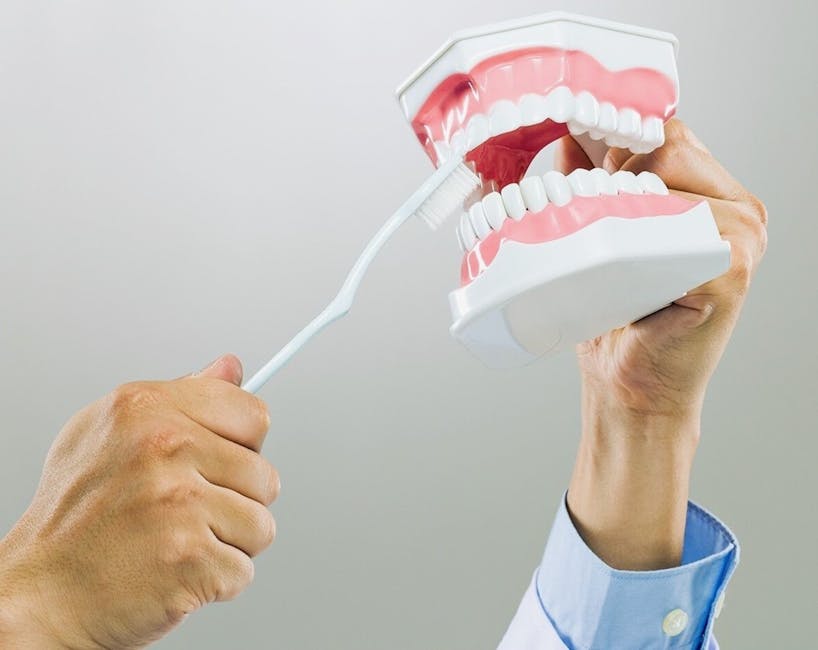
Brushing baby teeth properly protects enamel, reduces cavity risk, and helps children become comfortable with oral care routines early in life.
When to Start Using a Baby Toothbrush
Parents should start using a toothbrush as soon as the first tooth erupts. A soft infant toothbrush designed for delicate gums is usually the safest choice.
Brushing twice daily is generally recommended once teeth appear.
How to Hold and Position a Baby During Brushing
Comfortable positioning helps reduce stress for both parent and baby.
- Lay baby in your lap facing upward
- Support the head gently
- Use small circular motions
- Keep sessions short and calm
- Sing or talk softly during brushing
Some parents find brushing easier while standing behind the baby in front of a mirror.
How Long to Brush Baby Teeth and How Often
Brush baby teeth twice daily for about two minutes total once multiple teeth emerge. Early on, shorter brushing sessions are acceptable while babies adapt.
The most important brushing session is before bedtime.
Soft-Bristle Toothbrush vs Silicone Baby Toothbrush
| Soft-Bristle Toothbrush | Silicone Baby Toothbrush |
| Good for erupted teeth | Gentle for sensitive gums |
| Provides stronger plaque removal | Often easier during teething |
| Closer to adult brushing habits | Soft texture may reduce resistance |
| Useful for toddlers | Helpful for early infancy |
Families creating complete hygiene routines often explore additional support products in the Baby Bath Accessories collection and travel-friendly tools from the Feeding Tools collection.
What Toothpaste Is Safe for Babies With First Teeth?

Parents often worry about fluoride safety, swallowing toothpaste, and choosing appropriate ingredients for infants. Pediatric dental guidance generally recommends using very small amounts of toothpaste once teeth erupt.
Fluoride Toothpaste Recommendations by Age
| Age | Toothpaste Guidance |
| Under 3 years | Rice-sized smear of fluoride toothpaste |
| 3–6 years | Pea-sized amount with supervision |
| 6+ years | Standard supervised brushing |
Ingredients Parents Should Avoid in Baby Toothpaste
Parents should avoid:
- Harsh abrasives
- Strong whitening agents
- Excessive artificial sweeteners
- Adult-strength formulas
- Products not intended for infants
Natural vs Fluoride Toothpaste: What Pediatric Dentists Recommend
Natural toothpaste options may appeal to some families, but many pediatric dental organizations still support age-appropriate fluoride use because of its cavity-protective benefits.
Parents should discuss individual recommendations with a pediatric dentist, especially if children have higher cavity risks.
Common Baby Oral Hygiene Mistakes Parents Should Avoid

Even caring parents sometimes unknowingly create habits that increase oral health risks. Understanding common mistakes can help families build safer routines early.
Sleeping With Bottles and Overnight Milk Exposure
Frequent overnight exposure to milk or juice can contribute to early childhood cavities. Liquids may pool around teeth during sleep, encouraging bacterial growth.
If nighttime feeding is necessary, cleaning the mouth afterward can help reduce residue buildup.
Sharing Utensils and Transferring Oral Bacteria
Sharing spoons, cleaning pacifiers with saliva, or tasting food with the same utensils can transfer cavity-causing bacteria from adults to babies.
Using separate feeding utensils helps reduce bacterial transmission.
Using Adult Toothpaste or Hard-Bristle Brushes Too Early
Adult oral care products may irritate delicate gums or contain ingredients unsuitable for infants. Hard bristles can also damage sensitive tissues.
Always choose age-appropriate oral care tools designed specifically for babies.
Skipping Pediatric Dental Visits After the First Tooth
Many parents wait too long before scheduling a first dental visit. Pediatric dentists commonly recommend a first dental appointment within six months of the first tooth appearing or by age one.
Building a Simple Daily Oral Hygiene Routine for Babies and Toddlers
Consistency matters more than perfection. Small predictable oral care habits often become easier over time when integrated naturally into daily routines.
Morning and Bedtime Oral Care Checklist
| Morning Routine | Bedtime Routine |
| Clean gums or brush teeth | Brush teeth thoroughly |
| Offer water after breakfast | Avoid sugary bedtime drinks |
| Inspect gums and teeth | Wipe gums if needed |
| Clean oral care tools | Sterilize brushes regularly |
Busy parents often organize portable care essentials using products from the Mobility & Training collection and compact hygiene storage solutions from the Baby Care Essentials collection.
Travel-Friendly Oral Care Tips for Busy Parents
- Carry portable finger brushes
- Pack extra clean cloths
- Use travel storage containers
- Keep sterilized backup tools available
- Maintain bedtime brushing even while traveling
How to Make Toothbrushing Easier for Resistant Babies
Resistance is common during infancy and toddlerhood. Parents can reduce stress by:
- Making brushing playful
- Singing songs during routines
- Allowing babies to hold a toothbrush
- Brushing together as a family
- Using mirrors and positive reinforcement
Calming bedtime environments supported by products in the Sleep & Comfort collection may also help reduce evening routine struggles.
What Pediatric Dentists Recommend for First Tooth Care in 2026

Pediatric dental guidance continues emphasizing prevention-focused oral care beginning in infancy. Early routines help reduce cavity risk while supporting healthy long-term dental habits.
“Consistent daily oral care from infancy helps build healthy habits and may significantly reduce early childhood cavity risks.”
American Academy of Pediatric Dentistry Guidelines Explained
Current pediatric dental recommendations generally encourage:
- Cleaning gums before tooth eruption
- Brushing twice daily after first tooth
- Using small amounts of fluoride toothpaste
- Avoiding prolonged bottle exposure during sleep
- Scheduling dental visits by age one
When Babies Should Have Their First Dental Visit
First dental visits are usually recommended:
- Within six months of the first tooth appearing
- By the first birthday
- Earlier if unusual symptoms develop
Early visits help dentists identify concerns before they become more serious.
Questions Parents Should Ask a Pediatric Dentist
- Is my baby’s brushing routine appropriate?
- How much toothpaste should I use?
- Are my baby’s teething symptoms normal?
- What foods increase cavity risk?
- How often should oral tools be replaced?
Frequently Asked Questions
When should newborn oral care start for babies?
Newborn oral care can begin from birth using a clean damp cloth to gently wipe gums once or twice daily.
When do babies start teething and what symptoms are normal?
Most babies start teething between 4 and 7 months. Mild drooling, chewing behavior, gum irritation, and fussiness are common symptoms.
How do you brush a baby's first teeth properly?
Use a soft infant toothbrush with a rice-sized amount of toothpaste and brush gently twice daily using small circular motions.
What toothpaste is safe for babies with first teeth?
Many pediatric dentists recommend fluoride toothpaste in very small amounts once teeth erupt.
What common oral hygiene mistakes should parents avoid with babies?
Common mistakes include skipping gum cleaning, allowing overnight bottle exposure, using adult toothpaste, and delaying dental visits.
Can teething cause fever in babies?
Teething may cause slight temperature increases, but high fever is usually linked to illness rather than teething.
How often should parents clean baby gums before teeth appear?
Most experts recommend cleaning baby gums at least once daily, especially before bedtime.
Are silicone baby toothbrushes safe for infants?
BPA-free food-grade silicone toothbrushes designed for infants are generally considered safe when used appropriately.
When should babies visit a pediatric dentist for the first time?
Babies should typically visit a pediatric dentist by age one or within six months after the first tooth appears.
What are the safest teething toys for babies?
Soft BPA-free silicone teethers designed specifically for infants are among the safest options for teething relief.
Conclusion
Newborn oral care does not require complicated routines or perfect consistency every day. Gentle daily habits started early can support healthy teeth, reduce teething stress, and build positive lifelong hygiene routines for children.
From cleaning gums before teeth erupt to introducing safe silicone teething tools and brushing first teeth properly, each small step helps support long-term oral health. Parents who focus on consistency, safety, and gradual routine-building often find oral care becomes easier over time.
For more parenting wellness guidance, families can continue exploring practical resources in the Baby Care Tips & Advice section and everyday support products in the Mom Essentials collection.
Pillar Article: Teething Symptoms Infants: Safe Relief, Oral Care & First Teeth Guide





