

Potty Training Resistance How to Help: A Parent’s Complete Troubleshooting Guide
Potty training rarely follows a straight, predictable path. One week your toddler seems fully on track—sitting on the potty, celebrating small wins, even staying dry for longer stretches. Then suddenly, everything changes. Refusal begins. Tears appear. Accidents increase. The potty becomes “off limits.”
This shift is what many parents experience as potty training resistance. It can feel confusing and discouraging, especially when progress seemed close. But resistance is not failure—it’s often a normal developmental response tied to autonomy, emotional readiness, and environmental change.
This guide is designed as a complete troubleshooting roadmap. Instead of pushing rigid timelines, it helps you identify why resistance is happening and how to respond in a calm, structured, and age-appropriate way. You’ll learn how to distinguish resistance from regression, understand emotional triggers, and apply practical strategies that reduce stress for both parent and child.
Along the way, you’ll also find actionable frameworks, comparison tables, and real-world scenarios covering everything from fear-based refusal to daycare disruption and travel setbacks. For families building consistent routines, resources in the Baby Care Essentials collection and Baby Growth & Learning collection can also support smoother transitions.
Understanding Potty Training Resistance: What It Really Means

Potty training resistance refers to a child consistently refusing, avoiding, or emotionally pushing back against using the potty after initial exposure or even early success. It is not simply “bad behavior.” It is usually a communication signal that something about timing, environment, or emotional readiness is off.
Common signs of resistance vs normal learning delays
Resistance often includes clear behavioral patterns such as refusing to sit on the potty, hiding during bathroom time, expressing fear, or demanding diapers again after previously using the toilet. Normal learning delays tend to look more inconsistent, with occasional accidents but no strong avoidance behavior.
Why resistance is often a developmental signal, not failure
Toddlers are developing autonomy, control, and emotional boundaries. The potty is one of the first places where they can say “no” and feel independent. Resistance often reflects this developmental stage rather than a lack of progress or discipline.
Why Toddlers Resist Potty Training: Core Root Causes
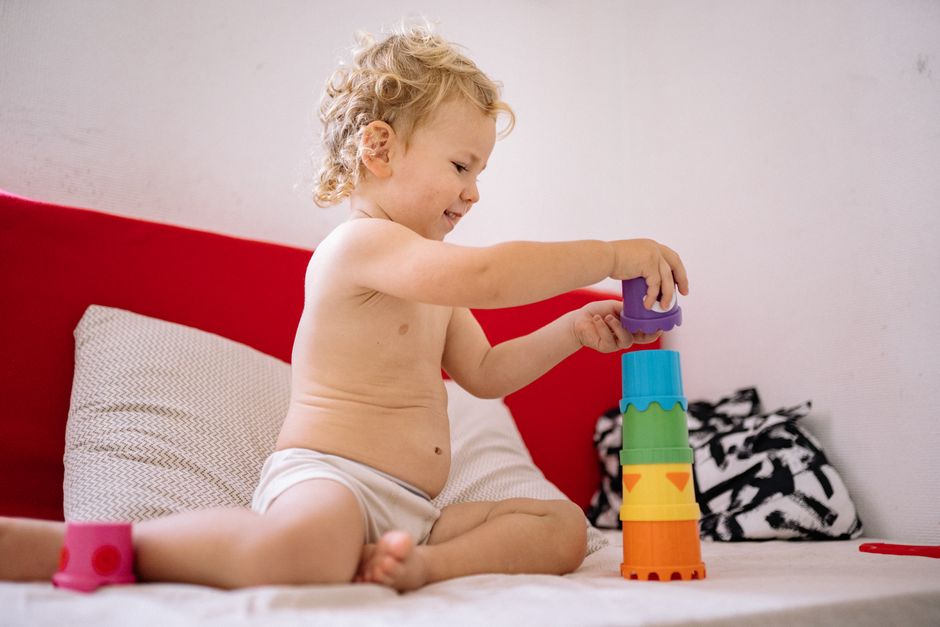
Understanding the cause behind resistance is the key to solving it. Instead of reacting to behavior alone, identifying the trigger allows you to respond more effectively and reduce stress for both you and your child.
Toddler developmental readiness gaps and timing issues
One of the most common reasons for resistance is simply starting too early or during a low-readiness phase. Even if physical milestones are partially present, emotional readiness may lag behind.
Bathroom anxiety and fear of the toilet
Large flushing sounds, unfamiliar bathroom spaces, or fear of falling in can create anxiety. This often leads to avoidance behaviors or complete refusal.
Child autonomy and control struggles
At this stage, toddlers naturally test boundaries. Saying “no” becomes a way to assert independence, especially around routines they feel pressured into.
Environmental disruptions and routine changes
Travel, daycare transitions, illness, or family changes can disrupt consistency, leading to temporary resistance or setbacks.
Potty Training Readiness Checklist: Is Your Toddler Ready?

Before adjusting strategies, it’s important to reassess readiness. Many resistance issues improve when timing aligns with developmental signals.
| Behavioral Signs | Shows interest in bathroom habits, imitates adults, can follow simple instructions |
| Physical Signs | Longer dry periods, awareness of urination or bowel movements |
| Emotional Signs | Willingness to cooperate without distress or fear |
Printable routines and developmental tools from the Baby Growth & Learning collection can help track readiness over time.
Symptom-to-Cause Troubleshooting Matrix for Potty Training Resistance

This matrix helps translate behaviors into likely causes and practical responses.
| Symptom | Likely Cause | Helpful Response |
| Refusing to sit on potty | Fear or anxiety | Gradual exposure, bathroom normalization |
| Accidents after progress | Regression or stress | Re-establish routine without pressure |
| Withholding urine or stool | Control struggle or discomfort | Reduce pressure, offer choices, increase comfort |
Potty Training Regression: Why It Happens and How to Recover

Regression often overlaps with resistance but usually occurs after a period of success. Common triggers include illness, travel, emotional stress, or changes in caregivers.
The recovery framework includes four steps: pause pressure, return to basics, rebuild consistency, and reintroduce encouragement without urgency. In many cases, stepping back temporarily leads to faster long-term progress.
“Regression is not a setback—it is a recalibration. Children often return stronger when pressure is removed and safety is restored.” — Early Childhood Development Specialist
Helpful hygiene and routine support tools can be found in the Health & Safety collection.
Bathroom Anxiety and Fear-Based Resistance: How to Help Your Child Feel Safe
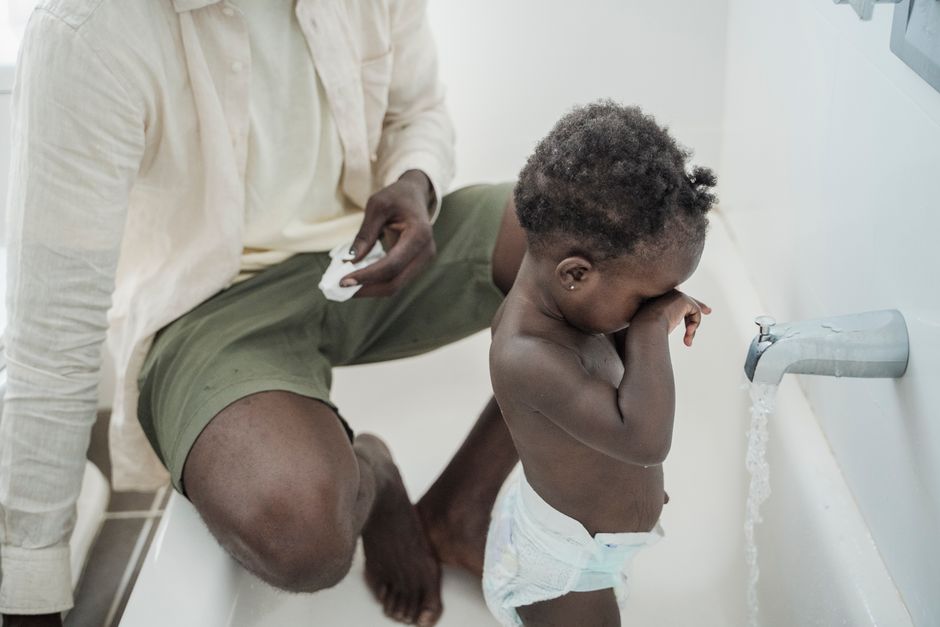
Fear-based resistance requires emotional reassurance rather than correction. Children may associate the toilet with loud sounds, falling, or unfamiliar sensations.
Gradual exposure helps reduce fear. Start with sitting fully clothed, then progress slowly. Let the child explore the bathroom environment at their own pace.
Creating a calm, predictable bathroom environment is often more effective than repeated prompting or reminders.
Power Struggles and Child Autonomy: Breaking the Control Cycle
When potty training becomes a power struggle, resistance often intensifies. The key is to shift control back to the child in structured ways.
Instead of commands, offer limited choices: “Do you want to sit on the potty before or after reading a book?” This reduces conflict while maintaining routine structure.
How to Respond to Potty Training Accidents Without Pressure
Accidents are not failures—they are part of learning. The way parents respond significantly influences whether resistance increases or decreases.
Calm, neutral responses work best. Avoid punishment or emotional reactions. Simply clean up, reset, and continue the routine.
What NOT to do after accidents
- Avoid punishment or shaming
- Do not over-explain or lecture
- Avoid emotional reactions that create stress
Accident management becomes easier with consistent routines supported by products in the Baby Care Essentials collection.
Daycare Transition and Potty Training Resistance: How to Stay Consistent
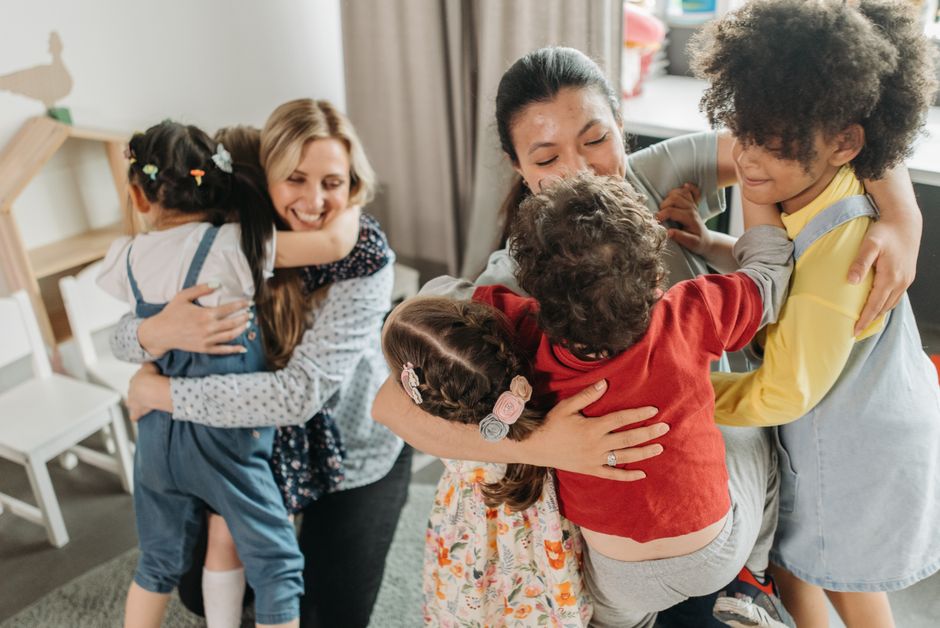
Daycare environments often introduce inconsistency. Different schedules, caregivers, and expectations can confuse toddlers.
Aligning home and daycare routines helps reduce resistance. Communicate clearly with caregivers about timing, language, and encouragement strategies.
Travel Potty Training Strategies: Keeping Progress on the Go

Travel is one of the most common triggers for potty training resistance. New environments disrupt routines, making children more likely to revert to familiar habits like diapers or refusal behaviors.
One effective solution is maintaining familiarity through portable tools that allow consistency even outside the home.

One helpful option is the 3-in-1 Travel Toilet Seat – Portable Silicone Baby Potty, designed for mobility, hygiene, and comfort during trips. Its foldable structure and disposable bag system help maintain consistency in unfamiliar environments.
Using travel-friendly solutions can be further supported by items from the Mobility & Training collection and Health & Safety collection.
How travel disrupts potty routines and how to adapt
Travel changes timing, environment, and access to bathrooms. The key is flexibility combined with predictable check-ins rather than strict schedules.
Potty Training Methods Compared: What Works for Resistant Toddlers?
| Method | Pros | Limitations |
| Three-day method | Fast results when readiness is high | Can increase resistance if child is not ready |
| Child-led approach | Low pressure, reduces anxiety | Slower progress timeline |
| Hybrid approach | Balanced flexibility and structure | Requires consistency from parents |
Diaper-to-Potty Transition: Developmental Milestones to Watch

Transitioning away from diapers is not a single moment but a gradual developmental process. Key milestones include awareness of bodily signals, longer dry periods, and consistent communication about bathroom needs.
Positive Reinforcement Strategies That Actually Work

Positive reinforcement is most effective when it focuses on encouragement rather than reward dependency. Praise effort, not just success.
For example, acknowledging attempts (“You tried sitting on the potty—that’s great practice”) builds confidence and reduces pressure-related resistance.
FAQ: Potty Training Resistance
Why is my toddler suddenly refusing to use the potty?
This often happens due to regression, emotional stress, or a mismatch between readiness and expectations. It is usually temporary and behavior-driven rather than permanent refusal.
How do I handle potty training regression after success?
Pause pressure, return to basic routines, and rebuild consistency slowly. Regression is often triggered by external changes like travel or illness.
What is the best potty training method for toddlers who resist training?
Child-led or hybrid approaches are typically most effective for resistant toddlers because they reduce pressure and support emotional readiness.
How should parents respond to potty accidents without creating pressure?
Stay calm, avoid punishment, and treat accidents as part of learning. Emotional neutrality helps prevent reinforcement of resistance.
How can I keep potty training on track during travel or daycare transitions?
Consistency in routine language and expectations is key. Portable solutions and caregiver alignment help maintain progress across environments.
Conclusion
Potty training resistance is not a sign that something is wrong—it is a sign that something needs adjusting. Whether the challenge comes from timing, fear, autonomy, or environmental change, each pattern has a solution rooted in patience and responsiveness.
Instead of forcing progress, focus on understanding the cause behind behavior. When children feel safe, respected, and supported, cooperation naturally increases. Progress may not always be linear, but it becomes more stable when pressure is replaced with structure and empathy.
For ongoing guidance, explore trusted resources in the Baby Care Tips & Advice blog and related parenting collections designed to support each stage of early development.
Pillar Article: How to Start Potty Training: A Step-by-Step System to Reduce Resistance, Regression, and Accidents





