

Proper Oral Hygiene Routine: Complete Family Guide for Adults & Babies
A proper oral hygiene routine is one of the simplest yet most powerful habits that shapes lifelong health for both adults and children. From a baby’s first gums to adult enamel maintenance, daily brushing, flossing, and preventive care directly influence cavity prevention, gum health, digestion comfort, and even overall wellbeing. When established early and practiced consistently, oral hygiene becomes more than a routine—it becomes a foundation for confidence, nutrition, and long-term medical savings.
This complete guide breaks down a step-by-step oral hygiene routine for every stage of life, including infants, toddlers, beginners, and adults. You will also learn how to avoid common mistakes, how to introduce oral care to babies, and how to build simple daily habits that fit into busy family schedules.
Why a Proper Oral Hygiene Routine Matters at Every Age

Oral hygiene is not just about having a clean smile—it is a critical part of whole-body health. The mouth is the entry point to digestion and one of the most bacteria-rich environments in the body. Without proper care, plaque builds up, gums become inflamed, and harmful bacteria can spread beyond the teeth.
How Oral Bacteria Affect Teeth and Gum Health
Inside the mouth, bacteria constantly interact with food particles. When brushing and flossing are inconsistent, these bacteria form a sticky layer called plaque. Over time, plaque hardens into tartar, which can only be removed by dental professionals. This leads to cavities, gum inflammation, and bad breath. In children, poor oral hygiene can also interfere with proper chewing development and feeding comfort.
The Link Between Oral Health and Overall Wellness
Modern research consistently shows that oral health is connected to overall health. Poor oral hygiene can influence digestion, sleep quality, immune response, and even heart health. For babies and toddlers, discomfort from early gum issues can also affect feeding patterns and sleep cycles, making oral care essential from the earliest stages of life.
Why Preventive Oral Care Saves Money and Reduces Dental Problems
Preventive oral care reduces the need for expensive dental treatments later in life. Regular brushing, flossing, and early habit-building in children help prevent cavities, enamel damage, and gum disease. Families who prioritize daily oral hygiene typically experience fewer emergency dental visits and lower long-term healthcare costs.
What Is the Correct Order for a Proper Oral Hygiene Routine?

Following the correct sequence in your oral hygiene routine ensures maximum effectiveness in removing plaque, strengthening enamel, and maintaining gum health. The order matters because each step prepares the mouth for the next stage of cleaning.
Step 1: Floss Before Brushing
Flossing removes food particles and plaque from tight spaces between teeth where a toothbrush cannot reach. Doing this first allows fluoride toothpaste to better reach these areas during brushing.
Step 2: Brush With Fluoride Toothpaste
Brushing should take at least two minutes using gentle circular motions. Hold the toothbrush at a 45-degree angle toward the gum line. Fluoride toothpaste helps strengthen enamel and prevent cavities by remineralizing weakened tooth surfaces.
Step 3: Clean the Tongue
The tongue collects bacteria that contribute to bad breath. Gentle tongue cleaning helps reduce bacterial buildup and improves overall oral freshness.
Step 4: Rinse and Hydrate Properly
After brushing, rinsing lightly with water helps remove loosened debris. Mouthwash may be used occasionally for additional antibacterial support, but hydration with water throughout the day is equally important for maintaining saliva balance.
Morning vs Nighttime Oral Hygiene Routine
Morning routines focus on freshness, removing overnight bacteria buildup, and preparing for meals. Nighttime routines are more important because saliva production decreases during sleep, allowing bacteria to multiply more easily. A thorough nighttime routine is the most critical step in preventing cavities.
| Routine Type | Focus | Key Benefit |
| Morning Routine | Fresh breath, bacteria removal | Start the day clean and confident |
| Night Routine | Deep cleaning, plaque removal | Prevents overnight bacterial growth |
Daily Oral Hygiene Essentials Every Adult Should Use

A complete adult oral hygiene routine includes a few essential tools that support enamel protection, gum health, and plaque removal. Consistency is more important than complexity.
Choosing the Best Soft-Bristle Toothbrush
Soft-bristle toothbrushes are recommended for most adults because they clean effectively without damaging gums or enamel. Hard bristles can cause gum recession over time. Replace toothbrushes every 2–3 months or sooner if bristles become frayed.
How Fluoride Toothpaste Protects Enamel
Fluoride toothpaste strengthens enamel by restoring minerals lost from daily acid exposure. This process helps reverse early stages of tooth decay and reduces cavity risk significantly.
When to Use Mouthwash and Tongue Scrapers
Mouthwash is optional but helpful for additional antibacterial protection. Tongue scrapers are particularly effective for reducing bad breath and improving oral cleanliness when used after brushing.
How Often Adults Should Brush and Floss
Adults should brush at least twice a day and floss once daily. Consistency is key to preventing plaque buildup and maintaining gum health long-term.
Common Oral Hygiene Mistakes That Damage Teeth and Gums

Many oral health issues are caused not by lack of brushing, but by incorrect brushing habits. Understanding these mistakes can significantly improve oral health outcomes.
Brushing Too Hard or Using Hard Bristles
Excessive pressure can wear down enamel and damage gum tissue. Gentle brushing is more effective than aggressive scrubbing.
Skipping Flossing and Tongue Cleaning
Skipping flossing allows plaque to accumulate between teeth, leading to hidden cavities. Tongue cleaning helps control bacteria that cause bad breath.
Using Too Much Toothpaste for Babies and Toddlers
For children, only a small smear or rice-sized amount of toothpaste is needed to ensure safety while still providing fluoride benefits.
Waiting Too Long to Replace Toothbrushes
Old toothbrushes lose effectiveness and may harbor bacteria. Regular replacement is essential for hygiene and cleaning efficiency.
Brushing Immediately After Acidic Foods
After consuming acidic foods, enamel becomes temporarily softened. Waiting at least 30 minutes before brushing helps protect tooth structure.
When to Start Oral Hygiene for Babies and Toddlers
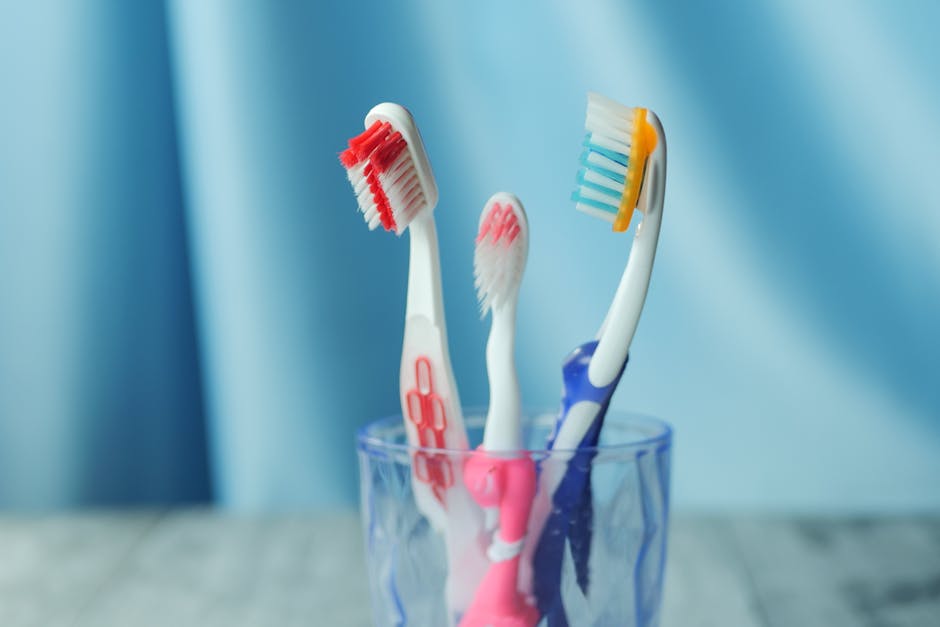
Oral hygiene should begin long before the first tooth appears. Early habits help children adapt to brushing naturally as they grow.
Cleaning a Baby’s Gums Before the First Teeth Appear
Parents can gently clean a baby’s gums using a soft, damp cloth or silicone finger brush after feeding. This removes bacteria and prepares the mouth for future teeth.
When Parents Should Start Brushing Baby First Teeth
As soon as the first tooth appears, brushing should begin twice daily using a soft infant toothbrush and a tiny amount of fluoride toothpaste.
Safe Toothpaste Options for Babies and Toddlers
Use fluoride toothpaste in very small amounts for toddlers. Always supervise brushing to ensure proper use and avoid swallowing excess toothpaste.
How Teething Care Connects to Oral Hygiene
Teething can cause discomfort, making oral care more challenging. Gentle gum cleaning and safe silicone tools help soothe irritation while maintaining hygiene.
When Children Should Visit Pediatric Dentistry Providers
Children should have their first dental visit around the time their first tooth appears or by age one. Early visits help identify potential issues early and build comfort with dental care.
Building an Easy Oral Hygiene Routine for Busy Families

Consistency is the key to successful oral hygiene. Families benefit from simple, repeatable routines that fit into morning and evening schedules.
Sample Morning Routine for Adults and Kids
A simple morning routine includes brushing, tongue cleaning, and a quick rinse. For children, supervision ensures proper technique and habit formation.
Simple Bedtime Oral Care Checklist
Nighttime routines should include flossing, brushing, tongue cleaning, and hydration. This is the most important part of daily oral hygiene.
Travel-Friendly Oral Hygiene Essentials
Portable toothbrushes, compact floss, and travel containers make it easy to maintain oral hygiene routines while on the go. Families often combine these with items from the Feeding Tools collection when managing meals and hygiene during travel.
How to Encourage Toddlers to Brush Their Teeth
Making brushing fun through songs, colorful toothbrushes, and consistent routines helps toddlers develop lifelong habits. Positive reinforcement is more effective than pressure.
Best Oral Hygiene Products by Age and Stage
Choosing age-appropriate tools makes oral hygiene safer and more effective. Each stage of development requires different levels of support and supervision.
Recommended Toothbrush Types for Adults
Adults benefit most from soft-bristle manual or electric toothbrushes that protect enamel while ensuring deep cleaning of plaque and gum lines.
Silicone Infant Toothbrush Options for Babies
For infants, soft silicone toothbrushes provide gentle cleaning without damaging sensitive gums. These tools are especially useful during early teething stages.
Teething-Friendly Oral Care Tools
Teething tools help soothe gum discomfort while introducing early oral hygiene habits. One effective example is the Infant Silicone Teeth Toothbrush Set, which is designed for gentle cleaning and gum massage.

This type of tool helps parents introduce oral hygiene early in a safe and comfortable way while supporting gum health during teething stages.
When Electric Toothbrushes May Help
Electric toothbrushes can improve plaque removal for adults and older children who already have strong brushing habits. However, technique and consistency remain more important than device choice.
Oral Hygiene Routine by Age Group
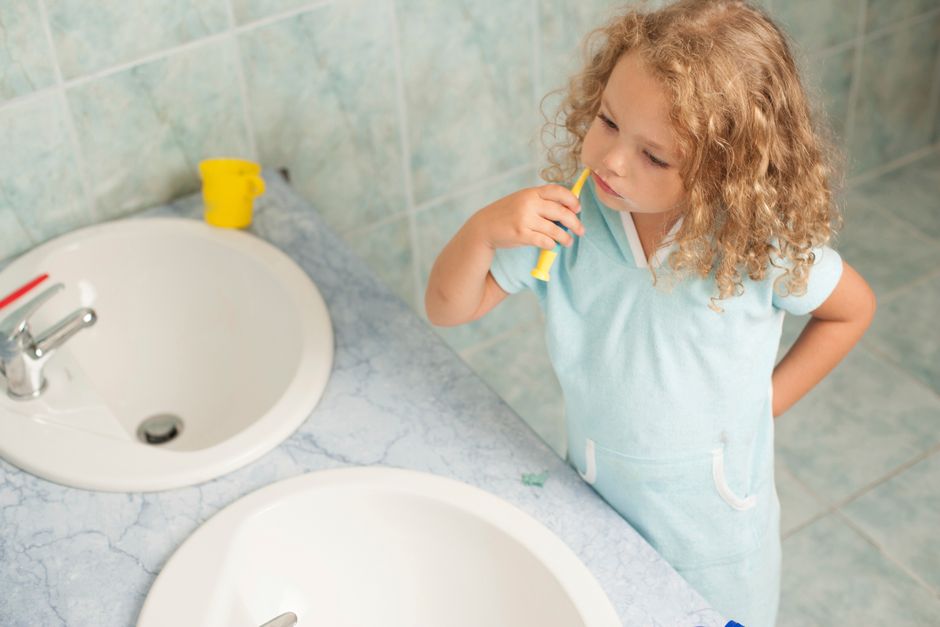
Different life stages require different oral care approaches. A structured routine ensures proper development and long-term dental health.
Oral Hygiene for Infants Under 12 Months
Infants require gentle gum cleaning and early exposure to oral care tools. Even before teeth appear, cleaning helps reduce bacteria buildup.
Oral Hygiene for Toddlers Ages 1 to 3
Toddlers need supervised brushing and simple routines. Parents should guide brushing until children develop coordination skills.
Oral Hygiene for Teens and Adults
Teens and adults require consistent brushing, flossing, and preventive dental visits to maintain long-term oral health and prevent gum disease.
Oral Hygiene Tips for Sensitive Teeth and Gums
People with sensitivity should use soft brushes, gentle toothpaste formulas, and avoid overly aggressive brushing techniques.
How Preventive Oral Care Supports Long-Term Dental Health
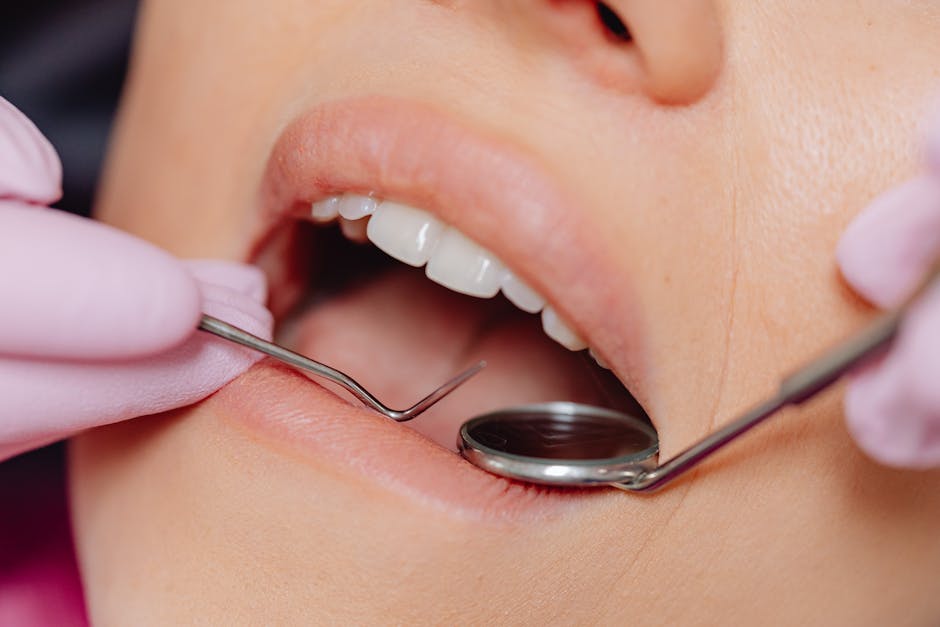
Preventive care is the most effective way to maintain lifelong oral health. It reduces the need for invasive dental procedures and supports overall wellness.
Professional Cleanings and Dental Checkups
Regular dental visits complement at-home routines by removing tartar buildup and identifying early signs of oral health issues.
Nutrition Habits That Support Healthy Teeth
A balanced diet low in sugar and high in nutrients like calcium and vitamin D supports strong enamel and healthy gums.
Creating Lifelong Oral Hygiene Habits for Children
Children who develop strong oral hygiene habits early are more likely to maintain them throughout adulthood, reducing future dental complications.
Family Oral Care Routine Checklist
Building a structured daily routine helps families stay consistent with oral care practices.
- Brush twice daily using proper technique
- Floss once daily for adults and supervised flossing for children
- Clean tongue regularly
- Limit sugary snacks between meals
- Schedule regular dental checkups
Families can also explore more structured guidance in the Baby Care Tips & Advice collection and Health & Safety collection for broader wellness routines that support oral hygiene development.
Frequently Asked Questions (FAQ)
What is the correct order for a proper oral hygiene routine?
Floss first, then brush, clean the tongue, and finish with rinsing or mouthwash if needed.
How often should adults brush and floss their teeth each day?
Adults should brush twice daily and floss once daily for optimal oral health.
When should parents start brushing a baby’s first teeth?
As soon as the first tooth appears, usually around 6 months of age.
What toothpaste is safe for babies with first teeth?
Fluoride toothpaste in very small amounts is recommended, under parental supervision.
What are the most common oral hygiene mistakes to avoid?
Brushing too hard, skipping flossing, and not replacing toothbrushes regularly are common mistakes.
Is fluoride toothpaste safe for toddlers?
Yes, when used in small amounts and under supervision.
How long should adults brush their teeth?
At least two minutes per brushing session.
Do babies need tongue cleaning?
Yes, gentle tongue cleaning helps reduce bacteria and improve oral hygiene.
What is the best toothbrush for sensitive gums?
Soft-bristle toothbrushes are recommended for sensitive gums.
How often should toothbrushes be replaced?
Every 2–3 months or sooner if bristles are worn.
Can teething affect oral hygiene habits?
Yes, teething may make brushing uncomfortable, but gentle tools can help maintain hygiene.
When should children first visit a dentist?
By age one or when the first tooth appears.
Final Thoughts on Building a Proper Oral Hygiene Routine
A proper oral hygiene routine is a lifelong investment in health, comfort, and confidence. From infants experiencing their first tooth to adults maintaining enamel strength, consistent daily care builds the foundation for strong teeth and healthy gums. Simple habits practiced every day reduce dental problems, support better nutrition, and create long-term wellness for the entire family.
For families looking to build stronger daily habits, exploring structured resources like the Baby Care Essentials collection and Feeding & Nursing Tips collection can help integrate oral hygiene into a complete child care routine.





