

Sensory Development for Infants: A Month-by-Month Roadmap for Smarter Play
Many parents worry they’re either not doing enough—or doing too much—when it comes to stimulating their baby’s development. A fussy newborn, a bored 6-month-old, or an overstimulated infant can leave you wondering: what actually helps? This guide simplifies everything into a clear, month-by-month roadmap so you can confidently support your baby’s sensory development using everyday activities, simple routines, and the right toys at the right time.
What Is Sensory Development in Infants?

Sensory development refers to how babies learn to process and respond to information from their senses. This includes not only the traditional five senses but also internal systems that help with movement and body awareness. During the first year of life, the brain forms millions of neural connections based on sensory experiences—making this stage critical.
The 7 Key Sensory Systems Explained
- Tactile (Touch): Feeling textures, temperature, and pressure
- Visual (Sight): Tracking objects, recognizing faces
- Auditory (Hearing): Responding to voices and sounds
- Gustatory (Taste): Exploring flavors
- Olfactory (Smell): Recognizing scents
- Vestibular: Balance and movement
- Proprioceptive: Body awareness and coordination
Why Sensory Stimulation Matters for Baby Brain Development
Every time your baby touches a new texture, hears your voice, or tracks a moving object, their brain is building pathways that support learning, coordination, and emotional regulation. Simple activities—like tummy time or gentle rocking—can have a lasting impact on cognitive growth.
Infant Sensory Development Stages (0–12 Months Overview)

Understanding how sensory skills evolve helps you provide the right stimulation at the right time—without overwhelming your baby.
Quick Milestone Timeline by Age
| Age | Key Sensory Skills | Focus Activities |
| 0–3 months | Visual tracking, sound recognition | Face interaction, soft sounds |
| 3–6 months | Grasping, texture exploration | Tummy time, tactile play |
| 6–9 months | Object exploration, coordination | Stacking, water play |
| 9–12 months | Problem-solving, mobility | Hide-and-seek, container play |
0–3 Months: Building Awareness Through Gentle Sensory Input

At this stage, babies are just beginning to process the world around them. Gentle, consistent stimulation is key.
Key Milestones: Visual Tracking & Auditory Recognition
Newborns can focus best on high-contrast objects and are highly responsive to familiar voices. Your face is their favorite “toy.”
Best Sensory Activities for Newborns
- Face-to-face interaction
- Soft singing or talking
- Skin-to-skin contact
- Gentle rocking motions
Best Toys for 0–3 Months (Development-to-Toy Matching)
Simple, calming toys work best. For example, a soft plush toy can provide both comfort and tactile stimulation.
Montessori Baby Toys Plush Animal – Soft Sensory Comfort

This type of toy supports early sensory development by offering gentle textures and a calming presence—ideal for avoiding overstimulation.
For more beginner-friendly tools, explore our sensory toys collection designed for early development stages.
3–6 Months: Exploring Texture, Movement & Sound

Your baby becomes more active and curious during this phase, reaching, grasping, and exploring textures.
Key Milestones: Grasping, Rolling & Sound Response
Babies begin to intentionally grab objects and respond to different sounds with excitement.
Sensory Play Activities for This Stage
- Tummy time with textured mats
- Grasping soft toys
- Listening to varied sounds
- Rolling games
Best Sensory Toys for 3–6 Months
Look for toys that combine texture and movement. Items from the baby growth & learning collection are especially useful here.
Parents often pair these with items from the massage & relaxation collection to create calming sensory routines.
6–9 Months: Strengthening Coordination & Curiosity
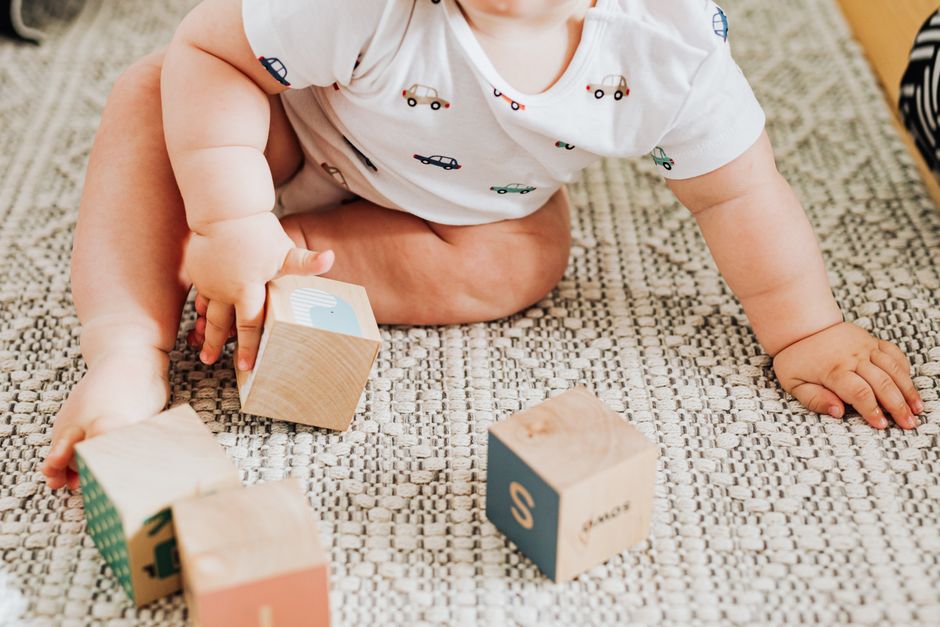
This is a highly interactive stage where babies explore everything with their hands—and mouths.
Key Milestones: Sitting, Reaching & Object Exploration
Babies develop better hand-eye coordination and begin understanding cause and effect.
Sensory Activities to Boost Fine & Gross Motor Skills
- Stacking objects
- Water play
- Banging toys together
- Exploring textures
Best Toys for 6–9 Months
Multi-texture toys are ideal at this stage:
Textured Baby Sensory Balls – Soft Tactile Development Set

These help babies explore different textures while strengthening grip and coordination.
You can find more developmental tools in our baby care essentials collection.
9–12 Months: Problem Solving & Multi-Sensory Learning

Babies now combine multiple senses while exploring their environment and solving simple problems.
Key Milestones: Crawling, Standing & Object Permanence
Mobility unlocks new sensory experiences, while object permanence builds cognitive skills.
Advanced Sensory Play Ideas
- Hide-and-seek with toys
- Container filling and dumping
- Imitation games
Best Toys for 9–12 Months
Interactive toys that encourage problem-solving are ideal. Many parents explore options from the mobility & training collection for this stage.
Daily Sensory Routine Planner (Simple & Repeatable)

Morning, Afternoon & Evening Sensory Activities
- Morning: Visual play and tummy time
- Afternoon: Tactile exploration and movement
- Evening: Calming sensory activities like massage
Consistency matters more than complexity. Even 10–15 minutes of focused play per session can make a big difference.
How to Choose Age-Appropriate Sensory Toys

Safety Checklist for Infant Toys
- Non-toxic materials
- No small parts
- Durable construction
- Age-appropriate design
Montessori vs Traditional Sensory Toys
| Type | Focus | Best For |
| Montessori | Natural exploration | Independent learning |
| Traditional | Stimulation | Entertainment |
Explore curated options in our health & safety collection to ensure safe play.
Signs of Delayed Sensory Development in Infants (Red Flags Checklist)

- No response to sounds by 3 months
- Limited eye contact
- Extreme sensitivity to touch
- Delayed motor skills
When to Talk to a Pediatrician
If you notice consistent delays, consult a healthcare professional early. Early intervention can make a significant difference.
Common Sensory Play Mistakes Parents Make

- Overstimulating with too many toys
- Ignoring baby’s cues
- Using inappropriate toys for age
- Inconsistent routines
FAQ
How can I improve sensory development for infants at home?
Focus on simple daily interactions like talking, touching, and movement-based play.
What are the best sensory activities for newborns and young babies?
Face tracking, soft sounds, and skin-to-skin contact are most effective.
How do I choose sensory toys for babies by age?
Match toys to developmental milestones—simple for newborns, interactive for older babies.
What are the signs of delayed sensory development in infants?
Watch for lack of responsiveness, poor coordination, or extreme sensitivities.
How often should I do sensory play activities with my baby?
Daily, in short sessions. Consistency matters more than duration.
Conclusion
Sensory development doesn’t require complicated tools or expensive setups. With consistent interaction, simple routines, and the right support at each stage, you can build a strong foundation for your baby’s growth. Explore more ideas and tools in our baby growth & learning tips to continue your journey.
Pillar Article: Sensory Development in Infants: Milestones, Activities & Toys Guide





