

Storage Guidelines Breast Milk: The Complete Pumping & Storage Handbook for Moms
For many new mothers, breastfeeding and pumping quickly become a balancing act of timing, storage safety, milk supply concerns, and constant decision-making. One day you hear breast milk can stay out for hours, the next you’re told it must be refrigerated immediately. These conflicting messages can create stress during an already demanding postpartum period.
This comprehensive handbook brings together medically aligned breast milk storage guidelines, real-world pumping workflows, and practical safety systems used by lactation professionals. Whether you are exclusively pumping, supplementing breastfeeding, or preparing for a return to work, this guide helps you confidently manage every step—from expression to storage to feeding.
You will also find structured storage charts, step-by-step workflows, troubleshooting solutions for low milk supply, and travel-friendly pumping strategies. Throughout the guide, we will naturally integrate practical tools and real-world pumping setups to help you build a safe, efficient routine.
Understanding Breast Milk Storage Safety Fundamentals
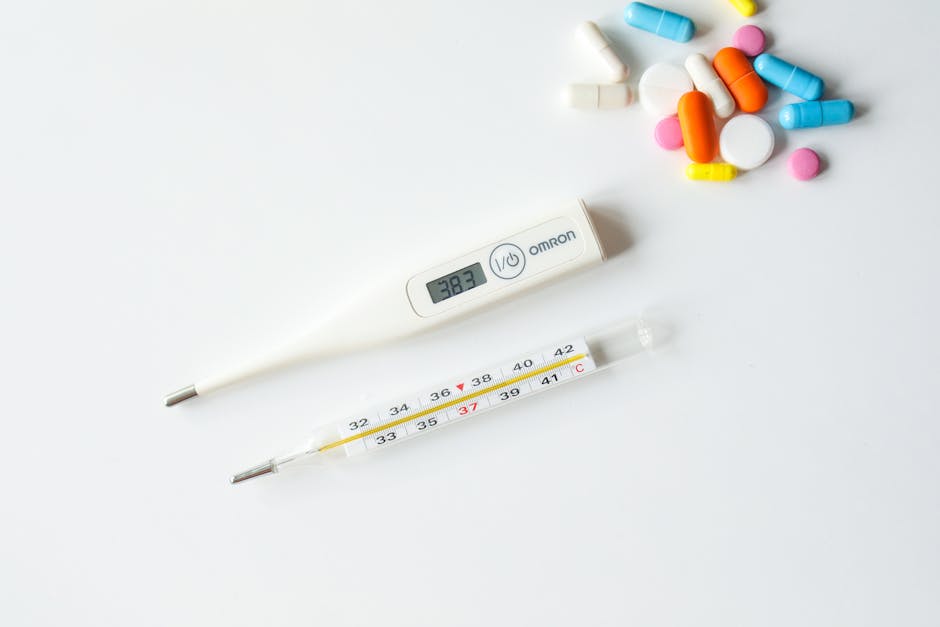
Breast milk is a living biological fluid containing antibodies, enzymes, fats, and living cells. Because of this, improper handling can lead to bacterial growth, nutrient degradation, and reduced protective properties. Storage guidelines exist to protect infants from contamination while preserving nutritional quality.
Why breast milk storage rules exist
Breast milk is highly sensitive to temperature changes. When left at room temperature too long, bacteria can multiply quickly. In refrigeration, enzymatic activity slows, preserving nutrients for days. Freezing further halts microbial growth but may slightly alter fat structure over time. These guidelines are based on extensive clinical research to ensure infant safety while maximizing milk usability.
Improper storage can lead to:
- Bacterial contamination causing digestive upset
- Loss of immunological properties
- Separation or breakdown of milk fats
- Wasted milk due to spoilage
Key safety principles every mother should know
The foundation of safe breast milk handling is consistency. Once you establish a system, storage becomes significantly easier and safer.
- Hygiene first: Always wash hands and ensure pump parts are clean before use.
- Temperature control: Store milk quickly after pumping.
- Label everything: Time and date matter for safe rotation.
- Use first-in-first-out: Older milk should always be used first.
For additional newborn care and hygiene strategies, explore our Health & Safety collection and Feeding & Nursing collection for structured feeding support tools.
CDC Breast Milk Storage Chart Explained (Easy Reference Guide)

Understanding storage timelines is essential for preventing milk waste and ensuring infant safety. The following breakdown simplifies standard clinical recommendations into practical daily use guidance.
Room temperature vs fridge vs freezer breakdown
| Storage Location | Safe Duration | Best Practice Notes |
| Room temperature (up to 25°C) | 4 hours | Keep in clean, covered container |
| Refrigerator (4°C) | 3–4 days | Store in back of fridge, not door |
| Freezer (-18°C) | 6 months optimal (up to 12 months acceptable) | Use airtight containers or storage bags |
How to interpret storage timelines safely
These timelines are not flexible averages—they are safety thresholds. When in doubt, always choose shorter storage durations. Power outages, travel, and partial thawing require special caution. Once milk is thawed, it should never be refrozen.
For deeper feeding systems and routine organization, explore our Mom Essentials and Feeding Tools collections.
“Breast milk storage safety is less about perfection and more about consistency. Small habits—like labeling and quick cooling—make the biggest difference in long-term milk quality.” — Certified Lactation Consultant (IBCLC)
Step-by-Step Breast Milk Storage Workflow After Pumping
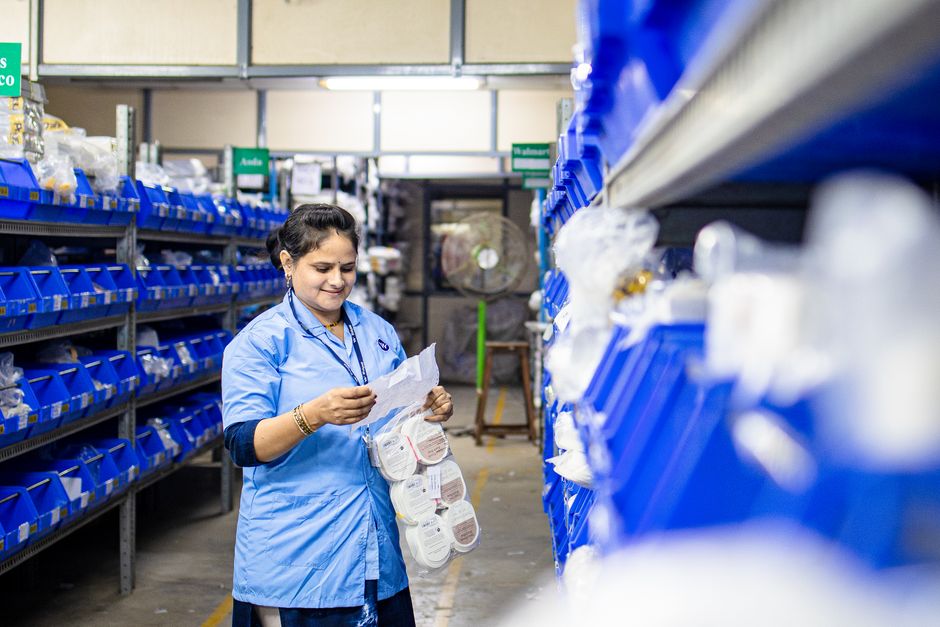
A structured pumping workflow reduces contamination risk and helps maintain supply stability. Below is a practical system used in real-life breastfeeding routines.
Immediate post-pumping handling
Right after pumping, milk should be transferred or stored within 1–2 hours. Leaving it exposed increases bacterial risk. If you are using a hands-free setup, this step becomes even more efficient because you can immediately move from pumping to storage without interruption.
Wearable Breast Pump – Hands-Free & Painless Milk Expression
This type of wearable system allows mothers to pump discreetly and transition directly into storage without breaking routine flow.

Labeling, portioning, and rotation system
Milk should always be labeled with date and time immediately after expression. Portioning into feeding-size amounts prevents waste and simplifies feeding routines. A rotation system ensures older milk is used first.
For organizing feeding routines and storage habits, explore our Baby Care Essentials and Breastfeeding Aids collections.
Choosing the Right Storage Containers: Bags vs Bottles

Storage containers directly impact milk preservation, freezer efficiency, and feeding convenience. Both bags and bottles serve important roles depending on usage scenarios.
| Feature | Storage Bags | Bottles |
| Space efficiency | High | Low |
| Freezing speed | Fast | Slow |
| Leak risk | Medium | Low |
| Reusable | No | Yes |
Pros and cons of storage bags
Storage bags are ideal for freezing large quantities and saving space. However, they must be sealed carefully to prevent leaks. They are commonly used for building long-term milk reserves.
When bottles are a better option
Bottles are ideal for daycare use or direct feeding scenarios. They are more durable and reusable, making them suitable for daily rotation systems.
For feeding system optimization, explore our Feeding & Nursing Tips and Bottle Warmers collections.
Temperature Control Rules: Room, Fridge, and Frozen Breast Milk Safety

Temperature stability is the most important factor in preserving breast milk quality. Even small fluctuations can affect nutrient stability and bacterial safety.
How long pumped milk lasts at each temperature
Room temperature milk must be used within hours, while refrigerated milk remains safe for several days. Frozen milk extends usability significantly but requires proper thawing procedures.
Safe thawing and refreezing rules
Never refreeze thawed milk. The safest thawing method is gradual refrigeration thawing or warm water bath. Microwave heating should always be avoided due to uneven heating and nutrient loss.
For broader safety systems and baby health resources, visit our Health & Safety collection and Health & Safety Tips blog.
Wearable and Portable Pump Optimization for Modern Mothers

Modern breastfeeding routines increasingly rely on mobility. Wearable and portable pumps allow mothers to maintain supply without interrupting work, travel, or daily responsibilities.
Hands-free pumping and storage synchronization
Hands-free pumping systems reduce friction between expression and storage. When milk is collected directly into containers, it minimizes transfer steps and reduces contamination risk.
Hands-Free Electric Breast Pump with Heating & UV Sterilizer
This advanced pump system integrates expression, sterilization, and warming support into one device, helping streamline storage workflows.

Best practices for portable breast pump for travel use
When traveling, always carry insulated storage bags, backup ice packs, and labeled containers. Pumping schedules should remain consistent even during travel to maintain supply stability.
Explore more mobility solutions in our Mobility & Training and Smart Baby Gadgets collections.
Milk Cooler Bags and Travel Storage Systems

Cold chain management is essential when transporting breast milk. Whether commuting to work or traveling long distances, temperature stability must be maintained at all times.
How long milk stays safe in a cooler bag
High-quality cooler bags can keep breast milk safe for several hours when paired with ice packs. However, exposure to heat significantly reduces safe duration.
Airport and workplace storage strategies
In workplace environments, designate a private fridge space or insulated cooler system. For air travel, always keep milk in carry-on luggage and follow airline regulations for liquid transport.
For more travel-ready solutions, explore our Mom Essentials collection.
Cleaning and Breast Pump Sanitizing Best Practices

Proper cleaning prevents bacterial buildup and ensures long-term pump safety. Pump parts should be washed immediately after each use with warm soapy water and air-dried on a clean surface.
How often should you clean breast pump parts properly?
At minimum, pump parts should be cleaned after every pumping session. Sterilization is recommended periodically, especially for newborn feeding stages or after illness.
For hygiene tools and sterilization systems, visit our Sterilization Devices and Health & Safety collections.
Milk Supply Regulation and Pumping Frequency Strategy

Milk supply is directly influenced by pumping frequency and consistency. The more regularly milk is removed, the more the body signals production.
Exclusive pumping schedule basics
Exclusive pumping typically requires sessions every 2–3 hours in early stages. Night pumping also plays a role in maintaining hormonal balance for milk production.
Can low milk supply improve with more frequent pumping?
Yes, in many cases increasing pumping frequency can help stimulate supply. However, consistency and proper hydration are equally important factors.
For more guidance, explore our Mom Essentials Guide and Feeding & Nursing Tips.
Common Breast Milk Storage Mistakes (and How to Avoid Them)

Even small mistakes can lead to wasted milk or reduced quality. Understanding these common errors helps improve safety and efficiency.
- Overfilling storage bags: Milk expands when frozen, so leave space to prevent leaks.
- Improper thawing: Avoid microwave heating or room temperature thawing for long periods.
- Not labeling milk: Without dates, rotation becomes impossible and waste increases.
- Mixing warm and cold milk: Always cool freshly pumped milk before combining.
For deeper troubleshooting and baby care insights, explore our Baby Care Tips & Advice collection.
Printable Breast Milk Storage Checklist (Quick Reference System)
A simple daily checklist improves consistency and reduces mistakes:
- Wash hands before pumping
- Clean and sanitize pump parts
- Label milk immediately after pumping
- Cool milk quickly before storage
- Follow FIFO (first in, first out) system
- Check fridge/freezer temperature regularly
- Inspect stored milk before feeding
Frequently Asked Questions (FAQ)
How long does pumped breast milk last in the fridge?
Pumped breast milk typically lasts 3–4 days in a refrigerator at safe temperature (around 4°C), provided it is stored in a clean, sealed container.
What are the safest storage guidelines for breast milk after pumping?
Safe storage includes immediate cooling, proper labeling, and maintaining correct temperature ranges for room, fridge, or freezer storage.
How do you store pumped breast milk safely while traveling?
Use insulated cooler bags with ice packs and ensure milk remains at a stable low temperature throughout transport.
How often should you clean breast pump parts properly?
Breast pump parts should be cleaned after every use and sterilized regularly, especially for newborn feeding stages.
Can low milk supply improve with more frequent pumping?
Yes, increasing pumping frequency can stimulate production, but hydration, nutrition, and rest also play important roles.
Conclusion
Safe breast milk storage is built on consistency, hygiene, and simple repeatable systems. Once you establish a structured pumping routine, manage temperature correctly, and use reliable storage methods, milk handling becomes significantly easier and less stressful.
Modern tools such as wearable pumps and hands-free systems can further streamline the process, especially for working or traveling mothers. With the right knowledge and workflow, you can confidently maintain milk quality while supporting healthy feeding routines for your baby.
Explore more feeding and care solutions in our Feeding & Nursing collection and build a routine that fits your lifestyle with confidence.
Pillar Article: Breastfeeding Tips for First Time Mothers: Pumping, Supply & Storage Guide





