

Teething Symptoms in Infants: Signs by Age, Timeline & Safe Relief
Teething is one of the most important developmental milestones during infancy, but it can also be one of the most confusing for new parents. Some babies sail through teething with barely any discomfort, while others experience drooling, gum irritation, disrupted sleep, fussiness, and strong chewing urges for weeks before a tooth finally appears. Because symptoms vary so much between infants, many parents struggle to determine whether their baby is teething normally or showing signs of illness.
Most babies begin teething between 4 and 7 months of age, although some may start earlier or later. Understanding what symptoms are considered typical can help parents respond calmly and safely while avoiding unnecessary worry. This guide explains the full infant teething timeline, common symptoms by age, safe relief methods, oral care routines, and pediatric warning signs that should not be ignored.
Parents looking for developmental guidance can also explore the Baby Growth & Learning collection for sensory and developmental tools designed to support early infant milestones.
What Is Teething in Infants?
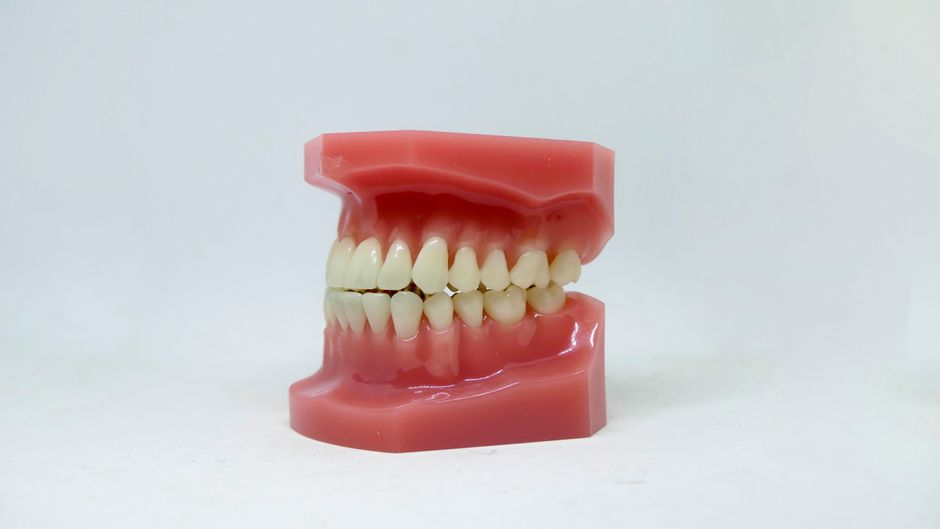
Teething refers to the process of primary teeth pushing through the gums during infancy and toddlerhood. These first teeth are commonly called baby teeth, milk teeth, or primary teeth. Although teething is completely normal, the pressure and inflammation created during tooth eruption can cause temporary discomfort.
What Happens During Primary Teeth Eruption
As a tooth moves upward beneath the gumline, the surrounding gum tissue becomes swollen and sensitive. This irritation stimulates babies to chew on fingers, toys, blankets, and other objects to relieve pressure. Increased saliva production often accompanies this stage, which is why drooling is one of the earliest and most recognizable teething symptoms.
The eruption process can also temporarily disrupt sleep, feeding routines, and emotional regulation. Some infants become clingier or more irritable because the discomfort intensifies when lying down at night.
How Many Baby Teeth Do Infants Develop?
Children eventually develop 20 primary teeth. These include:
- 8 incisors
- 4 canines
- 8 molars
Most children complete primary tooth eruption by age 2 to 3 years. Teeth generally erupt in pairs and follow a predictable sequence, although exact timing varies between children.
| Tooth Type | Average Eruption Age |
| Lower central incisors | 6-10 months |
| Upper central incisors | 8-12 months |
| Lateral incisors | 9-16 months |
| First molars | 13-19 months |
| Canines | 16-23 months |
| Second molars | 23-33 months |
Why Teething Symptoms Vary Between Babies
No two infants experience teething the same way. Genetics, pain sensitivity, developmental pace, sleep temperament, and gum thickness may all influence symptoms. Some babies become extremely fussy during molar eruption, while others show only mild drooling.
Environmental factors also matter. Babies who already enjoy oral exploration may chew constantly even before true teething begins. This can sometimes confuse parents into thinking teeth are erupting earlier than they actually are.
Many parents also browse the Baby Care Tips & Advice section for stage-by-stage parenting guidance during infancy and early toddlerhood.
When Do Babies Start Teething?

The average baby begins teething around 6 months old, although healthy teething patterns can begin several months earlier or later.
Average Infant Teething Timeline
The following timeline reflects common developmental averages:
| Age | Common Teething Activity |
| 0-3 months | Oral exploration and hand chewing begin |
| 4-6 months | Early drooling and gum sensitivity |
| 6-9 months | First lower teeth usually erupt |
| 9-12 months | Upper incisors commonly appear |
| 12-18 months | Molars begin erupting |
| 18-24 months | Canines and additional molars emerge |
Can Teething Start at 3 Months Old?
Yes, some babies begin showing early teething signs around 3 months old. However, hand chewing and drooling at this age do not always mean teeth are about to erupt immediately. Babies naturally explore their environment orally as sensory awareness develops.
True early teething usually includes several symptoms together, such as:
- Persistent chewing
- Swollen gums
- Increased irritability
- Changes in sleep
- Visible white bumps beneath gums
Typical Order of Baby Teeth Eruption
Teeth usually erupt from front to back. Lower central incisors almost always appear first, followed by upper front teeth. Molars generally arrive later and may create stronger discomfort because they are larger.
Typical order:
- Lower front teeth
- Upper front teeth
- Side incisors
- First molars
- Canines
- Second molars
Late Teething: When Parents Should Ask a Pediatric Dentist
Some babies do not develop visible teeth until after 12 months, and this can still be normal. Genetics often influence timing significantly.
Parents should consider consulting a pediatric dentist if:
- No teeth appear by 18 months
- The baby shows feeding difficulties
- Teeth appear discolored or malformed
- There are concerns about jaw growth or development
Routine oral health guidance can also be found in the Health & Safety collection and educational resources focused on infant wellness.
Common Teething Symptoms in Infants

Teething symptoms typically appear several days before a tooth erupts and may continue briefly afterward. Symptoms are usually mild to moderate rather than severe.
Drooling in Infants
Excessive drooling is one of the earliest teething signs. Saliva production increases as gums become irritated. Constant moisture around the mouth can sometimes lead to mild skin irritation or drool rash.
Parents can help prevent irritation by:
- Gently patting skin dry
- Using soft absorbent bibs
- Applying pediatrician-approved barrier creams if needed
Baby Gum Inflammation and Swollen Gums
Inflamed gums may look red, shiny, or slightly swollen. Some parents notice small white ridges beneath the gumline shortly before teeth erupt.
Babies often resist touching sensitive gums during feeding or brushing. Gentle gum massage with a clean finger may temporarily reduce discomfort.
Baby Chewing Behavior and Increased Biting
Chewing creates counter-pressure that relieves gum discomfort. Babies may bite toys, fingers, crib rails, fabrics, or caregivers during feeding.
Safe chewing tools are important because infants frequently place random household objects in their mouths during this stage.
Sleep Changes During Teething
Many babies experience temporary sleep disruption during active teething periods. Discomfort may feel stronger at night because fewer distractions exist and blood flow increases when lying down.
Common nighttime changes include:
- Frequent waking
- Difficulty settling
- Shorter naps
- Increased need for comfort
Fussiness, Crying, and Appetite Changes
Gum tenderness can make sucking and chewing uncomfortable. Some babies temporarily reduce milk intake or refuse textured foods while teeth are erupting.
Cold purees, chilled washcloths, and softer foods may help older infants during difficult teething phases.
Mild Temperature Elevation vs True Fever
Teething may cause a slight increase in body temperature, but it should not produce a true high fever. Pediatric experts generally do not consider temperatures above 100.4°F (38°C) to be normal teething symptoms.
If a baby develops high fever, vomiting, severe diarrhea, lethargy, breathing difficulty, or persistent illness symptoms, parents should contact a healthcare provider rather than assuming teething is responsible.
Teething Symptoms by Age: 0-24 Month Timeline

Teething symptoms evolve as babies grow. Understanding what is developmentally typical at each age helps parents distinguish normal oral exploration from active tooth eruption.
0-3 Months: Early Oral Exploration vs Teething
At this stage, babies naturally discover their hands and mouths. Drooling increases as salivary glands mature, but actual tooth eruption remains uncommon.
Most chewing behaviors during this phase are linked to sensory exploration rather than active teething.
4-6 Months: First Teething Symptoms Begin
This is the most common stage for early teething symptoms. Babies may become fussier, drool heavily, chew constantly, and develop swollen gums.
Parents often introduce safe textured chewing tools during this stage to support oral comfort and sensory development.
A lightweight sensory teether can help babies practice grasping while relieving gum pressure. The first mention of Baby Sensory Rattle Teether – Fun & Safe Development Toy works well for infants developing hand-eye coordination alongside early teething behaviors.

6-9 Months: Lower Front Teeth Eruption
This stage commonly includes visible tooth eruption. Babies may show increased nighttime fussiness and stronger biting behaviors.
Many parents also introduce developmental toys from the Sensory Toys collection to support tactile exploration during active teething periods.
9-12 Months: Increased Biting and Chewing
As upper teeth emerge, babies often chew more aggressively on toys and feeding utensils. Oral exploration supports both sensory learning and self-soothing.
Some infants temporarily prefer cold foods or chilled teethers during this phase.
12-18 Months: Molars and Stronger Discomfort
Molars are larger than front teeth, which means they may create more gum pressure during eruption. Sleep disruption and irritability may briefly intensify.
Babies at this age benefit from consistent bedtime routines and soothing techniques focused on comfort rather than overstimulation.
18-24 Months: Final Primary Teeth Eruption
By this stage, most primary teeth are emerging or already visible. Parents should transition toward more structured oral hygiene routines and schedule regular pediatric dental visits.
Many families begin exploring toddler wellness products through the Baby Care Essentials collection as oral hygiene and developmental routines become more established.
Teething Symptoms vs Illness: How Parents Can Tell the Difference

One of the most common parenting concerns is determining whether symptoms are caused by teething or illness.
Symptoms Usually Linked to Teething
- Drooling
- Mild gum swelling
- Chewing behavior
- Mild irritability
- Temporary sleep disruption
- Decreased appetite
- Mild temperature elevation
Symptoms That Are Not Typically Caused by Teething
Teething should not cause severe illness symptoms.
Parents should seek medical advice if infants experience:
- High fever
- Vomiting
- Persistent diarrhea
- Severe coughing
- Breathing difficulties
- Extreme lethargy
- Rash unrelated to drooling
When to Call a Pediatrician
Parents should contact a pediatrician if symptoms seem unusually severe, prolonged, or inconsistent with normal teething patterns.
Medical evaluation is especially important for infants younger than 3 months who develop fever or significant behavioral changes.
Quick Comparison Table: Teething vs Illness
| Symptom | Common in Teething | More Suggestive of Illness |
| Drooling | Yes | Rarely primary symptom |
| Chewing | Yes | Usually absent |
| Mild fussiness | Yes | Possible |
| High fever | No | Yes |
| Vomiting | No | Yes |
| Persistent diarrhea | No | Yes |
| Swollen gums | Yes | Rarely |
| Severe lethargy | No | Yes |
Safe Ways to Relieve Teething Discomfort

Most teething discomfort can be managed safely at home using gentle soothing strategies.
Cold Teething Relief Methods That Are Safe for Infants
Cool temperatures help reduce gum inflammation temporarily.
Safe cold-relief options include:
- Chilled washcloths
- Refrigerated silicone teethers
- Cold purees for older infants
- Cool spoons during supervised feeding
Parents should avoid frozen objects because extreme cold may damage sensitive gum tissue.
Silicone Teething Toys by Developmental Stage
Soft silicone teethers are popular because they are durable, washable, and gentle on infant gums. Different shapes and textures support various developmental stages.
Newer infants often prefer lightweight easy-grip designs, while older babies may enjoy thicker textured surfaces for stronger chewing pressure.
Teether Rings and Sensory Teether Rattles
Teether rings combine oral soothing with fine motor development. Rattles also encourage sensory engagement through sound and texture exploration.
Parents frequently combine teething support with developmental play items found in the Baby Growth & Learning collection.
Gentle Gum Massage Techniques
Clean fingers or damp cloths can gently massage irritated gums. Light circular motions may help relieve pressure before naps or feeding sessions.
Always wash hands thoroughly before performing gum massage.
Safe Infant Pain Relief Methods
If discomfort becomes significant, pediatricians may recommend infant-safe pain relief medications appropriate for the baby's age and weight.
Parents should:
- Follow pediatric dosing instructions carefully
- Avoid overmedicating
- Never use adult medications
- Consult a healthcare provider before first use
Teething Remedies Parents Should Avoid
Some teething remedies are considered unsafe.
Avoid:
- Amber teething necklaces
- Topical numbing gels containing benzocaine
- Frozen hard objects
- Unsafe choking hazards
- Honey for infants under 12 months
Parents researching infant wellness and oral safety can also browse the Health & Safety collection for additional baby-safe care essentials.
How to Start a Baby Oral Care Routine During Teething

Oral hygiene should begin before the first tooth erupts. Early routines help reduce bacteria buildup and familiarize babies with mouth cleaning.
Cleaning Baby Gums Before Teeth Appear
Parents can gently wipe gums using:
- Soft damp cloths
- Infant gum wipes
- Silicone finger brushes
Cleaning after feedings may reduce milk residue and establish healthy oral habits.
How to Brush an Infant's First Teeth
Once teeth appear, use a soft infant toothbrush twice daily.
Current pediatric recommendations generally include:
- Rice-sized fluoride toothpaste amount
- Gentle circular brushing motions
- Brushing after the last nighttime feeding
Choosing Safe Infant Oral Care Products
Parents should prioritize:
- BPA-free materials
- Easy-to-clean surfaces
- Age-appropriate designs
- Soft silicone textures
- Safe grip sizes
For babies developing stronger grasping skills, an ergonomic chewing tool such as the Baby Silicone Teether Ring – BPA-Free Comfort & Fun can support both oral soothing and fine motor development.

Parents often pair oral care routines with hygiene support products from the Baby Hygiene Gadgets collection.
When Babies Should Visit a Pediatric Dentist
The American Academy of Pediatric Dentistry generally recommends scheduling a first dental visit by age 1 or within six months after the first tooth erupts.
Early visits help:
- Monitor oral development
- Identify feeding-related concerns
- Prevent early childhood cavities
- Educate parents about oral hygiene
Teething Myths vs Facts
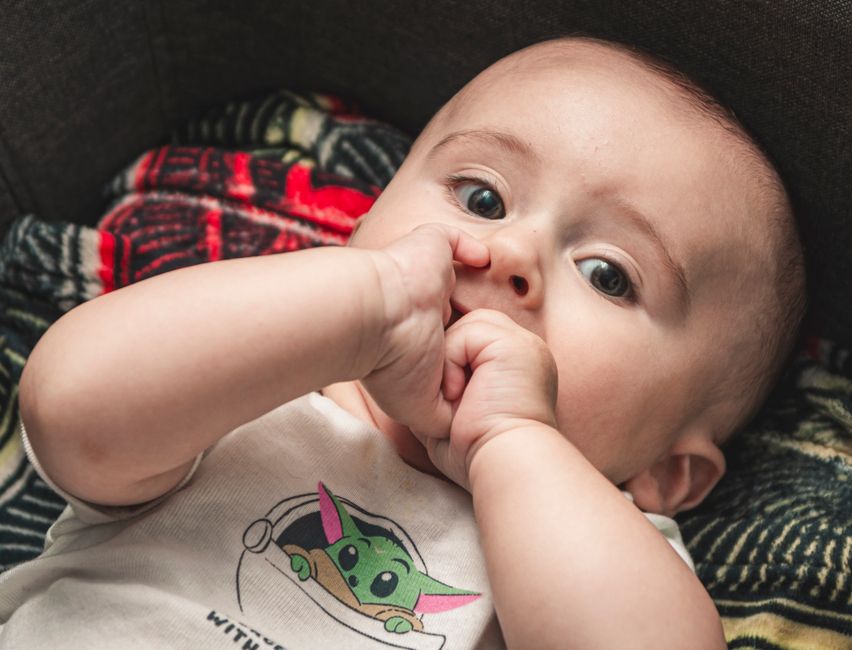
Many misconceptions about teething continue circulating online and among caregivers. Understanding evidence-based pediatric guidance helps parents respond more confidently.
Does Teething Cause High Fever?
No. Teething may cause slight temperature elevations, but true high fever is not considered a normal teething symptom.
Do All Babies Experience Painful Teething?
No. Some babies experience minimal discomfort while others become temporarily irritable or restless. Symptom severity varies widely.
Are Amber Teething Necklaces Safe?
No. Pediatric experts warn against amber teething necklaces because they pose choking and strangulation hazards.
Does Drooling Always Mean Teething?
Not always. Drooling commonly increases around 2 to 4 months because salivary glands become more active. It may occur even before actual tooth eruption begins.
Best Teething Products for Different Infant Stages

Different teething stages may benefit from different toy textures, shapes, and grip styles.
Best Soft Silicone Teethers for 3-6 Months
During early teething, babies benefit from lightweight soft silicone designs that are easy to grasp and gentle on sensitive gums.
Parents frequently explore beginner-friendly oral soothing tools alongside developmental products in the Baby Care Essentials collection.
Best Sensory Teether Toys for 6-12 Months
As babies become more curious and coordinated, textured sensory toys support both chewing relief and developmental exploration.
Multi-sensory rattles encourage auditory stimulation, tactile learning, and fine motor practice during active teething months.
Best Ergonomic Teether Rings for Older Infants
Older infants often prefer thicker teething rings they can grip firmly during molar eruption phases.
Ergonomic designs help support stronger grasping abilities while distributing chewing pressure across multiple gum areas.
What Parents Should Look for in Safe Teething Toys
Parents should prioritize:
- BPA-free materials
- Easy cleaning
- Durable silicone construction
- Appropriate size for infant hands
- No detachable choking hazards
- Age-appropriate safety certifications
Pediatrician-Approved Tips for Managing Difficult Teething Periods
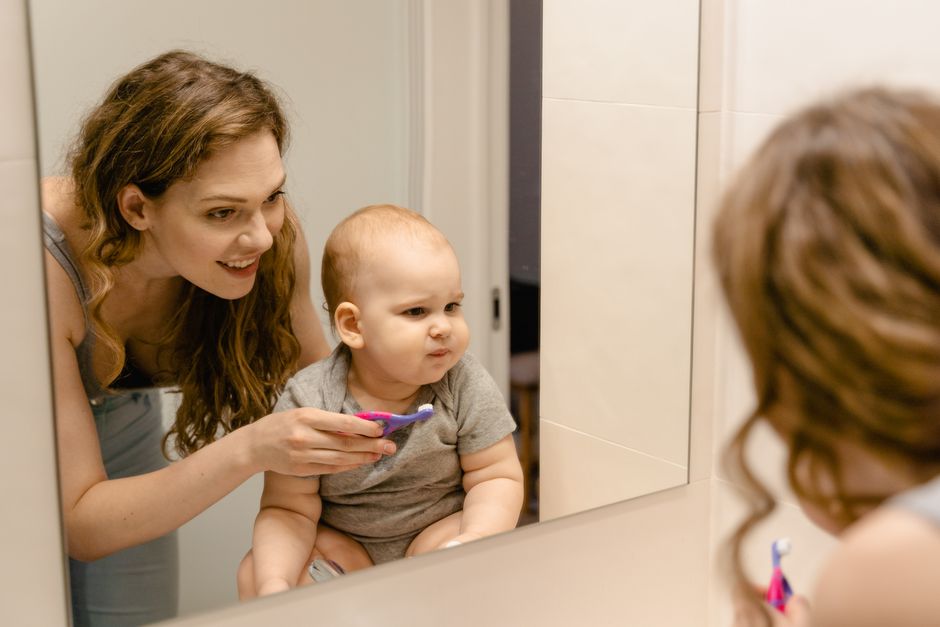
Some teething stages are more challenging than others, especially during molar eruption or sleep regressions. Consistent comfort strategies can help infants feel more secure.
How to Comfort a Teething Baby at Night
Helpful nighttime strategies include:
- Maintaining consistent bedtime routines
- Using cool washcloths before sleep
- Providing extra comfort and reassurance
- Reducing overstimulation before bedtime
Many families also incorporate calming bedtime routines using products from the Sleep & Comfort collection.
Feeding Tips for Teething Infants
Older infants may prefer softer or cooler foods during active teething phases.
Helpful options may include:
- Cold yogurt
- Chilled fruit purees
- Soft vegetables
- Cold spoons
- Frequent hydration
Parents navigating feeding transitions can also explore the Feeding Tools collection for practical infant mealtime support.
Supporting Infant Development During Teething
Teething overlaps with major developmental milestones involving motor skills, sensory exploration, emotional attachment, and oral learning.
Safe sensory toys, supervised exploration, responsive caregiving, and healthy oral routines all contribute positively to infant development during this stage.
"Most teething symptoms are temporary and manageable with supportive care, safe chewing tools, and consistent oral hygiene habits. Severe symptoms or high fever should always be evaluated separately from teething."
Frequently Asked Questions
When do babies start teething and what are the first signs?
Most babies begin teething between 4 and 7 months. Early signs commonly include drooling, chewing behavior, swollen gums, and mild fussiness.
Can teething start at 3 months old?
Yes. Some infants show early teething symptoms around 3 months, although many chewing behaviors at this age are also linked to normal sensory development.
What are common teething symptoms in infants?
Common symptoms include drooling, gum swelling, chewing, irritability, disrupted sleep, mild appetite changes, and temporary fussiness.
How can parents tell the difference between teething and illness?
Teething usually causes mild symptoms only. High fever, vomiting, breathing problems, and severe lethargy are more likely signs of illness.
What are safe ways to relieve teething discomfort in babies?
Safe relief methods include chilled washcloths, refrigerated silicone teethers, gentle gum massage, and pediatrician-approved pain relief when necessary.
How long do teething symptoms usually last?
Symptoms often appear several days before tooth eruption and improve shortly afterward, although some babies experience intermittent discomfort for longer periods.
Can teething cause sleep problems in infants?
Yes. Gum discomfort may temporarily disrupt sleep, especially during nighttime hours.
What teeth come in first for babies?
The lower front teeth, called lower central incisors, usually erupt first.
Should parents use teething gels for infants?
Many pediatric experts advise avoiding numbing gels containing benzocaine because of potential safety concerns.
When should a baby first visit a pediatric dentist?
Babies should generally visit a pediatric dentist by age 1 or within six months after the first tooth appears.
Conclusion
Teething is a completely normal part of infant development, but symptoms can vary widely from one baby to another. Understanding typical teething timelines, recognizing safe versus concerning symptoms, and using evidence-based soothing methods can help parents navigate this stage with greater confidence.
Most teething discomfort can be managed safely through gentle gum care, chilled teething tools, responsive comfort, and consistent oral hygiene routines. Equally important is knowing when symptoms suggest illness rather than teething, especially when fever or severe behavioral changes occur.
Parents interested in supporting healthy infant development, oral care, feeding routines, and sensory exploration can continue browsing the Baby Growth & Learning Tips and Health & Safety Tips resources for additional pediatric-focused guidance.
Pillar Article: Teething Symptoms Infants: Safe Relief, Oral Care & First Teeth Guide





