

Teething Symptoms in Infants: Timeline, Signs by Age & Safe Relief Guide
When a baby suddenly starts drooling more than usual, waking up at night crying, chewing on everything in sight, or becoming unusually fussy, many parents immediately wonder: “Is this teething?”
These early signs can feel overwhelming, especially for first-time caregivers who are trying to distinguish normal developmental behavior from illness. The truth is, infant teething is a natural but sometimes uncomfortable milestone that varies widely from baby to baby.
This comprehensive guide explains teething symptoms in infants, breaks down age-by-age timelines, helps differentiate teething from sickness, and provides safe, pediatric-informed relief strategies so parents can respond with confidence instead of worry.
What Is Teething in Infants?

Teething is the process where a baby’s primary (baby) teeth gradually emerge through the gums. This typically begins within the first year of life and continues until around age 2–3 when most primary teeth have erupted.
Although natural, this process can create localized gum pressure, inflammation, and sensitivity that lead to noticeable behavioral changes in infants.
What Happens During Primary Tooth Eruption
As teeth move upward through the gum tissue, the surrounding area may become swollen and tender. This pressure triggers discomfort signals, which is why babies often chew, rub their gums, or become irritable during teething phases.
The eruption process is gradual, meaning symptoms may appear in cycles rather than continuously.
When Babies Typically Start Teething
Most infants begin teething between 4 to 7 months of age, although it is completely normal for some babies to start earlier or later. Genetics, development pace, and individual differences all play a role.
Some babies even show early signs such as drooling and chewing at 3 months without visible teeth emerging yet.
Why Teething Symptoms Can Feel Overwhelming for Parents
Teething often overlaps with other developmental changes such as sleep regression, growth spurts, and increased sensory awareness. This combination can make symptoms appear more intense than they actually are.
Understanding what is normal helps reduce anxiety and prevents unnecessary medical concern.
Infant Teething Timeline by Age

Teething does not follow a strict schedule, but there is a general pattern of tooth eruption that helps parents anticipate changes.
| Age Range | Common Teething Signs | Development Stage |
|---|---|---|
| 3–4 months | Drooling, chewing, gum sensitivity | Pre-teething stage |
| 4–6 months | Fussiness, swollen gums, biting behavior | Early eruption signs |
| 6–12 months | First teeth appear, sleep changes | Active teething phase |
| 12–24 months | Molar discomfort, stronger irritability | Late teething stage |
Can Teething Start at 3 Months Old?
Yes, some babies show early teething-related behaviors at 3 months, but actual tooth eruption usually occurs later. At this stage, increased saliva production and chewing are more related to oral exploration than active teething.
4 to 6 Months: Early Teething Signs
This is the most commonly reported stage for first symptoms. Babies may begin drooling heavily, biting hands, and showing mild irritability. Gums may look slightly swollen or red in emerging tooth areas.
6 to 12 Months: Most Active Tooth Eruption Phase
During this period, lower front teeth (central incisors) usually appear first, followed by upper front teeth. Symptoms may intensify temporarily as teeth break through the gums.
12 to 24 Months: Molars and Increased Discomfort
Molars are larger teeth and can cause more pressure and discomfort. Sleep disruption and chewing behavior may increase during this stage.
Primary Teeth Eruption Chart
Understanding the typical order of eruption helps parents anticipate symptoms:
- Lower central incisors (6–10 months)
- Upper central incisors (8–12 months)
- Lateral incisors (9–13 months)
- First molars (13–19 months)
- Canines (16–22 months)
- Second molars (23–33 months)
Most Common Teething Symptoms in Infants
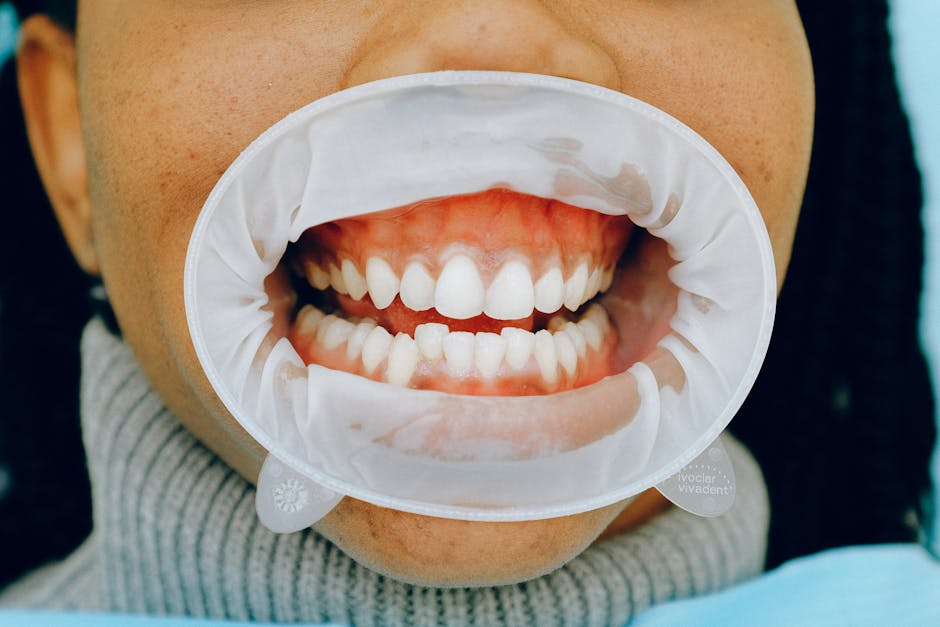
Teething symptoms vary, but several patterns are widely recognized in pediatric development.
Drooling and Mild Facial Rash
Increased saliva production is one of the earliest signs. Excess drool may cause a mild rash around the mouth, chin, or neck.
Swollen or Sensitive Gums
Gums may appear slightly red, swollen, or firm in areas where teeth are preparing to emerge.
Chewing and Biting Behavior
Babies instinctively chew on hands, toys, or objects to relieve pressure inside the gums.
Increased Fussiness or Irritability
Discomfort may lead to shorter patience windows, increased crying, or clinginess.
Sleep Changes and Night Wakings
Some babies wake more frequently due to gum discomfort, especially at night when distractions are minimal.
Changes in Feeding Habits
Temporary refusal of bottle or breast feeding may occur due to suction pressure on sore gums.
Ear Pulling and Cheek Rubbing
Babies may rub their cheeks or tug their ears due to referred gum pain. However, persistent ear pulling can also indicate infection.
Low-Grade Temperature vs True Fever
A slight temperature increase may occur, but high fever is not considered a normal teething symptom and should be evaluated by a pediatrician.
Symptoms Often Mistaken for Teething

Many symptoms are incorrectly attributed to teething, leading to missed diagnoses of illness.
Does Teething Cause High Fever?
No. High fever is not caused by teething. If a baby has a temperature above 38°C (100.4°F), it should not be assumed to be teething-related.
Can Teething Cause Diarrhea?
Teething does not directly cause diarrhea. Increased drooling may slightly affect stools, but persistent diarrhea may indicate infection.
Teething vs Cold Symptoms
Coughing, congestion, and runny nose are more likely related to viral infections than teething.
Teething vs Ear Infection
While both may involve ear pulling, infections usually include fever, persistent crying, and reduced appetite.
| Symptom | Teething | Illness |
|---|---|---|
| Fever | Mild or none | Often moderate to high |
| Cough/Cold | No | Yes |
| Duration | Intermittent | Persistent |
Signs Your Baby May Be Sick Instead of Teething
If symptoms include persistent high fever, vomiting, diarrhea, or extreme lethargy, medical evaluation is necessary.
When Parents Should Call a Pediatrician

While teething is normal, certain symptoms require medical attention.
Baby Dehydration Warning Signs
Fewer wet diapers, dry lips, and reduced tear production are concerning signs.
Dangerous Fever Thresholds in Infants
Fever above 38°C (100.4°F) in infants under 6 months should be evaluated immediately.
Persistent Refusal to Eat or Drink
If feeding refusal lasts more than 24 hours, consult a pediatrician.
Symptoms That Should Never Be Blamed on Teething Alone
Breathing difficulty, rash with fever, or continuous vomiting require urgent care.
Safe Teething Relief Methods for Infants

Safe symptom relief focuses on comfort, sensory support, and gentle gum stimulation without risk.
Cold Washcloths and Chilled Teethers
A clean, chilled washcloth can help soothe inflamed gums safely.
How to Choose a Safe Food-Grade Silicone Teether
Parents should look for BPA-free, non-toxic materials and easy-grip designs that support safe chewing behavior.
Baby Silicone Teether Toy is designed to gently massage gums while supporting sensory development. Its soft texture and ergonomic shape make it suitable for infants experiencing early teething discomfort.
Gentle Gum Massage Techniques
Using a clean finger to gently rub the gums can temporarily reduce pressure and discomfort.
Feeding Adjustments During Teething
Cooler foods and softer textures may be easier for babies experiencing gum sensitivity.
Safe Pain Relief Options Approved by Pediatricians
Only medications approved by a pediatrician should be used for significant discomfort, especially in young infants.
Teething Remedies Parents Should Avoid
Avoid teething gels with benzocaine, amber necklaces, and unregulated home remedies due to safety risks.
Creating a Soothing Teething Routine by Age

Structured routines help babies regulate discomfort while supporting emotional comfort.
0 to 6 Months Teething Comfort Routine
Focus on sensory comfort through gentle holding, gum massage, and soft teething toys.
Products like Baby Silicone Teether Ring can support early oral exploration while being easy for small hands to grasp.
6 to 12 Months Teething Routine
Combine feeding adjustments, chilled teethers, and sleep comfort strategies to reduce nighttime disruptions.
Explore supportive items in the Feeding & Nursing collection and Sensory Toys collection to build a complete soothing environment.
12+ Months Teething Routine for Molars
At this stage, stronger chewing needs increase. Durable silicone toys and structured sleep routines help reduce discomfort cycles.
Parents can also explore the Sleep & Comfort collection for additional support tools.
Infant Oral Care During Teething

Early oral care establishes lifelong dental health habits and reduces future complications.
When to Start Cleaning Baby Gums
Even before teeth emerge, gently wiping gums with a soft cloth helps maintain oral hygiene.
How to Care for First Baby Teeth
Once teeth appear, use a soft baby toothbrush with minimal fluoride toothpaste as recommended by pediatric guidelines.
Supportive tools such as Baby Sensory Rattle Teether can encourage chewing while also promoting early sensory development.
When Babies Should First Visit a Dentist
The first dental visit is recommended by age 1 or within six months of the first tooth eruption.
Expert Pediatric Guidance Parents Should Know

Pediatric experts emphasize that teething is a developmental milestone, not a medical condition requiring treatment in most cases.
Teething is a normal process of development, and symptoms vary significantly between infants. Caregivers should focus on comfort and monitoring rather than over-treatment.
Guidance from pediatric associations highlights the importance of distinguishing normal teething behavior from illness symptoms.
Quick Teething Symptom Checklist for Parents
Normal Teething Symptoms
- Drooling
- Chewing behavior
- Mild irritability
- Swollen gums
Symptoms That Need Medical Attention
- High fever
- Persistent diarrhea
- Severe lethargy
- Breathing difficulty
Safe Daily Teething Relief Checklist
- Use chilled teething toys
- Massage gums gently
- Maintain oral hygiene
- Monitor feeding patterns
Parents can explore helpful resources in the Baby Care Tips & Advice section for additional daily routines and developmental guidance.
Frequently Asked Questions
What are the most common teething symptoms in infants?
Drooling, gum swelling, chewing behavior, irritability, and sleep changes are the most common symptoms.
Can teething start at 3 months old?
Yes, but symptoms at this age are usually early oral exploration rather than active tooth eruption.
How can I tell if my baby is teething or sick?
Teething usually causes mild symptoms without high fever, while illness often includes stronger systemic symptoms like cough or persistent fever.
What are safe ways to relieve teething discomfort in babies?
Chilled teething toys, gum massage, and safe silicone teethers are commonly recommended methods.
When should parents call a pediatrician for teething symptoms?
If fever is high, symptoms persist, or feeding becomes difficult, medical advice should be sought.
How long do teething symptoms last?
Symptoms may last a few days before and after each tooth eruption and come and go over months.
Does teething cause sleep regression?
Yes, discomfort can temporarily disrupt normal sleep patterns.
Can teething make babies refuse bottles or breastfeeding?
Yes, gum sensitivity can make sucking uncomfortable temporarily.
What teeth come in first for babies?
The lower central incisors are usually the first teeth to emerge.
Are silicone teethers safe for infants?
Yes, when made from BPA-free, food-grade silicone and used under supervision.
Conclusion
Teething is a normal developmental stage that every baby experiences differently. While symptoms such as drooling, irritability, and chewing are common, they are typically temporary and manageable with safe soothing strategies.
Understanding the difference between normal teething signs and illness symptoms helps parents respond calmly and appropriately, ensuring their baby stays comfortable and safe throughout this important growth phase.
For more developmental guidance and baby care support, explore trusted resources in the Baby Care Essentials collection and related parenting guides.





