

Teething Symptoms Infants Guide for Parents: Safe Relief & Oral Care Tips
Teething can feel overwhelming for many parents, especially when a normally calm baby suddenly becomes fussy, drools constantly, struggles with sleep, or refuses feeds. While these changes are stressful, teething is a completely normal developmental milestone that most infants experience during the first two years of life. Understanding what symptoms are expected, how to soothe discomfort safely, and when to contact a pediatrician can make the process far more manageable.
This comprehensive guide explains common teething symptoms in infants, safe home relief methods, feeding changes during teething, oral hygiene routines, and practical ways to support healthy dental development from the first tooth through toddlerhood. Parents looking for additional newborn and infant care resources can also explore the Baby Care Essentials collection and educational articles inside the Baby Care Tips & Advice section.
What Is Infant Teething and When Does It Start?

Infant teething is the process of primary teeth erupting through the gums. Most babies begin teething between 4 and 7 months, although some start earlier and others later. By age 3, children typically have a complete set of 20 primary teeth.
Typical Baby Teething Timeline From 4 to 24 Months
Teething follows a fairly predictable developmental pattern, though timing varies between children.
| Age Range | Typical Teething Development |
| 4–7 months | Lower central incisors often emerge first |
| 8–12 months | Upper front teeth appear |
| 9–16 months | Side incisors erupt |
| 13–19 months | First molars develop |
| 16–23 months | Canines emerge |
| 23–33 months | Second molars appear |
Many parents notice symptom flare-ups several days before a tooth actually breaks through the gum line. During this period, babies may drool more heavily, chew on objects constantly, or become more irritable than usual.
Which Teeth Usually Appear First?
The lower central incisors, located in the center of the bottom gum, are usually the first teeth to erupt. These are followed by the upper central incisors. Molars typically cause more discomfort because of their larger surface area.
Parents tracking developmental milestones alongside oral changes often browse the Baby Growth & Learning collection for age-based tools and routines that support sensory and motor development during infancy.
Why Some Babies Teeth Earlier or Later
Genetics, birth history, nutrition, and developmental differences all influence teething timelines. Some babies cut teeth at 3 months, while others may not develop their first tooth until after their first birthday.
Delayed teething is not automatically a sign of a medical issue. Pediatricians usually evaluate growth, nutrition, and developmental progress before determining whether further dental assessment is necessary.
What Are the Most Common Teething Symptoms in Infants?

Teething symptoms can range from mild gum irritation to temporary sleep disruption and feeding challenges. Symptoms usually appear in waves as different teeth erupt.
Excessive Drooling and Facial Rash
One of the earliest signs of teething is increased saliva production. Babies may soak bibs, clothing, bedding, and toys throughout the day.
Excess drool can irritate the skin around the mouth, chin, cheeks, and neck, causing a mild red rash. Keeping the skin dry with soft cloths and applying a baby-safe moisture barrier can help prevent irritation.
Parents managing frequent drooling often rotate bibs, washcloths, and hygiene accessories from the Baby Hygiene Gadgets collection to simplify daily cleanup.
Swollen, Tender, or Red Gums
As teeth move upward through the gum tissue, localized inflammation develops. Gums may appear swollen, shiny, or slightly bruised before eruption.
Some babies tolerate this discomfort well, while others become noticeably sensitive during feeding or brushing. Gentle gum massage using a clean finger may temporarily reduce pressure.
Chewing, Biting, and Gum Pressure Behaviors
Babies instinctively chew on objects to counteract gum pressure. You may notice them biting toys, fingers, blankets, bottle nipples, or even caregivers during feeding sessions.
Textured silicone teethers can help distribute pressure safely while supporting sensory exploration. One example is the Baby Silicone Teether Toy – Soothing Relief & Healthy Gums.

This type of BPA-free silicone teether offers soft textured surfaces that many babies find calming during periods of gum tenderness.
Irritability, Fussiness, and Sleep Changes
Teething discomfort commonly increases during the evening and nighttime hours because babies have fewer distractions and may notice gum pressure more intensely.
Common behavioral changes include:
- Increased clinginess
- Short naps
- Frequent night waking
- Crying during feeds
- Difficulty settling
- Temporary mood changes
Maintaining predictable bedtime routines, dim lighting, and calming sleep environments may reduce overstimulation during symptom flare-ups. Families working on nighttime comfort routines may also explore products inside the Sleep & Comfort collection.
Changes in Feeding and Appetite
Teething can temporarily affect breastfeeding, bottle feeding, and solids intake. Some babies prefer cold foods or softer textures during periods of gum inflammation.
Others may feed more frequently for comfort, while some reduce intake briefly due to oral tenderness. Monitoring hydration and wet diapers is more important than focusing on perfect feeding volumes during difficult teething days.
Mild Temperature Changes vs Real Fever
Many parents associate teething with fever, but teething itself generally causes only mild temperature elevation. A true fever above 100.4°F (38°C) usually indicates illness rather than teething alone.
| Symptom | Common With Teething | Requires Medical Attention |
| Mild gum swelling | Yes | No |
| Drooling | Yes | No |
| Chewing behavior | Yes | No |
| Low-grade temperature rise | Sometimes | Monitor |
| High fever | No | Yes |
| Vomiting | No | Yes |
| Severe diarrhea | No | Yes |
Teething Symptoms vs Signs of Illness: When Parents Should Call a Doctor

Because teething overlaps with immune development and increased environmental exposure, babies sometimes become sick during teething periods. It is important not to blame every symptom on emerging teeth.
Symptoms That Are Usually Not Caused by Teething
The following symptoms are generally not considered normal teething symptoms:
- Persistent high fever
- Severe diarrhea
- Vomiting
- Labored breathing
- Persistent coughing
- Extreme lethargy
- Ear drainage
- Rash spreading across the body
Parents should seek medical evaluation if these symptoms occur, especially in infants under 12 months.
Red Flags Requiring Pediatric Evaluation
Contact a pediatrician immediately if your baby:
- Refuses fluids for several hours
- Shows signs of dehydration
- Develops a fever above 100.4°F
- Experiences breathing difficulty
- Has prolonged inconsolable crying
- Displays unusual swelling or oral bleeding
- Becomes difficult to wake
Many families keep infant wellness tools from the Health & Safety and Temperature Tools collections nearby to monitor symptoms during developmental stages like teething.
How Pediatric Dentists Assess Early Oral Development
Pediatric dentists examine gum health, jaw alignment, tooth eruption patterns, oral hygiene habits, and cavity risk factors. Early visits also help caregivers learn brushing techniques and feeding habits that support healthy teeth.
“Parents should focus on healthy oral habits from the first tooth onward rather than waiting until the toddler years,” many pediatric dental organizations advise.
How to Safely Soothe Baby Teething Pain at Home

Safe home-based relief methods can significantly reduce infant discomfort during teething episodes.
Cooling Techniques That Help Reduce Gum Discomfort
Cool temperatures can temporarily numb inflamed gum tissue and reduce irritation.
Safe cooling methods include:
- Chilled washcloths
- Refrigerated silicone teethers
- Cold spoons
- Cool purees for babies already eating solids
Avoid freezing teethers solid because extremely hard surfaces may damage sensitive gums.
Best Silicone Teething Relief Methods for Infants
Food-grade silicone is widely recommended because it is soft, durable, easy to sanitize, and gentle on developing gums.
The Baby Silicone Teether Ring – BPA-Free Comfort & Fun is one example of a textured handheld teether designed for babies who frequently chew to relieve gum pressure.

Its lightweight ring-style shape allows babies to grasp and reposition the teether independently, supporting both comfort and early motor coordination.
Parents looking for additional sensory-friendly infant products often browse the Sensory Toys collection for textured developmental tools.
Safe Massage and Gum Pressure Techniques
Clean fingers can be used to apply gentle pressure along swollen gums. Circular massage motions may reduce discomfort for short periods.
Before massaging gums:
- Wash hands thoroughly
- Trim fingernails
- Avoid excessive pressure
- Stop if the baby becomes distressed
Teething Remedies Parents Should Avoid
Several traditional teething remedies are now discouraged due to safety concerns.
| Unsafe Remedy | Why It Should Be Avoided |
| Amber teething necklaces | Choking and strangulation risk |
| Frozen hard teethers | Can damage gums |
| Alcohol-based remedies | Toxic to infants |
| Benzocaine gels | Potential serious side effects |
| Honey for infants under 12 months | Risk of botulism |
For additional baby safety guidance during developmental stages, many caregivers explore the Health & Safety Tips resource center.
Choosing Safe Teething Toys and Baby Oral Care Products

Selecting appropriate oral care products can improve comfort while reducing hygiene and safety risks.
Why BPA-Free Silicone Matters for Infant Safety
BPA-free food-grade silicone is preferred for many teething products because it is:
- Flexible
- Non-toxic
- Easy to sanitize
- Resistant to cracking
- Gentle on gums
Parents should avoid products containing questionable chemical additives or materials that may degrade with repeated chewing.
Features to Look for in Cooling Teething Toys
Useful teething toys typically include:
- Textured surfaces
- Easy-grip handles
- One-piece construction
- Dishwasher-safe materials
- Appropriate sizing for infant mouths
- Durable food-grade silicone
Products with multiple textures may provide varied pressure points that soothe different gum regions as teeth erupt.
How to Choose an Infant Toothbrush by Age
Toothbrush selection should match developmental stages.
| Age | Recommended Oral Tool |
| 0–6 months | Soft damp cloth or silicone finger brush |
| 6–12 months | Infant toothbrush with ultra-soft bristles |
| 12–24 months | Toddler toothbrush with easy-grip handle |
Many caregivers combine oral hygiene supplies with routines from the Feeding Tools and Baby Bath Accessories collections to create consistent hygiene habits.
Easy-Clean and Sterilizable Baby Products
Teething items should be easy to wash thoroughly because babies frequently drop them on floors and place them back into their mouths.
Look for products labeled:
- Dishwasher-safe
- Steam sterilizer compatible
- Boil-safe
- Mold-resistant
Baby Oral Hygiene Routine From First Tooth to Toddler Stage

Healthy oral care habits should begin before babies develop a full set of teeth.
When to Start Brushing Baby Teeth
Parents should begin brushing as soon as the first tooth appears. Use a tiny smear of fluoride toothpaste about the size of a grain of rice for children under age 3.
Brushing twice daily helps reduce plaque buildup and supports long-term dental health.
How to Clean Infant Gums Before Teeth Erupt
Even before teeth emerge, cleaning the gums helps remove milk residue and bacteria.
Recommended steps:
- Use a clean damp washcloth
- Wipe gums gently after feedings
- Clean the tongue lightly if needed
- Allow gums to air dry naturally
Parents building newborn hygiene routines frequently explore resources inside the Baby Care Essentials collection.
How Much Fluoride Toothpaste Is Safe for Babies?
Current pediatric dental guidance supports using a rice-sized smear of fluoride toothpaste once teeth erupt. Excess toothpaste should be avoided because babies tend to swallow it.
Caregivers should supervise brushing until children can spit reliably, often around age 6.
Morning and Bedtime Oral Care Workflow for Infants
A simple oral care routine improves consistency and reduces resistance.
| Time of Day | Recommended Routine |
| Morning | Wipe gums or brush teeth after first feed |
| After meals | Offer water if age appropriate |
| Bedtime | Brush teeth before sleep |
| Overnight | Avoid prolonged bottle exposure during sleep |
Preventing Early Childhood Cavities During Bottle and Feeding Transitions
Frequent overnight milk exposure increases cavity risk because sugars remain on the teeth during sleep.
Helpful prevention strategies include:
- Avoiding bottles in bed
- Cleaning teeth before sleep
- Introducing water with meals
- Reducing sugary beverages
- Encouraging cup transitions at appropriate ages
Parents navigating feeding transitions can also explore practical resources inside the Feeding & Nursing collection and Feeding & Nursing Tips guides.
Feeding Transitions During Teething: What Parents Should Expect

Teething frequently overlaps with developmental feeding milestones, including bottle transitions and the introduction of solids.
Breastfeeding Challenges During Teething
Some babies bite during nursing as they experiment with new oral sensations. If biting occurs:
- Pause feeding calmly
- Avoid dramatic reactions
- Offer a teether beforehand
- Watch for signs of distraction or fullness
Many breastfeeding parents also use support resources from the Breastfeeding Aids collection.
Bottle Feeding and Sensitive Gums
Babies with sore gums may feed more slowly or reject nipples temporarily. Slightly chilled bottle nipples or slower-paced feeding sessions may improve comfort.
Parents should monitor hydration carefully during periods of reduced intake.
Soft Foods That May Comfort Teething Babies
For babies already eating solids, cool soft foods can feel soothing.
- Cold yogurt
- Mashed banana
- Chilled applesauce
- Soft avocado
- Pureed vegetables
Always introduce foods according to developmental readiness and pediatric guidance.
Hydration and Oral Comfort During Teething
Drooling can increase fluid loss slightly, so maintaining hydration remains important.
Signs of good hydration include:
- Regular wet diapers
- Moist lips
- Normal activity levels
- Tears when crying
Cleaning and Sterilizing Teething Toys and Baby Toothbrushes

Frequent cleaning reduces exposure to bacteria, mold, and environmental contaminants.
How Often Parents Should Clean Silicone Teethers
Teething toys should ideally be cleaned:
- Daily during regular use
- After being dropped outdoors
- After daycare use
- After illness
- Before first use
Safe Sterilization Methods for Baby Oral Care Products
Different products tolerate different sanitation methods. Always follow manufacturer instructions.
| Cleaning Method | Best For |
| Warm soapy water | Daily cleaning |
| Boiling water | Deep sanitization |
| Steam sterilizer | Frequent hygiene routines |
| Dishwasher | Dishwasher-safe silicone products |
Families managing frequent sterilization routines may find support products inside the Sterilization Devices collection helpful for maintaining hygiene consistency.
When to Replace Worn or Damaged Teething Toys
Teething products should be replaced if they develop:
- Tears
- Cracks
- Loose parts
- Sticky surfaces
- Mold spots
- Discoloration
Regular inspection is important because damaged products may become choking hazards.
When Should Babies Visit the Dentist?
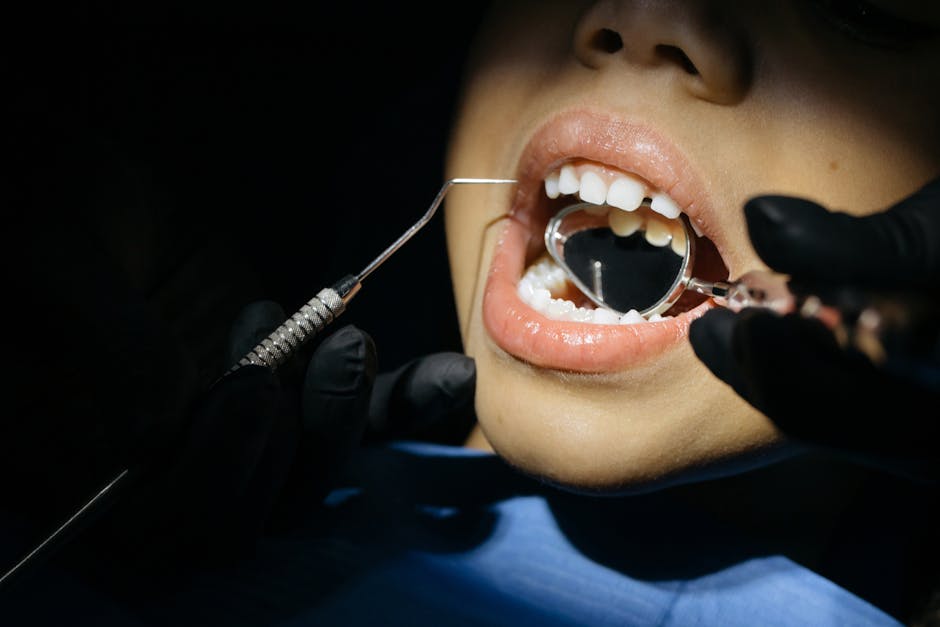
Early dental visits help establish preventive care habits and identify concerns before they become serious.
Recommended Timing for a Baby's First Dental Visit
Pediatric dental organizations generally recommend scheduling the first dental visit by age 1 or within six months of the first tooth erupting.
Early appointments help normalize dental care and reduce future anxiety.
What Happens During an Infant Dental Checkup
During an infant dental appointment, providers typically:
- Check tooth eruption
- Assess gum health
- Evaluate jaw development
- Discuss brushing habits
- Review feeding routines
- Identify cavity risks
Questions Parents Should Ask a Pediatric Dentist
Helpful questions include:
- Is my baby's tooth development normal?
- How often should we brush?
- What toothpaste should we use?
- Are nighttime feeds affecting oral health?
- How can we reduce cavity risk?
- When should we stop bottle feeding?
Frequently Asked Questions
When do babies start teething and what are the first signs?
Most babies begin teething between 4 and 7 months. Early signs include drooling, chewing, swollen gums, fussiness, and sleep disruption.
What are the most common teething symptoms in infants?
Common symptoms include gum swelling, drooling, biting behaviors, irritability, mild appetite changes, and temporary sleep disturbances.
How can parents safely soothe baby teething pain at home?
Safe methods include chilled washcloths, refrigerated silicone teethers, gum massage, and comforting routines. Avoid frozen teethers and unsafe medicated gels.
When should parents start brushing a baby's first teeth?
Brushing should begin as soon as the first tooth erupts using a soft infant toothbrush and a tiny smear of fluoride toothpaste.
Are silicone teething toys safe for infants to use?
Food-grade BPA-free silicone teethers are generally considered safe when used appropriately and cleaned regularly.
Can teething cause fever in babies?
Teething may cause mild temperature elevation, but high fever usually suggests illness rather than teething alone.
How long do teething symptoms usually last?
Symptoms often peak several days before tooth eruption and improve shortly afterward, though cycles repeat as additional teeth emerge.
What should parents avoid giving teething babies?
Parents should avoid amber necklaces, alcohol-based remedies, frozen hard objects, and unsafe medicated gels.
How do you clean silicone teething toys safely?
Most silicone teethers can be washed with warm soapy water, placed in dishwashers if approved, or sterilized according to manufacturer instructions.
When should parents schedule a baby's first dental visit?
Experts generally recommend scheduling the first dental appointment by age 1 or within six months of the first tooth appearing.
Conclusion
Teething is a normal developmental process, but it can still feel challenging for both babies and caregivers. Understanding common symptoms, safe relief methods, oral hygiene routines, and feeding transitions helps parents respond confidently while protecting infant comfort and dental health.
Consistent gum care, age-appropriate oral hygiene, safe silicone teething tools, and regular pediatric dental guidance all contribute to healthier long-term oral development. Families building complete infant care routines can continue exploring educational resources through the Baby Growth & Learning Tips section and supportive essentials across the Mom Essentials collection.





