

Ear Protection for 2 Month Old: When Is It Really Needed?
Do adjustable baby ear defenders really work?
Yes. Adjustable baby ear defenders help reduce potentially harmful noise while maintaining a comfortable, secure fit as your baby grows. Whether you choose adjustable earmuffs with a structured band or a soft headband earmuff design, the right fit helps create an effective seal around the ears without excessive pressure. This combination supports infant noise protection during travel, sporting events, fireworks, concerts, and other loud environments while keeping babies more comfortable during wear.
Adjustable baby ear defenders compared for comfort and fit
⏱ 6 min read · Adjustable baby ear defenders can make noisy outings more comfortable by protecting developing hearing while adapting to your baby's changing head size. Parents often compare adjustable earmuffs with headband earmuff designs to find the best balance of comfort, stability, and infant noise protection. This guide explains how each style fits, when each performs best, and what features matter most for newborns and growing infants.
Choosing ear protection isn't simply about reducing noise. The right design should fit comfortably, stay securely in place, and continue fitting as your baby's head develops. Below, you'll learn how different adjustable baby ear defenders compare for comfort, fit, and everyday use.
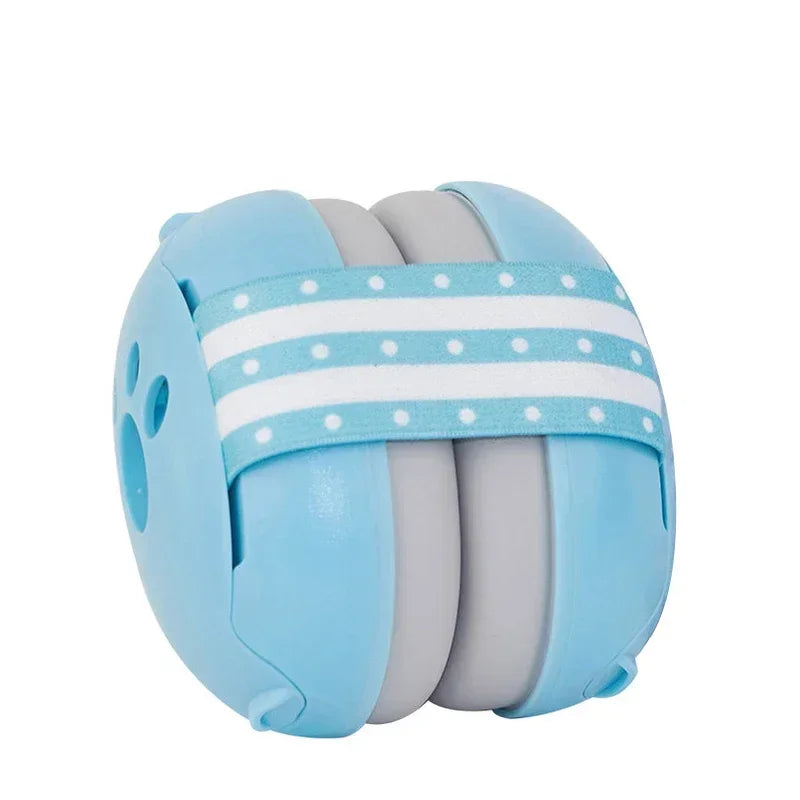
Adjustable baby ear defenders and adjustable earmuffs in everyday use. See how proper adjustment improves comfort and hearing protection.
Why adjustability matters for baby hearing comfort
Babies experience rapid head growth during their first year, making proper sizing especially important. Ear defenders that fit well today may become uncomfortable just a few weeks later if they cannot be adjusted. Adjustable baby ear defenders are designed to provide a secure seal while minimizing pressure on delicate areas of the head, helping maintain both comfort and effective hearing protection.
A well-adjusted fit also improves performance. If earmuffs are too loose, outside noise can leak through gaps. If they're too tight, babies may become fussy and resist wearing them for the time they're needed.
- Distributes pressure more evenly across the head to reduce discomfort.
- Helps create a consistent acoustic seal without excessive squeezing.
- Supports reliable infant noise protection during movement and everyday activities.
- Accommodates growth, extending the usable lifespan of the ear defenders.
- Reduces the need to replace hearing protection as frequently during infancy.
Whether you're attending a family celebration, boarding an airplane, or visiting a busy sporting event, choosing an adjustable design helps ensure your baby's hearing protection remains comfortable throughout the outing.
Parents focused on baby hearing safety often pair ear protection with other essentials from Health & Safety collections to create calmer environments overall.
Types of adjustable baby ear defenders
Adjustable baby ear defenders generally fall into two categories: structured adjustable earmuffs and soft headband earmuff designs. Both provide passive hearing protection by reducing the amount of sound reaching the ears, but they differ in how they fit, distribute pressure, and perform during everyday activities.
Adjustable earmuffs with structured bands
Structured adjustable earmuffs use sliding or click-style headbands that allow parents to fine-tune the fit as their child grows. These models typically maintain a secure seal around the ears, making them a practical choice for active infants and toddlers who spend more time sitting upright or moving around.
Pros- Precise size adjustment for growing babies.
- Stable fit during movement, travel, and outdoor activities.
- Durable construction designed for repeated use.
- Less likely to slip during longer outings.
- Can create noticeable pressure during extended naps if adjusted too tightly.
- May not fit very small newborn heads as comfortably as softer alternatives.
- Slightly bulkier to pack for travel.
Headband earmuff designs
Headband earmuff styles replace the traditional rigid headband with a wide, soft elastic or fabric band. The band distributes pressure more evenly across the head, making these designs especially popular for younger infants who spend more time sleeping or riding in strollers.
Pros- Gentle, even pressure for improved comfort.
- Excellent for naps, stroller rides, and extended wear.
- Lightweight and easy to carry when traveling.
- Comfortable for babies with smaller head sizes.
- Overall fit depends on the quality and elasticity of the headband.
- May shift if babies become very active.
- Elastic bands may gradually stretch with frequent use.
Many parents browsing Baby Care Essentials start with soft headband earmuffs during the newborn stage and later transition to structured adjustable earmuffs as their child becomes more mobile and spends more time exploring their surroundings.
Side-by-side comfort and fit comparison
The best option depends on how and where you'll use your baby's hearing protection. This comparison highlights the differences that matter most in everyday situations.
| Feature | Adjustable Earmuffs | Headband Earmuff |
|---|---|---|
| Fit Adjustability | Manual size adjustment with sliding or click mechanism | Soft elastic stretch that adapts naturally |
| Comfort During Naps | Moderate, depending on adjustment | Excellent for longer sleep periods |
| Stability During Movement | High | Moderate |
| Travel Convenience | Slightly bulkier | Compact and lightweight |
| Best For | Active infants, outdoor events, travel | Newborns, stroller naps, quiet resting periods |
Both styles can provide effective infant noise protection when they fit correctly. The most important factor is achieving a snug seal around the ears without creating excessive pressure. Babies who seem uncomfortable, develop red pressure marks, or frequently pull at the earmuffs may need the fit adjusted or a different style altogether.
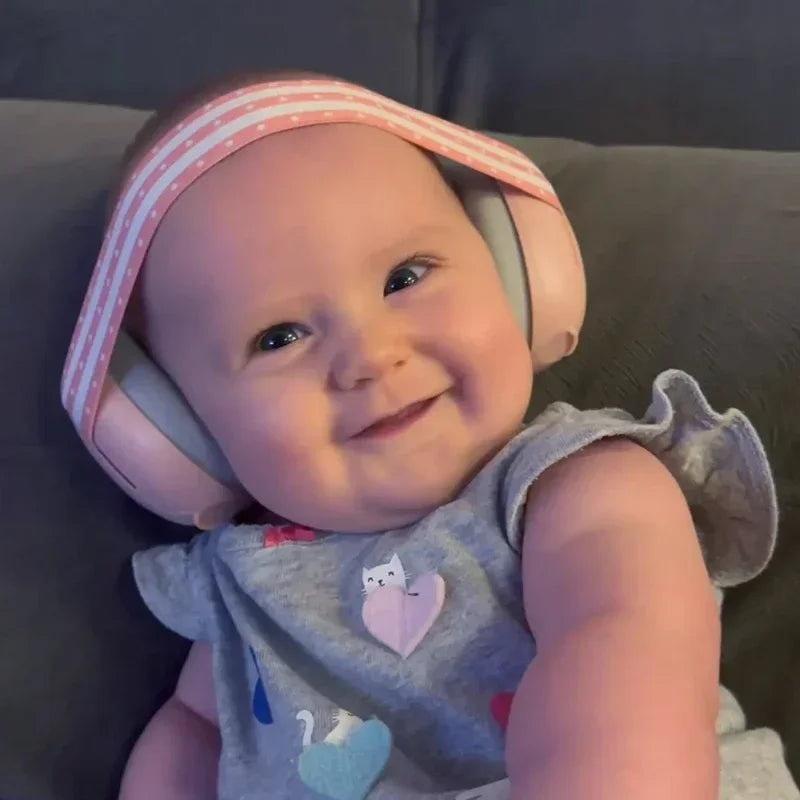
Comparing adjustable earmuffs and headband earmuff styles for infant noise protection. See how each design supports comfort and a secure fit.
How different designs perform in real-life situations
The best adjustable baby ear defenders depend on where they'll be used. While both structured earmuffs and headband styles reduce noise, each design offers advantages in different everyday situations.
Family gatherings and events
Birthday parties, weddings, sporting events, and holiday celebrations often combine loud conversations, music, and unexpected bursts of noise. Adjustable earmuffs with a structured headband usually perform best because they stay securely positioned even when babies are being carried, crawling, or turning their heads frequently.
Before entering a noisy venue, check that the ear cushions completely surround your baby's ears and that the headband is snug without leaving deep pressure marks.
Nap time on the go
For stroller walks, contact naps, or longer periods in a car seat, headband earmuff designs often provide greater comfort. Their soft, flexible band distributes pressure more evenly, making them less likely to disturb sleeping babies while still providing effective infant noise protection.
Parents should continue to monitor their baby during sleep and remove hearing protection once the noisy environment has passed.
Travel and vacations
Airports, airplanes, train stations, and busy tourist attractions expose infants to changing noise levels throughout the day. Lightweight adjustable ear defenders are easy to pack alongside other travel essentials from Sleep & Comfort , allowing parents to use hearing protection only when environmental noise becomes excessive.
For frequent travelers, adjustable designs offer the added benefit of accommodating growth over multiple trips without needing immediate replacement.
What parents notice after daily use
Parents who use adjustable baby ear defenders consistently often mention that comfort has as much influence on success as the level of noise reduction. Babies are generally more willing to wear hearing protection when it fits correctly and feels lightweight.
- Even pressure distribution helps babies tolerate earmuffs for longer periods.
- Adjustable sizing reduces the need for frequent repositioning as babies grow.
- A secure fit helps maintain more consistent noise reduction during movement.
- Lightweight designs are less likely to be pulled off by curious infants.
- Introducing ear defenders gradually before major events often improves acceptance.
Parents also find it helpful to watch for signs that the fit needs adjusting, including frequent pulling at the earmuffs, visible gaps around the ear cushions, or temporary pressure marks after removal. Small adjustments often improve both comfort and effectiveness.
Some parents pair ear defenders with soothing routines or gentle activities from Massage & Relaxation to create a complete calming environment during travel, crowded gatherings, or other potentially overwhelming situations.
How to choose the right option for your baby
Selecting adjustable baby ear defenders is about more than choosing the highest noise reduction rating. The best option should match your baby's age, head size, activity level, and the environments where hearing protection will be used most often.
- Choose an age-appropriate design: Younger infants typically benefit from soft headband earmuff styles that distribute pressure gently, while older, more active babies often do better with structured adjustable earmuffs.
- Check the fit carefully: Ear cushions should completely surround the ears without gaps. The headband should feel secure but never tight enough to leave deep pressure marks or cause obvious discomfort.
- Consider how long they'll be worn: For naps, flights, or extended events, lightweight models with soft padding usually provide greater comfort.
- Look for room to grow: Adjustable sizing helps maintain a proper fit over several months, reducing the need for frequent replacement as your baby's head develops.
- Prioritize quality materials: Soft, skin-friendly padding and durable construction help ensure consistent comfort and reliable performance during regular use.
Many parents exploring long-term hearing protection choose trusted products such as baby noise reduction earmuffs , which combine adjustable sizing with a comfortable fit suitable for a wide range of everyday situations.
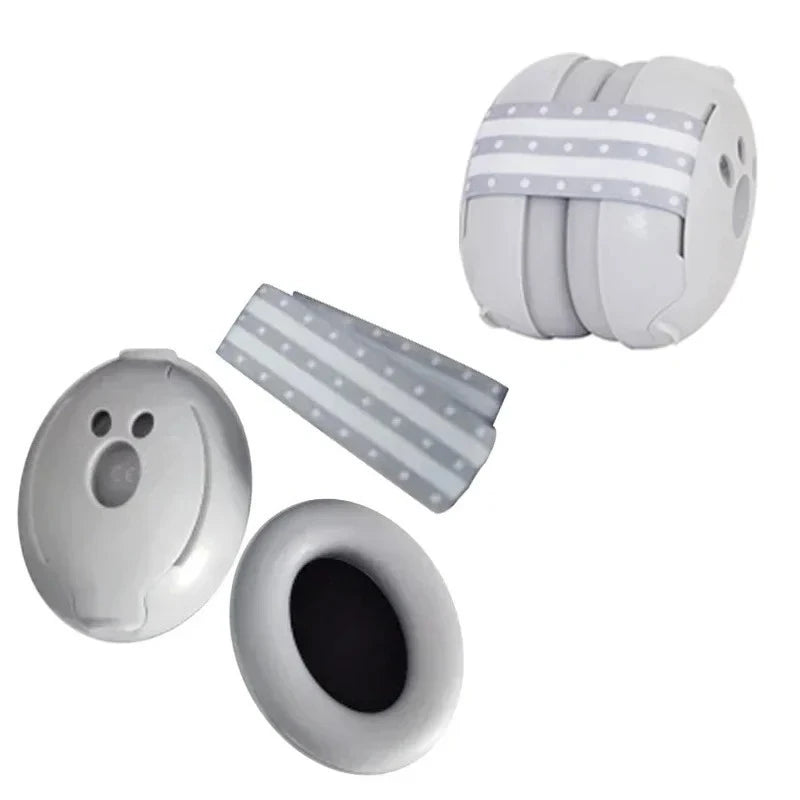
Comfort-fit adjustable baby ear defenders designed to provide a secure, comfortable fit as babies grow.
Frequently Asked Questions
Can a 2-month-old wear ear protection safely?
Yes, provided the hearing protection is specifically designed for infants and fits correctly. A lightweight, properly adjusted pair of baby ear defenders can help reduce noise exposure during loud events without placing excessive pressure on your baby's head.
What noise level is too loud for a newborn?
Repeated or prolonged exposure to sounds above approximately 70 decibels may become uncomfortable for infants, while sudden noises above 85 decibels deserve extra caution. In noisy environments such as concerts, fireworks displays, or sporting events, hearing protection is recommended.
Do babies need ear protection on airplanes?
Airplane cabins are generally noisy enough that many parents choose infant ear defenders, especially during takeoff, landing, and throughout longer flights. Ear defenders reduce cabin noise but do not relieve pressure changes inside the ears.
Are baby noise cancelling earmuffs safe?
Passive baby earmuffs that reduce sound through acoustic insulation are recommended for infants. Products using active noise cancelling technology are generally not designed for newborns and young babies unless specifically intended for infant use.
How long can a 2-month-old wear earmuffs?
Ear defenders are intended for temporary use during noisy situations. Check your baby's comfort regularly, remove the earmuffs once the loud environment has passed, and give the skin around the ears occasional breaks during extended outings.
How should infant earmuffs fit?
The ear cushions should fully cover the ears, create a gentle seal, and stay in place without sliding. The headband should feel snug but should never leave deep pressure marks or cause visible discomfort.
When is ear protection unnecessary for babies?
Most everyday home environments, quiet walks, and normal conversations do not require hearing protection. Ear defenders are most useful when babies are exposed to loud or sustained environmental noise.
What is the difference between newborn and toddler earmuffs?
Newborn earmuffs typically emphasize lightweight construction and gentle pressure, often using soft headband designs. Toddler models generally feature more structured adjustable headbands that provide greater stability during active movement while continuing to offer effective hearing protection.
Related Guide: Best earmuffs for baby sleep compared for quieter nights





