

Adjustable Baby Hip Seat vs Fixed Designs Which Fits Better
Does one newborn to toddler carrier really replace buying two carriers?
A newborn to toddler carrier can support babies from the first weeks through toddlerhood when it offers proper infant carrier safety, adjustable support, and optional features like an infant hip seat. Instead of switching products every few months, parents can simplify daily routines, reduce back strain, and manage tasks like carrying infant car seat setups with one adaptable solution.
Newborn to Toddler Carrier Comparison: One Purchase or Two?
Newborn to toddler carrier choices often leave parents wondering if they should invest once or plan for upgrades later. This guide compares single all-in-one carriers versus buying separate newborn and toddler options, focusing on safety, comfort, and real-life convenience so you can decide what truly fits your family.
⏱ 7 min read
Bringing a baby home comes with enough decisions already. One of the biggest questions parents ask is whether a single newborn to toddler carrier can really grow with their child—or if buying two different carriers is the safer, smarter path. Is one option truly enough, or does “grow with baby” sound better than it works?
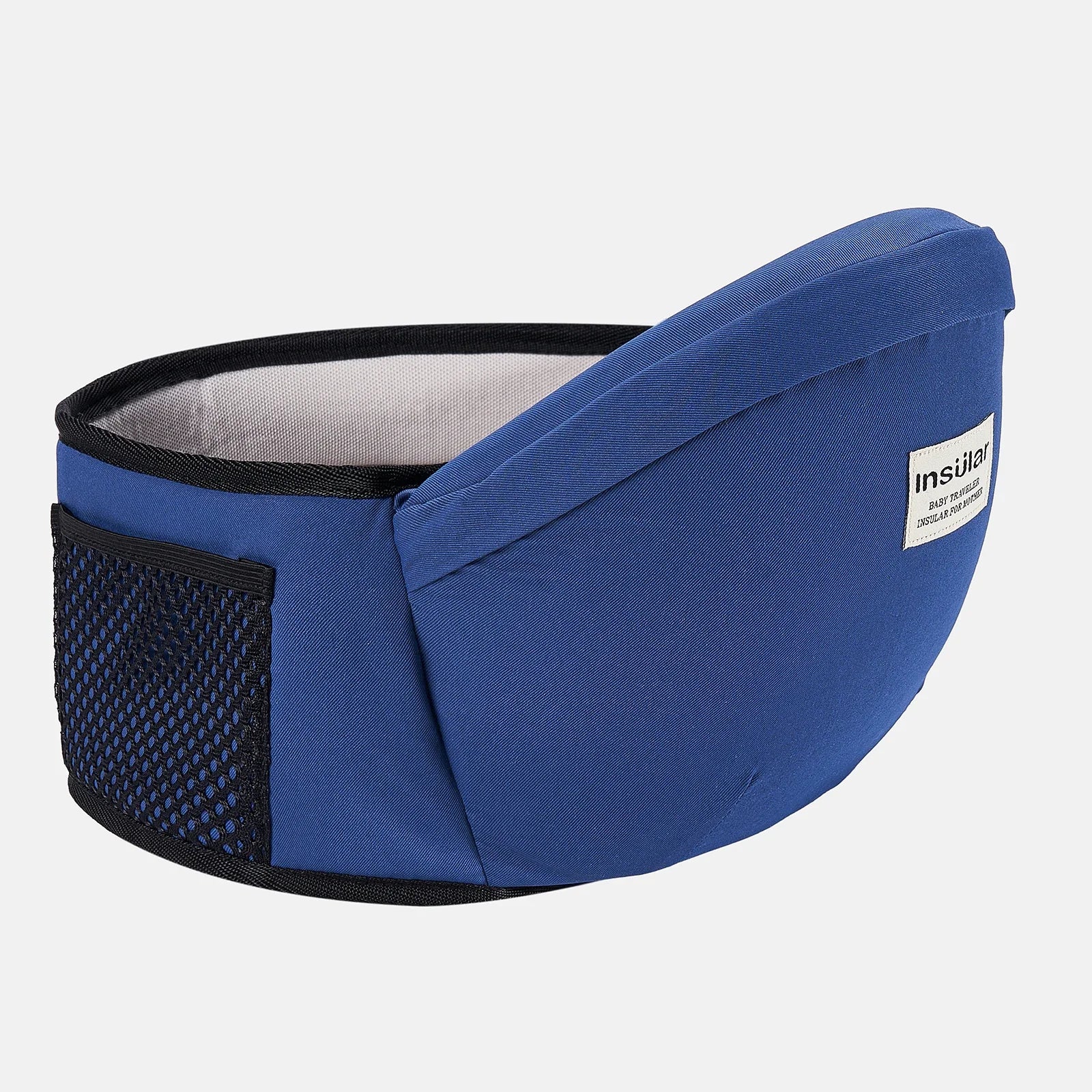
Newborn to toddler carrier with infant carrier safety features — 💡 See it in action
👉 Curious which baby gear setups actually simplify daily life? Explore trusted essentials inside Baby Care Essentials to see how parents build safer, smoother routines.
What Is a Newborn to Toddler Carrier?
A newborn to toddler carrier is designed to adapt across multiple growth stages, typically from 7–40 pounds. Instead of fixed sizing, it uses adjustable panels, straps, and sometimes a built-in infant hip seat to maintain ergonomic support as your child grows.
- Supports proper hip and spine positioning
- Adjusts for different caregiver body types
- Reduces the need for multiple purchases
- Fits everyday tasks like errands or carrying infant car seat transfers
Buying Two Carriers: Pros and Cons
Many parents start with a soft newborn carrier and later switch to a sturdier toddler version. This approach can work—but it comes with trade-offs.
Advantages of two separate carriers
- Dedicated newborn designs feel extra snug
- Toddler carriers may handle heavier weights better
- Each product is optimized for a single stage
Downsides parents often mention
- Higher total cost over time
- Extra storage and clutter
- Learning two different adjustment systems
- Gap periods when baby outgrows one but isn’t ready for the next
Parents browsing Mom Essentials often note that convenience becomes more valuable as routines get busier.
Choosing One All-in-One Carrier That Grows
A well-designed newborn to toddler carrier focuses on adaptability rather than compromise. The key is whether adjustments truly maintain infant carrier safety at every stage.
In parent reviews, the biggest benefits mentioned include:
- Consistent comfort from newborn to toddler
- Less strain on shoulders and lower back
- Quick transitions during naps or outings
- Simpler packing for travel or daycare drop-offs

Infant hip seat support for everyday comfort — 💡 See it in action
👉 Want guidance on choosing gear that lasts beyond the newborn phase? Browse practical insights inside Baby Care Tips & Advice.
One Carrier vs Two: Clear Comparison
| Feature | One Newborn to Toddler Carrier | Two Separate Carriers |
|---|---|---|
| Total cost | Lower long-term | Higher combined |
| Storage space | Minimal | Requires extra room |
| Adjustment learning curve | One system | Two systems |
| Infant hip seat option | Often included | Rare in newborn carriers |
| Carrying infant car seat transitions | Smoother hand-offs | More repositioning |
Infant Carrier Safety: What Actually Matters
Infant carrier safety isn’t about brand names—it’s about positioning and support. Pediatric specialists emphasize three essentials:
- Airway visibility and chin clearance
- Natural “M” hip position
- Even weight distribution across the caregiver’s body
Multi-stage carriers that adjust panel width and height help maintain these standards longer. For broader safety education, many parents explore Health & Safety resources alongside carrier research.
How an Infant Hip Seat Changes Daily Carrying
An infant hip seat shifts some weight from shoulders to hips, which many parents say reduces fatigue during longer holds. This can be especially helpful when babies want frequent up-and-down moments.
Common situations where parents appreciate a hip seat include:
- Short errands without a stroller
- Soothing a fussy baby at home
- Managing siblings while holding a toddler
Real-Life Parenting Scenarios
Morning drop-off: One parent straps on a newborn to toddler carrier while juggling keys and a diaper bag—no second carrier to swap.
Travel days: Fewer items to pack means faster airport security and less stress.
Growth spurts: Adjustable settings accommodate sudden changes without urgent shopping trips.
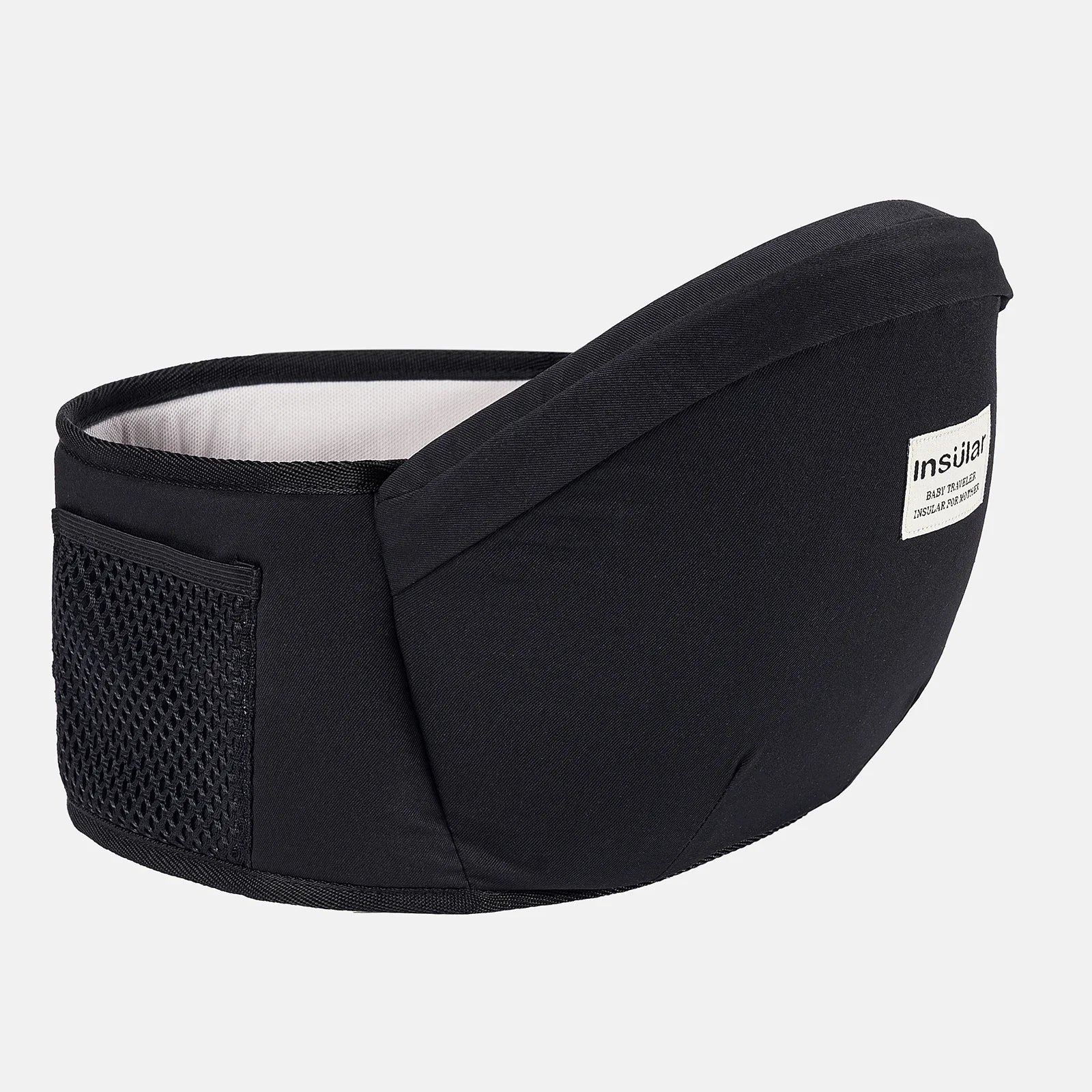
Carrying infant car seat transitions made easier — 💡 See it in action
👉 Ready to simplify everyday routines with versatile gear? Discover supportive options inside Mom Essentials.
Frequently Asked Questions
Is one newborn to toddler carrier safe for a newborn?
Yes, as long as it provides proper head, neck, and hip support and fits within the manufacturer’s weight range. Adjustable designs are intended to maintain infant carrier safety from the earliest stage.
Do parents really save money with one carrier?
Most families report lower overall spending by avoiding multiple purchases. While upfront costs may be slightly higher, long-term value often outweighs buying two separate carriers.
Can a newborn to toddler carrier replace carrying infant car seat systems?
It doesn’t replace a car seat, but it simplifies transitions once you’re out of the car, allowing hands-free movement without transferring baby into a stroller.
Related Guide: Ergonomic Hip Seat Carrier Comparison for Everyday Parents





