

Baby Carrier Waist Stool: How to Choose the Right One
Does a baby carrier waist stool really improve ergonomic comfort?
A baby carrier waist stool can improve carrying comfort by changing how your baby’s weight is supported. Instead of relying mainly on your shoulders and upper back, a structured hip seat platform helps distribute weight through the parent’s waist and hips. The level of comfort depends on factors such as seat design, fit, baby’s size, and correct positioning.
Baby Carrier Waist Stool Ergonomic Benefits Explained
⏱ 6 min read
Carrying your baby for daily walks, errands, or household tasks can become challenging when traditional carrying methods create pressure points or require constant arm support. A baby carrier waist stool offers a structured alternative by combining a supportive seat platform with adjustable straps, helping parents keep their baby close while improving carrying stability.
A well-designed waist stool baby carrier focuses on weight distribution, secure positioning, and caregiver comfort. Understanding how these features work can help parents choose a carrier style that fits their routine and their baby’s developmental stage.
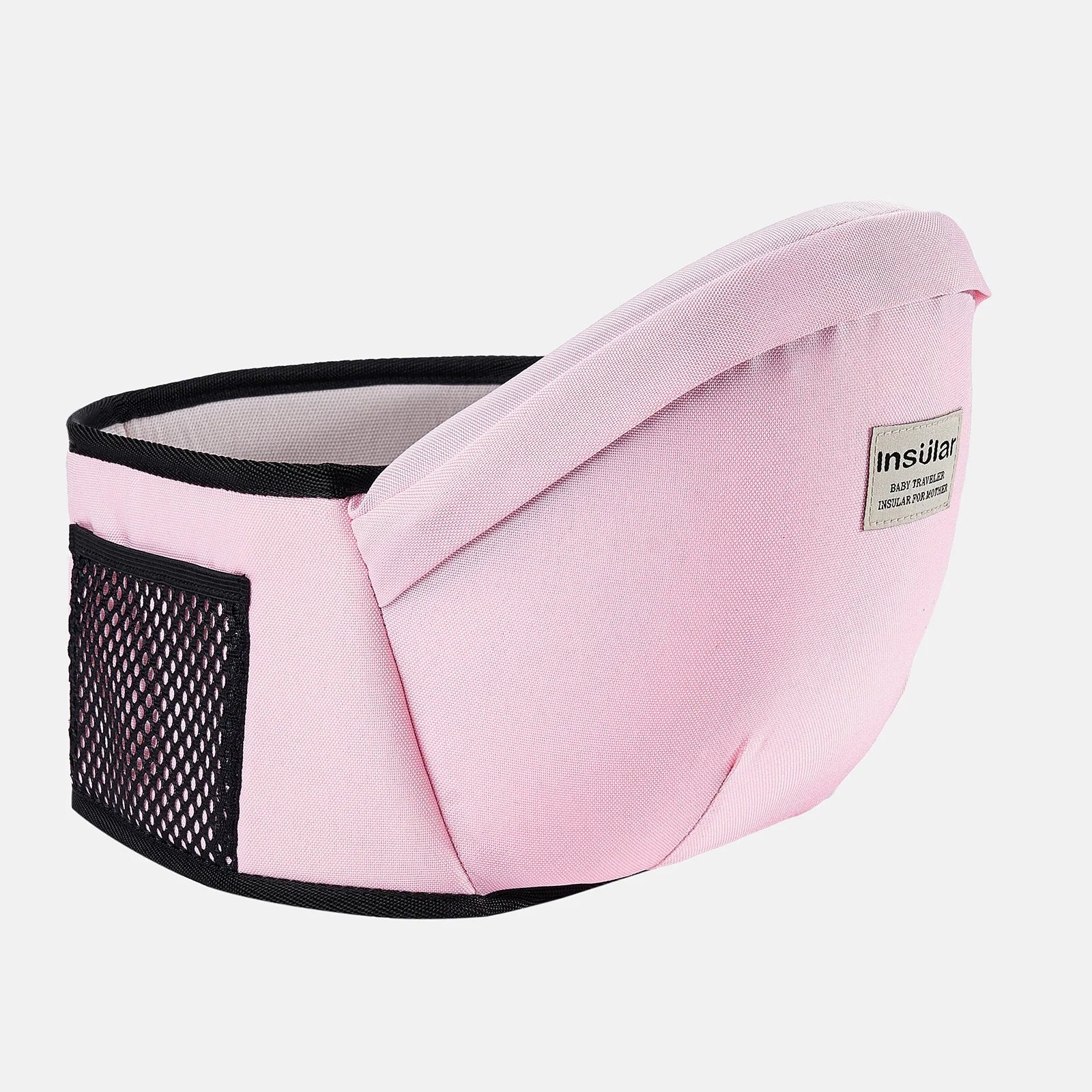
Baby carrier waist stool ergonomic support with infant hip seat stability — See it in action
What Is a Baby Carrier Waist Stool?
A baby carrier waist stool is a type of hip seat baby carrier that uses a structured seat platform worn around the parent’s waist. Unlike a traditional soft carrier that mainly suspends a baby with fabric panels and shoulder straps, an infant hip seat provides a firm base where the baby can sit while remaining close to the caregiver.
The waist stool baby carrier typically combines a cushioned seat platform, a supportive waistband, and optional shoulder straps or back support panels. The seat platform carries part of the baby’s weight, while the straps help maintain a secure position and prevent unnecessary movement during use.
How a Hip Seat Carrier Works
- Seat platform: Provides a stable surface that supports the baby’s bottom and helps maintain a comfortable seated position.
- Waist support: Transfers more of the carrying load toward the caregiver’s hips instead of placing all pressure on the shoulders.
- Adjustable straps: Help secure the baby and allow parents to customize the fit for different carrying positions.
- Flexible carrying options: Many designs support front carrying, assisted holding, and other positions depending on the baby’s age and size.
Compared with traditional carriers, a hip seat baby carrier gives parents more flexibility when they frequently lift their baby in and out. It can be especially useful during stages when babies want to be held often but also enjoy exploring independently.
Common Uses and Age Considerations
Baby carrier waist stools are commonly used from the infant stage through toddler years, depending on the product’s weight recommendations and the baby’s ability to sit with proper support. Parents often use them for:
- Daily walks and outdoor activities
- Quick carrying around the home
- Shopping trips and travel situations
- Supporting older babies who frequently want to be carried and put down
Parents should always follow the carrier manufacturer’s age, weight, and positioning guidelines to ensure safe use. Many families pair waist stools with essentials from Baby Care Essentials to simplify daily routines and outings.
Does a Hip Seat Baby Carrier Improve Comfort and Ergonomics?
A hip seat baby carrier can improve carrying comfort by changing how your baby’s weight is supported. The structured seat positions your baby closer to your natural center of gravity, which may reduce the pulling sensation that occurs when weight sits too far away from your body.
The ergonomic baby carrier hip position depends on proper adjustment, seat design, and the fit between the caregiver and baby. A wider waistband, supportive seat platform, and correctly positioned straps work together to create a more balanced carrying experience for everyday activities.
Key Ergonomic Benefits
- More balanced weight distribution: A supportive hip seat helps transfer some of the load toward the caregiver’s waist and hips rather than concentrating pressure on the shoulders.
- Reduced upper body strain: Proper positioning can help minimize common pressure points caused by carrying a baby with arms alone or using poorly fitted straps.
- Improved movement flexibility: A stable seat allows parents to carry, adjust, and reposition their baby more easily during walks, errands, and household tasks.
- Greater carrying confidence: A secure base can make it easier for caregivers to maintain a steady posture while moving with their baby.
Is a Hip Seat Baby Carrier Safe for Babies?
A hip seat baby carrier can be a safe carrying option when it is used correctly and matches the baby’s age, size, and developmental stage. The infant hip seat should provide stable support while allowing the baby to sit in a comfortable position with proper leg support.
Many hip seat designs aim to encourage a natural seated posture with the baby’s legs supported rather than hanging without support. However, parents should always check the manufacturer’s instructions for recommended weight limits, newborn use requirements, and approved carrying positions.
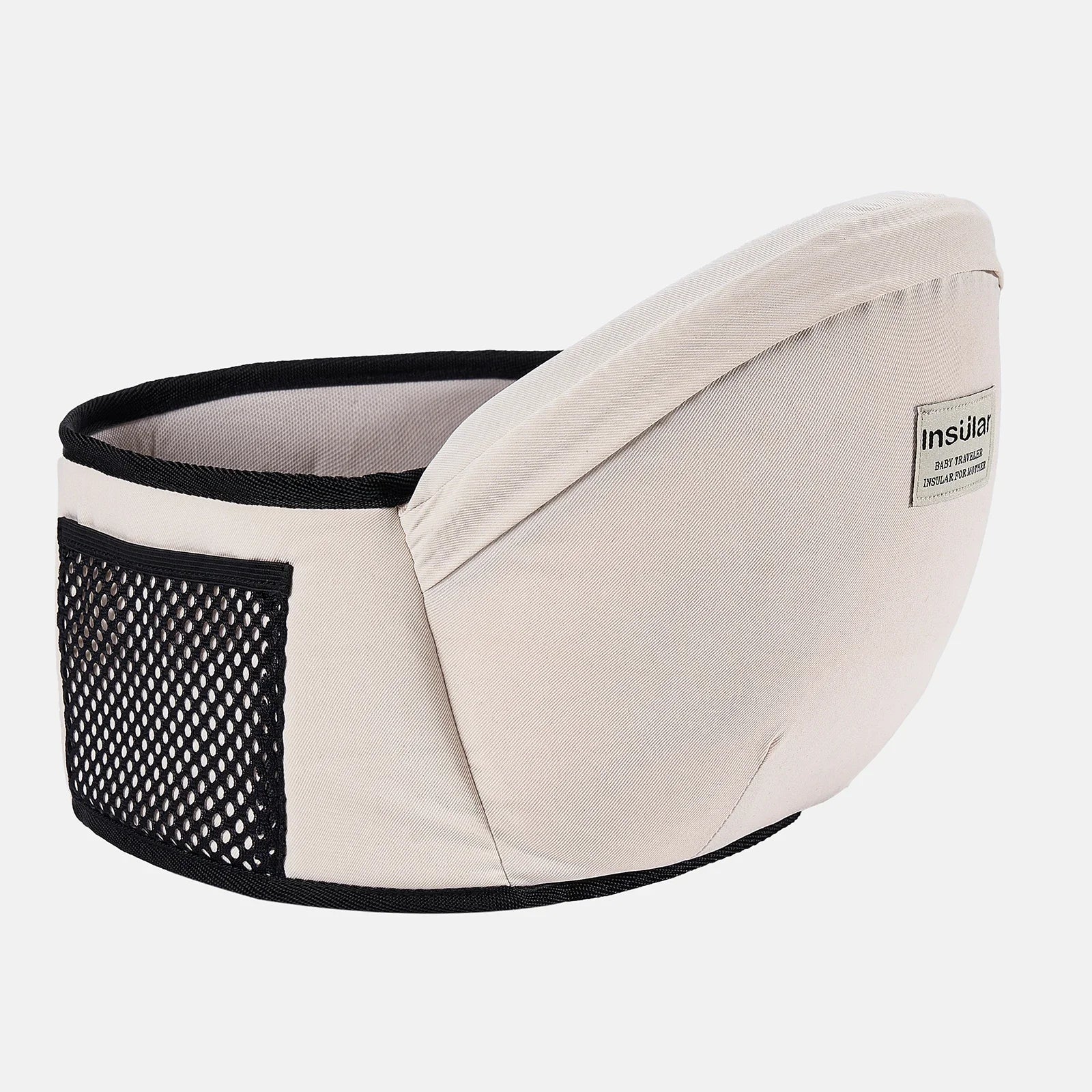
Infant hip seat design for newborn hip position and infant carrier safety — See it in action
Safety-Focused Design Elements
- Supportive seat width: Helps provide a stable base for the baby while supporting comfortable leg positioning.
- Secure fastening system: Adjustable waist buckles and straps help keep the carrier fitted properly during movement.
- Non-slip seat surface: Helps reduce sliding and improves stability when carrying.
- Breathable materials: Soft, ventilated fabrics can improve comfort during longer carrying sessions.
For additional peace of mind, many families explore complementary items from Health & Safety collections.
How Waist Stool Carriers Support Parent Comfort During Carrying
A waist stool carrier is designed to change how carrying weight is distributed between the caregiver and baby. Instead of placing most of the load through shoulder straps alone, the structured hip seat allows more support to come from the waist and hip area when properly adjusted.
This design may help parents feel more stable during daily activities such as walking, shopping, or traveling. However, comfort depends on factors including carrier fit, baby’s weight, carrying position, and how long the carrier is worn.
| Feature | Waist Stool Carrier | Traditional Carrier |
|---|---|---|
| Weight Distribution | Uses a structured seat to support weight closer to the caregiver’s waist and hips | Often relies more heavily on shoulder straps and fabric support |
| Posture Support | Encourages a closer carrying position when correctly fitted | Fit and posture depend on strap adjustment and carrier style |
| Ease of Use | Allows quicker lifting and lowering of babies during frequent transitions | May require more strap adjustments between uses |
| Carrying Style | Useful for parents who frequently hold and reposition active babies | Often preferred for longer hands-free carrying sessions |
Baby Carrier vs Hip Seat: Which Option Is Better?
Choosing between a baby carrier vs hip seat depends on your daily routine, baby’s age, and how you plan to use the product. A hip seat baby carrier can be practical for parents who frequently pick their baby up and put them down, while a traditional carrier may be better for longer periods of fully hands-free carrying.
- Choose a hip seat carrier if: You want easier in-and-out access, additional support while holding an active baby, or a flexible option for short trips.
- Choose a traditional carrier if: You need extended hands-free carrying and prefer a design that fully secures the baby against your body.
- Consider a baby carrier with hip seat features if: You want a combination of structured sitting support and carrier-style security.
When comparing options, focus on seat width, adjustment range, material quality, weight limits, and whether the design matches your everyday activities. Pairing your carrier with supportive items from Mom Essentials can further simplify daily routines.
Real-Life Scenarios Parents Appreciate
A waist stool for baby can be useful in situations where parents need quick access to carrying support throughout the day. Unlike carrying a baby only with their arms, a structured seat provides a dedicated place for the baby to rest while allowing caregivers to transition between holding, walking, and other activities more easily.
Common situations where parents use a holding baby waist stool include:
- Daily walks: A waist stool can provide a comfortable option for short outdoor trips when babies want to be carried but may also want to look around and interact with their surroundings.
- Shopping and errands: The quick in-and-out design can be helpful when parents frequently need to lift their baby, place them down, and carry them again.
- Travel situations: Airports, sightseeing trips, and family visits often require flexible carrying options where easy adjustments are important.
- Household tasks: Parents can use a waist stool when they need to keep their baby close while completing simple daily activities.
- Feeding and bonding moments: The supported seat position can make short periods of holding more comfortable when providing attention and interaction.
Many parents also appreciate how easily the stool integrates with routines involving Mobility & Training gear as babies become more active.
How to Choose the Right Baby Carrier Waist Stool
Choosing the right baby carrier waist stool involves more than selecting a comfortable-looking design. Parents should evaluate the carrier’s structure, adjustability, materials, and safety features to find an option that fits their baby’s growth stage and their own carrying habits.
- Check seat width and ergonomic design: A properly sized seat platform should provide stable support while allowing a comfortable ergonomic baby carrier hip position. The seat should support the baby without creating pressure points or restricting natural movement.
- Review weight limits and growth suitability: Confirm the recommended weight range and age guidelines before purchase. A carrier should match your baby’s current stage while providing enough support for future use.
- Look for adjustable waistband sizing: A secure, adjustable waistband helps different caregivers achieve a stable fit and keeps the carrier positioned correctly during movement.
- Consider padding and breathable materials: Soft padding, durable fabrics, and ventilation features can improve comfort during longer carrying sessions, especially in warmer environments.
- Check practical features: Storage pockets, easy-clean materials, and simple adjustment systems can make daily use more convenient for parents.
For a reliable option designed with these principles in mind, explore the Baby Carrier Waist Stool .
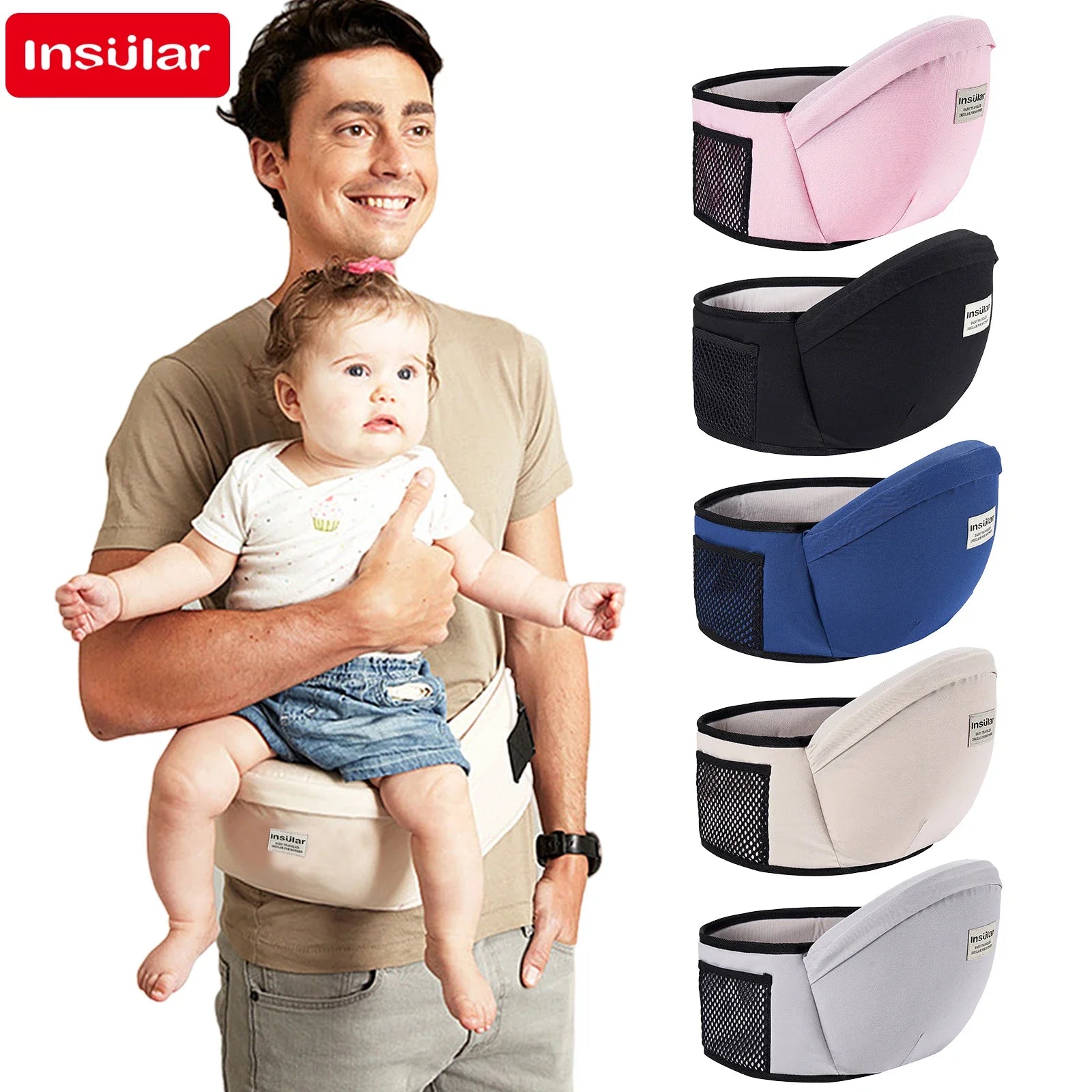
Baby carrier waist stool ergonomic comfort for parent back support — See it in action
Frequently Asked Questions
Is a hip seat baby carrier safe?
A hip seat baby carrier can be safe when it is used according to the manufacturer’s age, weight, and positioning guidelines. Parents should ensure the carrier provides secure support, the baby is positioned correctly, and all straps and buckles are properly adjusted to maintain infant carrier safety.
What age can a baby use a waist stool carrier?
The suitable age for a waist stool carrier depends on the specific design and the baby’s developmental readiness. Many hip seat carriers are intended for babies who have sufficient head and neck control, while some models include additional support features for younger infants. Always check the product instructions before use.
Can a newborn use an infant hip seat?
Some infant hip seat designs may support newborn use with additional inserts or specific positioning features, while others are recommended only after a baby reaches a certain developmental stage. Parents should confirm the carrier’s newborn guidelines and avoid positions that do not provide adequate support.
How do you use a hip seat carrier correctly?
To use a hip seat carrier correctly, secure the waistband firmly around your waist, place your baby in the recommended carrying position, and adjust straps so your baby sits securely against your body. Check that the seat remains stable, the baby’s airway is clear, and the carrier feels comfortable for both caregiver and child.
How long can a baby use a hip seat carrier?
A baby can typically use a hip seat carrier through different growth stages as long as they remain within the product’s weight limit and the carrier continues to provide proper support. Older babies and toddlers often benefit from hip seats because they frequently want to be carried for short periods but also move independently.
Does a hip seat replace a traditional baby carrier?
A hip seat does not always replace a traditional baby carrier. A baby carrier vs hip seat comparison depends on your lifestyle needs. Traditional carriers may be better for longer hands-free carrying sessions, while hip seat carriers are often preferred for quick carrying, frequent repositioning, and situations where parents need easier access.
Are hip seat carriers good for baby hip development?
A properly designed hip seat carrier can support a comfortable seated position when used correctly. Parents should look for features such as appropriate seat width, stable leg support, and positioning that follows recommended infant carrying practices rather than assuming every carrier provides the same level of support.
Can multiple caregivers use the same waist stool?
Yes, many waist stools include adjustable waistbands that allow different caregivers to use the same carrier. Before sharing a carrier, each caregiver should adjust the fit properly and check that the baby is positioned securely.
For more guidance on choosing and caring for baby gear, explore related resources such as a baby carrier safety guide , newborn baby carrier buying guide , ergonomic baby products guide , and baby carrier cleaning and maintenance tips .
Related Guide: Parent Posture Support Carrier Features That Reduce Daily Fatigue





