

Car Seat Head Slump: What Parents Should Check First
Why does baby head slumps forward car rides happen, and how can parents fix it safely?
Baby head slumps forward car situations usually happen because infants have limited neck control, combined with an incorrect seat recline, loose harness positioning, or a poor seat fit. Checking the recline angle, tightening the harness correctly, and using only manufacturer-approved infant car seat accessories can help keep your baby's airway open while improving comfort during travel.
Baby Head Slumps Forward Car: Safe Solutions to Prevent Car Seat Head Slump
⏱ 7 min read
Baby head slumps forward car rides can be alarming, especially when your baby falls asleep and their chin drops toward their chest. While mild head movement is common, prolonged chin-to-chest positioning deserves attention because it may affect a young infant's airway. The good news is that most cases of car seat head slump can be improved by checking installation, recline angle, and harness fit rather than adding extra padding.
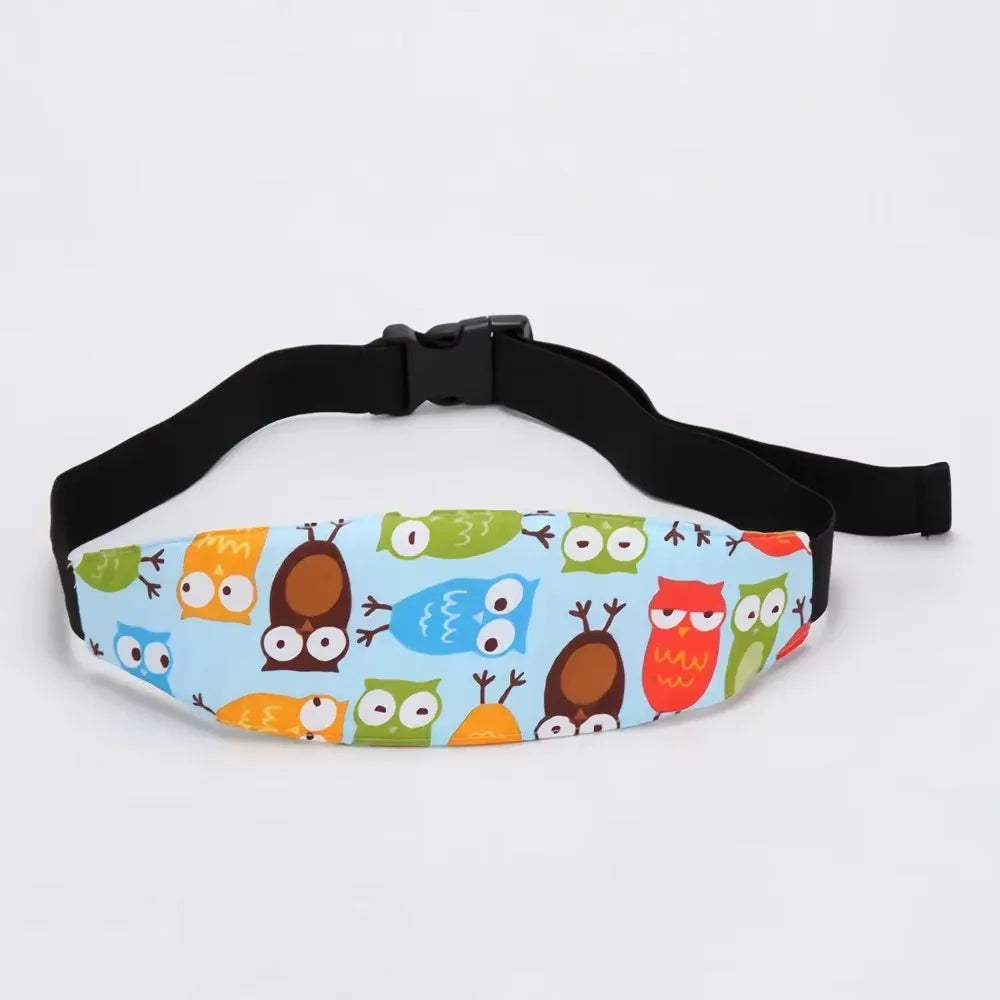
Baby head slumps forward during car naps—understanding what is normal and when to make adjustments.
What Is Car Seat Head Slump and Why Does It Happen?
Car seat head slump describes a baby's head falling forward while riding or sleeping in a properly installed car seat. Because infants have relatively heavy heads and developing neck muscles, this position is common during the first several months of life.
Normal Sleep Posture vs. Unsafe Head Position
A slight forward tilt during light sleep is often harmless if your baby's airway remains open. The concern arises when the chin presses firmly against the chest and stays there, especially for newborns who cannot lift or reposition their heads independently.
If your baby appears comfortable, is breathing normally, and their head occasionally bobs before returning to a neutral position, this is usually different from sustained head slump that requires adjustment.
Common Causes of Head Slump
- Limited neck strength in newborns and young infants
- Rear-facing seat installed at an angle that is too upright
- Loose harness straps or incorrect chest clip placement
- Baby has outgrown the current harness adjustment
- Long naps during extended car rides
Is Head Slump in a Car Seat Safe?
Many parents ask, "Is head slump in a car seat safe?" The answer depends on your baby's position. Brief forward movement is common, but prolonged chin-to-chest positioning may partially restrict airflow in very young infants.
When Parents Should Be Concerned
| Situation | Concern Level | Recommended Action |
|---|---|---|
| Occasional head bob during sleep | Low | Continue monitoring and verify harness fit. |
| Chin resting firmly against chest | Moderate | Stop safely and check recline angle and positioning. |
| Difficulty breathing or persistent poor positioning | High | Reposition immediately and inspect the seat installation before continuing. |
Signs That Require Immediate Adjustment
- Baby's chin remains pressed tightly to the chest.
- The harness appears loose or uneven.
- The baby has slipped downward in the seat.
- Breathing seems noisy, labored, or restricted.
For additional travel safety information, many parents also review our Health & Safety resources before longer trips.
Common Causes of Baby Head Falling Forward in a Car Seat
Most cases of baby head falling forward in a car seat have one or more simple causes that can usually be corrected without replacing the seat.
Incorrect Recline Angle
Rear-facing infant seats are designed to support a developing airway at a manufacturer-recommended recline. If the seat is too upright, gravity naturally pulls the baby's head forward during sleep.
Loose Harness or Poor Harness Height
The harness should fit snugly with the chest clip positioned at armpit level. Shoulder straps should come from at or below the shoulders for rear-facing infants to help keep the body properly positioned.
Growth and Seat Fit
As babies grow, harness settings often need adjustment. A seat that fit perfectly a month ago may require changes to maintain proper support and reduce head slump.
How to Fix Baby Head Slump in a Car Seat Safely
Rather than relying on accessories, begin with the basics of proper installation and positioning.
Check Recline Angle
Use your car seat's built-in recline indicator or level line to confirm the seat matches the manufacturer's recommendations for your baby's age and weight.
Adjust the Harness Correctly
- Tighten the harness until you cannot pinch excess webbing.
- Center the chest clip at armpit height.
- Ensure the harness lies flat without twists.
Verify Head and Neck Alignment
Your baby's head should rest naturally against the seat without being pushed forward by bulky clothing or extra cushions.
Confirm Installation
If head slump continues despite proper adjustments, consider having your installation checked by a certified Child Passenger Safety Technician (CPST). A professional inspection can identify installation issues that are difficult to notice at home.
Safe Solutions for Newborn Head Slump in a Car Seat
Newborn head slump in a car seat deserves extra attention because newborns have the least neck control and cannot reposition themselves.
Newborn Positioning
- Confirm the recline indicator matches the newborn setting.
- Keep the harness snug throughout every trip.
- Dress babies in thin clothing so the harness fits correctly.
- Check head position soon after beginning the drive.
When Infant Inserts May Be Used
Only use inserts that came with your specific car seat or those approved by the manufacturer. Unapproved positioning products may interfere with harness performance during a collision.
Parents also find our Sleep & Comfort collection helpful when creating comfortable routines outside the car seat.
How to Prevent Head Slump During Car Rides and Naps
Before Every Trip
- Verify the recline angle.
- Check harness tightness.
- Confirm the chest clip is at armpit level.
- Make sure your baby has not outgrown the current harness position.
Long-Drive Tips
- Plan breaks during extended travel.
- Perform a visual check shortly after leaving.
- Monitor your baby's position using a properly positioned rear-seat mirror.
- Avoid leaving babies sleeping in the car seat once the trip has ended.
Additional travel planning ideas can be found in our Baby Care Tips & Advice collection.
Car Seat Head Support for Sleeping: What Is Safe and What to Avoid
Parents often search for a car seat head support for sleeping when they notice repeated head slump. However, safety depends on using only products approved for your specific car seat.
A manufacturer-approved infant car seat head support may help provide gentle side support without pushing the chin toward the chest when used according to instructions.
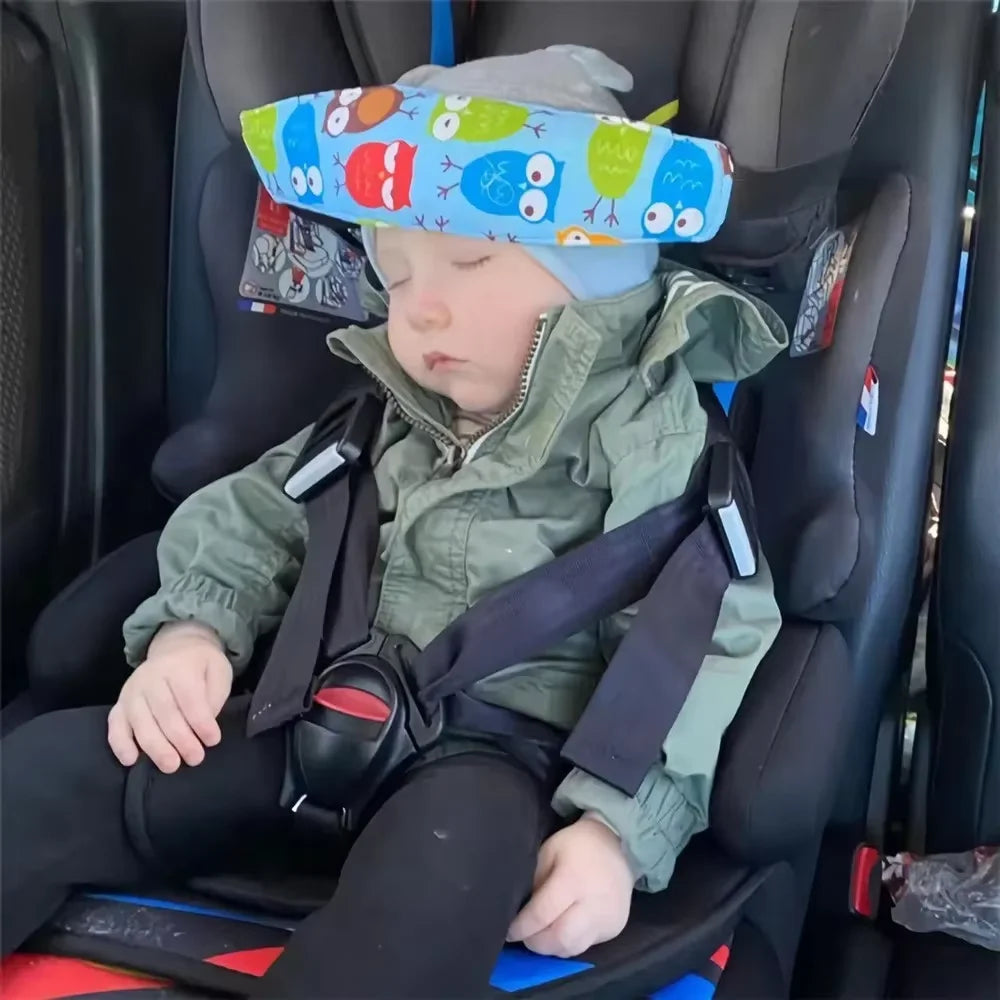
Proper infant neck support focuses on maintaining neutral alignment rather than forcing the head into position.
Manufacturer-Approved Supports
- Designed specifically for compatible car seats.
- Do not interfere with harness positioning.
- Provide side support instead of pushing the head forward.
- Easy to remove for cleaning.
Aftermarket Products to Avoid
Avoid cushions, pillows, or head supports that are not approved for your specific car seat. Even products marketed for travel may change how the harness performs during a crash.
Parents interested in travel monitoring can also explore our Monitoring Devices collection.
What Not to Do When Your Baby's Head Slumps Forward
- Do not place rolled towels or blankets unless your car seat manufacturer specifically permits them.
- Do not use aftermarket head supports that are not approved for your seat.
- Do not loosen the harness to make your baby more comfortable.
- Do not reach into the back seat or reposition your baby while the vehicle is moving.
- Do not leave your baby sleeping in the car seat outside the vehicle for long periods.
Quick Car Seat Safety Checklist Before Every Drive
- Seat recline indicator is correct.
- Harness is snug without twists.
- Chest clip sits at armpit level.
- Baby's head is resting naturally with the airway open.
- Only manufacturer-approved inserts or supports are being used.
- Perform a quick visual check within the first few minutes of travel.
Routine checks before every drive help keep babies comfortable and properly positioned.
Frequently Asked Questions
Why does my baby's head slump forward in the car seat?
Babies have relatively heavy heads and developing neck muscles. Combined with sleep, an upright recline angle, or a loose harness, this can cause the head to fall forward.
Is head slump in a car seat dangerous?
Occasional forward movement is common, but prolonged chin-to-chest positioning may affect a young infant's airway. If this occurs, stop safely and reposition your baby after checking the car seat setup.
How do I fix baby head slump in a car seat safely?
Check the recline angle, tighten the harness correctly, verify shoulder strap height, and confirm the seat is installed according to the manufacturer's instructions before considering approved accessories.
Is newborn head slump in a car seat normal?
Yes, mild head movement is common because newborns have limited neck control. Correct positioning and frequent checks are especially important during the first months.
Can I use aftermarket head supports in a car seat?
Only use products approved by your car seat manufacturer. Unapproved accessories may interfere with harness performance and should be avoided.
What recline angle helps prevent head slump?
The correct angle varies by car seat model. Always follow the built-in recline indicator and your manufacturer's instructions for your baby's age and weight.
When should I contact a pediatrician about head position?
If your baby repeatedly struggles to maintain a safe head position despite correct installation, appears to have breathing difficulties, or you have concerns about muscle development, consult your pediatrician for individualized guidance.
Related Guide: Infants Sleeping in Car Seats: Choosing the Right Fit for Every Baby





