

Baby sensitive hearing protection for everyday noisy moments
Does baby sensitive hearing protection really help with everyday noise?
Baby sensitive hearing protection reduces sudden and constant noise exposure while keeping infants comfortable and calm. Designed to support infant noise protection, it helps parents manage safe noise levels for newborns using breathable cotton sound insulation that softens harmful sounds without blocking important cues like voices.
Baby sensitive hearing protection for everyday noisy moments
⏱ 7 min read
Every parent worries about loud environments—from traffic outside the stroller to crowded family gatherings. Baby sensitive hearing protection offers a gentle way to shield tiny ears while keeping your baby relaxed, connected, and comfortable during everyday noisy moments.
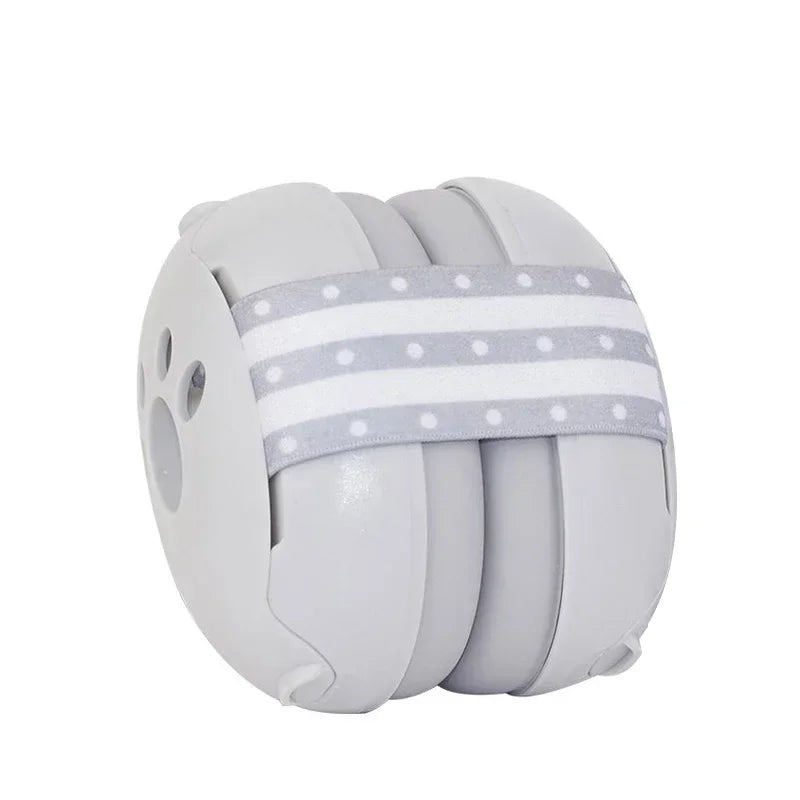
Baby sensitive hearing protection with infant noise protection design for calm outings 💡 See it in action
Why Everyday Noise Matters for Babies
Babies experience the world differently than adults. Sounds that feel normal to us—busy roads, kitchen appliances, or social gatherings—can feel overwhelming to developing ears. Newborn hearing is still maturing, making consistent exposure to loud or sharp sounds more stressful.
Parents often notice fussiness, startle reflexes, or disrupted naps after noisy outings. These are common signs that sound levels may be too high for sensitive ears.
What is baby sensitive hearing protection?
Baby sensitive hearing protection is designed to gently reduce environmental noise without isolating your baby. It supports infant noise protection by cushioning sound through soft materials like cotton sound insulation, helping maintain awareness while lowering stress from loud surroundings.
Key features parents look for
- Lightweight design that won’t press on soft heads
- Breathable cotton sound insulation for comfort
- Adjustable fit that grows with your baby
- No electronics or batteries needed
Products like the baby noise reduction earmuffs are created to meet these needs while fitting easily into daily routines.
Understanding safe noise levels for newborns
Safe noise levels for newborns are generally lower than adult tolerance. Consistent exposure above everyday household levels can cause stress and sleep disruption. Gentle sound reduction helps keep environments within a more soothing range.
| Environment | Typical Sound Level | Baby-Friendly? |
|---|---|---|
| Quiet home | 30–40 dB | ✅ Yes |
| Traffic street | 70–85 dB | ❌ Stressful |
| Family gathering | 75–90 dB | ⚠️ Short exposure |
How gentle noise reduction supports comfort
Instead of blocking sound completely, baby sensitive hearing protection lowers sharp peaks that cause discomfort. This allows babies to stay calm, recognize familiar voices, and feel secure.
- Reduces startle reflexes
- Supports longer naps on the go
- Helps babies stay relaxed in public spaces
- Encourages smoother transitions between environments
Real-life noisy moments parents face
Stroller walks near traffic: Urban parents often rely on hearing protection during daily walks to soften constant engine noise.
Family celebrations: Laughter, music, and chatter can quickly overwhelm sensitive ears.
Travel days: Airports and public transport bring unpredictable sound spikes.
Pairing hearing protection with calming tools from Sleep & Comfort can further support relaxation during these moments.
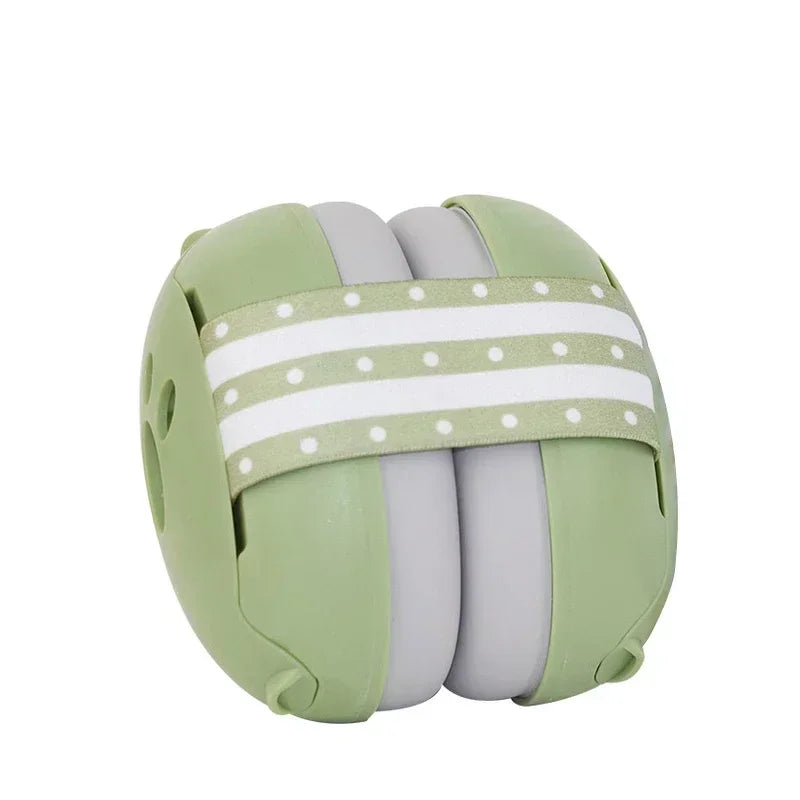
Infant noise protection using cotton sound insulation for daily comfort 💡 See it in action
Why this baby noise reduction earmuff fits your needs
Baby sensitive hearing protection stands out by combining comfort, safety, and simplicity. Designed with cotton sound insulation, it balances protection with breathability, making it suitable for short and extended use.
- Soft, pressure-free headband
- Lightweight for newborns and infants
- Easy to pack in diaper bags
- Supports everyday routines without disruption
Parents often combine this with essentials from Baby Care Essentials or monitoring tools from Monitoring Devices for a well-rounded safety setup.
Comparing noise protection options
| Option | Comfort | Noise Control | Best For |
|---|---|---|---|
| Cotton-insulated earmuffs | High | Moderate | Daily outings |
| Foam earplugs | Low | High | Not recommended |
| Electronic devices | Variable | Adjustable | Older children |
Expert tips for using hearing protection safely
- Use only during noisy situations, not all day.
- Ensure proper fit without tight pressure.
- Observe baby cues—remove if discomfort appears.
- Combine with calm routines like feeding or soothing touch.
Many parents pair noise protection with calming aids from Massage & Relaxation to create a soothing experience.
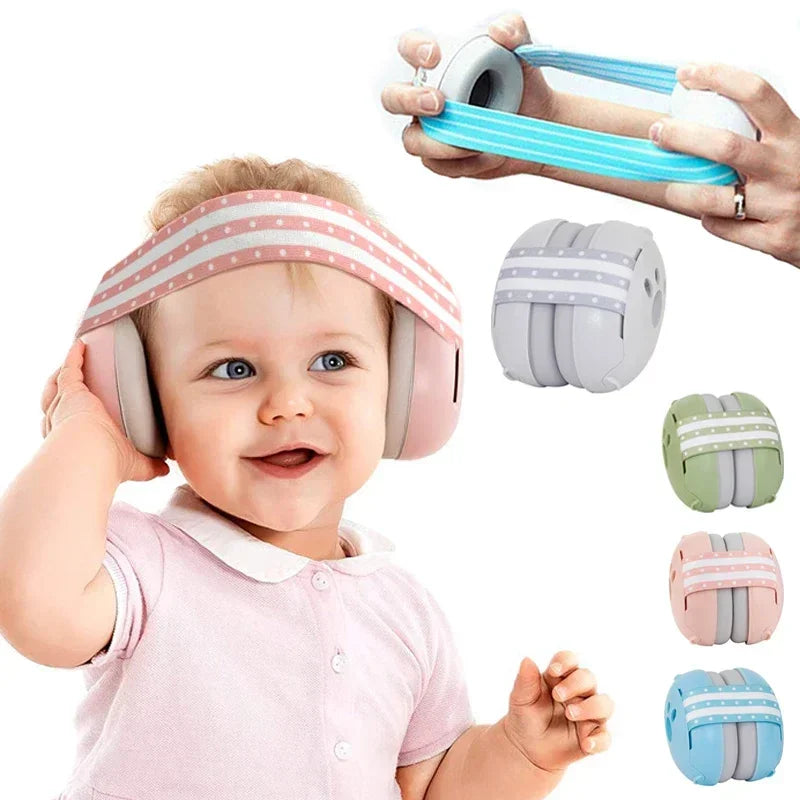
Baby sensitive hearing protection supporting safe noise levels for newborns 💡 See it in action
Mini FAQ
Is baby sensitive hearing protection safe for newborns?
Yes, when designed specifically for infants, it supports safe noise levels for newborns without blocking important sounds.
Can babies still hear voices while wearing it?
Gentle designs reduce harsh noise while allowing babies to recognize familiar voices and cues.
When should parents use hearing protection?
During short periods of loud or unpredictable noise such as travel, events, or busy outdoor areas.





