

Bands Rolling During Squats Why Fabric Design Matters
Why do bands roll during squats?
Bands rolling during squats usually happen because the material can’t grip skin or leggings evenly. Narrow or slick bands pinch at the edges, curl under tension, and shift with movement. Wide resistance bands made from textured fabric spread pressure and stay flat, reducing roll and keeping your squat form stable.
Bands Rolling During Squats: Why Fabric Design Matters
⏱ 6 min read
Bands rolling during squats can turn a focused workout into a constant adjustment battle. If you’ve ever paused mid-set to pull a band back into place, you’re not alone. The issue often isn’t strength or technique—it’s how the band is built. Fabric design, width, and grip play a bigger role than most people realize.
Ever feel like you’re doing everything right—feet planted, knees tracking, core tight—yet your band still rolls? That frustration is common for busy parents squeezing workouts into nap time or early mornings. The good news: the right design solves this fast.
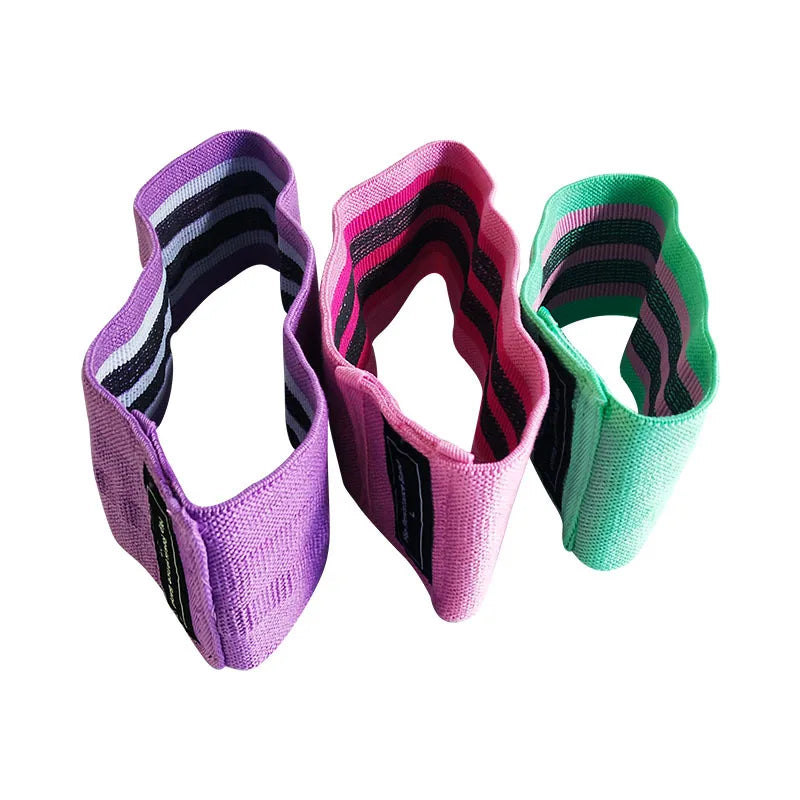
Wide resistance bands reduce bands rolling during squats 💡 See it in action
Ready to stop adjusting mid-squat? Many people discover that switching to fabric-based, wide resistance bands makes workouts smoother and more effective from the first rep.
👉 Explore bands designed to stay flat during squats
Why bands rolling during squats happens
Bands rolling during squats happen when tension concentrates at the edges instead of spreading across the leg. Narrow bands dig in, smooth materials slide, and overstretching causes curling. A stable band must balance stretch, surface grip, and width to stay flat through the full squat range.
- Uneven pressure causes edge curl
- Slick materials slide on skin or leggings
- Overstretching weak elastic leads to folding
- Narrow width increases pinching
For parents working out at home, this isn’t just annoying—it breaks focus and shortens sessions you already worked hard to fit in.
Fabric vs plastic resistance bands: what really matters
Fabric vs plastic resistance bands differ most in surface texture and tension control. Fabric bands use woven fibers that grip without sticking, while plastic bands rely on smooth latex that often slides and rolls. Over time, plastic stretches unevenly, increasing curl during squats.
Key differences you’ll feel immediately
- Grip: Fabric grips gently; plastic slides
- Comfort: Fabric feels softer on skin
- Stability: Fabric stays flat under load
- Durability: Fabric resists overstretching
Many wellness-focused routines already favor fabric tools for comfort and consistency, similar to products found in Beauty & Wellness collections designed for daily use.
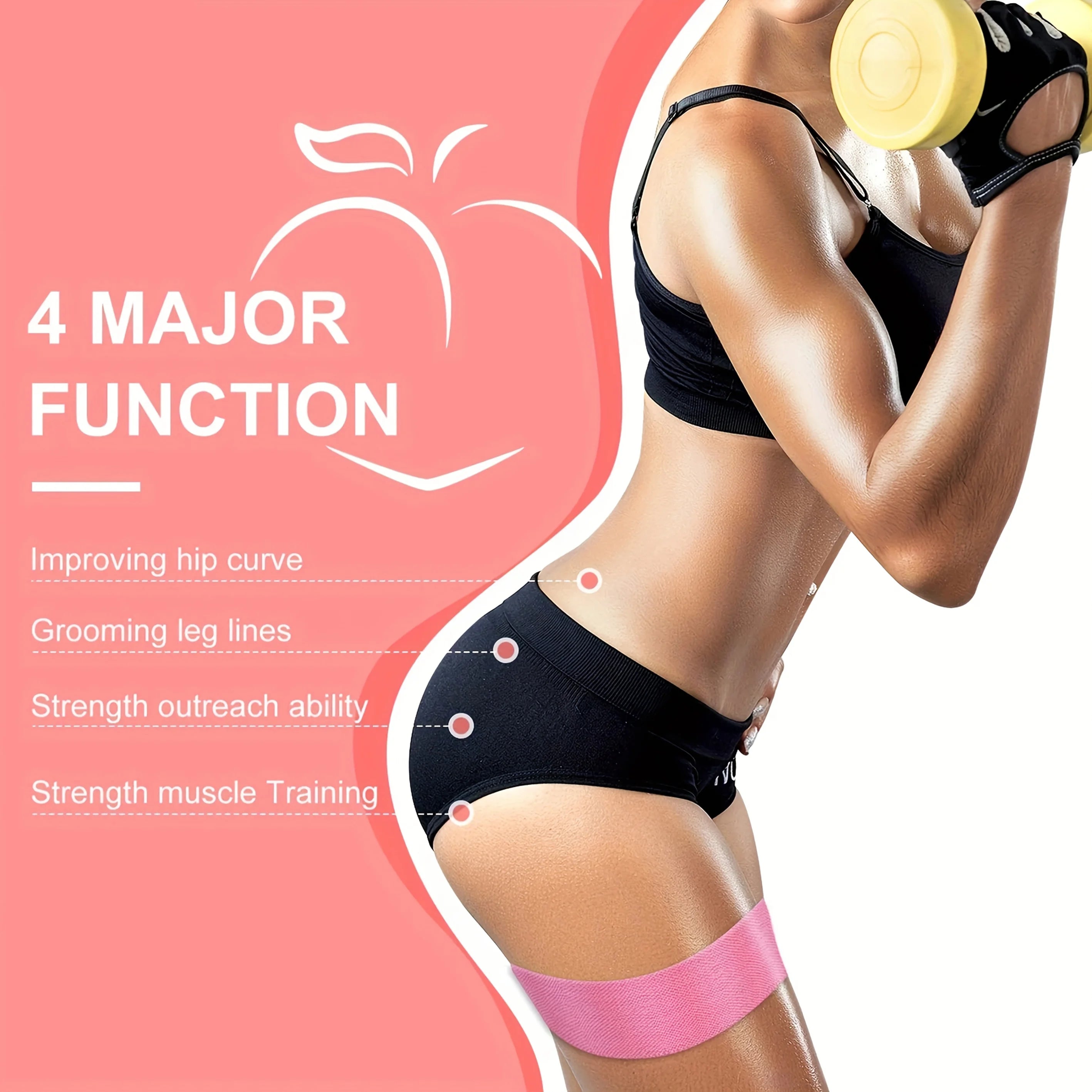
Fabric vs plastic resistance bands comparison 💡 See it in action
Why wide resistance bands stay put
Wide resistance bands distribute tension across more surface area, reducing edge pressure that causes rolling. Instead of digging into one line on your thigh, the band stays flat, even as you sit deeper into squats or pulse at the bottom.
- Pressure spreads evenly across muscles
- Less pinching means better circulation
- Improved stability through full range
- More confidence to focus on form
This design principle mirrors safety-first thinking found in Health & Safety tools—comfort supports consistency.
What makes the best anti slip booty bands
The best anti slip booty bands combine woven fabric, reinforced stitching, and balanced elasticity. These elements work together to prevent curling, slipping, and sudden tension changes during squats and lateral movements.
Features to look for
- Textured inner weave for grip
- Wide profile (usually 3 inches or more)
- High-quality elastic core
- Reinforced seams to prevent warping
For multitasking parents, this reliability means fewer interruptions and more effective short workouts.
👉 See how a no-roll design supports stronger squats
How better bands improve real workouts
Imagine finishing a squat set without once adjusting your band. Stable bands support better muscle activation, smoother reps, and more confidence—especially important when workouts double as stress relief.
Many users pair resistance training with recovery routines inspired by Massage & Relaxation to stay consistent without burnout.
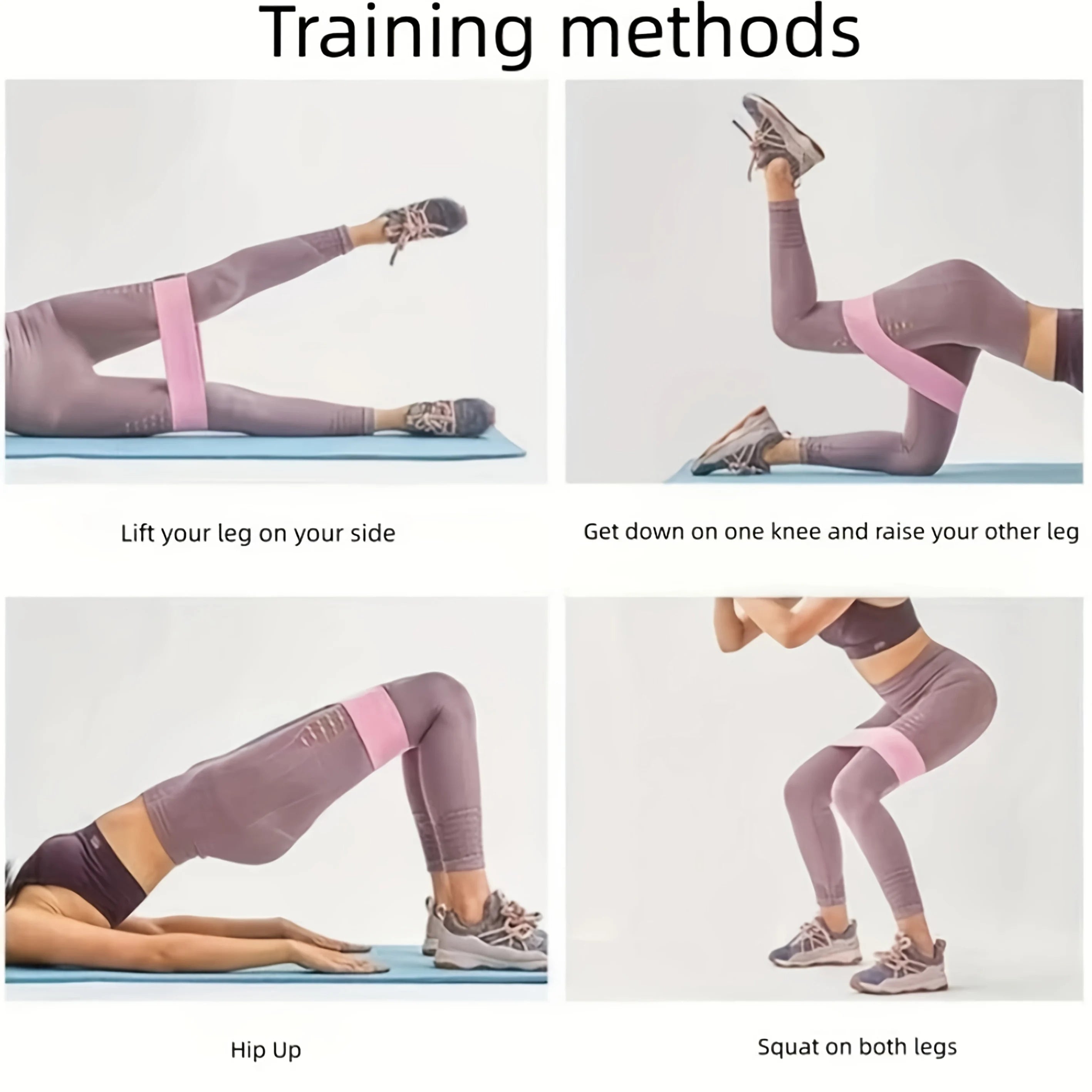
Best anti slip booty bands for no-roll squats 💡 See it in action
Wide fabric bands vs narrow plastic bands
| Feature | Wide Fabric Bands | Narrow Plastic Bands |
|---|---|---|
| Rolling during squats | Minimal | Common |
| Comfort | High | Low to moderate |
| Grip | Textured, stable | Slick |
| Durability | Long-lasting | Prone to overstretch |
For families balancing fitness and daily care, dependable tools save time and energy—much like practical finds in Mobility & Training.
Stop fighting your gear. A smarter band design helps every squat feel controlled and productive.
👉 Get a no-roll squat band today
Frequently Asked Questions
Do bands rolling during squats mean my form is wrong?
Not usually. While form matters, bands rolling during squats are more often caused by narrow width or slick materials that can’t grip evenly.
Are fabric bands better for beginners?
Yes. Fabric bands feel more comfortable and stable, making them easier to control while learning proper squat depth and alignment.
How wide should a squat band be?
Most people benefit from bands around 3 inches wide, which helps distribute pressure and prevents curling.
Can I use the same bands for other exercises?
Absolutely. Wide fabric bands work well for glute bridges, lateral walks, and warm-ups without constant adjustment.
Related Guide: Glute Bands Multiple Resistance Levels Explained for Faster Progress





