

Bedtime Routine for Better Sleep You Can Set Up Tonight
Does a bedtime routine for better sleep really work?
Yes. A bedtime routine for better sleep works by training your brain and body to recognize consistent cues that signal it’s time to rest. Following the same steps nightly—like dimming lights, reducing noise, and using calming sound—can shorten the time it takes to fall asleep and reduce nighttime wake-ups.
Bedtime Routine for Better Sleep You Can Set Up Tonight
A bedtime routine for better sleep doesn’t have to be complicated or time-consuming. With the right environment, simple habits, and supportive tools, you can create sleep routines for adults that calm the mind, reduce interruptions, and make falling asleep feel natural again—even on busy nights.
⏱ 8 min read
Do you ever crawl into bed exhausted, only to find your mind racing while every little sound feels louder than it should? Many adults struggle not because they lack sleep time, but because their evenings don’t prepare their bodies to rest. The good news: tonight can be different.
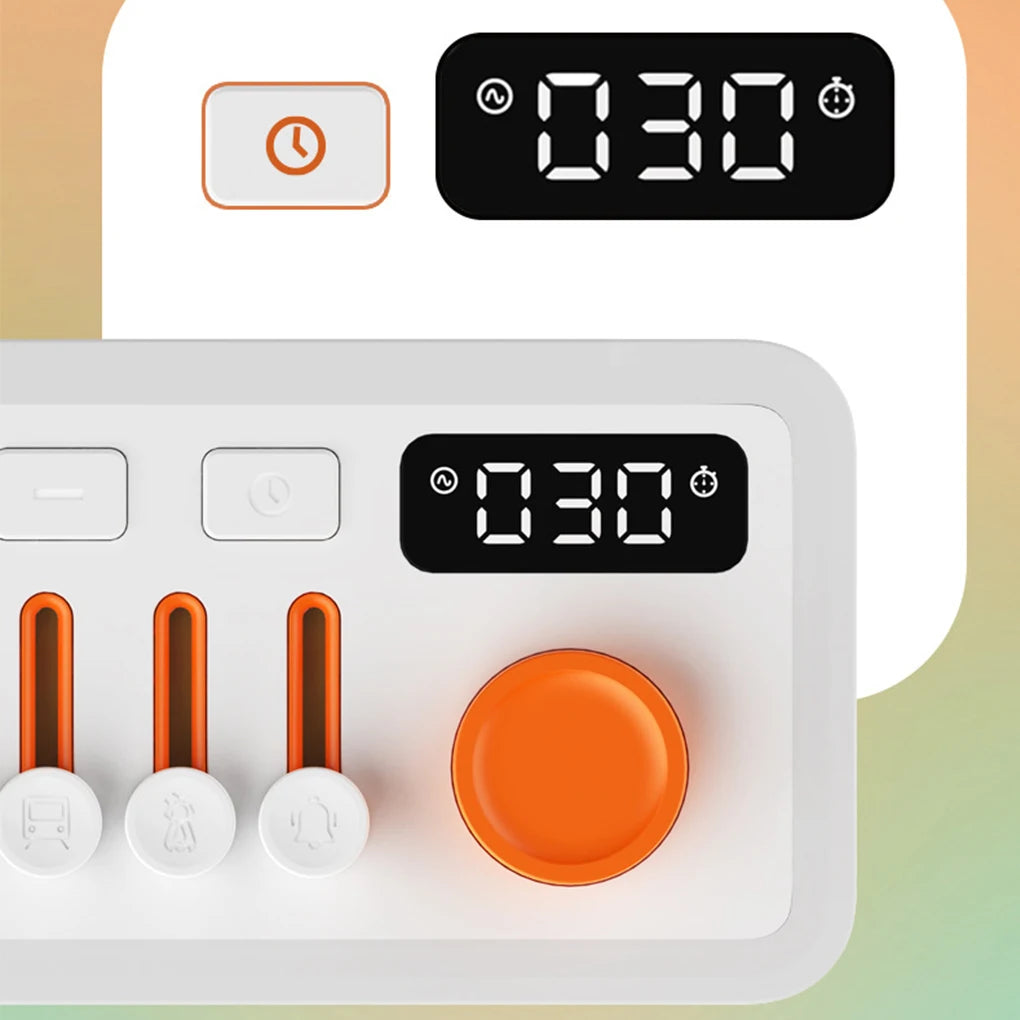
A calming bedtime routine for better sleep starts with the right environment and consistent cues 💡 See it in action
Why a Consistent Bedtime Routine Matters
A bedtime routine for better sleep works because the brain thrives on patterns. When you repeat the same calming actions each night, your nervous system begins to power down automatically instead of staying on high alert.
- Signals safety and predictability to the brain
- Reduces stress hormones before bed
- Improves sleep onset and continuity
- Creates smoother transitions from day to night
Adults juggling work, parenting, and constant notifications often skip this transition. That’s why sleep routines for adults need to be realistic—not perfect.
How to Set Up an Insomnia Environment That Supports Sleep
One of the biggest barriers to rest is a bedroom that stimulates instead of soothes. An effective insomnia environment setup focuses on controlling light, sound, and comfort.
Light: Dim and Warm
Lower lights at least 30 minutes before bed. Avoid bright overhead bulbs and choose warm-toned lamps to encourage melatonin release.
Sound: Consistent, Not Silent
Sudden noises trigger micro-awakenings. Using white noise to sleep helps mask unpredictable sounds like traffic, pets, or household movement.
Comfort: Familiar and Uncluttered
Remove visual clutter and keep bedtime essentials within reach to reduce unnecessary movement once you’re settled.
Many families already apply these principles for children. The same approach works beautifully for adults, which is why items from the Sleep & Comfort collection often support better rest across all ages.
A Simple Step-by-Step Bedtime Routine for Better Sleep
A bedtime routine for better sleep should be easy enough to repeat every night, even when you’re tired. Follow this structure and adjust timing as needed.
- Disconnect (10 minutes): Put away screens and silence notifications.
- Reset the space (5 minutes): Dim lights, close curtains, set room temperature.
- Calm the body (5–10 minutes): Gentle stretching, breathing, or skincare.
- Sound cue (all night): Turn on consistent white noise.
This routine works because it layers cues—physical, environmental, and auditory—so your brain doesn’t have to guess when it’s time to sleep.
Why Using White Noise to Sleep Reduces Night Wake-Ups
Using white noise to sleep creates a steady sound backdrop that prevents sudden noises from pulling you out of deeper sleep stages. Unlike silence, which amplifies disruptions, consistent sound keeps the brain relaxed.
- Masks unpredictable environmental noise
- Supports longer periods of deep sleep
- Helps adults who wake easily during the night
- Creates a familiar sleep cue when traveling
Parents often discover this while soothing infants, then realize it helps their own sleep just as much. That’s why sound-based tools are frequently paired with calming items from Massage & Relaxation collections.
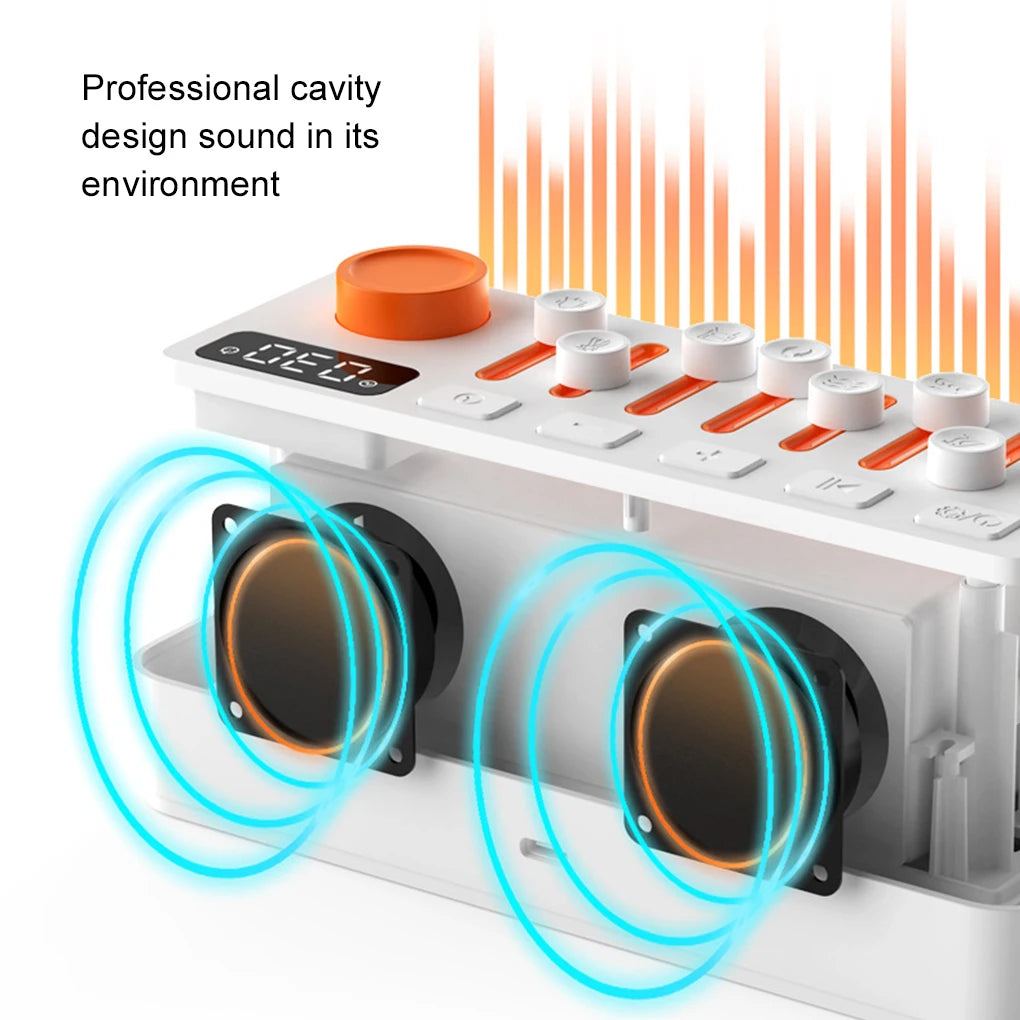
Using white noise to sleep supports deeper rest and fewer disruptions 💡 See it in action
Why a Rechargeable Sleep Sound Machine Fits Real Life
A reliable sound source matters. A rechargeable sleep sound machine avoids cord clutter, power interruptions, and volume drops that can break sleep continuity.
As a portable white noise machine, it adapts to:
- Bedrooms with limited outlets
- Shared spaces where consistent sound is needed
- Travel or overnight stays
- Adults sensitive to sudden silence
Many users report fewer awakenings when sound runs steadily all night instead of shutting off unexpectedly.
You can explore one option here: rechargeable sleep sound machine, designed to function as a white noise speaker and sleep speaker without cords or interruptions.
Sample 30-Minute Night Routine That Actually Sticks
| Time | Action | Purpose |
|---|---|---|
| 10:00 pm | Dim lights, tidy room | Reduce stimulation |
| 10:10 pm | Skincare or stretch | Relax muscles |
| 10:20 pm | Turn on white noise | Create sleep cue |
| 10:30 pm | Lights off, settle in | Transition to sleep |
This routine mirrors what sleep specialists recommend for insomnia environment setup—consistent cues, minimal decisions, and supportive sound.
Common Bedtime Routine Mistakes to Avoid
- Changing routines every night
- Relying on silence in noisy homes
- Letting devices shut off mid-sleep
- Overcomplicating relaxation steps
Consistency matters more than perfection. Tools that work automatically—like all night white noise—reduce mental load and improve follow-through.
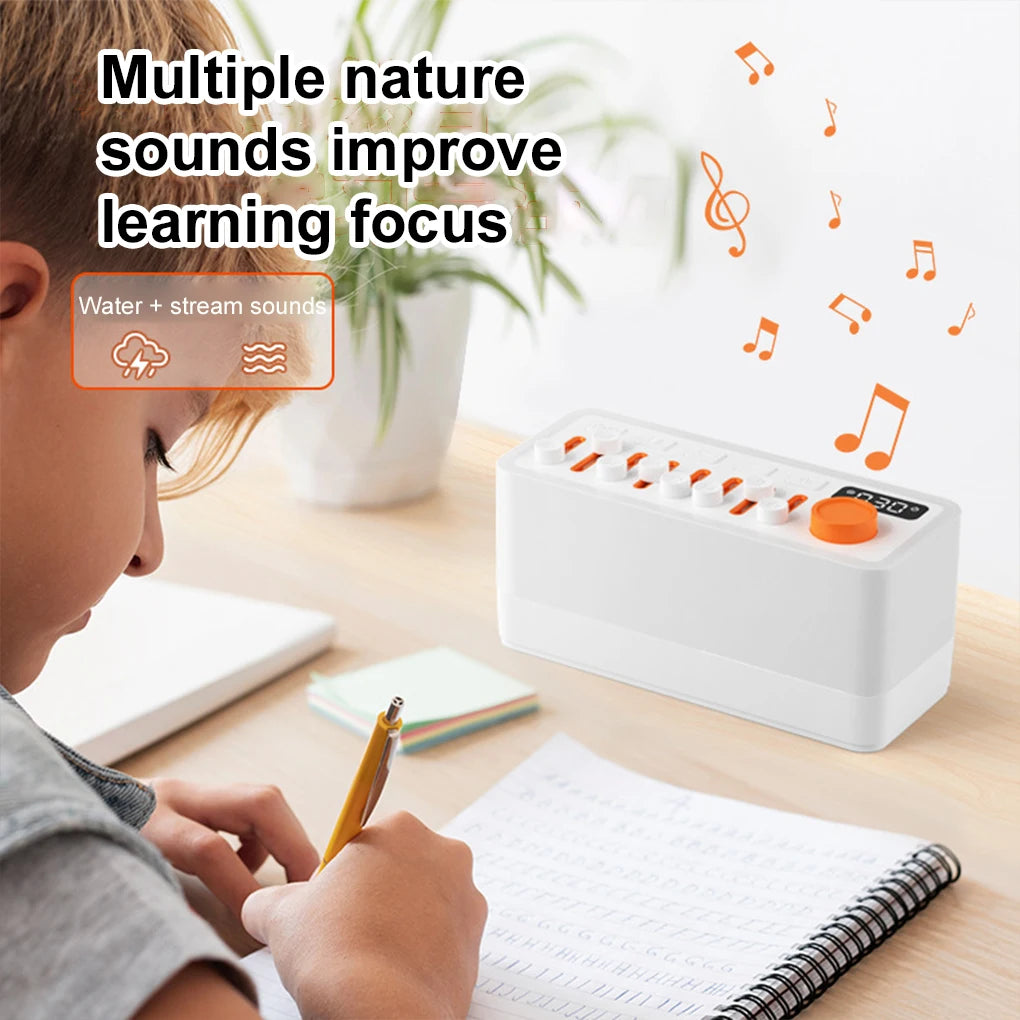
A cordless sleep aid supports a stable bedtime routine for better sleep 💡 See it in action
Many households already trust similar devices from the Health & Safety collection because reliability matters when rest is on the line.
Quick FAQs
How long before bed should my routine start?
Most adults benefit from starting a bedtime routine for better sleep 30–60 minutes before lights out, depending on stress levels and daily activity.
Is white noise better than music for sleep?
White noise is more consistent and less stimulating than music, making it more effective for maintaining uninterrupted sleep.
Can I use the same routine when traveling?
Yes. Portable white noise machines help recreate familiar sleep cues, even in unfamiliar environments.
What if I wake up during the night?
Consistent all night white noise reduces the chance of full awakenings by masking sudden sounds.





