

Baby Waist Stool Buying Guide: Choose the Right Fit for You
Does a baby waist stool carrier really make daily outings easier?
The best baby waist stool carrier helps reduce arm strain, improve balance, and make frequent pick-ups more comfortable. An ergonomic infant hip seat shifts much of your baby's weight toward your hips and core, allowing many caregivers to carry their child with better posture during errands, travel, and everyday routines. While it isn't a replacement for every type of baby carrier, it can be an excellent solution for short, frequent carries.
Best Baby Waist Stool Carrier for Busy Parents on the Go
⏱ 7 min read — If your baby wants to be held constantly but your back, shoulders, and arms need relief, you're far from alone. From grocery shopping to daycare pick-ups and household chores, repeatedly lifting your child can become physically demanding. Choosing the right baby waist stool carrier can make daily outings more comfortable while helping you support your baby safely.
Unlike bulky traditional carriers that often require multiple straps and adjustments, a hip seat carrier allows quick pick-ups and easy transitions throughout the day. For parents who frequently move babies between the stroller, car seat, shopping cart, and their arms, that convenience can make a noticeable difference.
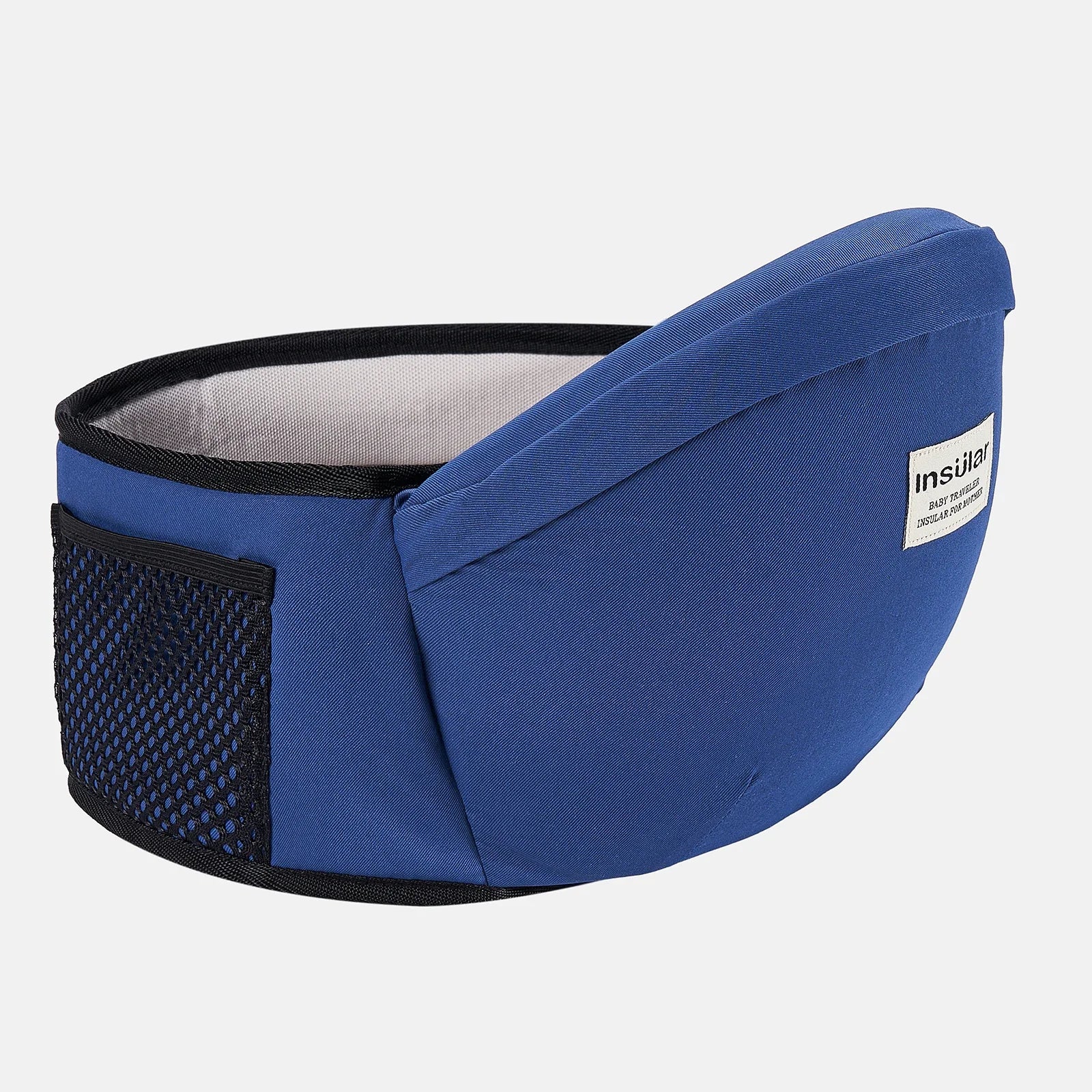
Ergonomic infant hip seat support that improves infant carrier safety. See it in action.
Baby Waist Stool Buying Guide: How to Choose the Right Hip Seat Carrier
Finding the best baby waist stool starts with understanding how and where you'll use it. A hip seat carrier is designed primarily for parents who frequently pick up and put down their baby rather than wearing them continuously for hours.
Before purchasing, consider:
- Your baby's current age, weight, and developmental stage.
- Whether you'll mostly use it at home, while traveling, or during errands.
- How often different caregivers will share the carrier.
- Whether built-in storage, breathable fabric, or extra lumbar support matters most to your routine.
Parents looking for a waist stool with baby buying guide should focus on comfort, proper fit, safety, and long-term usability instead of simply choosing the lowest-priced model.
What Is a Baby Waist Stool Carrier and How Does It Work?
A baby carrier waist stool combines a supportive waist belt with a firm infant hip seat. Instead of relying mainly on your shoulders, much of your baby's weight rests over your hips, which can reduce fatigue during short carries.
Hip seat vs traditional baby carrier
Traditional soft structured carriers typically distribute weight across the shoulders, back, and waist while allowing hands-free carrying for longer periods. A hip seat carrier, by comparison, is optimized for quick lifts, helping parents transition their child on and off with minimal adjustment.
| Feature | Hip Seat Carrier | Traditional Carrier |
|---|---|---|
| Quick pick-ups | ✅ Excellent | ➖ Moderate |
| Extended hands-free wear | ➖ Limited | ✅ Better |
| Weight support | ✅ Primarily hips & core | ✅ Shoulders, waist & back |
| Frequent up-and-down transitions | ✅ Ideal | ❌ Less convenient |
When a hip seat is the better choice
An infant hip seat carrier works especially well when your child wants to alternate between walking and being carried, or when you're running errands that require frequent movement. Many families use one for shopping, airport travel, daycare drop-offs, parks, and indoor activities.
When Should You Start and Stop Using a Baby Waist Stool?
Recommended age range
Most baby waist stools are recommended once a baby has developed sufficient head and neck control, typically around 4 to 6 months. Always follow the manufacturer's age and weight recommendations for your specific model.
Weight limits and developmental milestones
Many hip seat carriers support children well into the toddler years, although exact weight capacities vary by manufacturer. As your child becomes more independent and walks longer distances comfortably, you'll likely rely on the carrier less frequently.
Rather than choosing based solely on age, look at:
- Independent head control
- Good trunk stability
- Your baby's current weight
- The carrier's maximum weight rating
Safety and Ergonomic Features to Prioritize
The safest baby carrier waist stool supports both caregiver comfort and healthy infant positioning. Well-designed carriers help maintain stability while reducing unnecessary pressure on the caregiver's shoulders.
Healthy hip positioning
Choose an infant hip seat carrier that supports your baby's thighs evenly and promotes a natural seated position rather than allowing the legs to dangle unsupported.
Essential safety certifications
Look for products manufactured to recognized safety standards and carefully inspect stitching, buckles, and adjustment mechanisms before each use.
Proper seat angle and secure fit
- Wide padded waist belt for stability
- Anti-slip seat surface
- High-density supportive seat construction
- Reinforced buckles with secure locking mechanisms
- Adjustable waist sizing for multiple caregivers
Correct positioning is just as important as the carrier itself. Babies should remain close to the caregiver with their airway unobstructed and their body well supported.
Pairing your carrier with essentials from Health & Safety helps create safer, more confident outings.
How to Choose the Best Baby Waist Stool Carrier
The best baby waist stool buying guide focuses on long-term comfort rather than appearance alone. Since many families use a hip seat several times each day, small design differences become important over time.
Caregiver comfort and adjustability
- Wide adjustable waistband
- Comfortable lumbar support
- Even weight distribution
Storage and convenience
Some models include zippered storage pockets for diapers, wipes, phones, or keys, reducing the need for an additional small bag during quick trips.
Fabric, breathability, and cleaning
Breathable mesh panels improve airflow in warmer weather, while removable, machine-washable fabrics simplify cleaning after everyday use.
Durability for daily use
Look for reinforced stitching, quality buckles, and durable materials that can withstand years of frequent lifting. A durable hip seat carrier often provides better long-term value than replacing lower-quality options.
Many parents pair waist stool carriers with practical finds from Mom Essentials to stay organized and comfortable on the go.
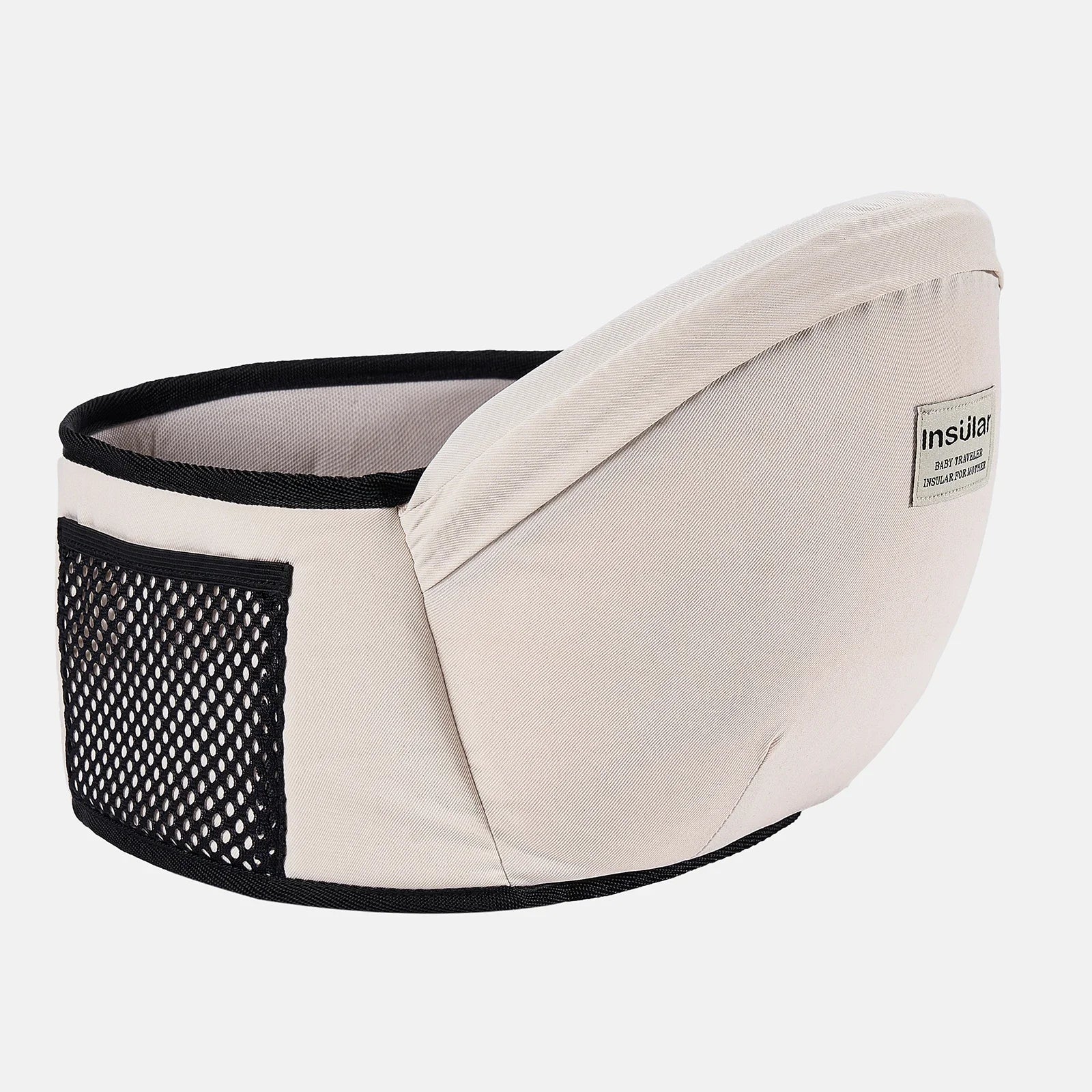
Hands-free parenting support for daily outings. See it in action.
Baby Waist Stool Buying Checklist
- ✓ Fits your waist comfortably with room for adjustment
- ✓ Appropriate weight capacity for your child
- ✓ Non-slip seating surface
- ✓ Secure safety buckles
- ✓ Comfortable padding for caregiver and baby
- ✓ Breathable, easy-to-clean materials
- ✓ Durable construction for daily use
- ✓ Features that match your budget and lifestyle
Pros and Cons of Baby Waist Stools vs Traditional Baby Carriers
| Baby Waist Stool | Traditional Baby Carrier |
|---|---|
| Excellent for frequent pick-ups | Better for extended hands-free carrying |
| Fast to put on | Requires more adjustment |
| Reduces arm fatigue | Better for longer walks and hikes |
| Compact for daily errands | Often bulkier but offers more support over time |
If your routine involves frequent lifting throughout the day, a hip seat carrier can be a practical complement to a traditional structured carrier rather than a complete replacement.
Comparison Guide: Which Type of Hip Seat Carrier Fits Your Needs?
| Situation | Recommended Choice |
|---|---|
| Newborn caregivers | Follow manufacturer guidance and consider a structured newborn carrier until sufficient head control develops. |
| Travel | Compact hip seat with storage pockets. |
| Daily errands | Lightweight baby waist stool with breathable fabric. |
| Larger babies and toddlers | High-capacity model with wider seat and reinforced waistband. |
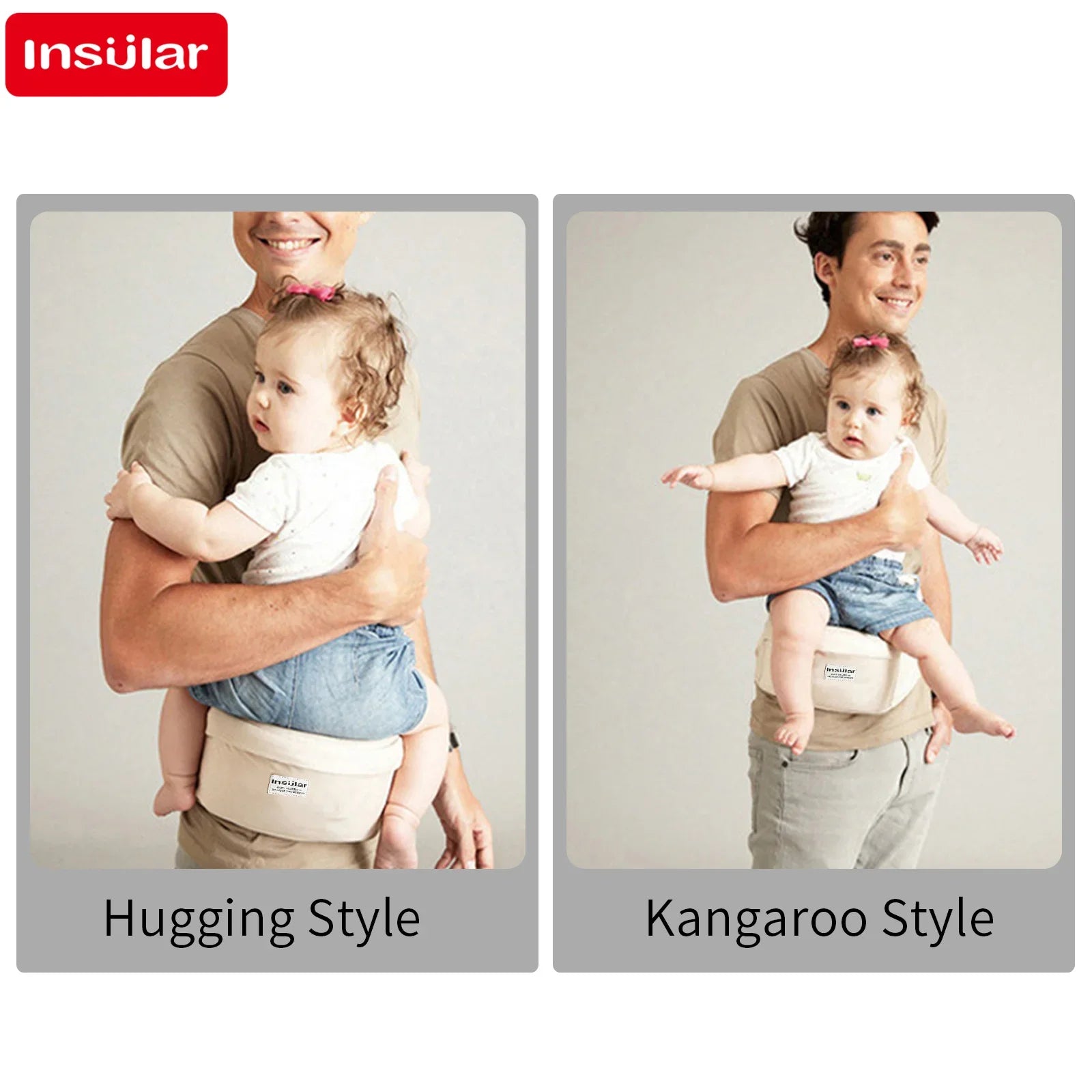
Trusted infant hip seat comfort parents rely on. See it in action.
Frequently Asked Questions
Is a waist stool carrier safe for newborns?
Most models are intended for babies who have developed adequate head and neck control. Always follow the manufacturer's recommended age, weight, and usage guidelines before use.
Can I use a waist stool carrier for long walks?
Hip seat carriers are generally best for short outings and frequent pick-ups. For extended walks or hiking, a structured baby carrier may provide better overall support.
Does a waist stool carrier fit different body types?
Most quality models feature adjustable waist belts designed to accommodate a wide range of body sizes. Check the manufacturer's waist measurement range before purchasing.
How do I choose the right baby waist stool size for my body?
Select a carrier with an adjustable waistband that fits securely without excessive movement. A snug fit helps distribute your baby's weight more evenly across your hips.
What safety certifications should a baby waist stool have?
Look for products from reputable manufacturers that comply with applicable safety standards and include clear instructions, quality buckles, and durable stitching.
Are hip seat carriers safe for a baby's hips?
When used correctly and adjusted properly, many hip seat carriers support a natural seated position. Proper positioning and following manufacturer instructions remain essential.
What is the difference between a hip seat carrier and a soft structured carrier?
A hip seat carrier focuses on convenient short carries and quick transitions, while a soft structured carrier is designed for longer periods of hands-free babywearing.
How much weight can most baby waist stool carriers support?
Weight limits differ by manufacturer, so always check the specific product specifications before use and stop using the carrier once your child exceeds the recommended maximum weight.
Which baby waist stool is best for first-time parents?
First-time parents often benefit from models that prioritize adjustability, clear safety features, breathable materials, and straightforward operation over unnecessary extras.
How do I clean and maintain a hip seat carrier?
Follow the manufacturer's care instructions. Many carriers feature removable or washable fabric covers, while buckles and straps should be inspected regularly for wear.
Is a baby waist stool worth buying for everyday use?
If you frequently carry your child for short periods throughout the day, a baby waist stool can improve comfort, reduce arm fatigue, and make daily routines more efficient.





