

Back Sleeper Pillow vs Side Sleeper Pillow: Which Fits You?
Does the best side and back sleeper pillow really work?
The best side and back sleeper pillow supports natural neck and spine alignment by adapting to changing sleep positions. Designed for a pillow side and back sleeper, it reduces pressure points, improves sleeping positions for spinal alignment, and helps ease discomfort often linked to back pain, leading to more consistent, restorative sleep.
Best Side and Back Sleeper Pillow Advantages Explained
Finding the best side and back sleeper pillow can feel overwhelming, especially if neck stiffness, shoulder tension, or back pain greets you every morning. The right pillow supports healthy spinal alignment, accommodates movement between sleep positions, and helps reduce pressure on your neck and shoulders. Whether you're a dedicated back sleeper, a side sleeper, or someone who changes positions throughout the night, understanding how pillow design affects support can help you sleep more comfortably.
⏱ 7 min read
Ever wake up wondering why your shoulders ache even after a full night's sleep? Many people naturally alternate between sleeping on their side and back without realizing it. Choosing a pillow designed to support both positions can make a noticeable difference in comfort, posture, and recovery.

Best side and back sleeper pillow supporting pillow side and back sleeper comfort. See it in action.
Explore a smarter sleep support option: Lumbar Support Pillow for Sleeping
Back Sleeper Pillow vs Side Sleeper Pillow: What's the Difference?
Understanding the back sleeper pillow vs side sleeper pillow comparison starts with how each sleeping position affects your spine.
A back sleeper pillow is typically lower in loft and designed to support the natural curve of the neck without pushing the head too far forward. In contrast, a side sleeper pillow is generally taller to fill the space between the shoulder and head, helping keep the neck aligned with the rest of the spine.
- Back sleeper pillow: Medium loft, supports the neck while keeping the head level.
- Side sleeper pillow: Higher loft to bridge the shoulder gap and reduce neck bending.
- Combination pillow: Balances both designs for people who change positions overnight.
The difference between back sleeper and side sleeper pillows isn't just height—it also includes firmness, contouring, and pressure distribution, all of which influence sleep quality.
Comparison Table: Side Sleeper vs Back Sleeper Pillow
| Feature | Back Sleeper Pillow | Side Sleeper Pillow | Combination Sleeper Pillow |
|---|---|---|---|
| Loft | Low to medium | Medium to high | Medium with adaptive support |
| Firmness | Medium | Medium-firm to firm | Responsive medium-firm |
| Neck support | Supports cervical curve | Keeps neck level with spine | Supports both sleeping positions |
| Spinal alignment | Excellent for back sleeping | Excellent for side sleeping | Designed for both |
| Pressure relief | Head and neck | Shoulders and neck | Balanced pressure distribution |
Loft, Firmness, and Shape Differences Explained
Loft for back sleepers
Back sleepers usually benefit from a pillow with a lower or medium loft that keeps the chin in a neutral position. Excessive height can push the head forward, increasing strain on the neck.
Loft for side sleepers
Side sleepers generally require a taller pillow because the shoulder creates a larger gap between the head and mattress. Proper loft helps maintain sleeping positions for spinal alignment and minimizes pressure on the neck.
How firmness affects neck support
Firmness determines how well a pillow maintains its shape throughout the night. A pillow that is too soft may flatten, while one that is too firm may create pressure points. Responsive materials that contour without collapsing often provide the best balance for combination sleepers.
How Pillow Design Affects Spinal Alignment
The best side and back sleeper pillow fills the natural gap between your neck and mattress, helping maintain a neutral spine regardless of your sleeping position.
Back sleeper pillow position
For back sleepers, the pillow should support the neck while allowing the back of the head to rest comfortably. This prevents the chin from tilting toward the chest and helps reduce muscle tension.
Side sleeping alignment
When sleeping on your side, the pillow should keep your nose aligned with the center of your body instead of letting the head tilt toward the mattress. A side sleeping pillow for back pain may also reduce pressure on the shoulders and hips.
Mattress firmness considerations
Your mattress affects pillow performance. Softer mattresses allow the shoulders to sink deeper, often requiring a slightly lower pillow, while firmer mattresses usually require additional loft to maintain proper neck alignment.
- Maintains a neutral neck position.
- Reduces twisting through the lower back.
- Balances pressure across the shoulders and hips.
- Supports healthier sleeping positions for spinal alignment.
Materials Compared: Which Fill Works Best?
The best side and back sleeper pillow depends not only on shape but also on the filling material.
| Material | Advantages | Best For |
|---|---|---|
| Memory foam | Excellent contouring and pressure relief | Neck pain and combination sleepers |
| Latex | Responsive, durable, naturally breathable | People wanting firmer support |
| Down or down alternative | Soft, lightweight, compressible | Sleepers preferring plush comfort |
| Adjustable fill | Customizable loft and firmness | Changing sleep positions and body types |
Support consistency, cooling performance, durability, and pressure relief should all be considered when comparing pillow materials.
For added relaxation and muscle recovery, many sleepers combine supportive pillows with soothing tools from Massage & Relaxation collections.
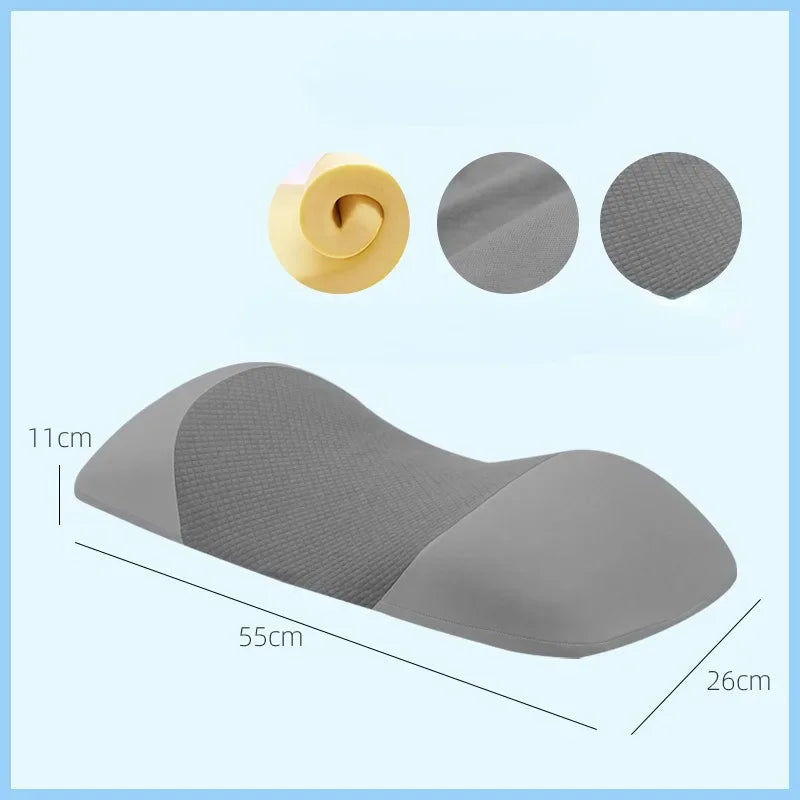
Pillow side and back sleeper design enhancing sleeping positions for spinal alignment. See it in action.
Learn how proper support can change your mornings: Discover lumbar-friendly sleep support
Which Pillow Should You Choose?
Back sleepers
Choose a medium-loft pillow that supports the natural curve of your neck without lifting the head too high.
Side sleepers
Select a higher-loft pillow that fills the distance between your shoulder and head while maintaining a straight spine.
Combination sleepers
If you regularly alternate between positions, look for an adaptive pillow with responsive foam or adjustable fill. These designs accommodate movement while maintaining support.
People with neck or back pain
A supportive side sleeping pillow for back pain should combine pressure relief with stable neck support. Shoulder width, body size, and mattress firmness should all influence your choice.
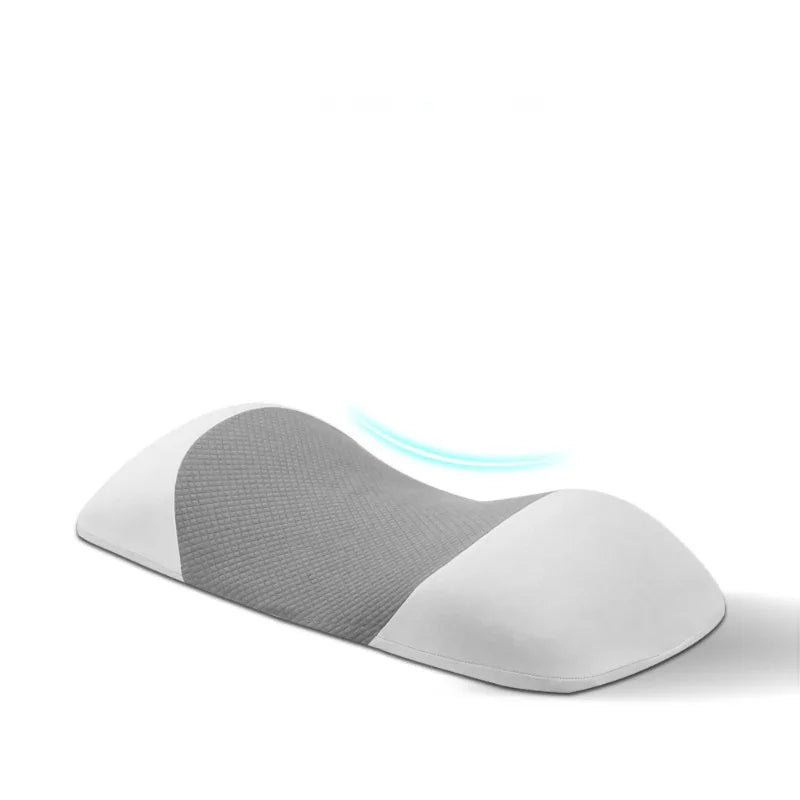
Side sleeping pillow for back pain comfort that supports real rest. See it in action.
Ready to improve nightly comfort? Get supportive sleep relief today
Common Pillow Buying Mistakes
- Choosing the wrong loft for your body size or shoulder width.
- Ignoring mattress firmness when selecting pillow height.
- Waiting too long to replace a pillow that has lost support.
- Overlooking adjustable designs if you frequently change sleeping positions.
A high-quality pillow should continue supporting your neck after months of regular use. If it stays compressed or no longer rebounds, it may be time for a replacement.
Frequently Asked Questions
Should back sleepers use a pillow?
Yes. Most back sleepers benefit from a supportive pillow that maintains the natural curve of the neck while keeping the head aligned with the spine.
What is a back sleeper pillow?
A back sleeper pillow is designed with a lower or medium loft to support the cervical spine without forcing the head forward.
Can one pillow work for both side and back sleeping?
Yes. The best side and back sleeper pillow uses adaptive materials and balanced loft to support both sleeping positions comfortably.
Which pillow is better for neck pain?
Pillows that maintain neutral spinal alignment—especially contoured memory foam or adjustable-fill designs—often provide better neck support than pillows that flatten quickly.
When should you replace your pillow?
Most quality pillows should be replaced every 1 to 2 years, depending on the material, wear, and how well they continue supporting your neck and shoulders.
Related Guide: Pressure Relieving Pillow Features: How It Supports Back Health





