

Saggy Breasts After Pregnancy: What Really Helps?
Do saggy breasts after pregnancy go away naturally?
Saggy breasts after pregnancy are a normal result of changes that happen during pregnancy, including skin stretching, hormonal shifts, breast growth, and changes after breastfeeding. While breasts may not always return exactly to their pre-pregnancy shape, many women notice gradual improvements as the body recovers. Supportive habits, healthy skin care, proper support, and realistic postpartum recovery strategies can help improve comfort and appearance over time.
Breasts Sagging After Pregnancy: Causes, Recovery Timeline, and What Really Helps
⏱ 7 min read
Breast sagging after pregnancy is one of the most common body changes many women experience after giving birth. If you notice saggy breasts after pregnancy, softer breast tissue, or changes in shape after breastfeeding, these changes are usually part of the body’s natural transition—not a sign that something is wrong.
Understanding why breast shape changes, what can naturally improve, and which habits support recovery can help you create a realistic postpartum care routine. While no product or exercise can completely reverse natural tissue changes, consistent support may help improve comfort, skin health, and confidence during recovery.
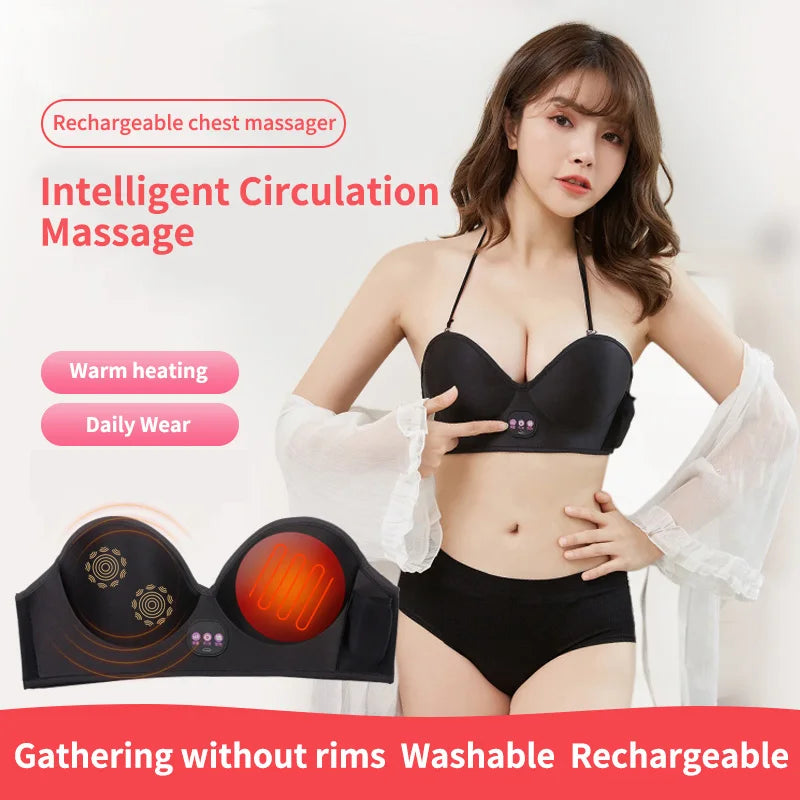
Understanding breast sagging after pregnancy and postpartum recovery support
Why Do Breasts Sag After Pregnancy?
Breast sagging after pregnancy happens because several physical changes occur during pregnancy, childbirth, and breastfeeding. The breasts are made of fat, glandular tissue, connective tissue, and skin—not muscle—so changes in volume and skin elasticity can affect their appearance.
Hormones, milk production, and breast tissue changes
During pregnancy, hormones such as estrogen and progesterone stimulate breast growth and prepare the body for breastfeeding. Breast tissue expands as milk-producing structures develop, which can stretch the surrounding skin and supportive tissues.
After breastfeeding ends or milk production decreases, breast volume may reduce. When stretched skin and connective tissue do not immediately contract, breasts can appear softer or lower than before.
How skin, collagen, and Cooper's ligaments are affected
The skin and connective structures that support breast shape are influenced by stretching, aging, genetics, and weight changes. Cooper’s ligaments help maintain breast support, but repeated expansion and contraction can contribute to changes in firmness.
- Reduced skin elasticity after stretching
- Changes in collagen and connective tissue support
- Breast size fluctuations during pregnancy and nursing
- Natural aging processes affecting firmness
Does breastfeeding actually cause sagging?
Breastfeeding itself is not the only cause of sagging breasts after breastfeeding. Research suggests that pregnancy-related changes, including breast enlargement and hormonal shifts, often contribute more than breastfeeding alone.
Factors such as age, genetics, number of pregnancies, and weight changes can influence how much breast shape changes after delivery.
Who Is More Likely to Experience Breast Sagging After Pregnancy?
Every woman’s postpartum recovery is different. Some women experience noticeable changes in breast position and firmness, while others see minimal changes.
Factors that may increase the likelihood of droopy breasts after pregnancy include:
- Genetics: Family history can influence skin elasticity and breast structure.
- Age: Skin naturally produces less collagen over time, which may affect recovery.
- Weight fluctuations: Significant changes before, during, or after pregnancy can stretch breast skin.
- Multiple pregnancies: Repeated breast size changes may increase tissue stretching.
Can You Improve Saggy Breasts After Pregnancy?
Many women wonder how to fix saggy breasts after pregnancy or how to firm up breasts after pregnancy. The most realistic approach is understanding that recovery focuses on supporting skin health, posture, muscle strength, and overall wellness rather than completely reversing natural changes.
What improves naturally over time
After delivery, hormone levels gradually stabilize and breast tissue may continue adjusting for months. Some firmness and shape changes can occur naturally as swelling decreases and the body completes postpartum recovery.
What lifestyle habits can support recovery
Healthy routines can support your body while it heals:
- Maintaining gradual, sustainable weight changes
- Eating enough protein and nutrient-rich foods
- Staying hydrated to support skin health
- Protecting skin from excessive sun exposure
What exercises can and cannot do
Exercise cannot directly lift breast tissue because breasts do not contain muscle. However, strengthening the chest, shoulders, and upper body may improve posture and create a more lifted appearance by supporting the muscles underneath the breasts.
Postpartum exercise guides can help women return safely to movement while respecting recovery needs.
Can Massage Help Breast Recovery?
Massage is often included in postpartum self-care routines because gentle touch may support relaxation, circulation, and skin care. However, current evidence does not show that massage alone can permanently tighten or lift breast tissue.
For women looking for how to tighten breast after delivery, massage may be best viewed as a supportive practice rather than a guaranteed reshaping treatment.
- May encourage circulation around the treated area
- Can support moisturizing and skin care routines
- May help reduce feelings of heaviness or tension
- Provides a relaxing self-care moment during postpartum recovery
Safe massage practices include using gentle pressure, avoiding painful movements, and stopping if you notice discomfort, irritation, or unusual breast changes.
Many moms explore supportive options from the Massage & Relaxation collection as part of a broader wellness routine.
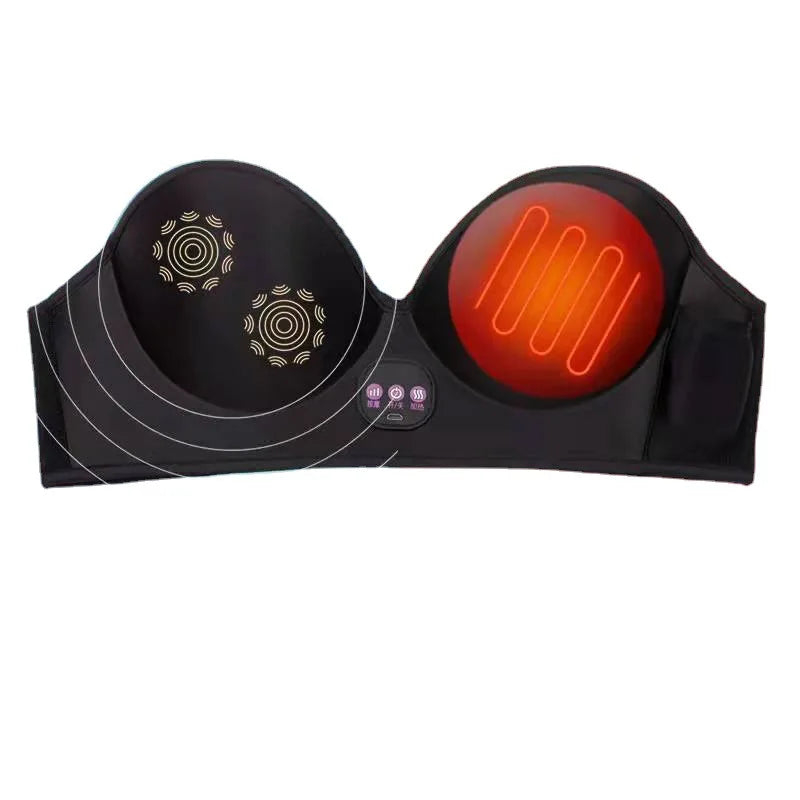
Gentle postpartum self-care routines can support comfort and recovery
Daily Habits That May Help Prevent Breast Sagging After Pregnancy
Learning how to prevent saggy breasts after pregnancy starts with consistent daily support. While lifestyle habits cannot completely prevent natural breast changes, they may help maintain skin health and comfort.
- Wear supportive bras: Proper support can reduce discomfort, especially during periods of breast size changes.
- Maintain gradual weight changes: Avoiding rapid weight fluctuations may reduce repeated skin stretching.
- Focus on nutrition and hydration: Vitamins, minerals, protein, and water support overall skin health.
- Protect skin: Moisturizing and sun protection can help maintain skin quality.
Many women also explore gentle self-care solutions from Beauty & Wellness to support postpartum skin routines.
When Should You See a Healthcare Professional?
Most breast changes after pregnancy are normal. However, some symptoms should be checked by a healthcare professional.
Seek medical advice if you notice:
- A new breast lump that does not go away
- Persistent or worsening breast pain
- Skin changes such as unusual dimpling or thickening
- Redness, warmth, swelling, or possible signs of infection
- Unusual nipple discharge unrelated to breastfeeding
Regular postpartum checkups can help identify concerns early and provide personalized guidance.
Medical Treatments for Persistent Breast Sagging
For women seeking how to fix saggy breasts after breastfeeding, medical treatments may be considered when lifestyle changes do not provide the desired outcome.
Non-surgical options
Some clinics offer non-surgical treatments designed to support skin tightening, including energy-based procedures. Results vary depending on skin quality, breast changes, and individual goals.
Breast lift surgery: expectations and limitations
A breast lift, also called mastopexy, is a surgical procedure that removes excess skin and reshapes breast tissue to improve position and firmness. It can provide more noticeable lifting than lifestyle approaches but involves costs, recovery time, and potential surgical risks.
Women considering treatment should discuss timing, breastfeeding plans, expected results, and risks with a qualified healthcare provider.
A Supportive Tool for Postpartum Self-Care
For moms who prefer gentle at-home routines, a wearable massage option can make consistency easier. The Electric Breast Massage Bra is designed to provide convenient massage support while fitting into busy postpartum schedules.
- Hands-free wearable design
- Gentle massage support for personal comfort
- Designed to fit into everyday self-care routines
It can complement broader postpartum routines alongside resources such as Feeding & Nursing support and other recovery-focused habits.
Frequently Asked Questions
Is it normal to have saggy breasts after giving birth?
Yes. Saggy breasts after giving birth are common because pregnancy stretches breast tissue, skin, and supportive structures. Changes can continue for months after delivery as the body adjusts.
Does breastfeeding make breasts sag permanently?
Breastfeeding does not automatically cause permanent sagging. Pregnancy-related changes, genetics, age, and weight fluctuations also play major roles in breast shape changes.
Can exercise tighten sagging breasts?
Exercise cannot tighten breast tissue itself, but chest and upper-body strengthening may improve posture and support the appearance of the chest area.
How long does it take for breasts to recover after pregnancy?
Recovery varies between women. Breast shape and firmness may continue changing for several months after childbirth, especially after breastfeeding ends.
Can breasts return to their original shape after breastfeeding?
Some women experience significant natural recovery, while others notice lasting changes. Genetics, age, skin elasticity, and pregnancy history influence results.
What is the best way to tighten loose breasts after delivery?
The best approach combines realistic expectations, supportive bras, healthy habits, skin care, strength training, and gentle self-care routines.
Can creams or oils lift sagging breasts?
Creams and oils may help moisturize skin and improve softness, but they cannot physically lift breast tissue or reverse structural changes.
When should I consider cosmetic treatment for breast sagging?
Cosmetic options may be considered when breast changes affect confidence and lifestyle after recovery is complete. A healthcare professional can help discuss suitable choices.
When should postpartum breast changes be evaluated by a doctor?
Breast lumps, persistent pain, skin changes, infection symptoms, or unusual discharge should be evaluated by a healthcare professional.
Related Guide: Female Breast Health: Solutions for Every Stage and Need





