

Buy Hip Seat Baby Carrier Honest Review Before You Decide
Does a hip seat baby carrier really make daily carrying easier?
Buy hip seat baby carrier options are designed to reduce arm strain while keeping infant carrier safety in focus. By shifting your baby’s weight onto a padded waist seat, an infant hip seat supports quick ups and downs, short errands, and comfort during everyday parenting moments without constant shoulder pressure.
Buy Hip Seat Baby Carrier Honest Review Before You Decide
⏱ 7 min read
Buy hip seat baby carrier choices often look simple—until you start thinking about your baby’s posture, your own back, and how often you’ll actually use it. This honest review walks through real-life use, comfort expectations, infant carrier safety considerations, and the hip seat carrier disadvantages parents wish they’d known earlier.
Have you ever picked up your baby “just for a minute” and felt your arm go numb five minutes later? Or worried whether your baby’s hips are truly supported? Let’s break it down.

Buy hip seat baby carrier comfort and infant hip seat support 💡 See it in action
What Is a Hip Seat Baby Carrier?
A hip seat baby carrier combines a structured waist belt with a padded seat that supports your baby’s bottom. Instead of suspending all weight from straps, the infant hip seat lets your baby sit naturally while your hips carry most of the load.
- Designed for short, frequent carries
- Encourages upright baby positioning
- Often used indoors or during quick outings
- Popular once babies have stronger neck control
Why Parents Buy Hip Seat Baby Carriers
Buy hip seat baby carrier searches usually come from tired arms and busy routines. Parents appreciate how quickly a baby can be picked up, set down, and repositioned without complex straps.
- Fast in-and-out convenience
- Less shoulder pressure during short carries
- Natural seated position for baby
- Helpful during growth spurts when babies want constant holding
Infant Carrier Safety: What Really Matters
Buy hip seat baby carrier decisions should always start with infant carrier safety. A proper hip seat keeps your baby’s hips supported, spine upright, and airway clear.
Key Safety Checks
- Wide, non-slip seat base
- Secure waist belt with firm closure
- Baby’s knees slightly higher than hips
- No slouching or forward tipping
Parents often overlook that hip seats are not hands-free unless combined with a back panel. Always keep one arm supporting your baby.
Hip Seat Carrier Disadvantages You Should Know
Buy hip seat baby carrier expectations can be unrealistic if disadvantages aren’t discussed openly.
- Not ideal for long walks or naps
- Requires active arm support
- Heavier than soft wraps
- Less suitable for newborns without strong neck control
These hip seat carrier disadvantages don’t make it a bad choice—but they do define when it works best.
Hip Seat vs Traditional Carriers: Quick Comparison
| Feature | Hip Seat | Traditional Carrier |
|---|---|---|
| Quick pickup | ✅ Yes | ❌ Slower |
| Long walks | ❌ Limited | ✅ Better |
| Arm freedom | ❌ Partial | ✅ Full |
| Storage pockets | ✅ Often included | ❌ Rare |
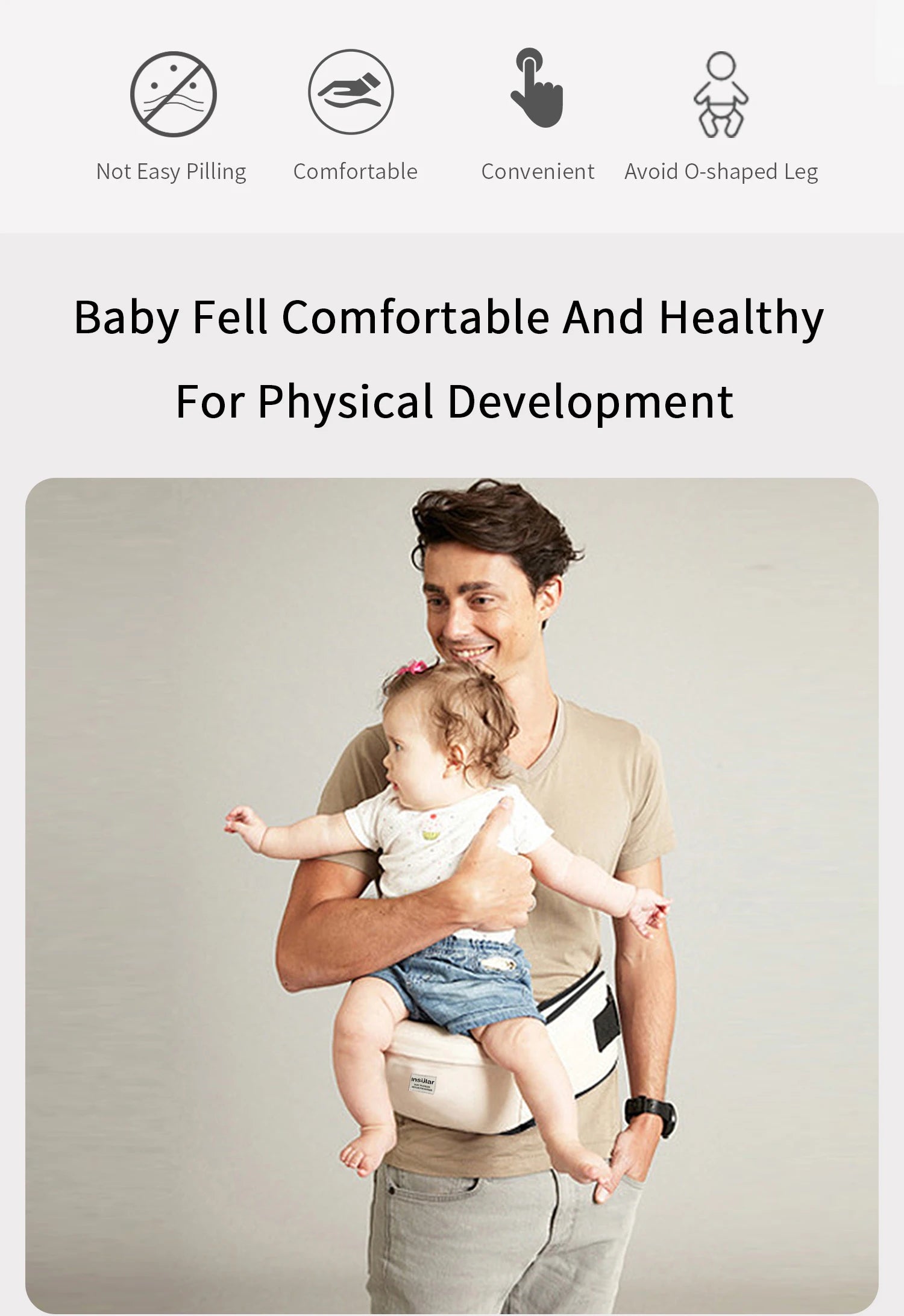
Comparing infant hip seat comfort with daily routines 💡 See it in action
Real Parent Experiences Using a Hip Seat
Many parents share similar stories: using the hip seat during cooking, soothing a fussy baby before naps, or handling quick store trips. One parent noted reduced wrist pain after switching, while another appreciated the extra storage for pacifiers.
Usage patterns show hip seats are most loved between 6–18 months, especially during clingy phases.
Who Should Buy a Hip Seat Baby Carrier?
Buy hip seat baby carrier options make sense if you:
- Carry your baby frequently for short periods
- Want less arm fatigue indoors
- Have a baby with good head control
- Need quick up-and-down convenience
If long hikes or hands-free chores are your priority, pairing with other carriers may be smarter.
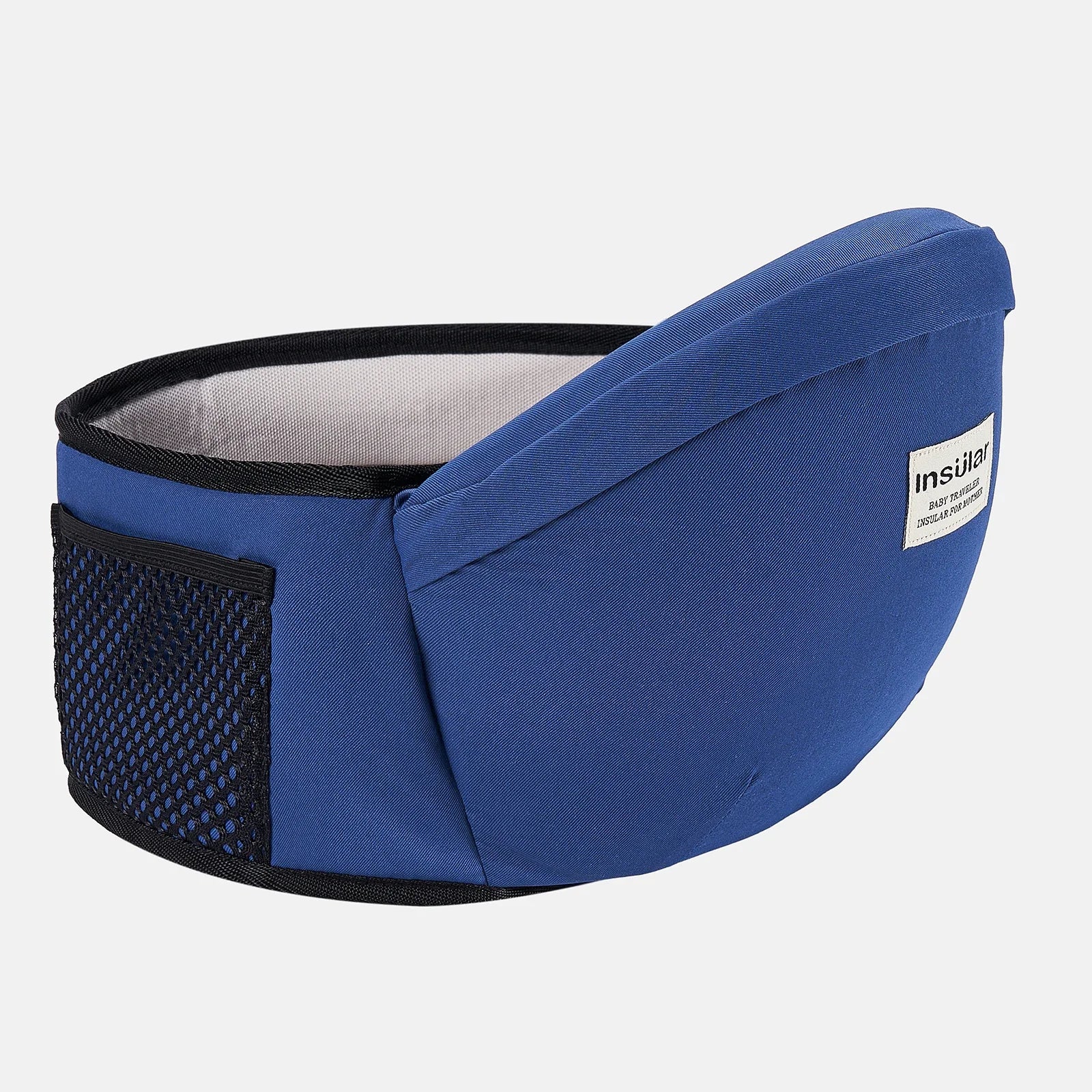
Everyday buy hip seat baby carrier use and infant carrier safety 💡 See it in action
Mini FAQ
Is a hip seat safe for infants?
Yes, when used correctly with proper hip support and constant supervision. Infant carrier safety depends on posture, seat width, and the baby’s developmental readiness.
What age is best for an infant hip seat?
Most parents start around 4–6 months when babies have stronger neck and trunk control.
Are hip seat carrier disadvantages serious?
They mainly affect long-duration use. For short carries and daily tasks, many parents find the trade-offs acceptable.





