

Can Babies Hear Music Womb? Proven Fetal Learning Facts
Can babies hear music in the womb?
Yes. Research shows that by around 18–20 weeks, developing ears can detect vibrations and muffled sounds, meaning can babies hear music womb is supported by evidence. Gentle rhythms and lower frequencies travel best, allowing fetuses to respond to in womb sounds without needing loud volume.
⏱ 7 min read
Can Babies Hear Music Womb? Studies Compared
Many parents wonder whether playing music during pregnancy is comforting or just background noise. Questions about safety, timing, and benefits often come up—especially when you want to bond without overstimulation. Understanding how fetal hearing develops helps you choose sounds that feel calm, intentional, and supportive for both parent and baby.
Which sounds are truly soothing for a developing baby—and which ones should you skip?
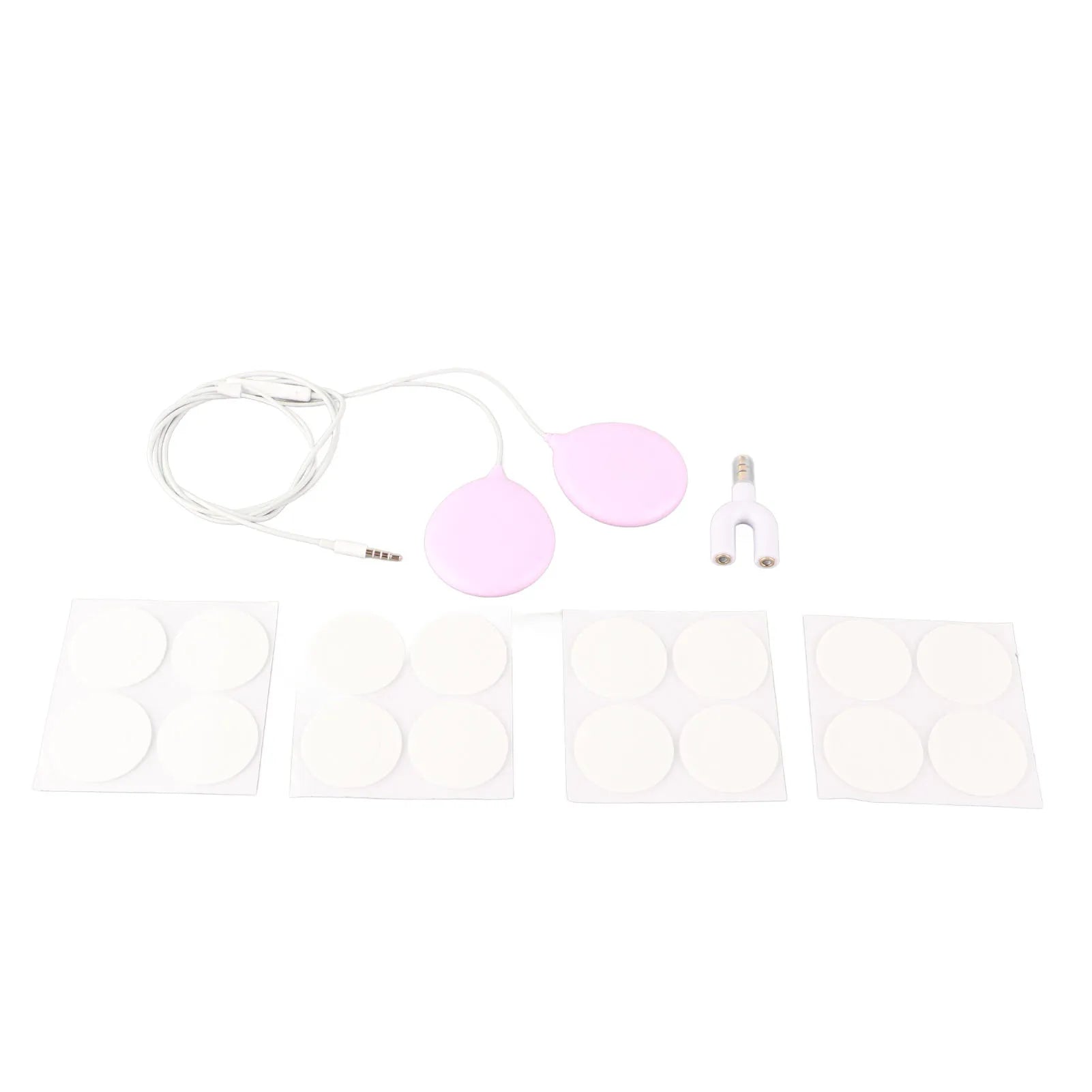
Fetus music womb experiences start with gentle rhythms and safe volume levels. 💡 See it in action
How Fetal Hearing Develops Over Time
Fetal hearing doesn’t appear overnight. Early in pregnancy, structures form slowly, and sensitivity increases with each trimester. Understanding this timeline helps parents avoid doing too much, too soon.
- Weeks 0–17: Ears are forming; no meaningful sound perception yet.
- Weeks 18–24: Basic hearing begins; low-frequency vibrations are detectable.
- Weeks 25–32: Responses to familiar in womb sounds may appear.
- Weeks 33+: More consistent reactions to rhythm and voice.
Because sound travels through tissue and fluid, what the fetus hears is softened—closer to a hum than clear audio.
What Sounds Reach the Womb Best?
Not all sounds pass through equally. Lower frequencies travel more efficiently, while sharp or high-pitched noise is heavily filtered.
- Slow-tempo instrumental music
- Soft singing or speaking voices
- Natural ambient sounds (rain, gentle waves)
- Steady rhythms similar to a heartbeat
These characteristics explain why relaxing music pregnancy playlists often focus on calm tempos rather than complexity.
What Studies Say About Prenatal Music Exposure
Can babies hear music womb in a way that affects learning? Studies compared across decades suggest consistent themes rather than dramatic claims.
| Study Focus | Observed Outcome | Limitations |
|---|---|---|
| Heart rate response | Calmer patterns with slow music | Short observation periods |
| Post-birth recognition | Familiar melodies noticed | Small sample sizes |
| Maternal stress levels | Reduced anxiety reported | Self-reported data |
The strongest takeaway is indirect: when parents relax, babies benefit from that calmer environment.
Pros and Cons of Playing Music During Pregnancy
Like many parenting choices, prenatal music exposure has upsides and cautions.
✅ Potential Benefits
- Supports parental relaxation
- Creates consistent bonding routines
- May aid familiarity after birth
- Encourages mindful moments
❌ Possible Downsides
- Overuse at high volume
- Expectations of guaranteed outcomes
- Ignoring natural quiet time
How to Keep Sound Levels Safe
Safety matters more than style. Experts generally recommend keeping sound below conversational volume.
- Play music at or below 60 decibels.
- Limit sessions to 15–30 minutes.
- Avoid placing speakers directly on the belly.
- Balance music with quiet periods.
Exploring resources in Health & Safety can help parents stay confident about sound choices.
Music Types Compared: What Works Best
Parents often ask which genres are most appropriate. Side-by-side comparisons help clarify expectations.
| Type | Why It’s Used | Best For |
|---|---|---|
| Classical (slow movements) | Predictable rhythm | Relaxation routines |
| Lullabies | Simple melody | Bonding moments |
| Nature sounds | Low frequency | Stress reduction |
| Upbeat pop | Higher tempo | Occasional enjoyment |
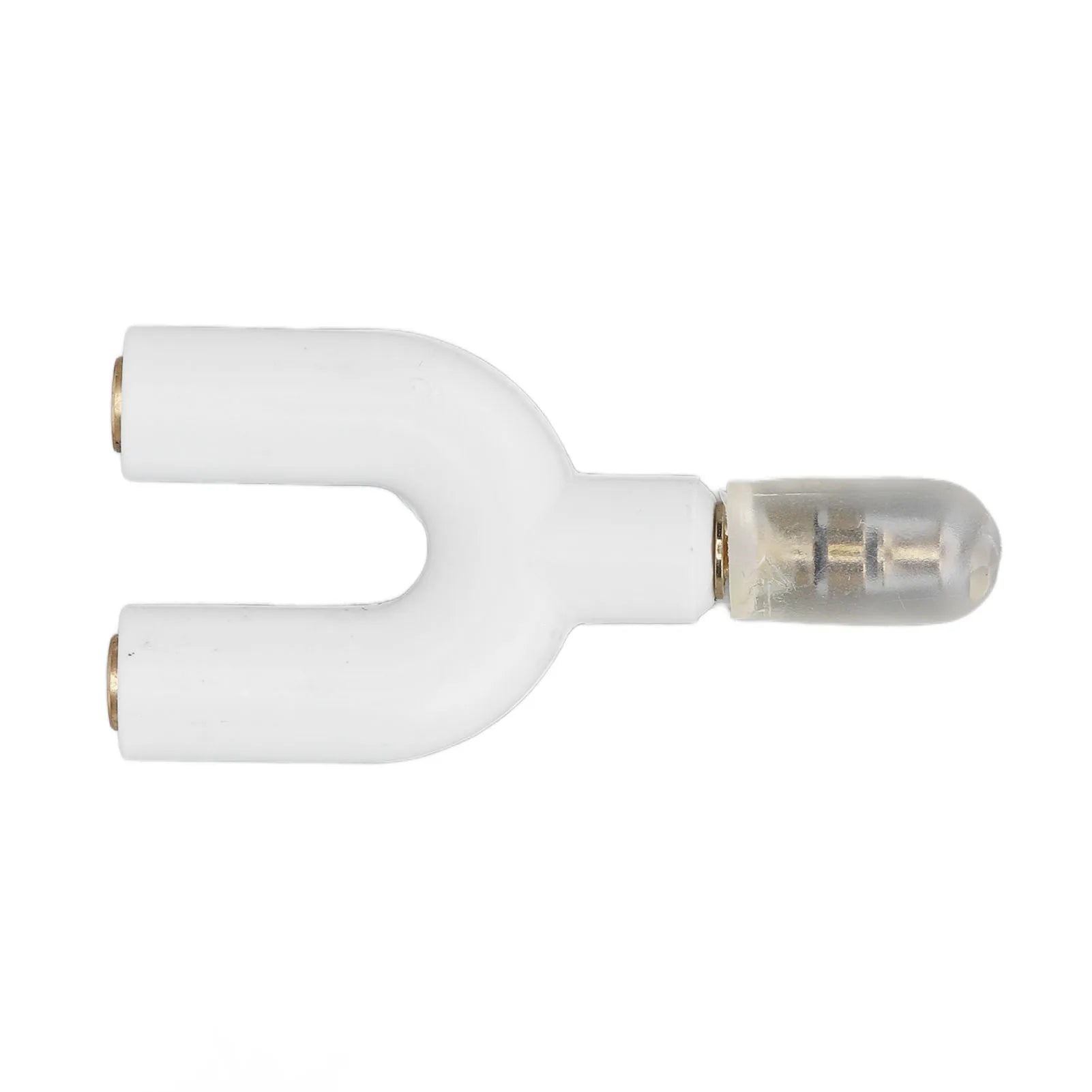
Prenatal music exposure works best when volume and tempo stay gentle. 💡 See it in action
Helpful Tools for Prenatal Listening
While speakers are common, some parents prefer more controlled options that focus sound gently.
- Low-volume external speakers
- Timed playlists
- Pregnancy belly headphones designed to limit direct intensity
Complementary items from Massage & Relaxation or Sleep & Comfort collections often support a calmer overall routine.
What Parents Notice After Birth
Many parents report subtle but meaningful moments—newborns settling faster with familiar melodies or voices. While not universal, these experiences reinforce the value of consistency rather than volume or complexity.
Several families also pair music with quiet time, movement, or breathing exercises, creating rituals that continue after birth.
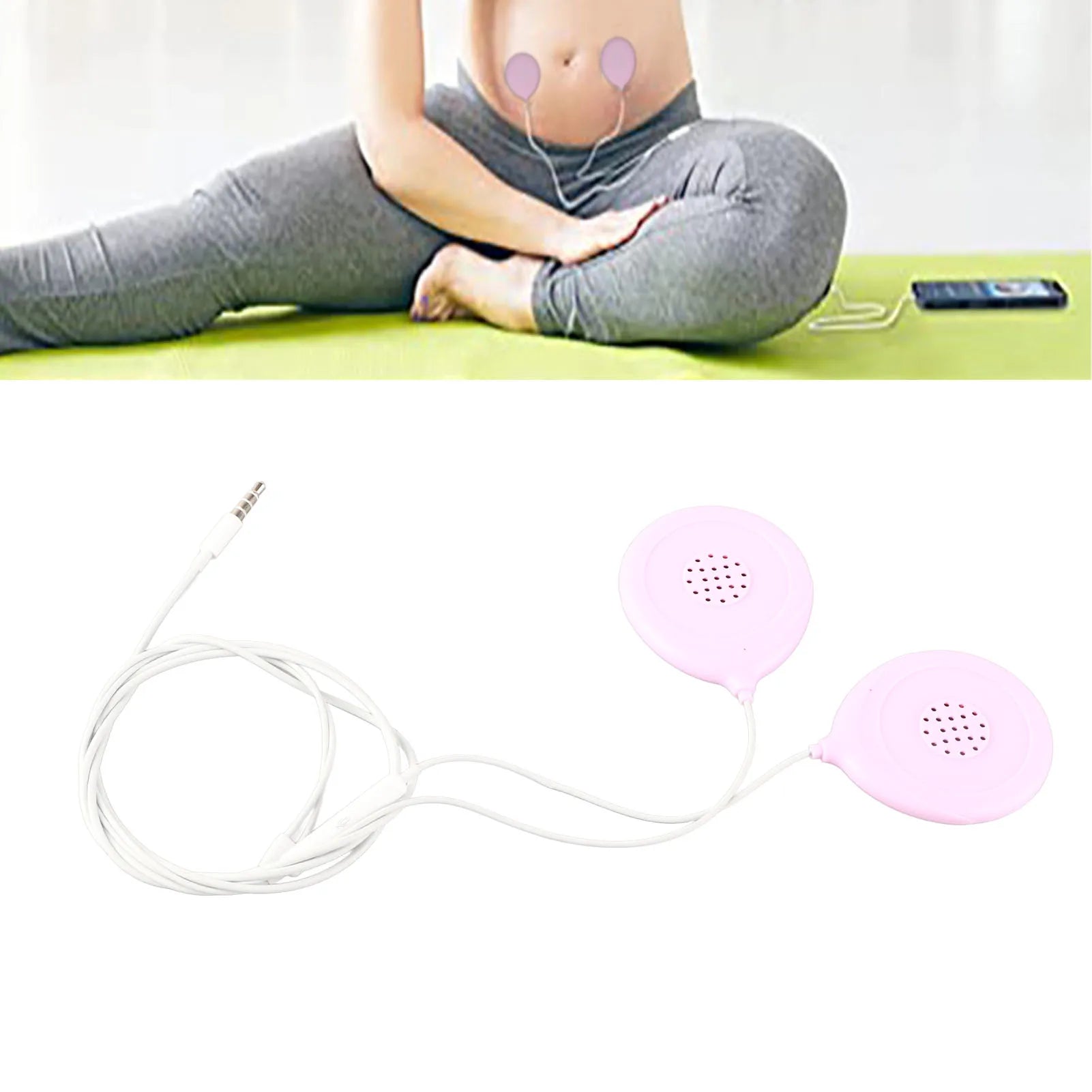
Safe sounds for unborn baby routines focus on calm repetition and comfort. 💡 See it in action
Mini FAQ
Can loud music harm a fetus?
Loud or prolonged high-volume sound may increase stress responses. Keeping volume low and sessions short helps maintain infant sound safety.
Is prenatal music therapy necessary?
No. It’s optional and most helpful when it supports parental relaxation rather than aiming for specific outcomes.
Do babies remember songs played before birth?
Some studies suggest recognition of familiar melodies, but responses vary. Consistency matters more than song choice.
When should parents start playing music?
After 20 weeks is common, once fetal hearing begins to develop. Earlier exposure doesn’t provide added benefit.
Related Guide: Prenatal Music Headphones Compared: Which Is Safest?





