

Can’t Sleep Cold Nights? Build a Cozy Bed Setup
Can’t sleep cold nights—does a cozy bed setup really help?
Yes. If you can’t sleep cold nights, building a layered, heat-trapping bed setup can significantly reduce wake-ups and improve rest. By combining breathable sheets, insulating layers, and targeted warmth, sleeping in a cold room becomes comfortable, helping your body maintain consistent warmth sleep comfort all night.
Can’t Sleep Cold Nights? Build a Cozy Bed Setup
Cold air creeping under the covers, chilly feet that won’t warm up, and constant tossing—if this sounds familiar, you’re not alone. Many light sleepers struggle when temperatures drop. The good news? A smarter bed setup can turn sleeping in a cold room into deep, restorative rest without blasting the heater.
⏱ 6 min read
Which small change makes the biggest difference when you can’t sleep cold nights? Read on to find out.
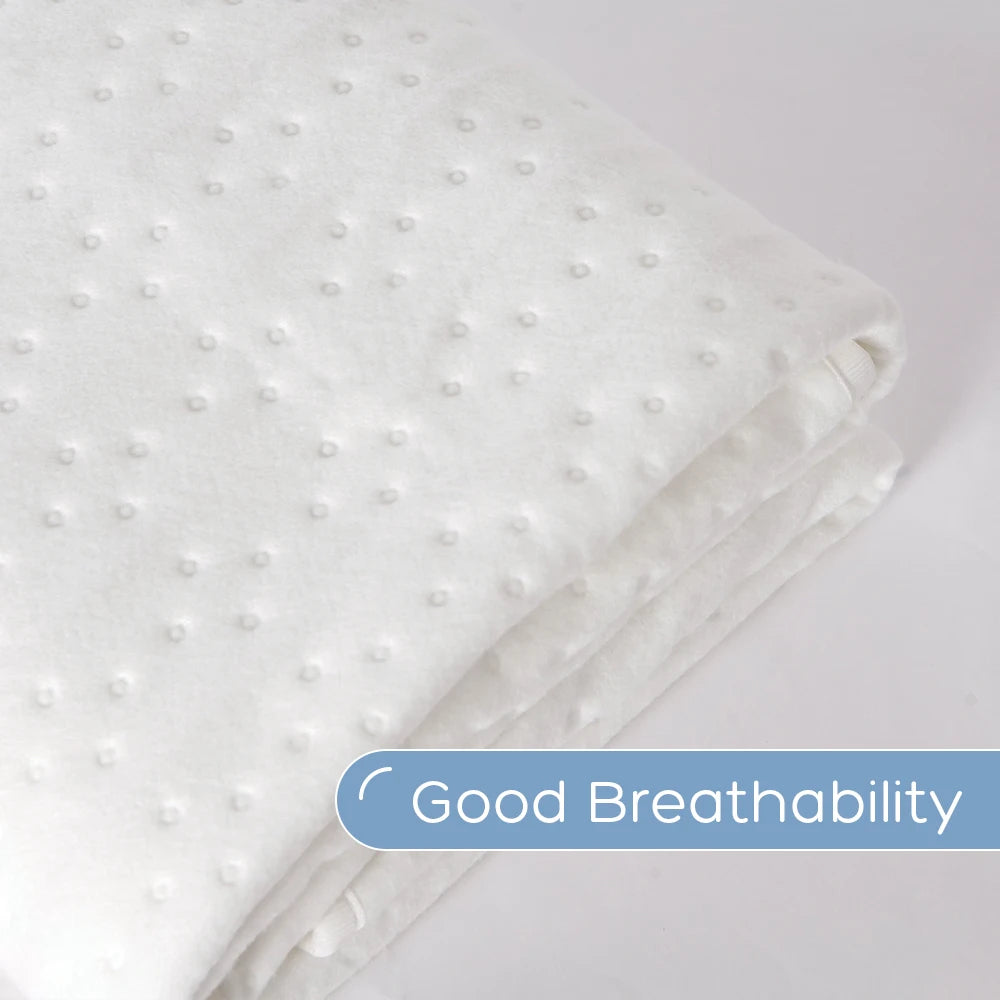
Staying warm in bed starts with the right layers when sleeping in a cold room 💡 See it in action
Why Cold Nights Disrupt Your Sleep
If you can’t sleep cold nights, it’s not just discomfort—it’s biology. Your body naturally lowers its core temperature to fall asleep, but cold air can push it too far, triggering shivering and micro-awakenings.
- Cold feet pull heat from your core
- Thin bedding lets warmth escape
- Dry winter air worsens restlessness
- Uneven warmth causes frequent wake-ups
For parents and caregivers already short on rest, these disruptions add up fast.
How a Smart Bed Layering System Solves Cold Sleep
If you can’t sleep cold nights, a layered bed traps heat efficiently while staying breathable. Instead of one heavy blanket, multiple layers work together to create consistent warmth sleep comfort without sweating.
- Base layer: Soft, breathable fitted sheet
- Insulating layer: Lightweight quilt or blanket
- Heat-retaining layer: Duvet or thermal blanket
- Optional warmth boost: Targeted heated layer
This system adapts easily when temperatures shift overnight.
Why Layering Beats One Thick Blanket
Multiple layers trap air—the best natural insulator—while allowing you to adjust warmth quickly. This approach is especially helpful for light sleepers and parents who wake easily.
Materials That Keep You Warm Without Overheating
Staying warm in bed isn’t about thickness alone. The right fabrics matter when sleeping in a cold room.
| Material | Warmth | Breathability |
|---|---|---|
| Cotton flannel | Medium | High |
| Microfiber | High | Medium |
| Wool blend | High | High |
Pairing breathable sheets with insulating top layers helps maintain consistent warmth sleep comfort all night.
Targeted Warmth: The Game Changer for Cold Sleepers
If you can’t sleep cold nights, targeted warmth is often the missing piece. Instead of heating the entire room, warming the bed directly reduces energy use and improves comfort.
Cold feet, legs, and lower back are the most common problem areas. Gentle, adjustable warmth in these zones helps the body relax into deeper sleep.
Many families pair this approach with items from the Sleep & Comfort collection to create a calm, cozy sleep environment for both adults and little ones.
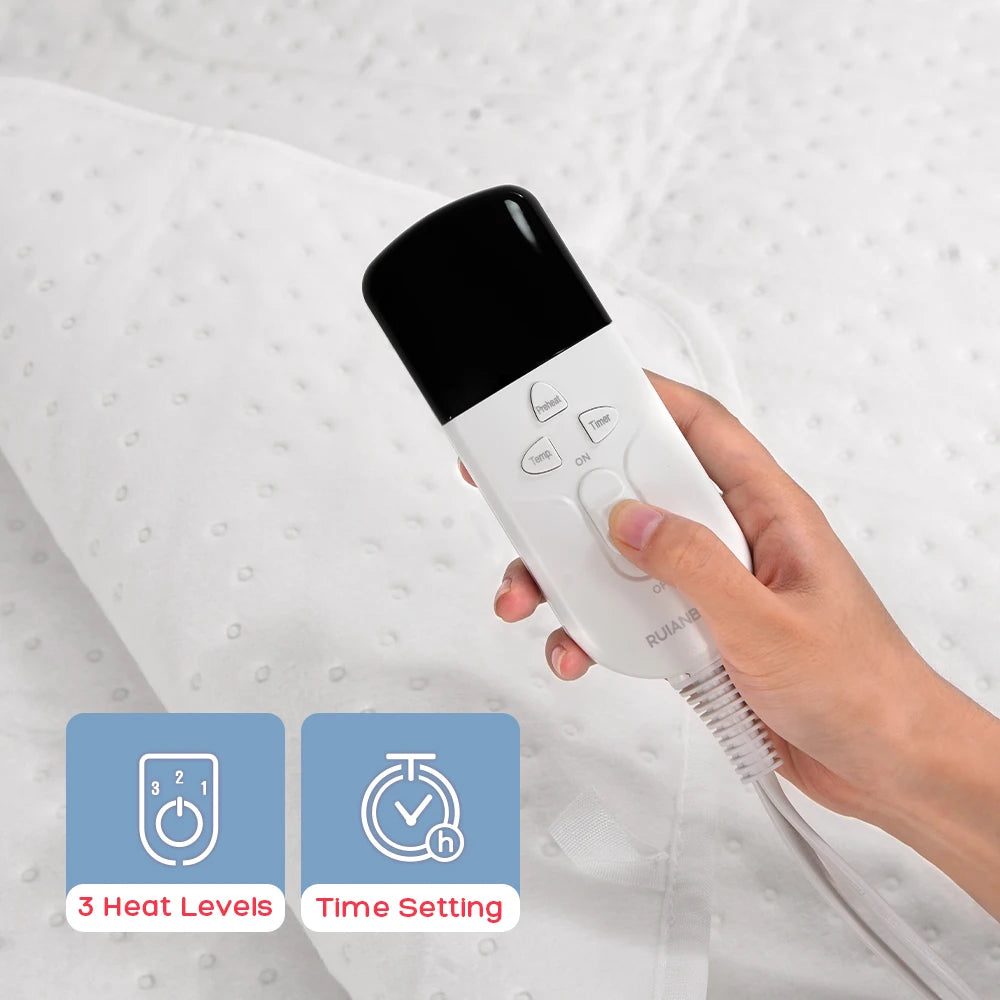
Targeted warmth supports consistent warmth sleep comfort 💡 See it in action
For those especially sensitive to cold, a heated layer with a timer offers warmth when you need it most, then powers down automatically.
Heated Blanket with Timer is often chosen because it delivers controlled warmth without overheating the room.
Common Mistakes That Make Cold Nights Worse
- Using only one heavy blanket
- Ignoring cold floors and drafts
- Overheating the room instead of the bed
- Choosing non-breathable fabrics
A balanced setup solves these issues while keeping the sleep space safe and comfortable.
What Real People Notice After Fixing Cold Sleep
Parents and light sleepers report noticeable improvements within days:
- Falling asleep faster
- Fewer middle-of-the-night wake-ups
- Warmer feet and legs
- Better morning energy
One mom shared that after adding targeted warmth and layered bedding, she slept through the night for the first time in months—without turning up the heat.
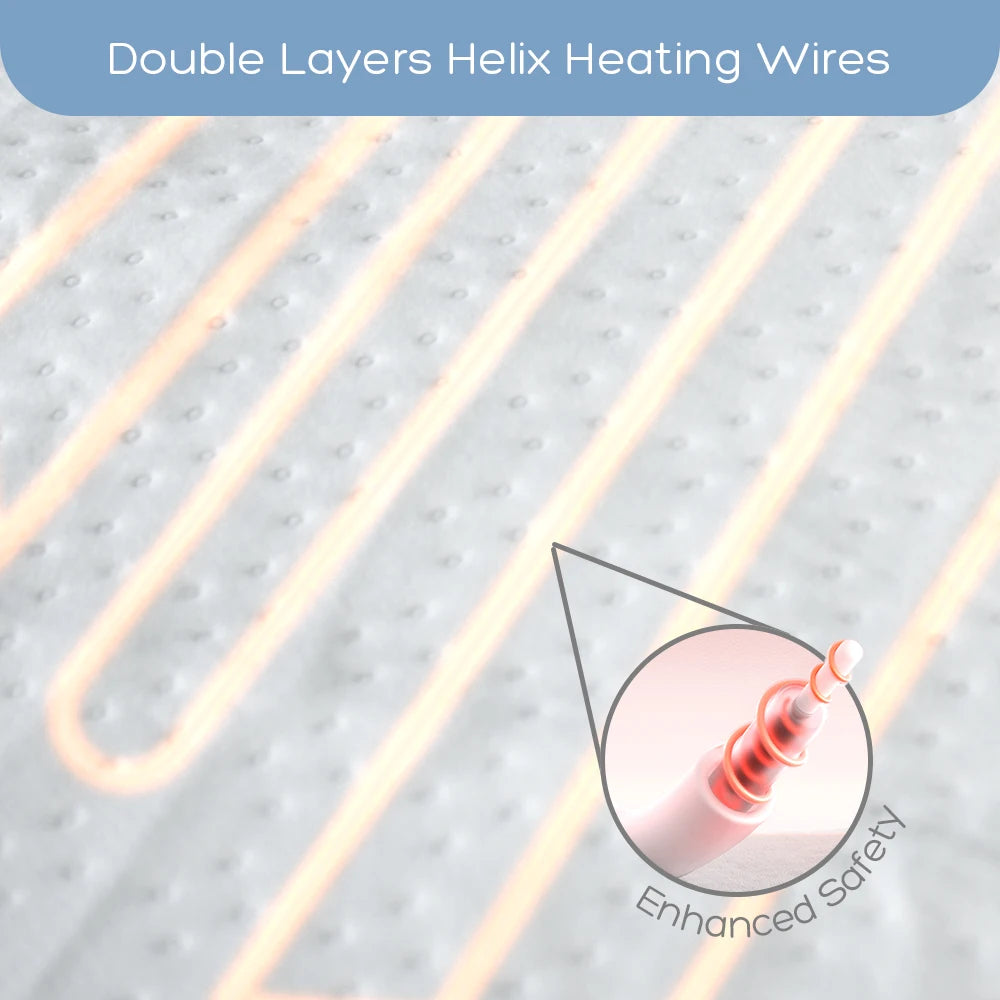
When you can’t sleep cold nights, the right setup makes all the difference 💡 See it in action
Quick FAQs
Why can’t I sleep when the room is cold?
Cold temperatures can drop your body heat too much, triggering shivering and frequent wake-ups that interrupt deep sleep.
Is it better to heat the room or the bed?
Heating the bed directly is often more effective and comfortable than warming the entire room, especially for light sleepers.
What’s the safest way to stay warm in bed?
Layered bedding combined with controlled, targeted warmth provides consistent comfort without overheating or drying the air.
Related Guide: How to Stay Warm Sleeping Through Cold Nights





