

Newborn Car Seat Neck Support: 7 Mistakes to Avoid
Does car seat head support for newborn really work?
Car seat head support for newborn helps keep a baby’s head and neck in a safer, more natural position during travel. By filling side gaps and limiting head slump, it can reduce strain, support infant head alignment, and improve comfort when babies sleep in the car seat, especially on longer rides.
Car Seat Head Support for Newborn: Features That Matter Most
⏱ 8 min read
Newborn car rides often come with a quiet worry: is your baby truly comfortable and supported while sleeping in the car seat? Head slump, tilted angles, and restless movement can turn even short trips into stressful moments. Understanding what features matter most in a car seat head support for newborn can help you protect delicate necks, support infant head positioning, and create calmer, safer travel routines from day one.
New parents quickly learn that newborn sleep car seat challenges are real. Even a properly installed car seat can leave small gaps around a tiny head. Over time, that lack of support may cause awkward positioning, frequent wake-ups, or visible discomfort. The good news? The right head support can make a noticeable difference without complicating your setup.
Explore practical comfort solutions inside Sleep & Comfort.

Car seat head support for newborn paired with an infant car seat head support pillow can reduce baby uncomfortable sleeping car seat issues. 💡 See it in action
Why Newborns Need Extra Head Support in Car Seats
Newborns have limited neck strength and a head that makes up a large portion of their body weight. When placed in a semi-reclined car seat, gravity can gently pull the head forward or to the side. Over time, this creates that familiar head slump many parents notice during drives.
Even when a car seat fits manufacturer guidelines, newborns often don’t fill out the space designed for older infants. This gap can allow subtle movement that leads to discomfort or awkward angles while sleeping.
- Newborn neck muscles are still developing
- Car seats are built to grow with babies
- Side gaps can cause head tilt during sleep
- Unstable positioning may interrupt rest
That’s why products designed to support infant head positioning can be especially helpful in the first months, when babies sleep often and travel frequently.
Key Features That Truly Matter in a Car Seat Head Support
Not all head supports are created equal. Parents comparing options should look beyond appearance and focus on features that directly affect comfort, fit, and ease of use.
1. Ergonomic Shape That Follows Natural Head Curves
An effective infant car seat head support pillow gently cradles the sides of the head without pushing it forward. The goal is balance, not restriction. Curved contours help maintain a neutral position that supports infant head alignment naturally.
2. Soft, Breathable Materials for Long Rides
Newborn skin is sensitive, and overheating can quickly lead to fussiness. Breathable fabrics help regulate temperature, keeping babies comfortable whether you’re running errands or taking a longer trip.
3. Adjustable or Flexible Fit
Babies grow fast. A quality head support adapts to small changes in size without constant readjustment. This ensures continued support as your newborn transitions toward infancy.
4. Compatibility With Standard Infant Car Seats
Parents don’t want complicated installs. Look for designs that sit securely within most infant car seats without interfering with harness systems or safety features.
5. Easy Maintenance for Real Life
Spit-ups, diaper leaks, and everyday messes happen. Machine-washable or wipe-clean materials make life easier and keep the support hygienic.
How Car Seat Head Support Improves Comfort and Safety
Car seat head support for newborn works by filling the empty space around a baby’s head and neck. This added stability limits side-to-side movement and reduces the chance of the head tipping forward during sleep.
By keeping the head centered, babies are more likely to maintain open airways and experience deeper, uninterrupted rest. Parents often notice fewer startles and smoother transitions when transferring sleeping babies after a ride.
- Supports infant head alignment during motion
- Helps prevent baby neck strain travel concerns
- Reduces baby uncomfortable sleeping car seat moments
- Encourages longer, calmer naps on the go
Browse trusted essentials in Baby Care Essentials.

An infant car seat head support pillow helps support infant head position and reduce baby uncomfortable sleeping car seat struggles. 💡 See it in action
Comparing Head Support Options: What Sets the Right One Apart
Parents often compare rolled towels, bundled blankets, and aftermarket supports. While DIY solutions may seem convenient, purpose-built head supports are designed with infant anatomy in mind.
| Option | Pros | Cons |
|---|---|---|
| Rolled towels | Quick fix, no cost | Inconsistent support, shifts easily |
| Blankets | Soft and familiar | Can interfere with harness fit |
| Head support pillow | Designed to support infant head safely | Requires choosing the right size |
A well-designed support pillow offers consistent positioning without compromising the car seat’s function, making it a more reliable choice for daily use.
Real-Life Results Parents Notice
Parents who add a head support often report immediate changes. Babies settle faster, sleep longer, and wake up less fussy after car rides. Over time, these small improvements add up to smoother routines.
Many caregivers also feel more confident during travel, knowing their newborn’s head and neck are better supported. That peace of mind is especially valuable during early outings.
- Fewer head slumps during naps
- More relaxed baby posture
- Easier transfers from car seat to crib
- Calmer, quieter drives overall
How to Use Car Seat Head Support Correctly
Using head support properly is just as important as choosing the right one. Placement should always respect the car seat’s harness system and manufacturer guidelines.
- Position the support around the sides of the head, not behind it
- Ensure the harness fits snugly against the baby’s body
- Check that the head remains centered during movement
- Reassess fit as your baby grows
When used correctly, head support becomes a seamless part of your car seat setup rather than an extra step.
Who Benefits Most From Newborn Head Support
This type of support is especially helpful for:
- Newborns with smaller frames
- Babies who frequently fall asleep in the car
- Families who travel often
- Caregivers seeking extra comfort without complexity
It complements other comfort-focused items found in Sleep & Comfort, creating a more supportive travel environment overall.
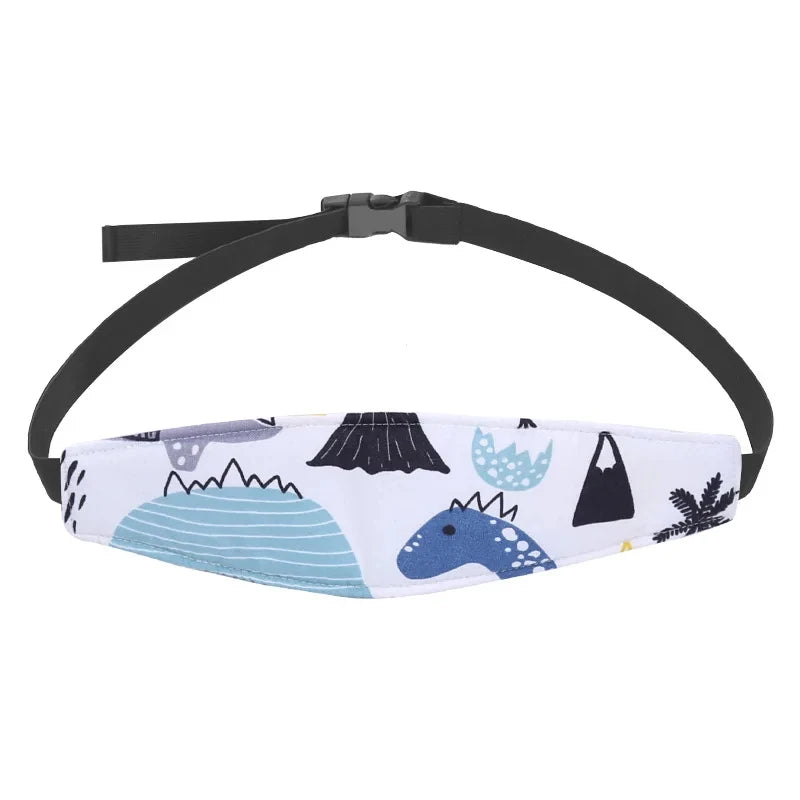
Car seat head support for newborn helps prevent baby neck strain travel and supports infant head comfort. 💡 See it in action
Discover the difference with this car seat head support for newborn — designed for everyday peace of mind.
Quick FAQs Parents Ask
Is a head support safe for newborn car seats?
When designed specifically for infant car seats and used correctly, head support can enhance comfort without interfering with harness systems.
Can head support help with baby uncomfortable sleeping car seat issues?
Yes. By stabilizing the head and reducing side tilt, many babies sleep longer and more peacefully during car rides.
How long can a newborn use head support?
Most supports are suitable from the newborn stage through early infancy, as long as they continue to fit properly and support infant head positioning.





