

Chair Mounted Booster Seat vs Table Boosters
How can I prevent toddler chair slipping during meals?
Prevent toddler chair slipping by stabilizing the chair surface, adding a non-slip cushion for booster seat support, and securing the booster properly to the chair. These small adjustments reduce wobbling on smooth surfaces like leather, improve posture, and help toddlers sit safely and confidently during every meal.
Prevent Toddler Chair Slipping in 5 Easy Steps
⏱ 7 min read
Mealtime should feel calm and safe—not like a balancing act. If you’ve noticed your child’s booster seat sliding, wobbling, or shifting on smooth dining chairs, you’re not alone. The good news? You can prevent toddler chair slipping with a few simple, practical fixes that make a big difference in stability, posture, and peace of mind.
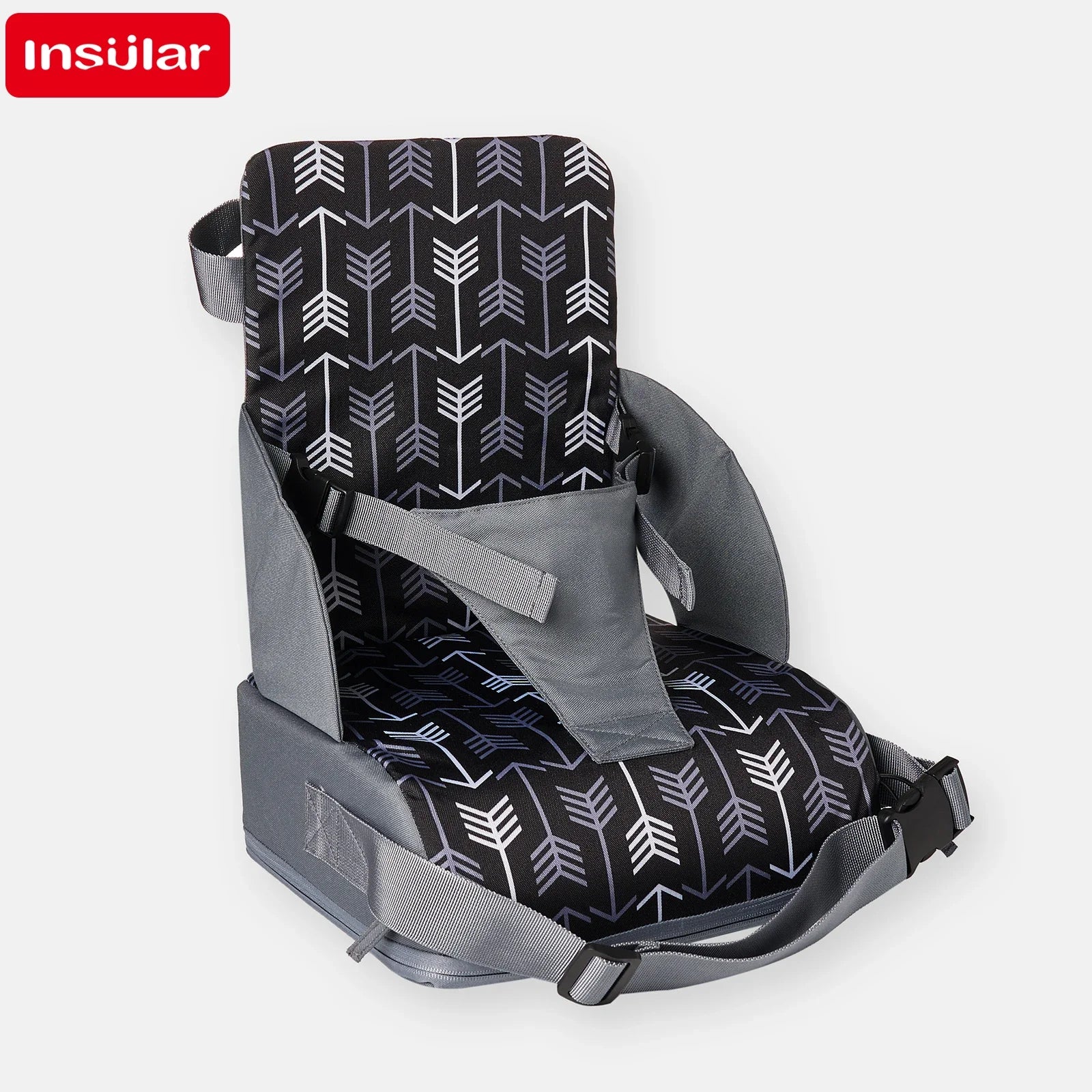
Prevent toddler chair slipping with the right setup—see how a stable cushion for booster seat improves mealtime safety 💡
Why Toddler Chairs Slip So Easily
Smooth chair surfaces, especially leather or polished wood, reduce friction. When a booster seat sits directly on these materials, even small movements can cause sliding. Add a wiggly toddler, and instability becomes a real safety concern.
Common triggers include:
- Booster seat slides on leather or vinyl chairs
- No cushion for booster seat support
- Loose or misaligned safety straps
- Uneven chair legs or floor surfaces
Step 1: Choose the Right Chair Surface for Instant Grip
Prevent toddler chair slipping by starting with the chair itself. Hard, smooth chairs are more likely to shift than fabric or textured ones.
- Avoid slick leather chairs when possible.
- Use a textured dining chair for daily meals.
- If leather is unavoidable, add a non-slip layer.
- Check that all chair legs sit flat on the floor.
Many parents pair this step with items from Health & Safety to improve overall dining stability.
Step 2: Add a Chair Cushion Booster for Stability
Direct answer: You can prevent toddler chair slipping by placing a chair cushion booster or non-slip pad under the booster seat. This adds friction, absorbs movement, and keeps the seat centered—even on smooth leather chairs—while also improving comfort and posture.
A quality cushion for booster seat use should be firm, grippy, and sized to fit the chair. Benefits include:
- Reduced sliding on leather or wood
- Improved sitting height and posture
- Less pressure on hips and thighs
- More focus on eating, less on balancing
Look for options often paired with Feeding & Nursing essentials for a complete mealtime setup.
Step 3: Secure the Booster Seat Correctly Every Time
Even the best cushion won’t help if straps are loose. Always attach the booster firmly to the chair back and seat.
- Center the booster on the chair.
- Tighten all straps until snug, not strained.
- Check that the booster doesn’t rock side to side.
- Recheck after your toddler sits down.
Parents often combine this step with portable options like the portable baby booster seat for consistent results at home and on the go.
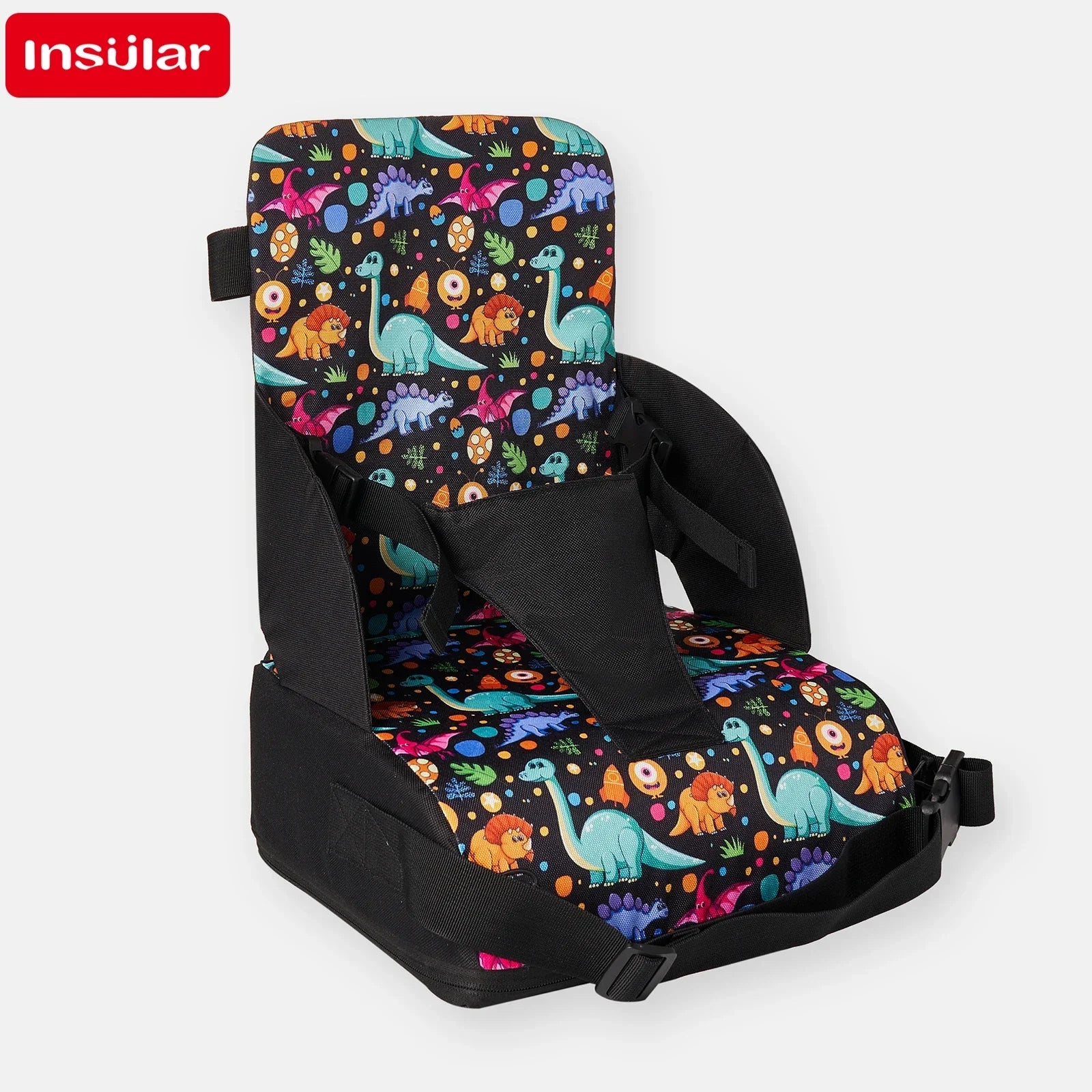
Booster seat slides on leather? A chair cushion booster helps lock it in place—see it in action 💡
Step 4: Test Stability Before Every Meal
A quick safety check takes seconds and prevents surprises.
- Push gently from each side of the booster.
- Watch for shifting or tilting.
- Confirm straps are still tight.
- Adjust cushion placement if needed.
This habit is especially helpful during growth spurts or when switching chairs.
Step 5: Upgrade to a Travel-Friendly Booster When Needed
Direct answer: To prevent toddler chair slipping in different environments, choose a lightweight, secure booster designed for both home and travel. These models grip better, adjust easily, and maintain stability on unfamiliar chairs, reducing risk whether dining out or visiting family.
Families who eat out often appreciate how a compact booster pairs with accessories from Baby Care Essentials to keep routines consistent everywhere.
Quick Comparison: Stable vs Slippery Setups
| Setup | Stability | Comfort | Parent Confidence |
|---|---|---|---|
| No cushion, loose straps | ❌ Low | ❌ Poor | ❌ Constant worry |
| Chair cushion booster + secured straps | ✅ High | ✅ Supportive | ✅ Calm, focused meals |
Many caregivers report fewer spills and less fidgeting after switching to a stabilized setup, especially when combined with tools from Feeding Tools.
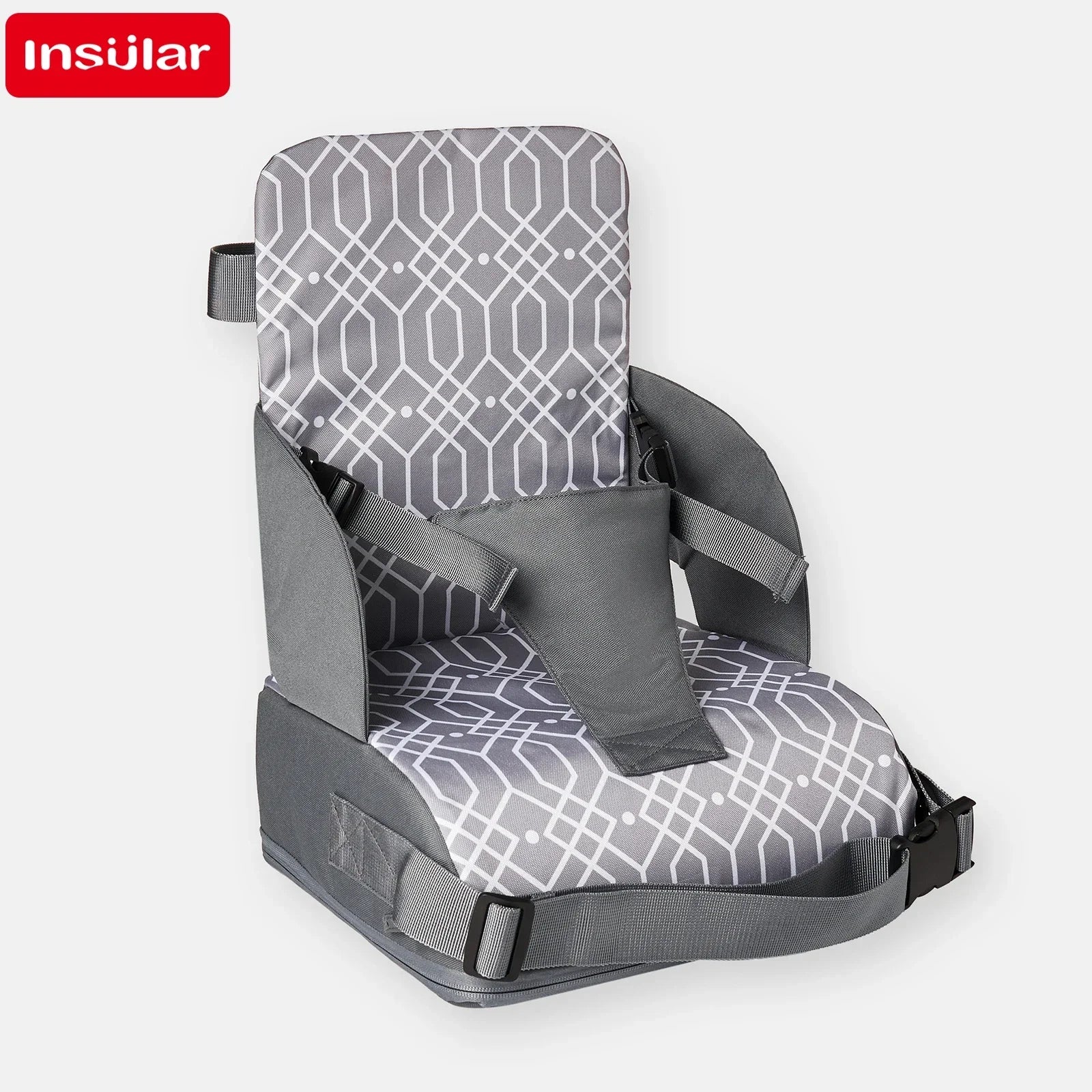
A stable cushion for booster seat support keeps toddlers secure and parents relaxed—try it today 💡
Mini FAQ
Why does my booster seat slide on leather chairs?
Leather reduces friction, so booster seats can move more easily. Adding a non-slip chair cushion booster creates grip and prevents sliding.
Is a cushion for booster seat use safe?
Yes, when designed for stability and used correctly. Choose a firm, non-slip cushion and always secure the booster with straps.
How often should I check booster stability?
Before every meal. A quick push test ensures nothing has shifted and helps prevent toddler chair slipping.
Related Guide: Travel Booster Seat Toddler: Best Options Compared





