

Best Wood Comb for Hair That Reduces Frizz and Breakage
Does a Wooden Hair Comb Really Improve Hair Health?
A wooden hair comb can support healthier-looking hair by reducing static, minimizing unnecessary pulling during detangling, and helping spread natural scalp oils from roots to ends. Choosing the best wooden comb for hair depends on your hair texture, scalp sensitivity, and daily styling needs.
Many people switch to wooden hair combs because they offer a gentler alternative to traditional plastic combs. A well-made wooden comb can create a smoother grooming experience by reducing friction, helping control frizz, and providing comfortable scalp contact. Whether you are searching for the best wooden comb for hair, a solution for frizzy strands, or a gentle option for sensitive scalps, the right design and tooth spacing make the biggest difference.
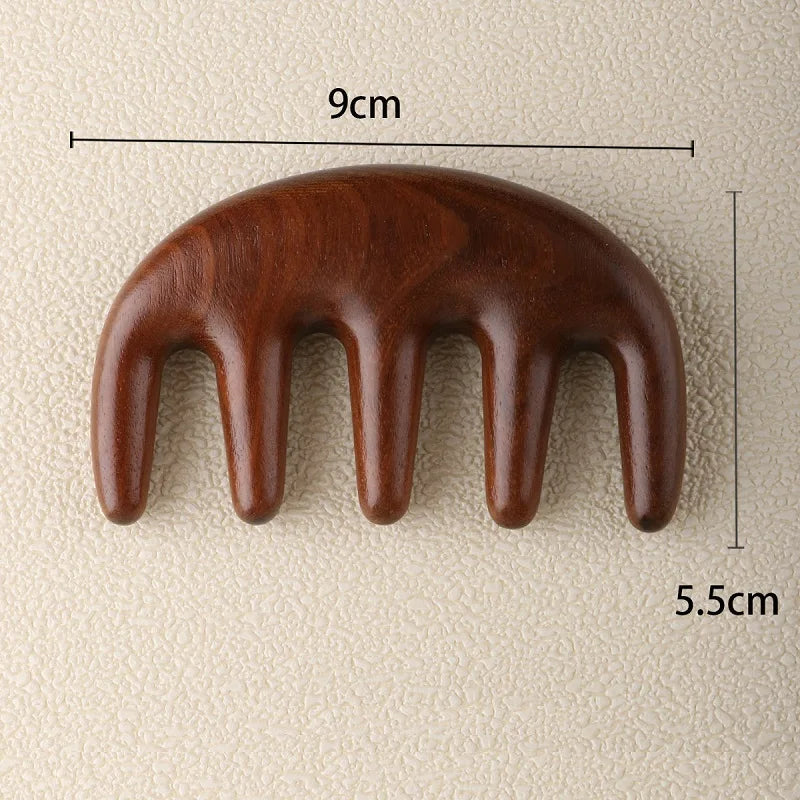
Wooden hair comb & wooden comb for frizzy hair See it in action
What the evidence suggests
Wooden combs are often recommended for reducing everyday hair stress, although they are not a treatment for hair loss or a guaranteed way to increase hair growth. Their main benefits come from how they interact with hair fibers and the scalp during regular grooming.
- Static reduction: Wood generally creates less static than many plastic materials, helping reduce flyaways and frizz during brushing.
- Scalp comfort: Smooth wooden teeth can feel gentler on sensitive scalps and may provide a light massage effect while combing.
- Reduced breakage: Rounded teeth and slower, gentler strokes can help minimize snagging compared with rough or poorly finished combs.
- Oil distribution: A wooden comb can help move natural scalp oils along the hair shaft, supporting a smoother and more balanced appearance.
However, the best wooden comb for hair still depends on your routine. A comb that works well for thick curls may not be ideal for fine hair, and even a high-quality wood comb cannot replace proper hydration, scalp care, or healthy hair habits.
Why Choose a Wooden Hair Comb?
The best wooden comb is valued for its combination of gentle detangling, comfortable scalp contact, and natural feel. Unlike many plastic combs that may create more static or feel harsh when dragged through knots, wooden combs are designed to provide smoother movement through the hair when properly finished.
Key benefits
- Gentle detangling: Wooden teeth glide through hair with less friction, making them suitable for everyday grooming.
- Less static and frizz: A wooden surface can help reduce static buildup, especially useful for dry or frizzy hair.
- Natural scalp massage: Rounded wooden teeth can provide a relaxing massage sensation that supports a comfortable grooming routine.
- Better oil distribution: Regular combing helps spread natural oils, which may leave hair looking smoother and healthier.
- Durable and eco-conscious: A well-maintained best wood comb can last for years while reducing reliance on disposable plastic tools.
Wood vs plastic
| Feature | Wooden Hair Comb | Plastic Comb |
|---|---|---|
| Static control | Usually creates less static, helping reduce frizz | May increase static depending on material and hair type |
| Scalp comfort | Natural feel with smooth, rounded teeth | Quality varies depending on tooth finishing |
| Detangling | Gentle option when matched with the correct tooth spacing | Can work well but may pull more if edges are rough |
| Maintenance | Requires careful cleaning and drying | Usually easier to wash frequently |
Types of Wooden Combs and Their Benefits
The best wood for hair comb depends on your hair texture, scalp sensitivity, and how you use your comb daily. Different wood materials offer unique levels of durability, smoothness, and comfort, making some options better suited for specific hair needs.
Sandalwood
Sandalwood combs are popular for their smooth finish, natural fragrance, and comfortable feel on the scalp. A high-quality sandalwood comb can be a good choice for people who want a premium grooming experience with gentle movement through the hair.
- Best for: Normal, dry, or sensitive scalps
- Pros: Smooth texture, durable, comfortable for regular use
- Cons: Usually more expensive than other wood types
Neem wood
Neem wood combs are commonly chosen by people looking for a natural hair care tool. The dense wood provides durability, while the smooth teeth can make daily combing more comfortable.
- Best for: Oily scalps and users who prefer natural materials
- Pros: Strong construction, long-lasting, lightweight
- Cons: Requires proper cleaning and drying to maintain the wood
Bamboo
Bamboo combs are lightweight and practical, making them a convenient option for everyday grooming and travel. Their natural texture makes them a popular choice for those searching for an affordable best wooden comb for hair.
- Best for: Daily use, travel, and normal hair types
- Pros: Lightweight, comfortable grip, budget-friendly
- Cons: May require more frequent replacement compared with denser hardwood combs
Peach wood
Peach wood combs offer a smooth surface and attractive natural appearance. They are often selected for gentle styling because the polished teeth can reduce rough contact with hair strands.
- Best for: Fine to medium hair textures
- Pros: Smooth feel, lightweight, pleasant handling
- Cons: Quality depends heavily on finishing and craftsmanship
Wide-tooth vs fine-tooth wooden comb
| Comb Style | Best For | Benefits | Considerations |
|---|---|---|---|
| Wide-tooth wooden comb | Curly, thick, or textured hair | Helps separate strands gently and reduces pulling during detangling | May not create a polished style on very fine hair |
| Fine-tooth wooden comb | Straight, thin, or short hair | Creates a smoother finish and helps distribute oils evenly | Can catch on tight curls or heavy knots |
Wooden Hair Comb Comparison Guide
Finding the best wooden hair comb means comparing more than just the wood type. Tooth spacing, handle comfort, finishing quality, and your hair texture all affect how effective and comfortable the comb feels during everyday use.
How we evaluated
When comparing wooden combs, the most important factors include:
- Material quality: Durable woods with smooth finishes provide better comfort and longer use.
- Tooth spacing: Wider teeth are better for detangling thick or curly hair, while closer teeth work well for smoothing straight hair.
- Edge finishing: Rounded, polished teeth help reduce snagging and improve scalp comfort.
- Handle design: A comfortable grip makes daily styling easier, especially for longer hair routines.
Which comb suits your hair type
- For curly or thick hair: Choose a wide-tooth wooden comb that separates curls gently without excessive pulling.
- For fine or straight hair: A fine-tooth wooden comb can help create a smoother appearance while distributing natural oils.
- For sensitive scalps: Look for a gentle hair comb with rounded teeth and a smooth surface.
- For everyday versatility: Medium-spaced wooden combs provide a balance between detangling and styling.
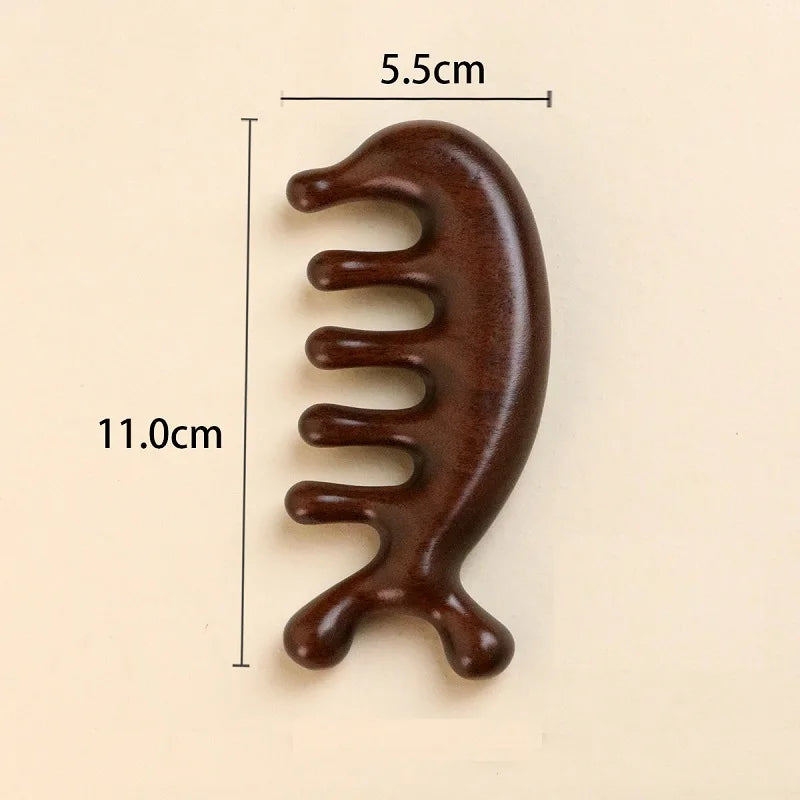
Gentle hair comb & diy wood comb Explore unique designs
How to Use Your Wooden Comb for Best Results
Using the best wood comb for hair correctly helps reduce unnecessary pulling, improve comfort, and maintain the condition of both your hair and comb. The technique matters just as much as the comb quality, especially when detangling knots or caring for delicate strands.
Daily routine
- Begin with the ends: Start combing from the lower sections of your hair and gradually move upward toward the roots. This reduces tension and helps prevent breakage caused by pulling through knots.
- Use slow, gentle strokes: Avoid rushing through tangles. Smooth movements allow the wooden teeth to separate strands comfortably while helping distribute natural scalp oils.
- Comb according to your hair type: Thick or curly hair may benefit from wider spacing and slower detangling, while fine hair usually works better with lighter strokes and closer teeth.
- Use regularly but avoid over-combing: A few gentle sessions each day are usually enough to keep hair neat and distribute oils without creating unnecessary friction.
Scalp massage tips
A wooden scalp massage comb can add a relaxing step to your hair care routine. Use gentle circular motions across the scalp rather than pressing too firmly. This helps create a comfortable massage experience while supporting a healthier-looking scalp environment.
- Move the comb slowly across different scalp areas instead of repeatedly focusing on one spot.
- Use rounded wooden teeth to avoid scratching or irritating sensitive skin.
- Combine scalp massage with a regular hair care routine for improved comfort and relaxation.
- Clean the comb after use if it collects excess oil or product buildup.
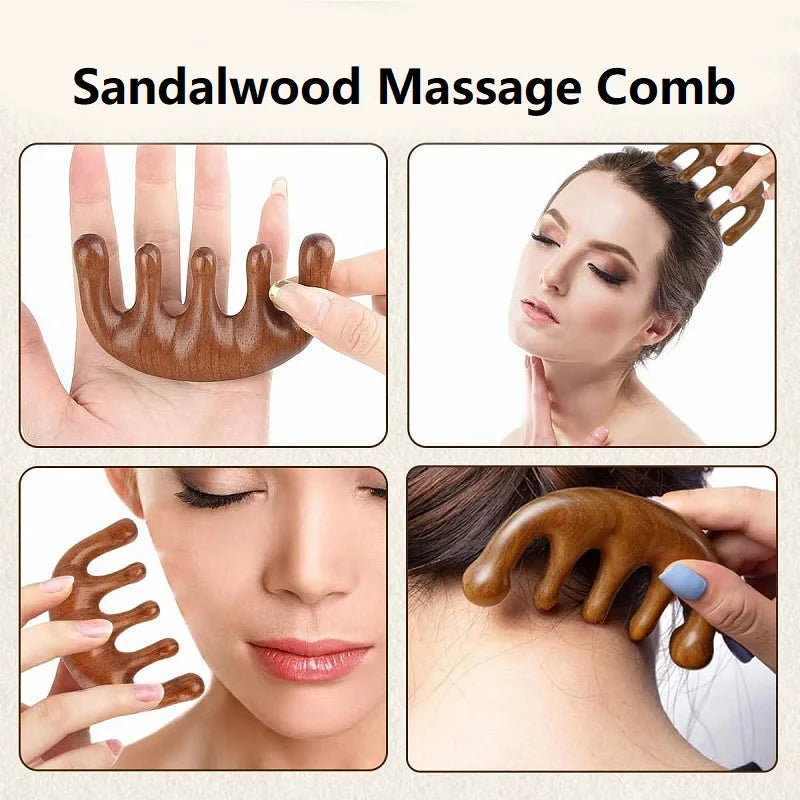
Wooden hair comb & wooden comb for frizzy hair Get yours now
FAQ About Wooden Hair Combs
-
Which wooden comb is good for hair?
The best wooden comb depends on your hair type and styling needs. Wide-tooth wooden combs are often better for thick or curly hair, while fine-tooth designs work well for straight or fine hair. Choosing a smooth, well-finished comb with the right tooth spacing helps improve comfort and reduce pulling.
-
Which type of wooden comb is good for hair growth?
No wooden comb can directly make hair grow faster, but a gentle wooden comb can support a healthier scalp routine by reducing friction, preventing unnecessary breakage, and providing a comfortable scalp massage when used properly.
-
What is the best wood for combs?
The best wood for combs depends on your preference. Sandalwood is valued for its smooth finish and premium feel, neem wood is known for durability, and bamboo is a lightweight option for everyday use. A high-quality finish and comfortable tooth design are often more important than the wood type alone.
-
Are sandalwood combs better than bamboo combs?
Sandalwood combs are generally considered a more premium option because of their dense texture and smooth feel, while bamboo combs are lightweight, affordable, and practical for daily use. The better choice depends on your budget, hair needs, and personal preference.
-
Are neem wood combs good for dandruff?
Neem wood combs are often chosen by people who prefer natural hair care tools. However, a comb alone cannot treat dandruff. Proper scalp hygiene, suitable hair products, and consistent care are more important for managing flakes and scalp concerns.
-
Which wooden comb is best for curly hair?
A wide-tooth wooden comb is usually the best option for curly hair because it helps separate curls gently while reducing tugging and frizz. Look for smooth, rounded teeth that move through curls without catching.
-
How do you clean a wooden hair comb?
Clean a wooden hair comb by removing trapped hair, wiping it with a damp cloth, and using mild soap when needed. Avoid soaking the comb in water because excess moisture can damage the wood. Allow it to dry completely before storing.
-
Can babies use wooden combs?
Yes, a wooden baby comb can be suitable when it has soft, rounded teeth and a smooth finish. Always choose a gentle design made specifically for delicate scalps and use light pressure during grooming.
Looking for more ways to care for your hair naturally? Explore our Beauty & Wellness collection for tools that complement your wooden comb routine.
Related Guide: Home Remedies for Dry Scalp: Top Solutions Compared





