

Deep Kneading Scalp Massage: How to Do It Without Irritation
Does deep kneading scalp massage really work?
Deep kneading scalp massage works when pressure is controlled and movements are slow. By using a deep kneading scalp massage correctly, you can improve comfort, support circulation, and help address common scalp thinning causes without irritation. The key is timing, finger placement, and avoiding aggressive friction that stresses sensitive roots.
Deep Kneading Scalp Massage: How to Do It Without Irritation
Deep kneading scalp massage can feel soothing and grounding—but only when done correctly. Too much pressure, rushed movements, or the wrong tools can trigger redness, soreness, and even shedding. This guide walks you through a safer, calmer approach that helps stimulate hair follicles massage techniques while avoiding common scalp thinning causes linked to tension and buildup.
⏱ 6 min read
Have you ever massaged your scalp hoping for stronger hair, only to end up with tenderness or flakes the next day? You’re not alone. Many people unknowingly overdo it, especially when trying to fix weak hair follicles causes like stress or tight scalps. The good news: small adjustments make a big difference.
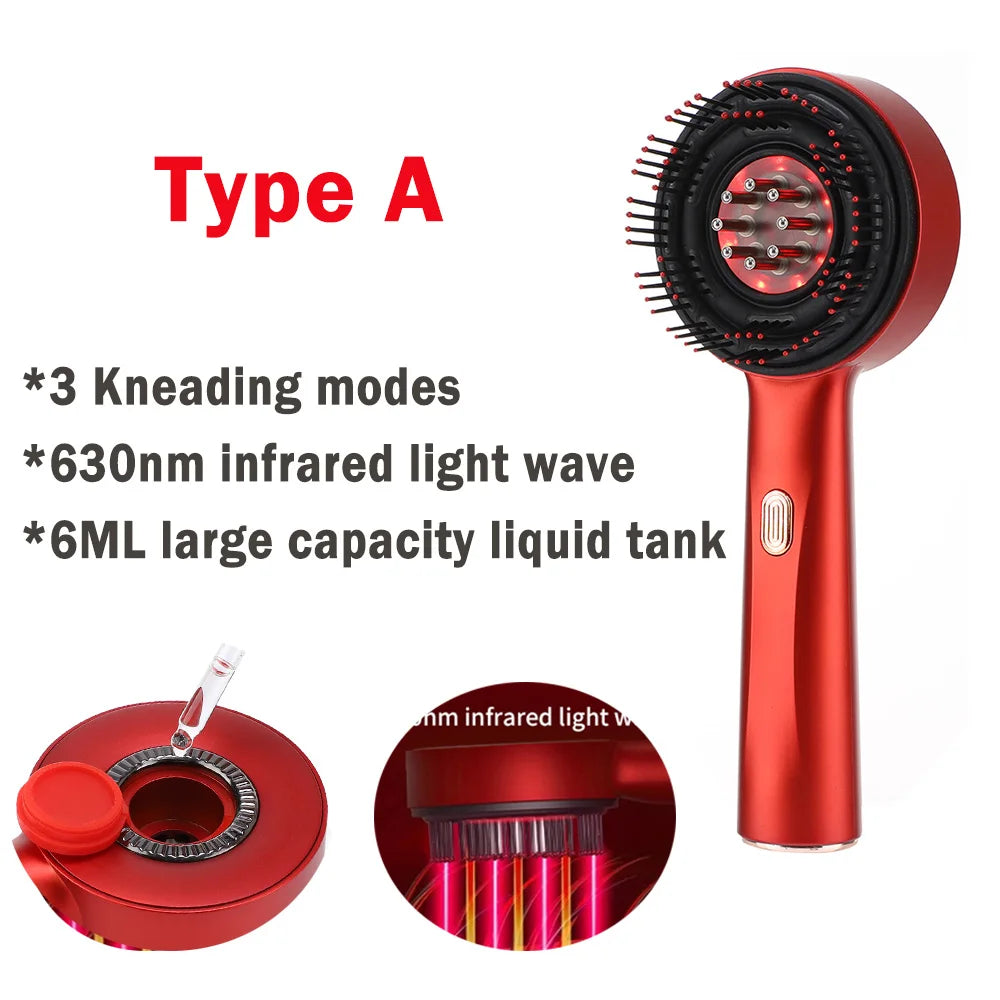
Deep kneading scalp massage helps stimulate hair follicles massage routines—💡 See it in action
What is deep kneading scalp massage?
Deep kneading scalp massage is a technique that gently lifts and moves the scalp over the skull using slow, circular pressure. Unlike surface rubbing, it targets deeper tissue to release tension and support circulation without scraping the skin.
How it differs from basic scalp rubbing
- Focuses on moving the scalp, not the hair
- Uses pads of fingers or rounded nodes
- Applies steady pressure instead of fast friction
- Aims to relax tissue linked to weak hair follicles causes
When done right, this approach can complement routines found in Beauty & Wellness and Massage & Relaxation collections, especially for people with sensitive skin.
Why irritation happens during scalp massage
Most irritation doesn’t come from massage itself—it comes from how it’s done. Excess force, dry scalps, or sharp movements can inflame follicles instead of supporting them.
Common scalp thinning causes linked to massage mistakes
- Pressing with fingernails instead of finger pads
- Massaging on a dry, tight scalp
- Going too fast or too long
- Using tools not designed for sensitive scalps
These habits can worsen weak hair follicles causes like inflammation and buildup, making hair feel looser rather than stronger.
How to do deep kneading scalp massage without irritation
Deep kneading scalp massage should feel calming, never sharp. The steps below prioritize comfort while still helping stimulate hair follicles massage benefits.
- Start with clean, dry hands. Sit comfortably and relax your shoulders.
- Place finger pads at the temples. Avoid nails completely.
- Apply gentle inward pressure. Imagine lifting the scalp slightly.
- Move in slow circles. About the size of a coin.
- Progress across the scalp. Temples → crown → back.
- Limit to 5–7 minutes. Stop if warmth turns to soreness.
Pressure check: a simple rule
If your face tightens or you hold your breath, the pressure is too much. Deep kneading scalp massage should relax your jaw and neck, not tense them.
Tools vs fingers: which is safer?
Both can work—but tools offer consistency that fingers often can’t maintain, especially when fatigue sets in.
| Method | Pros | Cons |
|---|---|---|
| Fingers | Free, intuitive control | Uneven pressure, nail risk |
| Massage tools | Even pressure, reduced strain | Must choose scalp-safe designs |
Many people prefer rounded, flexible tools found alongside Massage & Relaxation products, especially when paired with calming routines before bed from Sleep & Comfort.
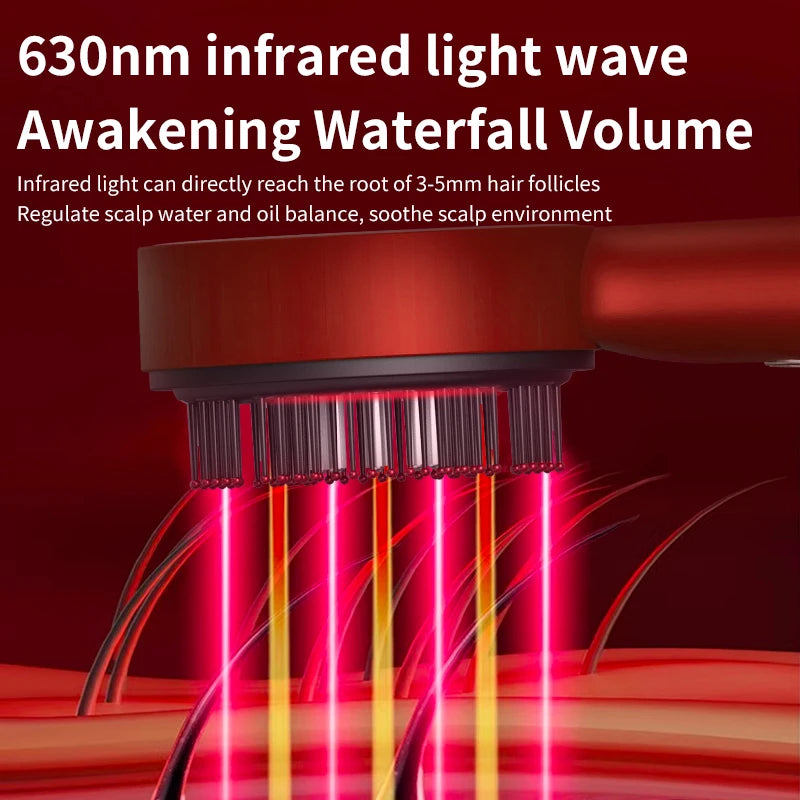
Use tools to stimulate hair follicles massage evenly—💡 See it in action
Best timing and frequency for healthy results
More is not better. Over-massaging is a hidden scalp thinning cause many people overlook.
- Frequency: 3–4 times per week
- Duration: 5–7 minutes per session
- Best time: Evening, when muscles are relaxed
Short, consistent sessions help avoid irritation while still supporting circulation. This balance is key for anyone addressing weak hair follicles causes linked to tension.
The most common mistake people make
The biggest mistake? Treating deep kneading scalp massage like scrubbing. Aggressive back-and-forth motion creates friction, not relief.
What to do instead
- Lift and move the scalp, don’t rub hair strands
- Slow down—count each circle
- Stop before redness appears
This single adjustment often reduces irritation within the first week.
Who should avoid deep kneading?
Deep kneading scalp massage isn’t for everyone. Skip or modify if you have:
- Active scalp infections
- Open sores or severe sensitivity
- Recent dermatological treatments
In these cases, gentler routines or guidance from wellness-focused options in Health & Safety may be more appropriate.
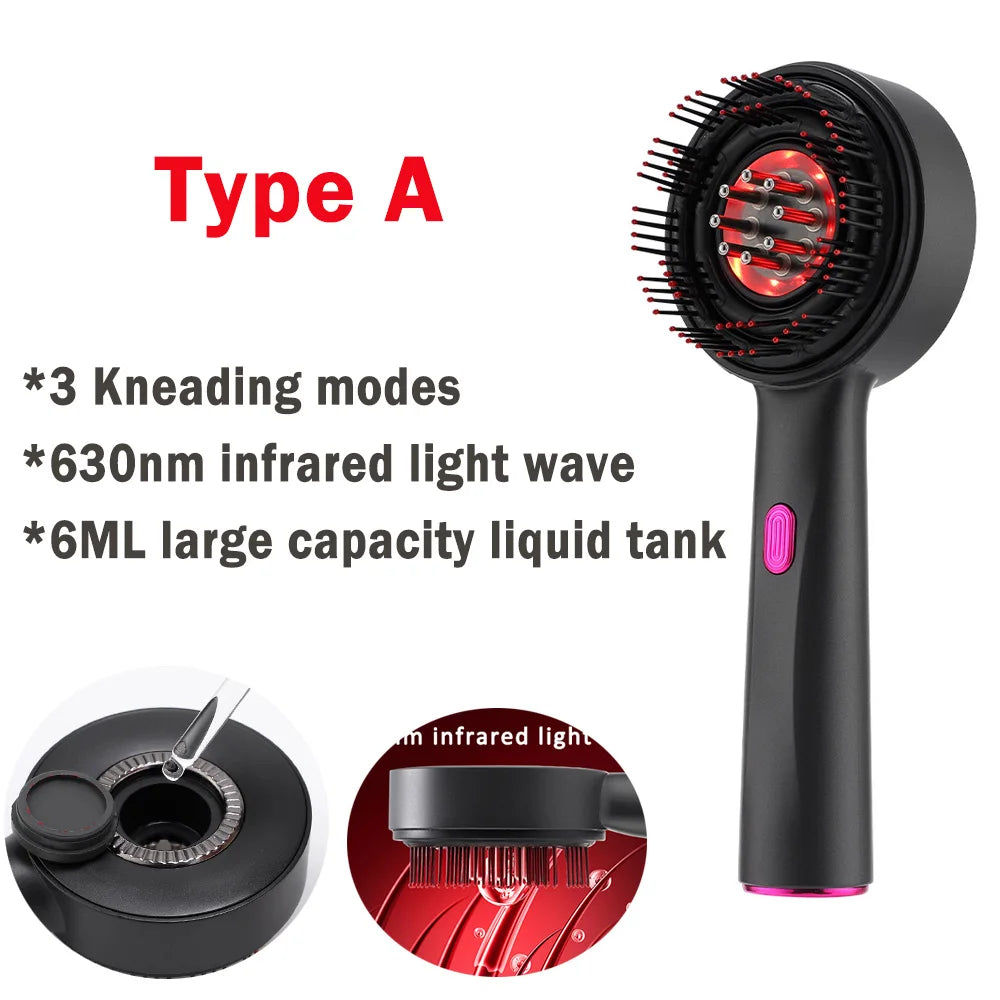
Deep kneading scalp massage without irritation—💡 See it in action
Frequently Asked Questions
Can deep kneading scalp massage cause hair loss?
When done gently, deep kneading scalp massage does not cause hair loss. Problems arise from excessive pressure, long sessions, or nail scratching, which can aggravate weak hair follicles causes and lead to temporary shedding.
How long before I feel results?
Most people notice reduced tension and improved comfort within 1–2 weeks. Benefits linked to stimulate hair follicles massage routines depend on consistency and avoiding irritation.
Is redness normal after massage?
Mild warmth is normal, but redness lasting longer than 10 minutes is a sign to reduce pressure or frequency.
Do tools work better than hands?
Tools can help maintain even pressure, especially for beginners, but proper technique matters more than the method.
Final thought: Deep kneading scalp massage should feel like relief, not effort. When comfort comes first, consistency becomes easy—and irritation fades away.
Related Guide: How to Massage Your Scalp for Faster Hair Growth at Home





