

Driving While Pregnant: Comfort Devices Worth Buying
Is It Safe to Drive While Pregnant? Best Products for Comfort and Safety
Driving while pregnant is generally safe for most women when there are no pregnancy complications and proper safety precautions are followed. The right pregnancy car safety products can help reduce pressure, improve posture, and make everyday trips more comfortable. Whether you are commuting, running errands, or planning pregnancy travel, choosing support tools based on your needs can make driving during pregnancy easier and less stressful.
Driving While Pregnant Discomfort: Best Devices for Every Mom
Driving while pregnant discomfort can turn a simple trip into an exhausting experience. As your body changes, growing belly size, shifting posture, lower back pressure, and reduced circulation can make sitting behind the wheel uncomfortable. The right pregnancy driving support products — including a seat belt adjuster, lumbar cushion, and circulation aids — can help create a safer and more comfortable driving setup for every stage of pregnancy.
⏱ 5 min read
Discover the safest and most comfortable pregnancy car support tools
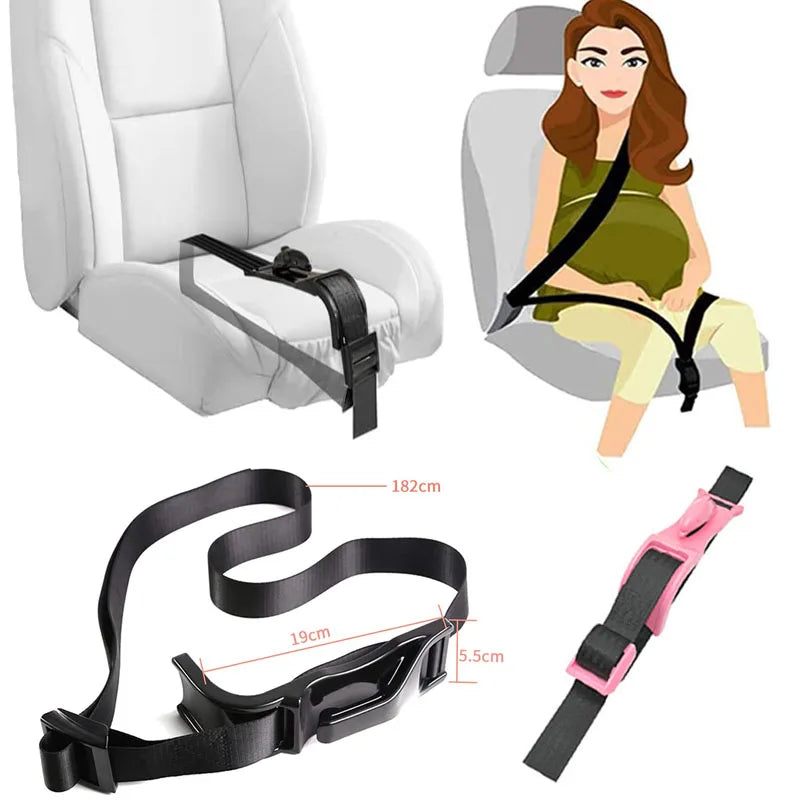
Driving while pregnant discomfort relief for every pregnant woman driving — See it in action
Is It Safe to Drive While Pregnant?
For most healthy pregnancies, driving while pregnant is considered safe. Many pregnant women continue driving throughout all three trimesters by adjusting their seating position, wearing a properly positioned seat belt, and taking breaks when needed.
Pregnancy and driving become more challenging as your belly grows because comfort, mobility, and reaction time can change. The goal is not necessarily to stop driving but to create a safer and more supportive environment inside your vehicle.
- Keep enough distance between your belly and the steering wheel
- Wear the seat belt correctly with the lap portion low across your hips
- Adjust your seat for comfortable reach and good visibility
- Take breaks during longer trips to support circulation
Products designed for pregnancy car safety can help reduce common discomforts while allowing pregnant women to maintain independence and confidence behind the wheel.
Quick Comparison: Best Products for Driving While Pregnant
The best pregnancy driving products solve different comfort problems. Some focus on seat belt positioning, while others support your back, hips, or circulation.
| Category | Best For | Main Benefit |
|---|---|---|
| Best Overall | Pregnancy Car Seat Belt Adjuster | Improves seat belt comfort and positioning |
| Best Budget | Portable Seat Cushion | Adds affordable comfort for daily drives |
| Best for Back Pain | Lumbar Support Cushion | Supports lower back and posture |
| Best for Long Drives | Leg Circulation Pillow | Helps reduce pressure and stiffness |
| Best for Late Pregnancy | Pregnancy Belly Band | Provides gentle abdominal and hip support |
Why Driving During Pregnancy Becomes Uncomfortable
Driving during pregnancy becomes uncomfortable because your body changes significantly over nine months. Your center of gravity shifts, your abdominal area expands, and your muscles work differently to support your growing baby.
Common causes of driving while pregnant discomfort include:
- Lower back strain: Changing posture and reduced core support can increase pressure on the spine.
- Hip and pelvic discomfort: Ligament changes and a widening pelvis may make sitting for long periods uncomfortable.
- Leg swelling: Reduced movement during driving can affect circulation.
- Seat belt pressure: Poor positioning can create unnecessary pressure around the belly.
Discomfort often changes by trimester. Early pregnancy may involve fatigue and nausea, while second and third trimester driving can be more affected by belly size, posture changes, and swelling.
Best Products for Driving While Pregnant: Tested and Reviewed
The best pregnancy driving accessories should improve comfort without interfering with safe driving habits. These products are selected based on comfort, ease of use, and practical value.
1. Pregnancy Seat Belt Adjuster
A pregnancy seat belt adjuster helps reposition the lap belt lower across the hips instead of allowing it to ride upward toward the abdomen.
- Reduces uncomfortable belt pressure
- Helps maintain proper belt placement
- Improves comfort during daily driving
- Useful for commuting and longer trips
Recommended Product: Pregnancy Car Seat Belt Adjuster
2. Lumbar Support Cushion
A lumbar support cushion helps maintain a more natural spine position while driving. It can reduce lower back pressure caused by prolonged sitting and is especially useful for pregnant women with daily commutes.
3. Pregnancy Belly Band
A pregnancy belly band provides gentle support around the abdomen and hips. It may help reduce the feeling of heaviness during longer periods of sitting.
4. Leg Circulation Pillow
A leg circulation pillow can improve comfort by supporting the legs and reducing stiffness during extended car rides.
5. Portable Seat Cushion
A portable seat cushion adds extra padding and can help improve driving posture for pregnant women who experience discomfort from firm vehicle seats.
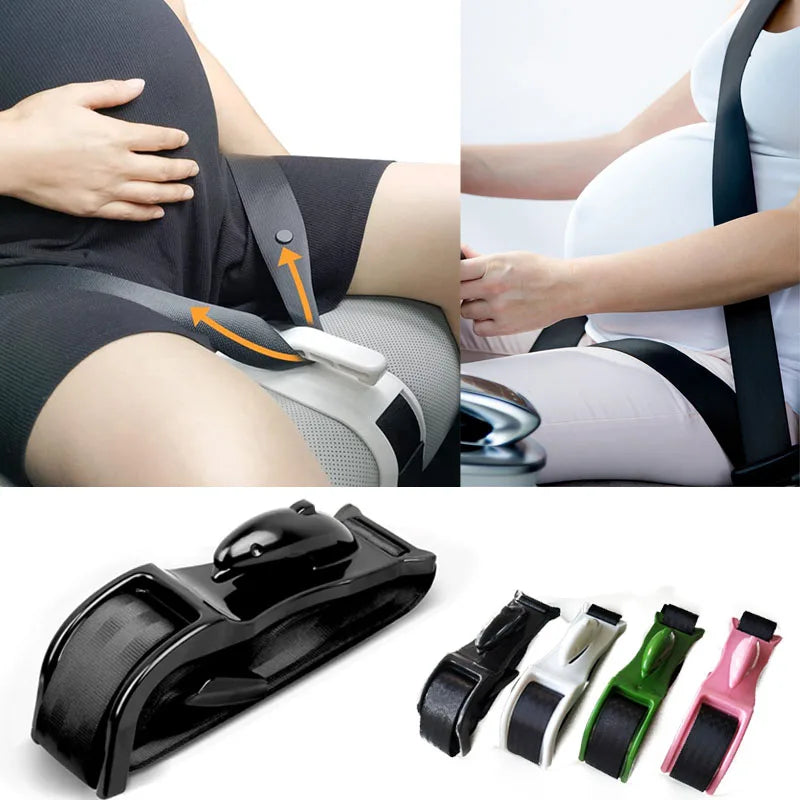
Pregnant driving long distances made easier with smart comfort devices — See it in action
Learn step-by-step how to choose the right pregnancy car comfort gear
How We Evaluated These Products
Each pregnancy driving support product was evaluated using practical criteria that matter for everyday use:
- Safety: Whether the product supports safer driving habits without creating distractions.
- Comfort: How effectively it reduces pressure, stiffness, or discomfort.
- Ease of installation: Whether moms can quickly set up and adjust the product.
- Durability: Whether materials can handle regular use.
- Overall value: Whether the comfort benefits justify the cost.
How a Pregnancy Seat Belt Adjuster Improves Safety
Direct Answer: Driving while pregnant discomfort often comes from improper seat belt placement. A pregnancy seat belt adjuster helps guide the lap belt under the belly and across the hips, improving comfort while supporting proper pregnancy car safety practices.
| Without Adjuster | With Adjuster |
|---|---|
| Belt may feel uncomfortable around the belly | Belt stays positioned lower across the hips |
| Frequent repositioning during trips | More stable comfort while driving |
| More pressure during braking | Improved belt positioning |
Pairing your adjuster with products from Mom Essentials and Health & Safety collections helps create a complete comfort and safety setup.
Buying Guide: How to Choose the Right Driving Support During Pregnancy
Seat Belt Fit
Choose products that help maintain correct seat belt placement. The lap belt should sit low across the hips rather than across the abdomen.
Back Support
If you experience lower back discomfort, prioritize cushions that support the natural curve of your spine.
Comfort for Long Trips
For driving long distances while pregnant, combine multiple support options such as a lumbar cushion, hydration plan, and circulation support.
Ease of Cleaning
Pregnancy comfort products should be easy to remove and clean, especially for daily use.
Pregnancy Driving Restrictions and Safety Tips
There are no universal pregnancy driving restrictions for all women. However, individual recommendations may vary depending on pregnancy health, symptoms, and medical advice.
Seat Belt Position
Always wear the seat belt correctly. The shoulder belt should cross between the breasts, while the lap belt should sit low across the hips.
Airbag Safety
Maintain a safe distance from the steering wheel and avoid disabling airbags unless specifically advised by a professional.
When Not to Drive
Avoid driving if you feel dizzy, extremely fatigued, have vision changes, or cannot comfortably control the vehicle.
Medical Warning Signs
Contact your healthcare provider if you experience concerning symptoms such as significant pain, bleeding, contractions, or sudden swelling.
Driving Long Distances While Pregnant
Driving long distances while pregnant requires extra preparation. With the right routine, many pregnant women can travel comfortably while reducing strain.
Before You Leave
- Adjust your seat and mirrors before starting
- Pack water and healthy snacks
- Plan rest stops ahead of time
- Use supportive pregnancy travel accessories
During the Trip
- Stop every 60–90 minutes to walk and stretch
- Stay hydrated
- Adjust posture when needed
- Use circulation support for comfort
Late Pregnancy Considerations
Driving in late pregnancy may require more frequent breaks because sitting for long periods can increase discomfort. Discuss travel plans with your healthcare provider if you have pregnancy complications.
Many moms also add relaxation tools from the Massage & Relaxation collection for post-drive recovery.
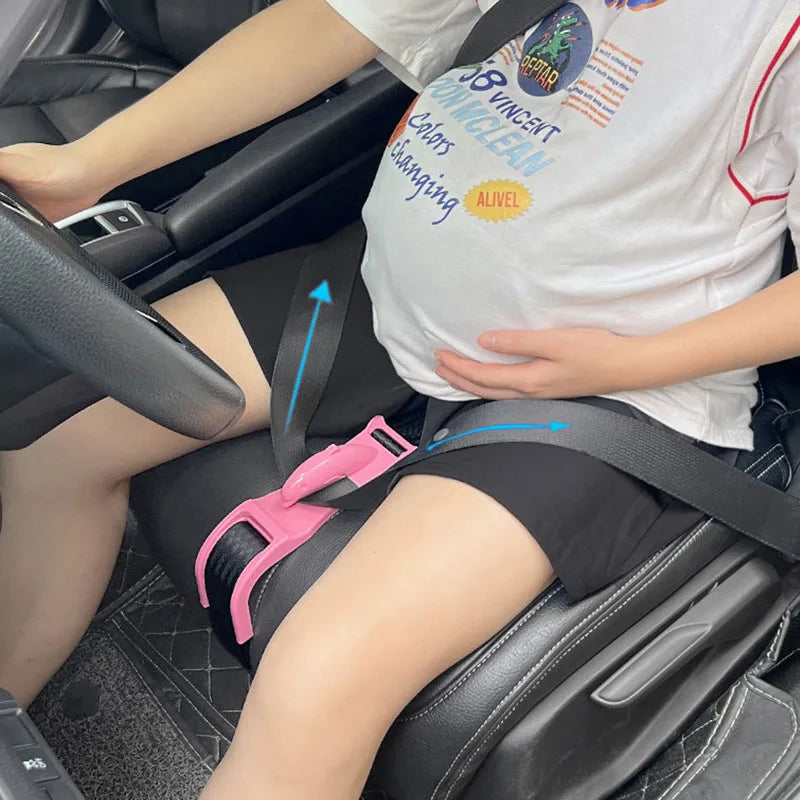
Pregnant woman driving with confidence and comfort — See it in action
Get your pregnancy car seat belt adjuster now
For a complete pregnancy comfort setup, explore helpful tools inside Sleep & Comfort and Beauty & Wellness .
Frequently Asked Questions
Can pregnant women drive throughout all three trimesters?
Yes, many women can drive throughout pregnancy when they feel comfortable and their healthcare provider has not advised restrictions. Adjusting driving habits and using proper support can improve comfort.
When should you stop driving during pregnancy?
There is no universal stopping point. Pregnant women should stop driving if they cannot operate the vehicle safely, experience concerning symptoms, or receive medical advice to limit driving.
How should a seat belt be worn while pregnant?
The lap belt should sit low across the hips and under the belly, while the shoulder belt should cross the chest. A pregnancy seat belt adjuster can improve comfort by helping maintain this position.
Are pregnancy seat belt adjusters safe?
Pregnancy seat belt adjusters are designed to improve comfort and belt positioning. Always choose products designed specifically for pregnancy and use them according to instructions.
Is it safe to drive in late pregnancy?
Many women continue driving in late pregnancy, but comfort, mobility, and medical conditions should be considered. Take breaks and avoid driving when symptoms affect concentration.
How often should you stop during long car trips while pregnant?
Stopping every 60–90 minutes is commonly recommended to move around, stretch, and support circulation.
Can driving cause contractions during pregnancy?
Normal driving does not typically cause contractions. However, if you experience contractions, pain, or other concerning symptoms while traveling, stop and contact your healthcare provider.
What products make driving while pregnant more comfortable?
A pregnancy seat belt adjuster, lumbar support cushion, belly band, leg support pillow, and portable seat cushion can help create a more comfortable pregnancy driving setup.
Product Highlight: Pregnancy Car Seat Belt Adjuster
Related Guide: Maternity Travel Safety Support: Choosing the Right Fit





