

Resistance Band Squats: 7 Mistakes Ruining Your Form
What are exercise band squats and do they really fix squat mistakes?
Exercise band squats use resistance bands to improve squat form by encouraging proper knee tracking, hip engagement, and muscle activation. When used correctly, exercise band squats help stop bands rolling during squats, reinforce correct hip band squat technique, and teach how to activate glutes properly—making squats safer, stronger, and more effective for beginners.
Exercise Band Squats: How to Fix Common Mistakes
⏱ 8 min read
Exercise band squats can look simple, but many people struggle with them—especially when bands roll, knees cave in, or glutes never seem to “turn on.” If your squats feel awkward, unstable, or ineffective, you’re not alone. The good news? Small adjustments can make a big difference, helping you feel stronger, safer, and more confident every rep.
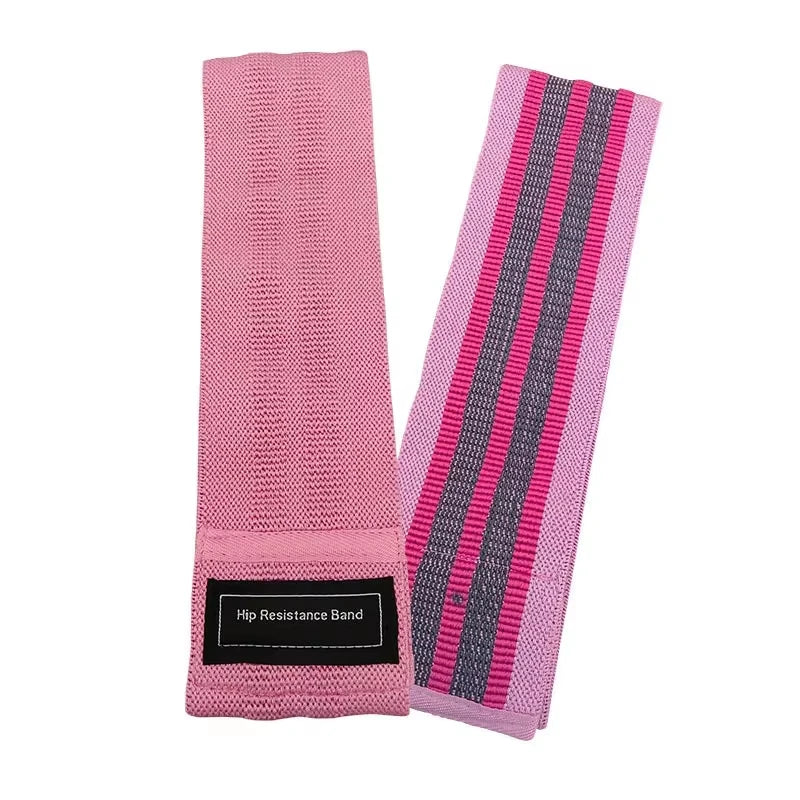
Exercise band squats for better form and glute activation 💡 See it in action
Quick question: Have you ever finished squats feeling them mostly in your thighs or lower back instead of your glutes? Keep reading—you’ll learn exactly why that happens and how to fix it.
Why exercise band squats feel harder than regular squats
Exercise band squats add lateral resistance that your body isn’t used to. The band pulls your knees inward, forcing your hips and glutes to work harder to stay aligned. This extra challenge exposes weaknesses that regular squats often hide.
- They reveal poor knee tracking
- They highlight weak glute engagement
- They demand better balance and control
- They improve body awareness faster
This is why bands feel uncomfortable at first—but that discomfort is valuable feedback, not a flaw.
The most common exercise band squat mistakes
Most problems come from setup, not strength. These are the issues that quietly sabotage results:
- Bands placed too low or too high
- Feet too narrow for hip structure
- Knees collapsing inward
- Rushing through reps
- Skipping glute activation warm-ups
Fixing these basics immediately improves comfort and effectiveness.
How to stop bands rolling during squats
Exercise band squats often fail when bands roll or slide. This usually means the band placement or tension is wrong—not that you’re doing squats “badly.”
Why bands roll during squats
- Smooth leggings or skin-on-band friction
- Band placed too close to the knees
- Band resistance too light
- Uneven leg pressure during descent
Simple fixes that work immediately
- Place the band just above mid-thigh, not on the knees
- Choose a band that creates tension at shoulder-width stance
- Push knees slightly outward before descending
- Slow down your squat tempo
Using quality bands designed to stay put—like this resistance band set—makes a noticeable difference in comfort and consistency.
Fix your hip band squat technique
Exercise band squats are about hip control, not just bending your knees. If your hips don’t move correctly, the band will exaggerate every flaw.
What correct hip band squat technique looks like
- Hips push back slightly before knees bend
- Chest stays tall, ribs stacked over hips
- Knees track in line with toes
- Weight stays mid-foot to heel
Think “sit between your hips,” not “drop straight down.” This cue alone fixes many issues.
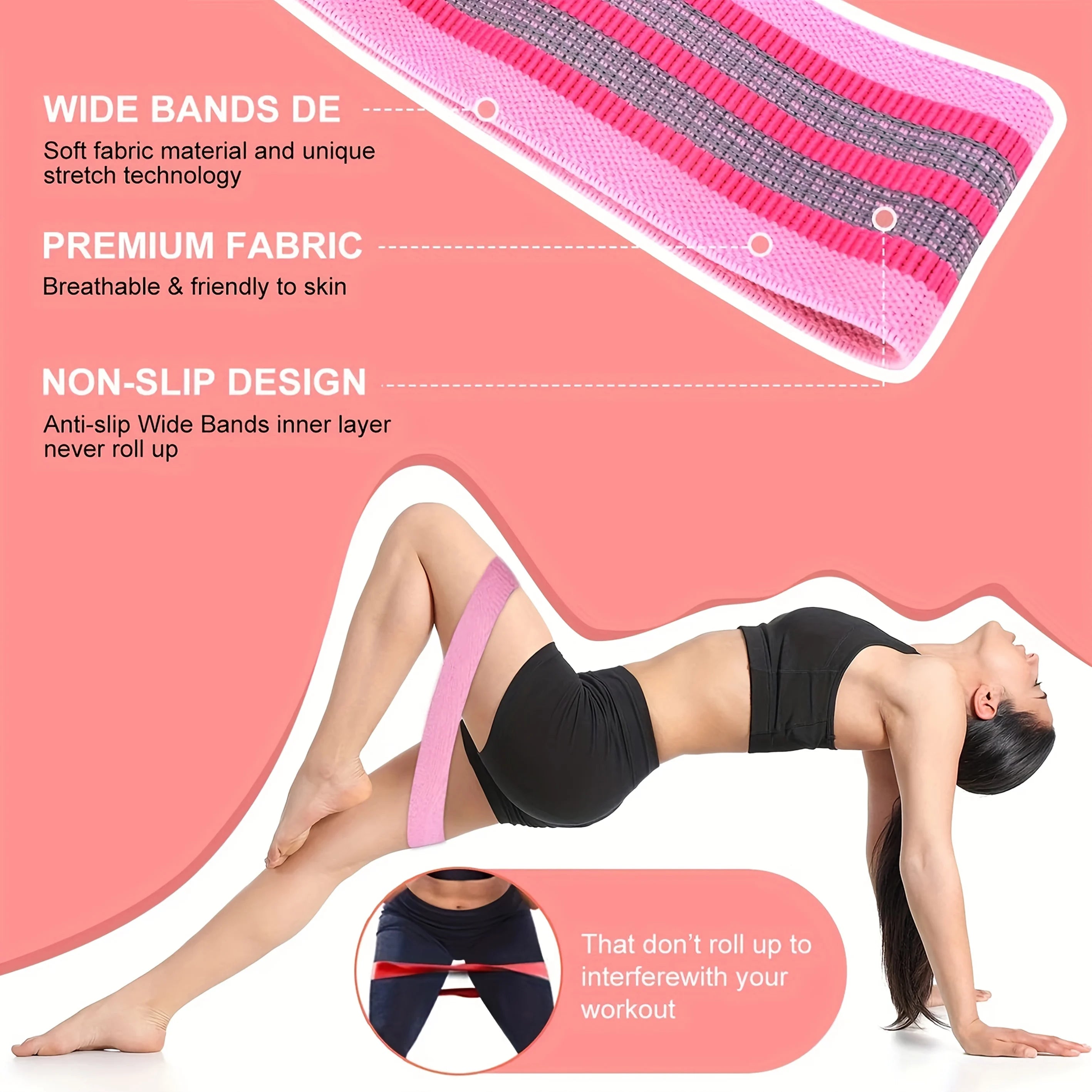
Correct hip band squat technique prevents knee collapse 💡 See it in action
How to activate glutes properly before squatting
Exercise band squats won’t magically activate glutes if they’re “asleep.” A short prep routine changes everything.
4-minute glute activation routine
- Banded lateral walks (30 seconds each direction)
- Standing banded hip abductions (10 per side)
- Bodyweight squats with band pause (5 reps)
- Single-leg balance with band tension (20 seconds each)
After this, exercise band squats feel smoother, stronger, and more controlled.
For recovery days, gentle muscle release tools from Massage & Relaxation can help reduce tight hips that limit squat depth.
Step-by-step perfect exercise band squat
Exercise band squats work best when every rep looks the same. Follow this simple checklist.
- Place band above mid-thigh
- Stand with feet shoulder-width apart
- Create outward tension before moving
- Inhale and brace your core
- Push hips back slightly
- Lower until thighs are parallel
- Exhale and drive through heels
- Maintain band tension throughout
Quality beats quantity. Five controlled reps beat twenty rushed ones.
Who benefits most from exercise band squats
Exercise band squats are especially helpful if you:
- Struggle with knee pain during squats
- Feel squats mostly in quads
- Are returning after injury or pregnancy
- Train at home with minimal equipment
Many parents and busy caregivers love bands because they’re quiet, compact, and effective. Collections like Mobility & Training fit easily into home routines without clutter.
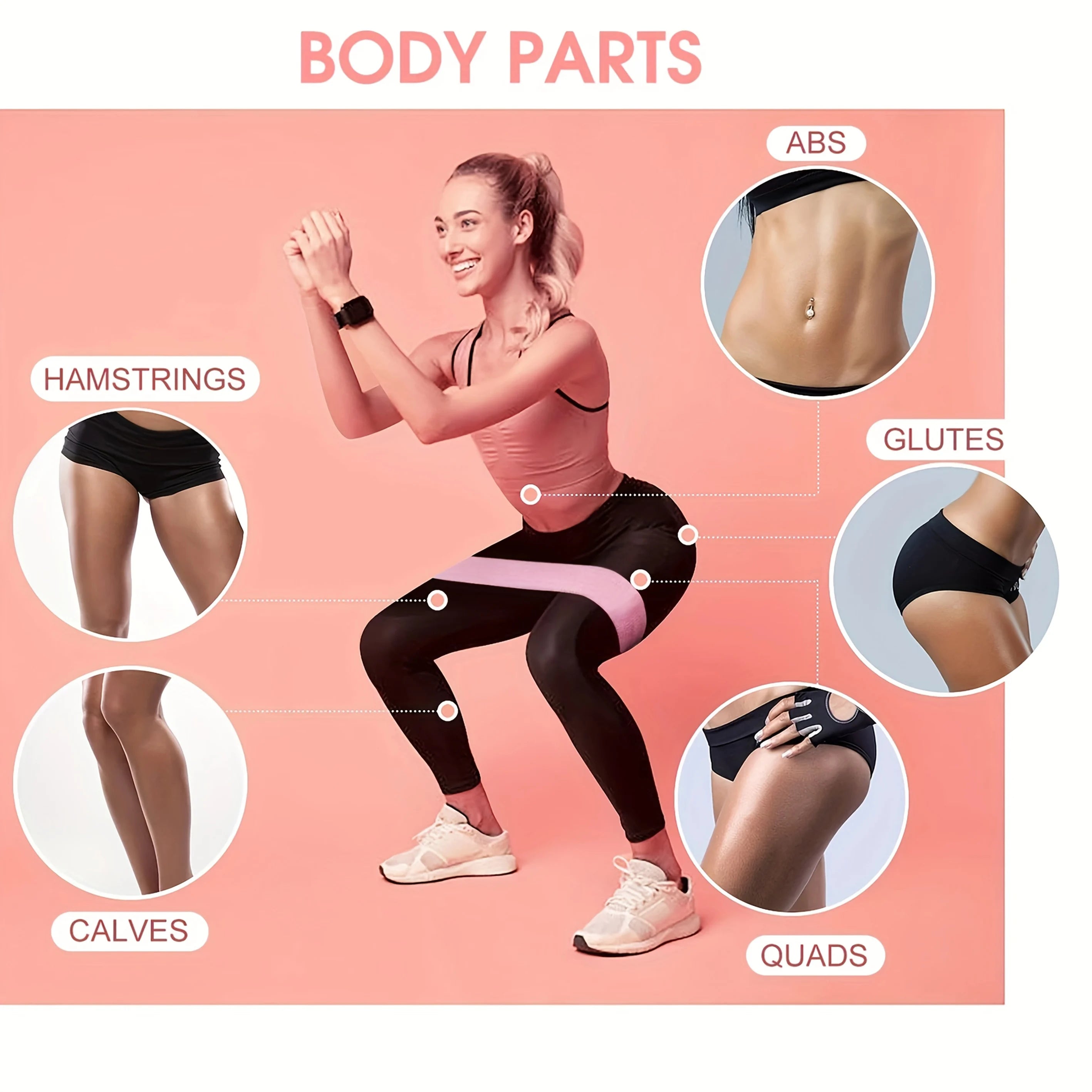
Exercise band squats at home for strong, stable legs 💡 See it in action
Real-world feedback: Many beginners report feeling glutes engage within the first week once band placement and hip technique are corrected—often reducing knee discomfort and improving confidence.
Quick FAQs about exercise band squats
Do exercise band squats replace regular squats?
No. Exercise band squats improve form and muscle activation. They work best alongside regular squats, especially during warm-ups or technique-focused sessions.
How tight should the band be?
The band should create tension at your normal stance without forcing your feet wider. If it slides or feels useless, adjust resistance.
How often should I do them?
2–4 times per week is ideal for most people, especially when focusing on form correction and glute engagement.
Can beginners use exercise band squats safely?
Yes. In fact, beginners often benefit the most because bands provide instant feedback and encourage safer movement patterns.
Related Guide: Resistance Band for Glutes Workout You Can Do at Home





