

Fabric vs Plastic Resistance Bands: Which Fits Your Workout?
Fabric Resistance Band Comparison: Which One Fits Your Glute Goals
⏱ 8 min read
Choosing between fabric and plastic resistance bands can significantly affect your comfort, exercise quality, and long-term consistency. While both create resistance, they behave very differently during squats, glute bridges, lateral walks, and rehabilitation exercises. This guide compares fabric resistance bands vs latex and TPE loop bands so you can select the best option for your fitness goals.
Quick question: Is your current resistance band helping you maintain proper form—or making every workout more frustrating?
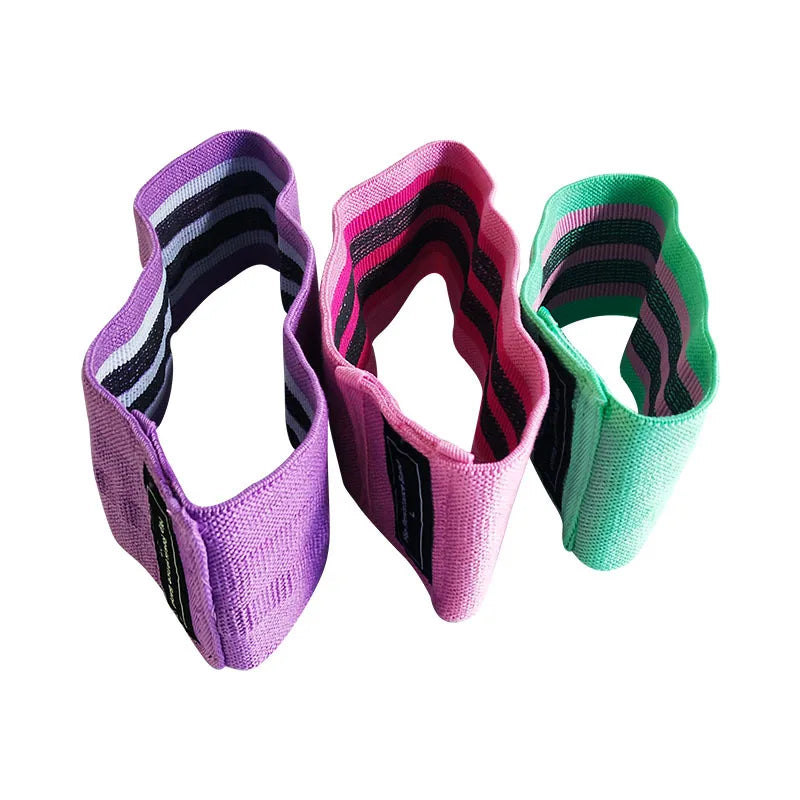
Fabric resistance band vs plastic options for glute workouts — See it in action
Fabric vs plastic resistance bands: which is better for your workouts?
For most lower-body workouts, fabric resistance bands are the better choice because they provide a more secure grip, greater comfort, and more consistent resistance. Plastic resistance bands—typically made from latex or TPE (thermoplastic elastomer)—remain excellent for stretching, rehabilitation, and travel because they are lighter and often provide a wider stretch range.
If your primary goal is glute activation, hip strengthening, squats, or home fitness, fabric resistance bands usually deliver the best experience. If you need maximum stretch for mobility drills or physical therapy, latex or TPE loop bands may be more suitable.
What are fabric and plastic resistance bands?
Although both create resistance through elastic tension, the materials and construction influence how they perform during exercise.
How fabric bands are made
Fabric resistance bands combine woven polyester, cotton, or blended textiles with elastic fibers sewn into a continuous loop. Many premium versions include an inner grip layer that helps prevent slipping during movement.
- Wide, woven construction
- Designed for glute and lower-body training
- Stable during squats, bridges, and lateral walks
- Available in multiple resistance levels
How latex and TPE bands differ
Plastic resistance bands generally fall into two categories:
- Latex bands: highly elastic, responsive, and common in strength training and rehabilitation.
- TPE bands: latex-free alternatives suitable for users with latex sensitivities while providing similar flexibility.
Both stretch farther than fabric bands, making them popular for mobility drills, assisted pull-ups, rehabilitation exercises, and full-body stretching.
Fabric vs plastic resistance bands: side-by-side comparison
Comfort and skin feel
Fabric resistance bands feel softer against skin and clothing. Because the woven material distributes pressure more evenly, they're less likely to pinch skin or pull leg hair during repetitive movements.
Grip, rolling and slipping
One of the biggest fabric resistance band benefits is stability. Their wider design and interior grip reduce rolling and sliding, allowing you to focus on maintaining proper squat depth and knee alignment.
Resistance consistency and stretch
Latex and TPE bands stretch farther, which can be useful for dynamic stretching. Fabric bands provide firmer, more controlled resistance throughout glute-focused exercises, making muscle engagement easier to maintain.
Durability and snapping risk
High-quality fabric resistance bands generally resist tearing, cracking, and heat damage better than many plastic alternatives. Latex bands can eventually lose elasticity after repeated exposure to sweat, sunlight, and improper storage.
Portability and price
Plastic loop bands are lighter and often cost less. Fabric resistance bands are slightly bulkier but typically offer greater long-term value thanks to improved durability and comfort.
Do fabric resistance bands roll?
Most quality fabric resistance bands are specifically designed not to roll during exercise. While no band is completely immune to movement, properly constructed fabric bands roll far less frequently than narrow latex loop bands.
Why some bands roll
Rolling usually occurs when a band is too narrow, worn out, incorrectly positioned, or stretched beyond its intended range.
Wide woven fabric distributes pressure across a larger surface while interior grip threads help keep the band in position during movement.
Exercises where rolling is most noticeable
- Bodyweight squats
- Walking lateral band steps
- Glute bridges
- Fire hydrants
- Standing kickbacks
Choosing the correct resistance level and positioning the band flat against your legs further minimizes rolling.
Which resistance band is best for different goals?
Glute activation
Fabric resistance bands are widely considered the best option for glute activation because they stay securely in place while providing steady outward tension during hip-focused movements.
Strength training
Heavy fabric bands work well for lower-body strength progression, while latex bands complement upper-body assistance exercises such as pull-up training.
Rehabilitation and physical therapy
Many rehabilitation programs use latex or TPE resistance bands because their longer stretch supports controlled range-of-motion exercises.
Pilates, mobility and travel
Lightweight latex or TPE loop bands pack easily into luggage and are excellent for mobility work, while fabric bands remain ideal for dedicated lower-body sessions.
Many exercisers benefit from owning both types: fabric bands for glute workouts and latex bands for stretching and rehabilitation.
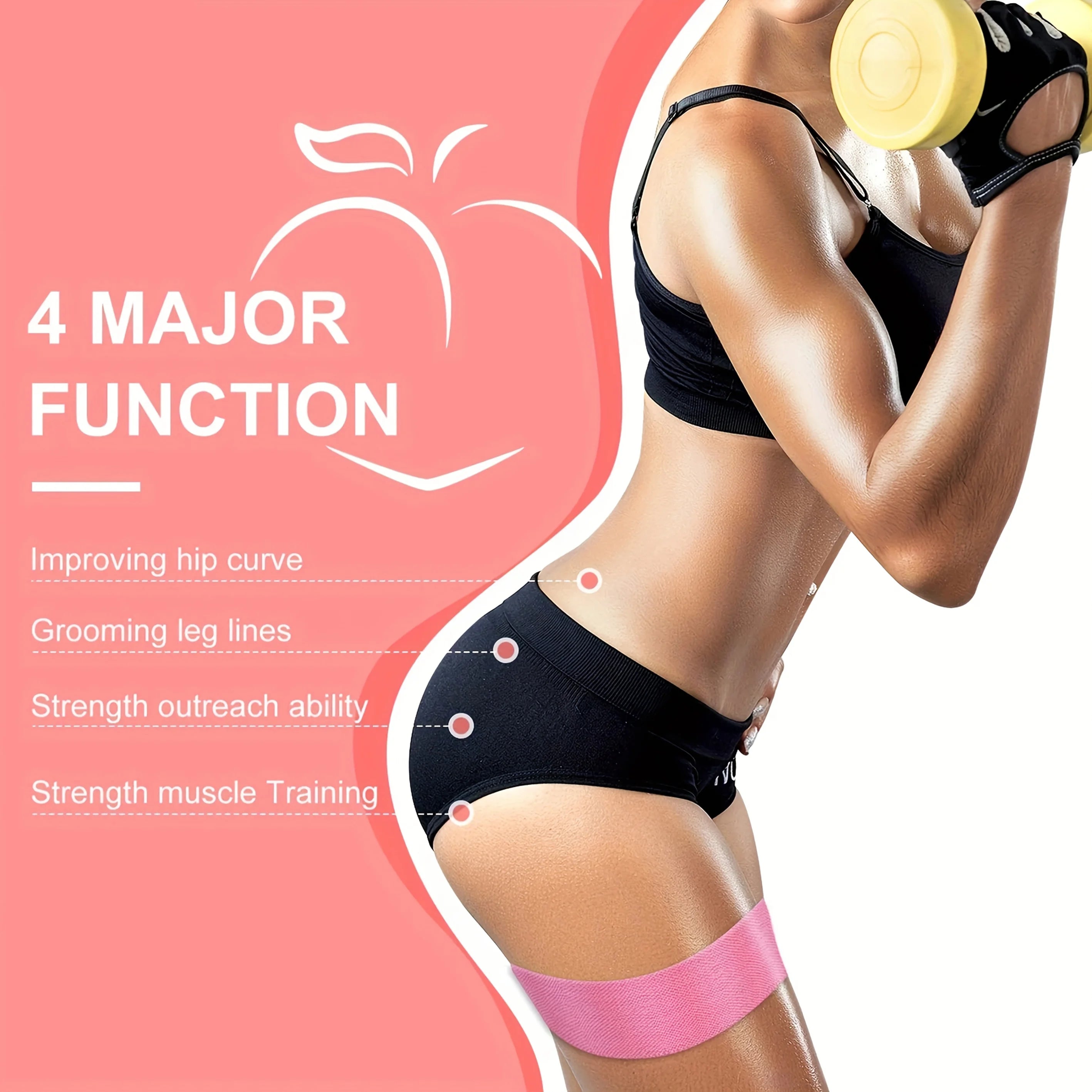
Best fabric resistance bands for controlled glute activation — See it in action
Comparison table: fabric vs latex resistance bands
| Feature | Fabric Resistance Bands | Latex/TPE Resistance Bands |
|---|---|---|
| Best for | Glute training, squats, hip exercises | Stretching, rehabilitation, mobility |
| Comfort | Soft woven surface | Can pinch or stick to skin |
| Rolling | Minimal with quality bands | More likely during lower-body exercises |
| Stretch | Controlled resistance | Higher elasticity |
| Typical lifespan | Long with proper care | May lose elasticity sooner |
| Who should buy | Home fitness and glute-focused users | Mobility, rehab, and travel workouts |
Which resistance band is best for beginners?
For most beginners, a medium-resistance fabric band offers the easiest learning experience because it stays in place and encourages proper movement patterns.
Choosing the right resistance
- Light: rehabilitation and mobility
- Medium: beginners and general fitness
- Heavy: strength progression and experienced users
Progressing safely
Master bodyweight exercises first, then gradually increase resistance rather than jumping to the strongest band immediately.
Common beginner mistakes
- Using resistance that's too heavy
- Rushing repetitions
- Allowing knees to collapse inward
- Ignoring proper recovery between workouts
Many users pair fabric resistance band routines with gentle recovery tools from Massage & Relaxation to support muscle recovery and relaxation after workouts.
Cleaning, maintenance and storage
Proper care helps extend the lifespan of both fabric and latex resistance bands.
- Hand wash fabric bands with mild soap and cool water.
- Allow fabric bands to air dry completely before storage.
- Keep latex and TPE bands away from excessive heat and direct sunlight.
- Inspect all bands regularly for signs of wear or damage.
- Replace bands that show tears, fraying, or significant loss of elasticity.
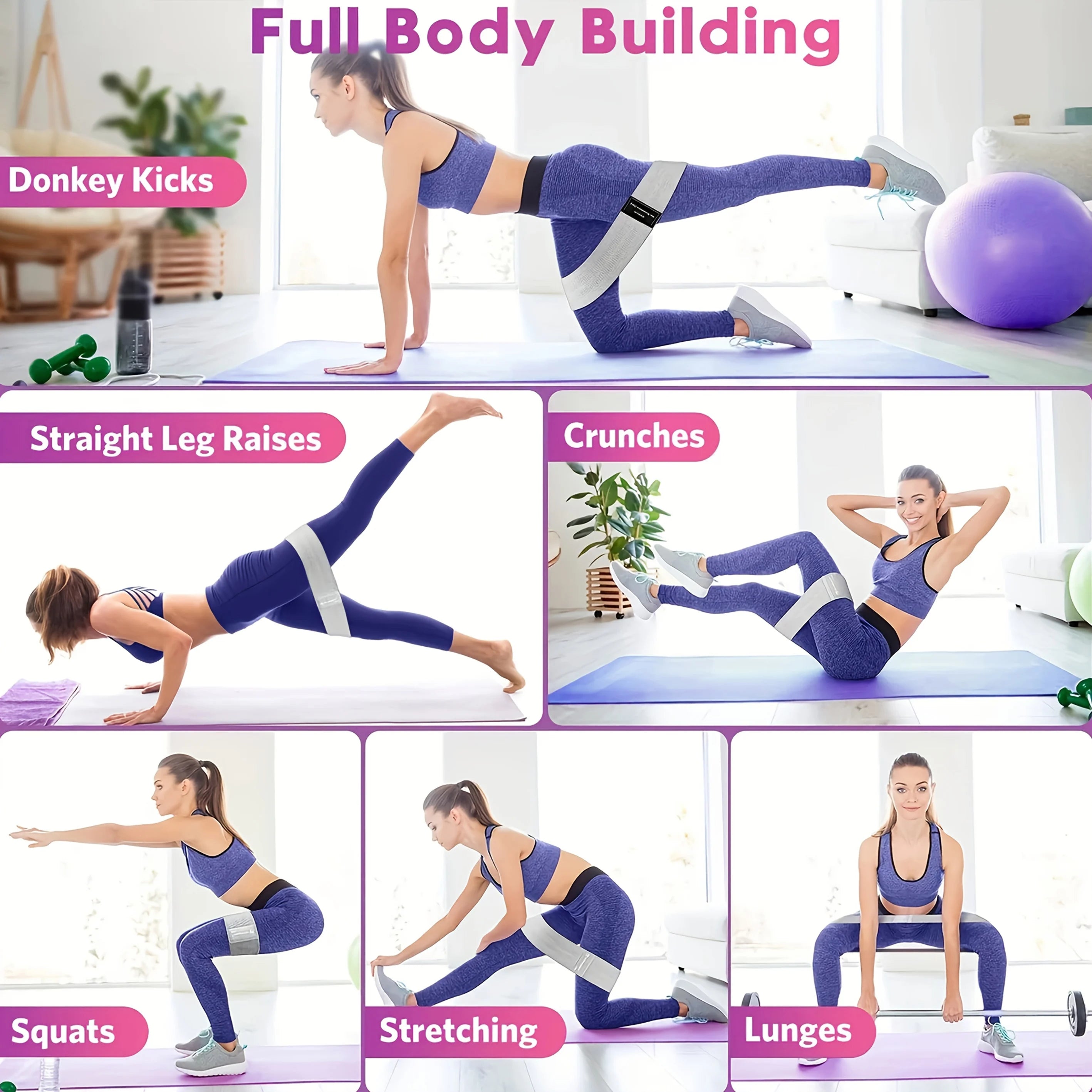
Fabric vs plastic resistance bands in real use — See it in action
Frequently Asked Questions
Are fabric resistance bands better than latex?
For glute workouts and lower-body strength training, fabric resistance bands are often the better choice because they provide greater comfort, better grip, and reduced rolling. Latex bands remain excellent for stretching, rehabilitation, and mobility exercises.
Do fabric resistance bands roll during squats?
Quality non-roll fabric resistance bands rarely roll when correctly positioned. Wider construction and interior grip strips help keep them stable throughout squats and glute exercises.
Can fabric resistance bands replace latex loop bands?
They can replace latex bands for many lower-body workouts, but latex or TPE bands still offer advantages for stretching, rehabilitation, and exercises requiring greater elasticity.
Which resistance band is best for beginners?
A medium-resistance fabric band is an excellent starting point because it offers stability, comfort, and enough resistance to learn proper technique safely.
Are fabric resistance bands good for glute training?
Yes. Fabric resistance bands are specifically popular for glute activation because they maintain consistent tension during squats, bridges, kickbacks, and lateral walks.
How long do fabric resistance bands last?
With regular cleaning and proper storage, quality fabric resistance bands can last for years while maintaining consistent resistance.
Can you wash fabric resistance bands?
Yes. Wash them by hand using mild soap and cool water, then let them air dry completely before storing.
Should I own both fabric and latex resistance bands?
If you regularly perform strength training and mobility work, owning both types provides the greatest versatility. Use fabric bands for lower-body strength sessions and latex or TPE bands for stretching, rehabilitation, and travel workouts.





