

How to Fix a Wobbly Chair - DIY Fix Unstable Chair Fix Now
Does an unstable chair for toddler mealtimes have a simple fix?
An unstable chair for toddler use can be fixed quickly by switching to a secure booster seat designed for dining tables. A well-fitted plastic booster seat adds height, grip, and balance, helping toddlers sit safely and independently during meals without wobbling, slipping, or constant adult adjustments.
Fix an Unstable Chair for Toddler Mealtimes
⏱ 6 min read
Unstable chair for toddler mealtimes is one of those everyday frustrations that sneaks up on parents. One minute your child is excited to eat with the family, the next you’re bracing the chair with your knee while spoon-feeding. Sound familiar? The good news: stability, safety, and calm dinners are easier to achieve than you think.
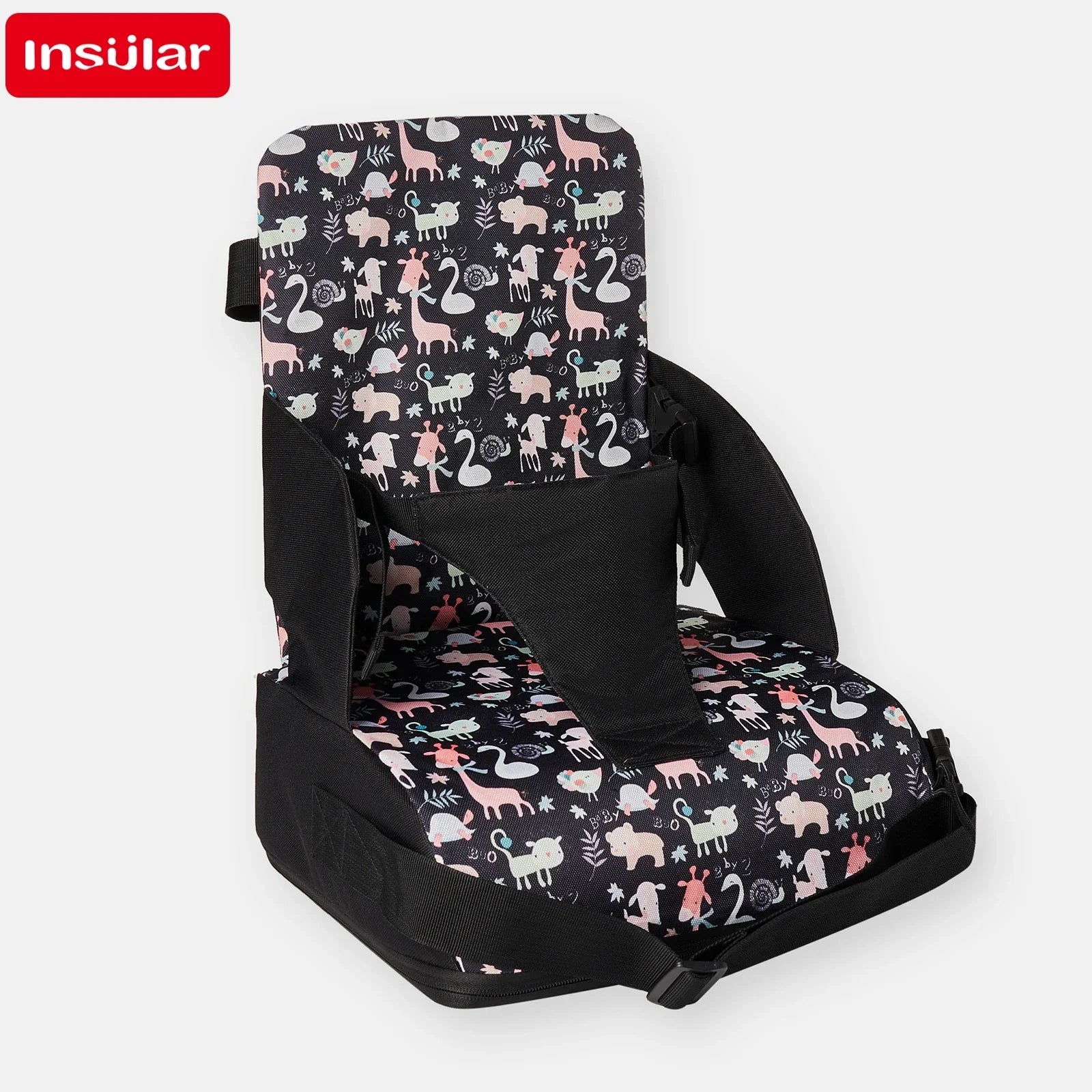
Unstable chair for toddler? See how a booster seat for dining room table restores balance 💡 See it in action
Why Chairs Feel Unstable for Toddlers
Most dining chairs are built for adults, not growing bodies. When a toddler climbs up, their feet dangle, their center of gravity shifts, and even sturdy chairs can wobble.
- Seat height is too high for short legs
- No foot support leads to constant movement
- Smooth chair surfaces reduce grip
- Benches lack side boundaries
This instability isn’t just annoying—it can distract toddlers, reduce appetite, and increase safety worries during every bite.
Quick Safety Check Before You Fix It
Before choosing any solution, take 60 seconds to observe your child during meals:
- Does the chair rock when they shift weight?
- Do they push against the table to steady themselves?
- Are you constantly repositioning them?
- Do spills happen because they can’t sit still?
If you answered yes to any of these, your setup needs more stability—not discipline, not reminders, just better support.
How a Booster Chair Solves the Unstable Chair for Toddler Problem
An unstable chair for toddler seating is best solved by adding structure where adult chairs fall short. A booster seat for dining room table use raises your child to the correct height while anchoring them securely to the chair.
Unlike cushions or folded towels, a booster chair is designed to lock into place, prevent sliding, and encourage upright posture.
👉 Learn step-by-step how to choose the right seating setup for your toddlerKey benefits parents notice immediately
- Less wobbling and shifting
- Improved focus during meals
- Hands free for self-feeding
- More relaxed family dinners
Best Booster Chair for Bench Seating at the Table
Bench seating looks great, but it’s one of the hardest setups for toddlers. Without armrests or individual chair frames, kids slide sideways or lean too far.
A booster chair for bench use adds defined seating space, creating clear boundaries while keeping your dining style intact.
This is especially helpful in open-plan homes where dining benches are common and space-saving.
Why a Plastic Booster Seat Outperforms Bulky Options
A plastic booster seat is lightweight, easy to clean, and surprisingly stable. Its molded shape grips the chair surface better than padded fabric options.
- Wipe-clean after messy meals
- Non-slip base for safety
- Compact for storage or travel
- Durable for daily use
Many parents also appreciate that plastic doesn’t absorb odors or stains, making it ideal for long-term use.
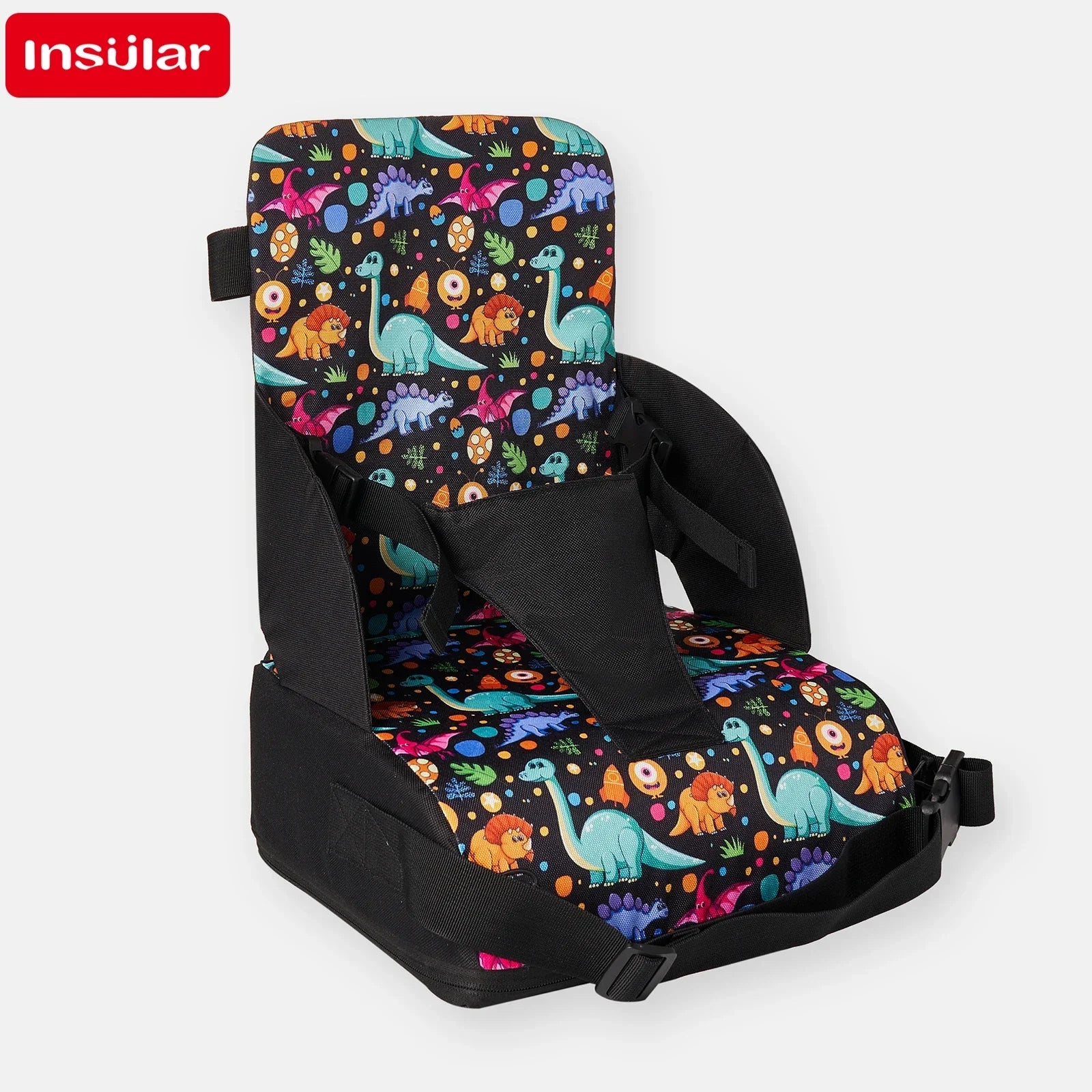
Plastic booster seat stabilizing a booster seat for dining room table 💡 See it in action
Step-by-Step: Set Up a Stable Mealtime Seat
- Place the booster seat centered on the chair or bench.
- Secure straps tightly underneath the seat.
- Check that your toddler’s feet can rest comfortably.
- Adjust table distance so elbows rest naturally.
This setup encourages independence while keeping safety front and center—no constant hovering required.
For families building a safer routine, browsing Feeding & Nursing and Health & Safety collections can help align mealtime tools with your child’s growth stage.
👉 Ready to simplify meals? Try a secure booster seat made for everyday family tablesPortable Baby Booster Seat
What Parents Notice After Fixing the Seating
Parents often report changes within the first few meals:
- Toddlers sit longer without fussing
- Fewer spills and dropped utensils
- More confidence feeding themselves
- Parents finally eat while food is warm
One parent shared that after switching from an unstable chair for toddler use to a booster seat, dinner time went from chaotic to calm in under a week.
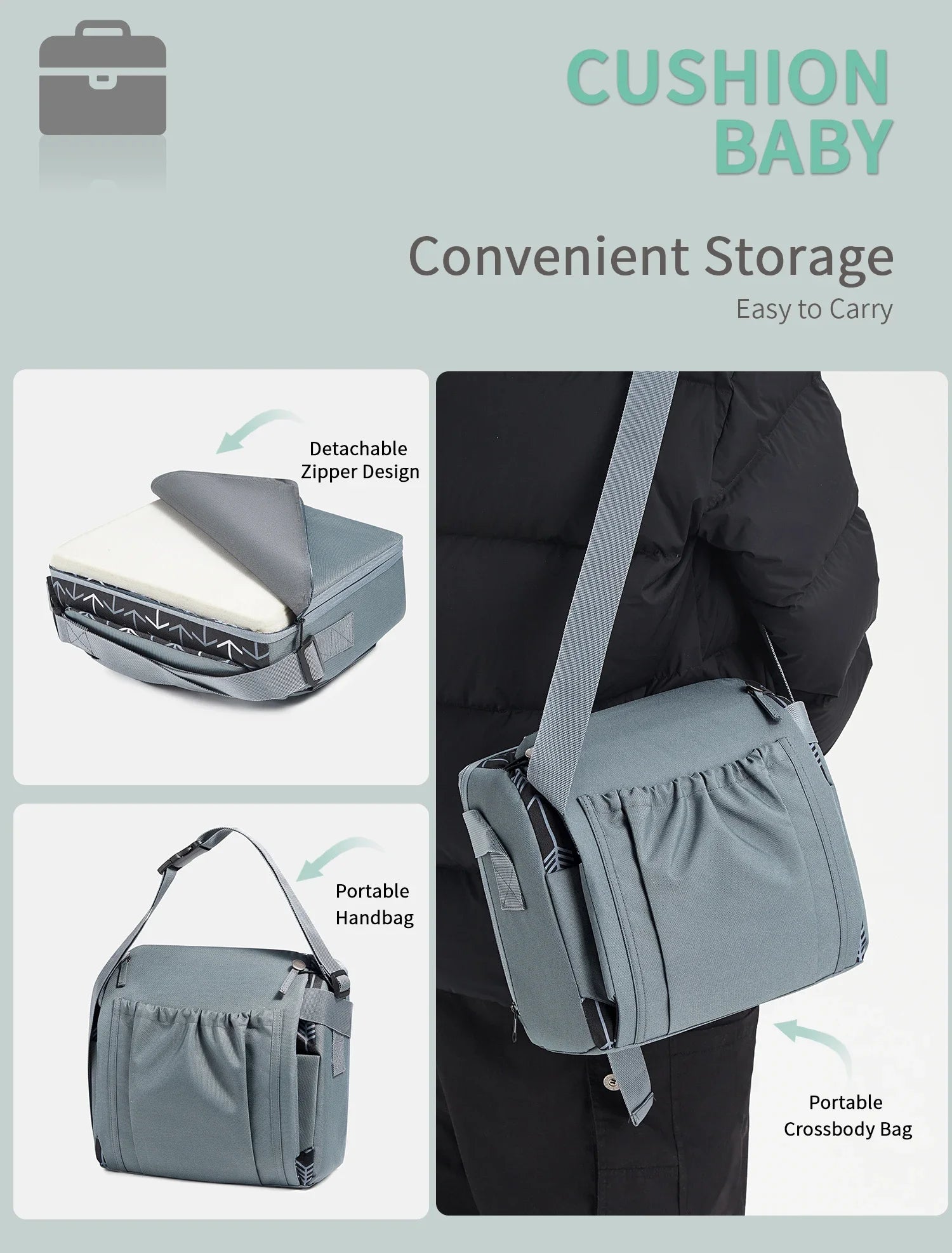
Booster chair for bench seating brings safety and independence 💡 See it in action
Mini FAQ
Is a booster seat safe for everyday use?
Yes, when properly secured, a booster seat for dining room table use provides stable support designed specifically for toddlers’ size and movement.
Can I use a booster seat on a bench?
Absolutely. A booster chair for bench seating adds structure where benches lack individual seating boundaries.
What age is best for switching from a high chair?
Many families transition between 18 months and 3 years, depending on balance and table height.
How do I keep my dining area toddler-friendly?
Combining stable seating with easy-clean tools from Baby Care Essentials and Feeding Tools helps maintain safety and routine as your child grows.
Related Guide: How to Seat Toddler Safely at Any Table





