

Scalp Stimulator for Thinning Hair: Which Type Fits?
Does a scalp stimulator really help thinning hair?
Direct answer: A scalp stimulator can support healthier hair growth by improving scalp circulation, loosening product buildup, and encouraging a healthier scalp environment. While a scalp massager does not cure genetic or medical hair loss, consistent scalp stimulation may complement proven treatments such as topical medications, good scalp hygiene, and healthy lifestyle habits.
Best Scalp Stimulators for Thinning Hair (2026): Top Picks Compared
⏱ 8 min read
If you've noticed extra hair shedding, widening parts, or increased scalp sensitivity, choosing the right scalp stimulator for thinning hair can make your daily hair care routine more effective. From simple silicone brushes to advanced red light therapy devices, each option serves different hair types, scalp conditions, and budgets. This guide compares the most popular scalp massagers for hair loss, explains what research says, and helps you choose the right tool without unrealistic expectations.
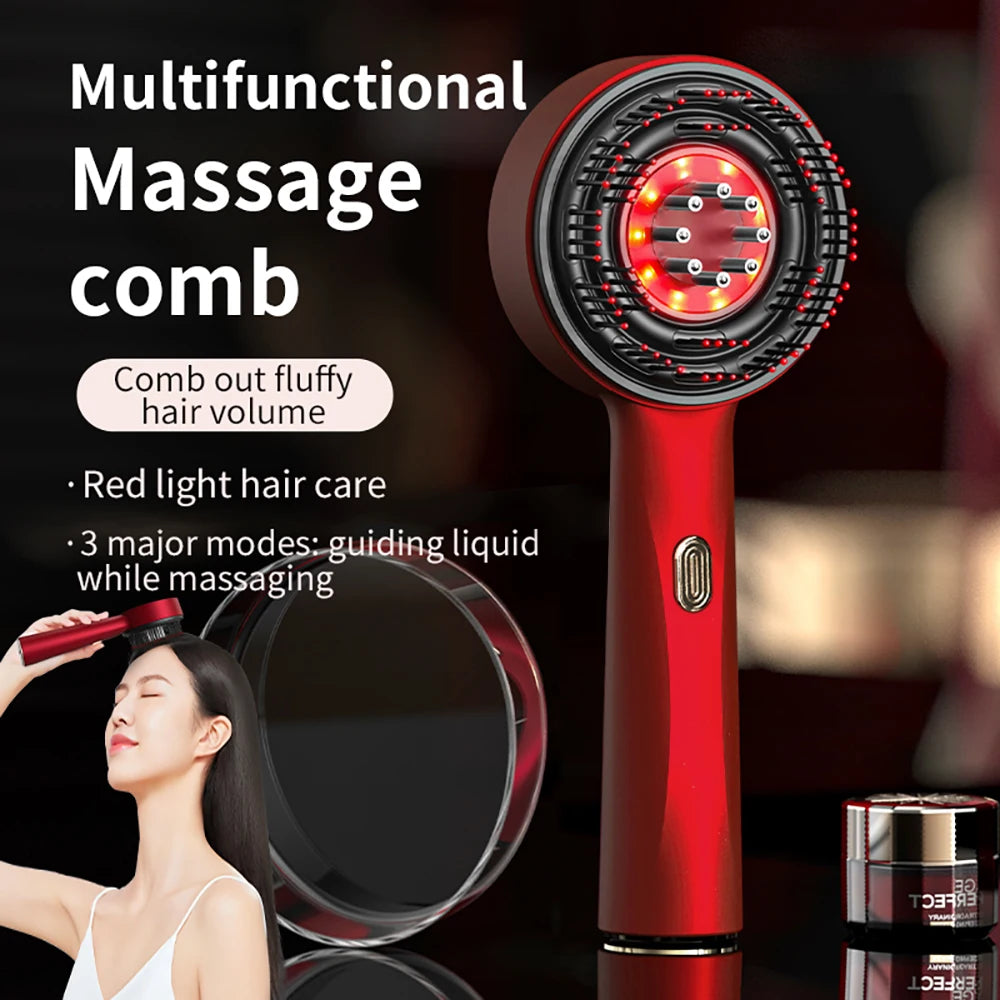
A scalp stimulator for thinning hair can become part of a consistent home hair care routine — See it in action
Quick Comparison Table
| Category | Best For | Advantages | Limitations |
|---|---|---|---|
|
Best Overall
Red Light Scalp Massager |
Overall scalp wellness | Massage plus red light therapy, comfortable for frequent use | Higher investment than basic tools |
|
Best Budget
Silicone Shampoo Brush |
Daily scalp cleansing | Affordable, easy to clean, beginner-friendly | Limited stimulation compared with powered devices |
|
Best Electric
Breo Scalp Mini |
Relaxation and circulation | Hands-free massage with rotating nodes | Requires charging |
|
Best Silicone
HEETA Shampoo Brush |
Sensitive scalps | Soft bristles reduce scratching | Manual operation only |
|
Best Red Light
Red Light Scalp Massager |
Long-term scalp care | Combines massage with light therapy | Best results require consistent use |
Does a Scalp Stimulator Really Help Thinning Hair?
What Research Says
Research suggests that scalp stimulation may temporarily increase blood flow to scalp tissues while helping remove excess oil and buildup. Massage may also reduce muscle tension around the scalp, creating a healthier environment for existing hair follicles. However, evidence shows scalp massage should be viewed as a supportive therapy rather than a standalone treatment for significant hair loss.
Realistic Expectations
A scalp massager helps support scalp health, but it cannot reverse every cause of hair loss. People with hereditary hair loss, hormonal conditions, or medical disorders typically benefit most when scalp stimulation is combined with dermatologist-recommended treatments and a consistent hair care routine.
Who Benefits Most
- People with mild thinning hair scalp issues
- Those experiencing stress-related shedding
- Users wanting better scalp exfoliation
- Individuals using topical hair growth products
Common Causes of Thinning Hair and Scalp Issues
Genetics
Inherited pattern hair loss remains the most common cause of progressive thinning. While a scalp stimulator cannot change genetics, it may improve comfort and scalp health alongside medical treatment.
Hormonal Changes
Postpartum recovery, menopause, thyroid disorders, and hormonal fluctuations may all contribute to increased shedding. If hair loss is sudden or severe, medical evaluation is recommended before relying on home treatments.
Stress & Lifestyle
High stress levels, poor sleep, restrictive diets, and frequent heat styling can contribute to temporary hair shedding. Daily scalp massage may help promote relaxation while supporting a healthier self-care routine.
Scalp Health
Oil buildup, dandruff, inflammation, and accumulated styling products may affect the scalp environment. Gentle massage helps loosen debris during cleansing without using fingernails that may irritate sensitive skin.
For readers already investing in wellness routines, collections like Beauty & Wellness and Massage & Relaxation include products that complement relaxation and self-care beyond hair care.
Types of Scalp Stimulators for Hair Growth
Silicone Brush Massagers
Soft silicone brushes remain the easiest entry point for daily scalp stimulation. They're inexpensive, gentle on sensitive skin, and ideal for shampooing.
- Excellent for daily cleansing
- Helps remove oil and product buildup
- Suitable for fine hair and sensitive scalps
- Low risk of hair pulling when used gently
Manual Scalp Massagers
Manual scalp massagers provide targeted pressure without batteries. Multi-prong and roller designs work well for thicker hair but require careful technique to avoid unnecessary tugging.
Electric & Vibrating Devices
Electric scalp massagers deliver more consistent stimulation while reducing hand fatigue. Many users choose these hair stimulator machines for regular relaxation sessions or to distribute scalp treatments more evenly.
Red Light Therapy Devices
A red light scalp massager combines massage with low-level light therapy. This combination aims to support scalp comfort while encouraging an environment favorable for healthy hair follicles over time.
The Red Light Scalp Massager offers an all-in-one solution for users seeking both massage and light therapy in one device.
Microneedling Devices
Microneedling rollers and pens are different from massage tools. They create controlled micro-injuries intended to stimulate healing responses. Because improper use increases infection and irritation risk, these devices require greater care and should follow professional guidance.
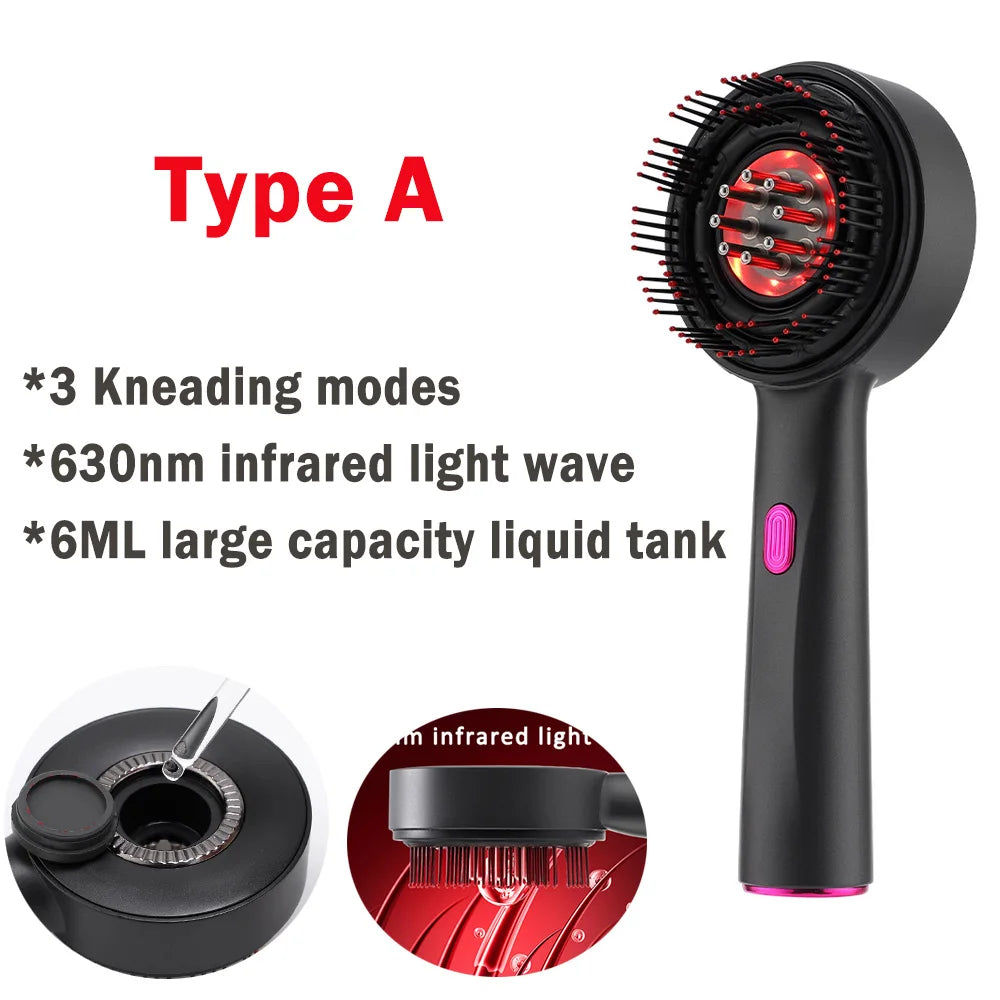
Different scalp stimulators suit different hair types and scalp conditions — See it in action
How We Tested and Ranked These Scalp Stimulators
Our comparison focused on practical everyday use rather than marketing claims. We evaluated each scalp stimulator based on:
- Comfort during 5–10 minute sessions
- Ease of cleaning after use
- Risk of pulling or tangling hair
- Build quality and durability
- Value for money
- Suitability for different hair types
How to Choose the Best Scalp Stimulator
Hair Type
Fine hair generally benefits from soft silicone bristles, while thicker or curly hair often requires firmer manual or electric devices capable of reaching the scalp.
Scalp Sensitivity
If your scalp becomes irritated easily, prioritize flexible silicone tips and avoid aggressive pressure regardless of the device you choose.
Manual vs Electric
Manual tools are affordable and portable. Electric scalp stimulators provide more consistent movement with less effort, making them attractive for frequent users.
Budget
Basic silicone brushes are excellent entry-level choices. Premium devices that combine massage with red light therapy offer additional features for users committed to long-term scalp care.
How to Use a Scalp Stimulator Safely for Hair Growth
Daily Routine
- Start with clean or slightly damp hair.
- Apply light pressure using slow circular motions.
- Massage for 5–10 minutes.
- Repeat several times each week or daily if comfortable.
With Hair Growth Products
Many people use scalp stimulation before applying topical products such as hair serums or minoxidil. Always follow the product manufacturer's instructions regarding application timing.
Cleaning & Maintenance
Wash silicone or detachable massage heads regularly with mild soap and allow them to dry completely. Keeping the device clean helps reduce bacteria, oil buildup, and residue transfer.
Can a Scalp Massager Cause Hair Loss?
When used correctly, a scalp massager should not cause hair loss. Problems typically arise from excessive force, using rigid tools aggressively, or massaging already damaged or inflamed skin.
Common mistakes include:
- Pressing too hard
- Using long fingernail-like prongs aggressively
- Massaging tangled hair
- Using damaged or dirty tools
If you notice pain, redness lasting several hours, or increased breakage after massage, reduce pressure and frequency. Persistent or rapidly worsening hair loss should be evaluated by a healthcare professional.
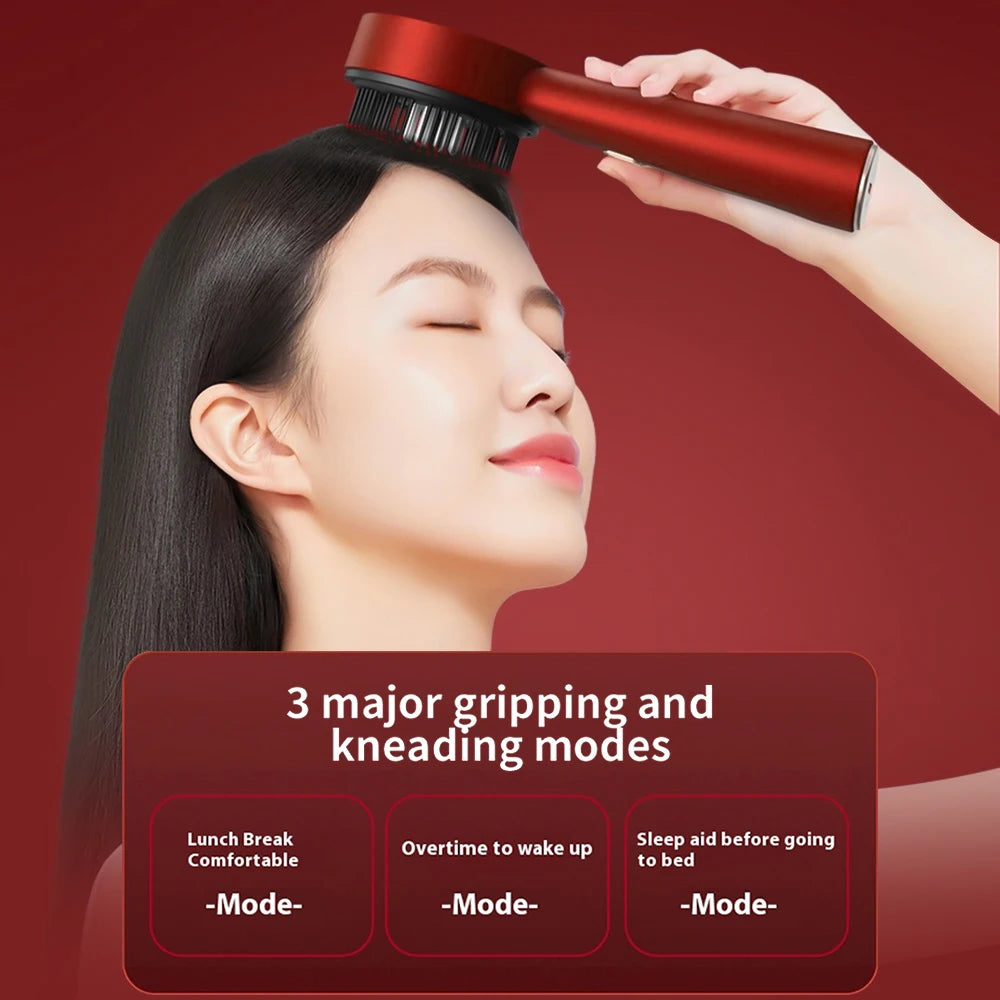
Gentle, consistent scalp stimulation supports scalp health better than excessive pressure — See it in action
Frequently Asked Questions
Does a scalp massager help with hair loss?
A scalp massager may support healthier scalp conditions by improving circulation and reducing buildup, but it should complement—not replace—evidence-based hair loss treatments.
Can scalp massagers cause hair loss?
Not when used gently. Excessive pressure or aggressive techniques may contribute to hair breakage or scalp irritation.
What is the best scalp stimulator for thinning hair?
The best choice depends on your goals. Silicone brushes suit beginners, electric devices provide more consistent massage, and the Red Light Scalp Massager combines massage with light therapy for comprehensive scalp care.
How often should I use a scalp stimulator?
Most people can use a gentle scalp stimulator for 5–10 minutes several times per week or daily if their scalp remains comfortable.
Can I use a scalp stimulator with minoxidil?
Many users combine scalp massage with topical treatments. Follow your healthcare provider's advice and the product instructions for timing and application.
Are electric scalp stimulators better than manual scalp massagers?
Neither is universally better. Electric devices offer consistent massage with less effort, while manual tools are affordable, portable, and effective when used properly.
How long does scalp stimulation take to show results?
Many users notice improved scalp comfort within a few weeks. Visible improvements in hair appearance, if they occur, typically require several months of consistent use alongside an overall hair care plan.
Which scalp stimulator is best for sensitive scalps?
Soft silicone scalp brushes and gentle red light massage devices are typically the most comfortable options for sensitive scalps because they minimize friction while providing light stimulation.





