

Hands Free Baby Carrying How to Move Easily All Day
Does hands free baby carrying really make daily movement easier?
Hands free baby carrying allows parents to move, bend, and walk with better balance while reducing strain when arms tired when raised becomes constant. By distributing weight across the waist and core, it supports safer handling infants, improves posture, and enhances infant carrier safety during everyday tasks at home or outside.
⏱ 6 min read
Hands Free Baby Carrying How to Move Easily All Day
Hands free baby carrying can completely change how long days feel for parents. If your arms tired when raised halfway through chores or outings, you’re not alone. Constant lifting, shifting, and holding while handling infants takes a real toll. The good news? Moving comfortably with your baby is possible—without sacrificing safety, closeness, or peace of mind.
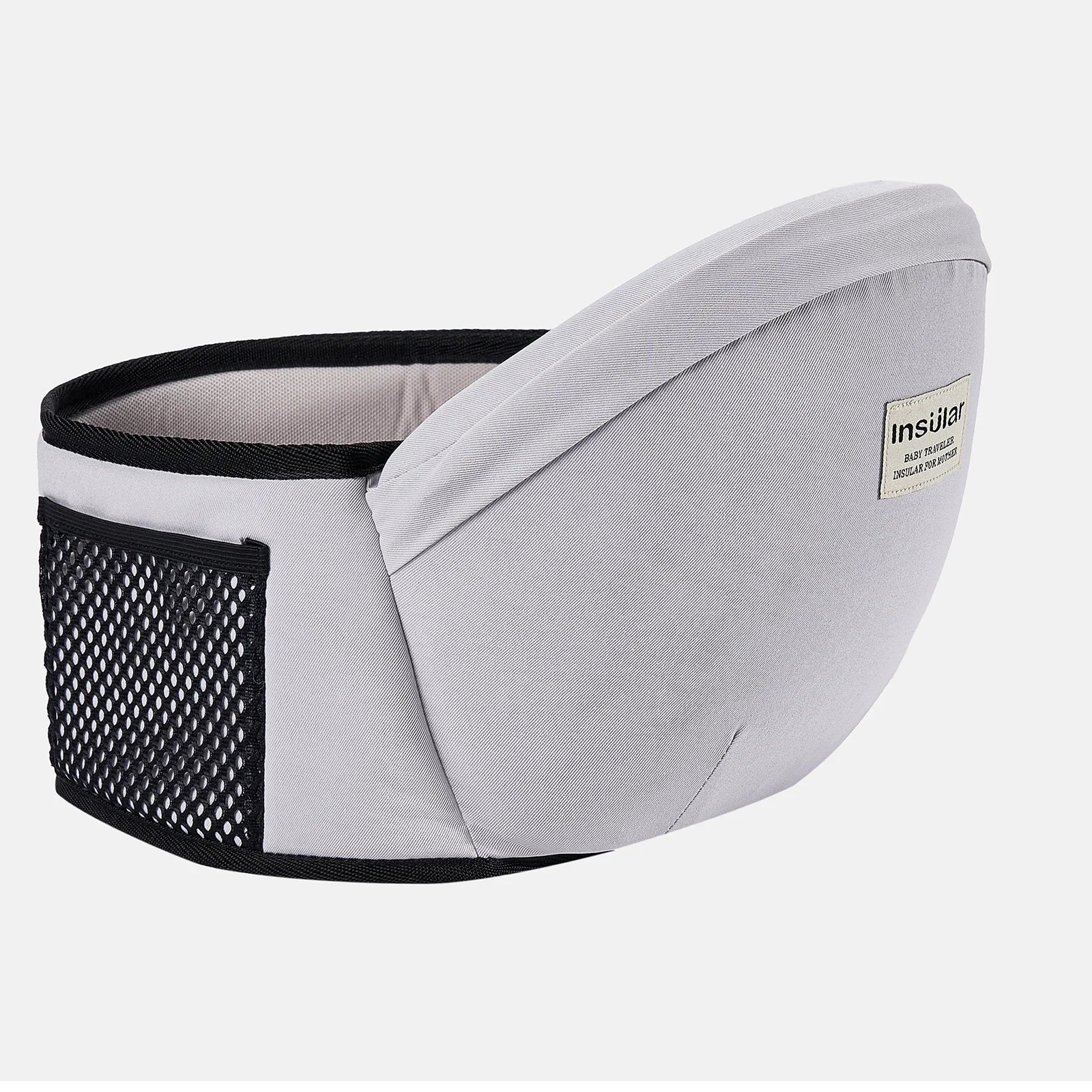
Hands free baby carrying reduces strain when arms tired when raised 💡 See it in action
👉 Curious how safer baby gear supports daily movement? Explore trusted essentials inside Baby Care Essentials.
Why Arms Get Tired So Fast When Holding a Baby
Your arms aren’t designed to support growing weight for hours at a time. When handling infants, most parents rely on shoulder and arm muscles alone, creating tension that builds quickly.
- Weight pulls downward on wrists and elbows
- Shoulders stay raised, limiting blood flow
- Posture shifts, stressing the lower back
- Fatigue increases risk of unsafe adjustments
This is why arms tired when raised becomes a daily frustration—especially during errands, meal prep, or soothing a fussy baby.
What Is Hands Free Baby Carrying and How Does It Work?
Hands free baby carrying supports your baby’s weight at the waist and hips instead of the arms alone. This allows parents to stay mobile, upright, and balanced while keeping infants close and secure.
By using structured support, the body’s stronger core muscles do the work, easing arm fatigue and improving infant carrier safety during movement.
👉 Learn how to choose safer options for everyday care inside Health & Safety.
Step-by-Step: How to Use Hands Free Baby Carrying Safely
Hands free baby carrying works best when set up correctly. Follow these simple steps to protect both parent and baby.
- Secure the waist support snugly so weight stays centered.
- Position baby upright with hips supported and spine neutral.
- Check balance by standing and shifting weight gently.
- Adjust height so baby stays close without pulling forward.
- Move naturally, keeping shoulders relaxed and arms free.
Many parents pair this setup with a supportive waist stool carrier like this hands free option to reduce strain during long days.
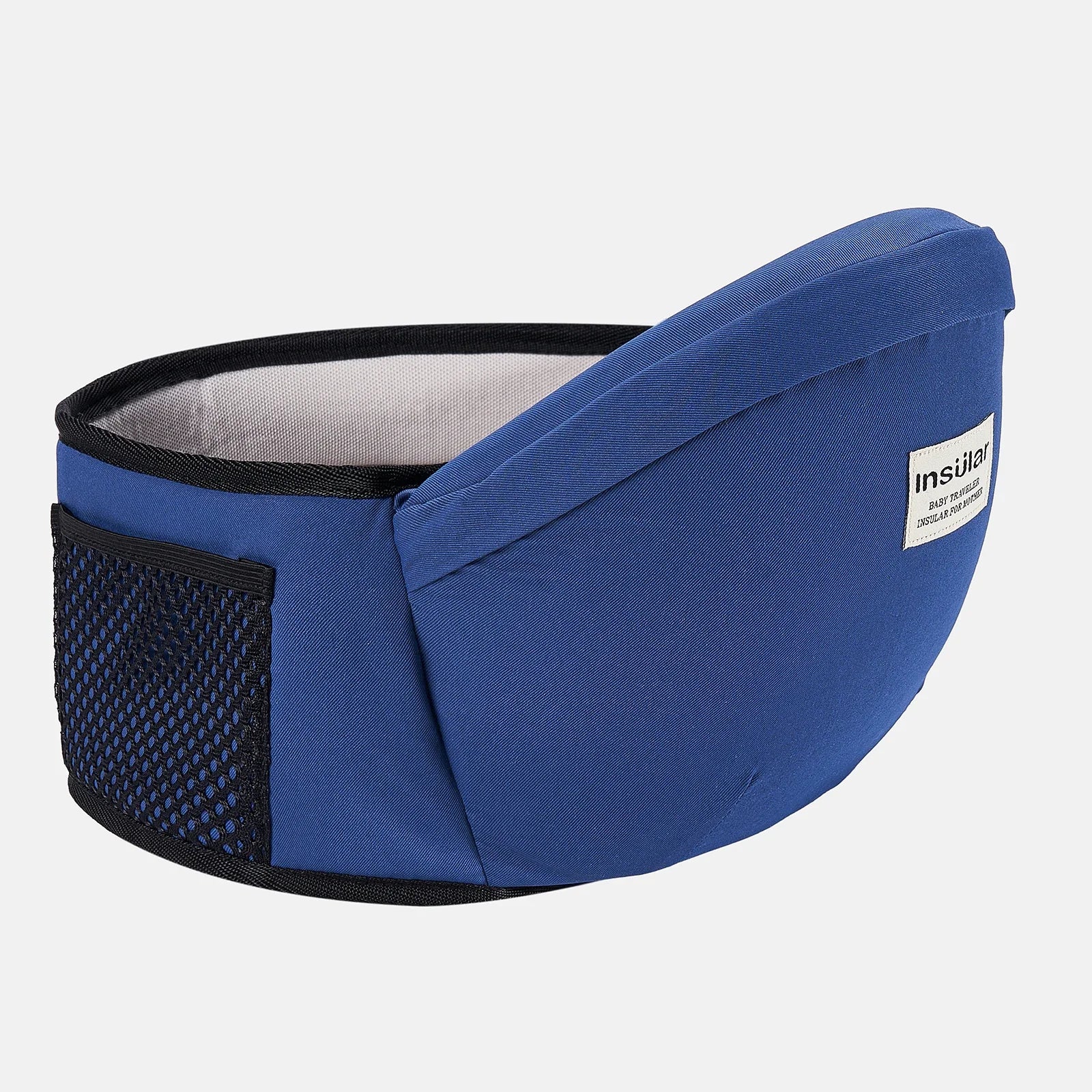
Handling infants safely while keeping arms free 💡 See it in action
👉 Want guidance on choosing daily-use baby gear? Browse trusted picks in Mom Essentials.
Everyday Situations Where Hands Free Carrying Helps
Parents often underestimate how often they need both hands free. Hands free baby carrying supports mobility during moments that usually feel overwhelming.
- Cooking or light meal prep without setting baby down
- School drop-offs while managing bags and doors
- Short walks when strollers feel bulky
- Soothing a baby while standing or pacing
Instead of constantly adjusting grip, parents can move confidently while handling infants safely.
Infant Carrier Safety Tips Parents Should Know
Infant carrier safety is about positioning, awareness, and comfort. Hands free baby carrying should always follow a few key guidelines.
- Keep baby’s airway clear and visible
- Support hips and thighs evenly
- Avoid leaning forward suddenly
- Take breaks if discomfort appears
For added peace of mind, many parents combine carrying solutions with monitoring tools from Monitoring Devices when baby naps or rests.
Hands Free Carrying vs Traditional Holding
| Feature | Hands Free Carrying | Traditional Holding |
|---|---|---|
| Arm fatigue | Reduced | High |
| Balance | Improved | Uneven |
| Mobility | Hands available | Limited |
| Safety consistency | Stable support | Varies with fatigue |
This comparison explains why many parents transition to hands free baby carrying as infants grow heavier.
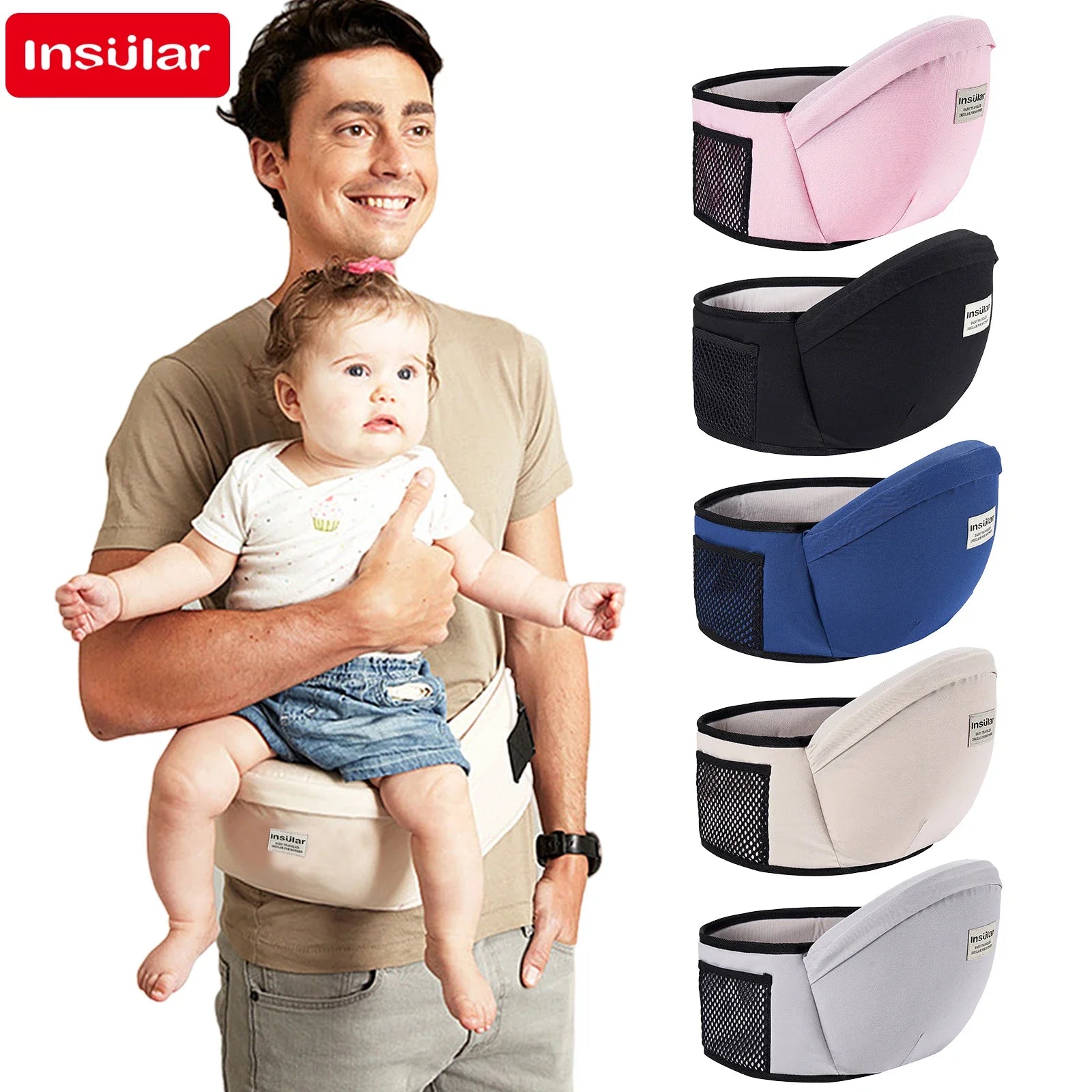
Move freely all day with hands free baby carrying 💡 See it in action
👉 Ready to simplify long days with your baby? Discover supportive solutions designed for movement.
Quick Questions Parents Often Ask
Is hands free baby carrying safe for daily use?
Hands free baby carrying is safe when the carrier fits properly, supports the hips, and keeps the airway clear. Proper setup helps reduce fatigue and supports infant carrier safety during regular movement.
Does it help when arms tired when raised?
Yes. By shifting weight from arms to the waist and core, hands free baby carrying significantly reduces arm strain and shoulder tension throughout the day.
When can parents start using hands free carriers?
Many parents begin once infants have basic head control. Always follow product guidelines and prioritize comfort and stability while handling infants.
Related Guide: How to Carry Baby Comfortably Step by Step for New Parents





