

Heated Eye Mask Benefits: How Heat Relieves Dry, Tired Eyes
Does Heat Therapy for Eyes Really Work?
Heat therapy for eyes can be an effective way to relieve dry, tired eyes when used correctly. Gentle warmth helps soften the natural oils inside the meibomian glands along the eyelid margins, allowing those oils to spread more easily across the tear film. A healthier tear film slows tear evaporation, improves comfort, and may reduce symptoms associated with evaporative dry eye.
What research shows
Clinical studies have found that consistent eyelid warming can improve meibomian gland function and reduce dry eye symptoms in many people, particularly those with meibomian gland dysfunction (MGD). However, heat therapy is a supportive treatment rather than a cure. Results vary depending on the underlying cause of eye discomfort and whether the therapy is used regularly.
Who benefits the most
- People with evaporative dry eye
- Individuals with meibomian gland dysfunction (MGD)
- People experiencing digital eye strain from prolonged screen use
- Those who wake with dry or irritated eyes
Whether you use a traditional warm compress for eyes or a heated eye mask for dry eyes, consistent, comfortable warmth generally provides better long-term support than occasional treatment alone.
Heat Therapy for Eyes: Heated Masks vs Warm Compresses
⏱ 7 min read · Heat therapy for eyes has become a trusted self-care practice for managing screen fatigue, dry eyes, and eyelid discomfort. From a traditional warm compress for eyes to reusable heated eye masks, today's options make it easier to add therapeutic warmth into your daily routine. This guide explains how each method works, who benefits most, and when one option may be a better choice.
If long workdays, frequent travel, air conditioning, or extended screen time leave your eyes feeling dry or tired, understanding the differences between heated eye masks and warm compresses can help you choose a solution that matches your needs.
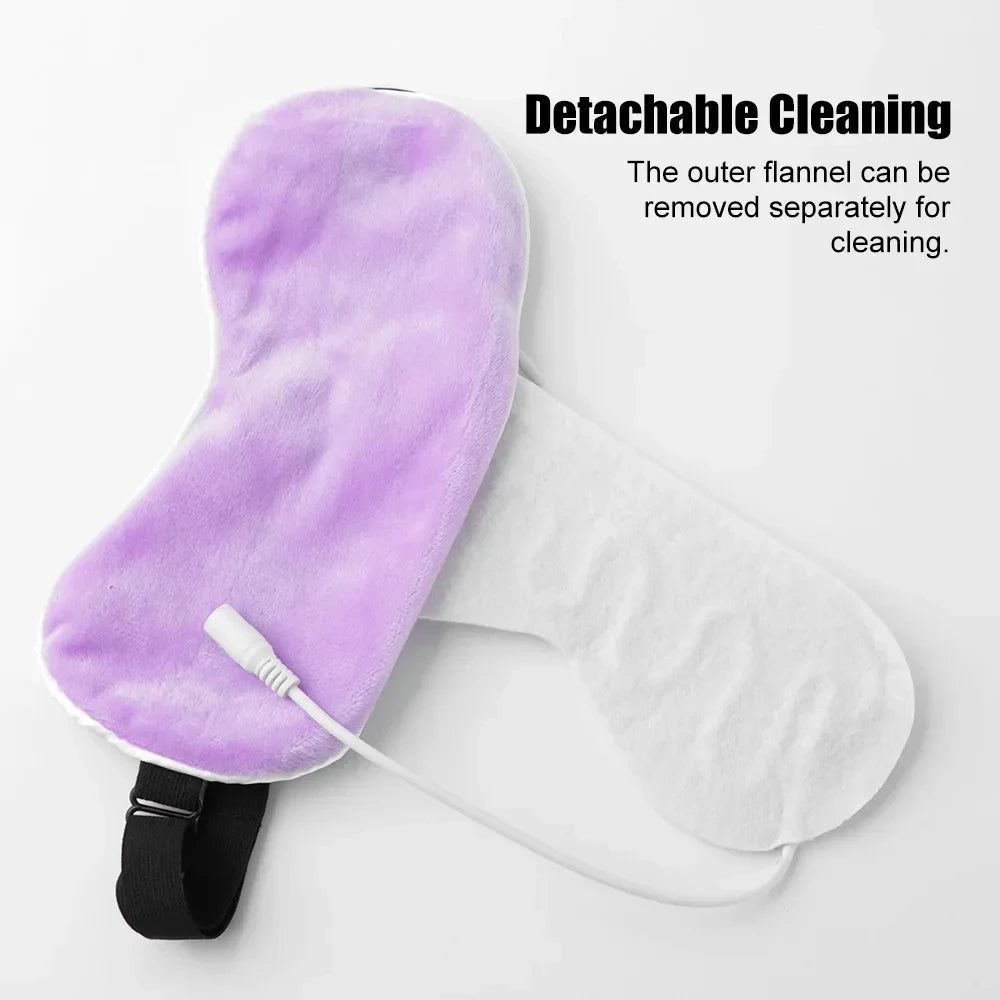
Heat therapy for eyes using a warm compress or eye compress mask can help relieve dryness and eye fatigue.
Heated Eye Mask Benefits: How Heat Therapy Helps Your Eyes
A heated eye mask is a reusable device designed to deliver controlled warmth across the eyelids for a longer, more consistent period than a standard cloth compress. One of the primary heated eye mask benefits is maintaining a stable temperature that supports healthy oil flow from the meibomian glands.
What happens when gentle heat is applied to the eyelids
When the eyelids are warmed, thickened oils inside the meibomian glands become softer and easier to release. These oils form the outer layer of your tears, helping reduce evaporation and keeping the eyes comfortably lubricated.
How heat therapy improves tear quality
- Supports healthier tear film stability
- Encourages normal oil secretion
- Relieves eyelid tightness and eye fatigue
- May reduce burning and dryness associated with prolonged screen use
- Provides relaxing warmth without putting pressure on the eyes
The benefits of heated eye masks are generally most noticeable when they become part of a consistent eye care routine rather than an occasional treatment.
How Heated Eye Masks Work for Dry Eyes and Meibomian Gland Dysfunction
What is meibomian gland dysfunction (MGD)?
MGD occurs when the tiny oil-producing glands along the eyelid margins become blocked or fail to produce enough healthy oil. It is one of the leading causes of evaporative dry eye.
How blocked oil glands affect tears
Without enough protective oil, tears evaporate more quickly. This may lead to dryness, fluctuating vision, irritation, watery eyes, or a gritty sensation.
Why consistent heat matters
Because the oils inside blocked glands often become thickened, gentle warmth over 10 to 20 minutes helps soften these oils. Heated eye masks maintain a more consistent therapeutic temperature than many homemade warm compresses, making them particularly useful for regular care.
Dry eye disease
People with evaporative dry eye often experience improved comfort after regular heat therapy by supporting healthier tear production.
Blepharitis
Warmth may help loosen debris and oils around the eyelids, making eyelid hygiene routines more effective when recommended by an eye care professional.
Eye fatigue and digital eye strain
Long periods of reading or screen use reduce blinking frequency, contributing to dryness. Gentle warmth can help relax tired eyelids and support tear stability after extended computer work.
Styes and clogged glands
Healthcare professionals commonly recommend warm compresses to encourage natural drainage of clogged glands. Persistent swelling, severe pain, or vision changes should always be evaluated by an eye doctor.
Heated Eye Mask vs Warm Compress: What's the Difference?
| Feature | Warm Compress for Eyes | Heated Eye Mask |
|---|---|---|
| Consistency of heat | Cools within a few minutes | Maintains steady warmth |
| Convenience | Requires reheating | Ready for repeated sessions |
| Hygiene | Needs fresh clean cloth each use | Reusable with proper cleaning |
| Comfort | May shift or drip | Designed to fit comfortably over closed eyes |
| Best suited for | Occasional relief | Daily heat therapy routines |
Both options can provide effective heat therapy for eyes. The main difference is temperature consistency, which may improve comfort during longer treatment sessions.

A heated eye mask provides more consistent warmth than a traditional warm compress.
How to Use a Heated Eye Mask Safely
Step-by-step instructions
- Wash your hands before handling the eye mask.
- Heat the mask according to the manufacturer's instructions.
- Test the temperature on your wrist before placing it over your eyes.
- Close your eyes and relax during treatment.
- Follow with gentle eyelid massage if recommended by your eye care provider.
Recommended temperature and duration
Most treatment sessions last between 10 and 20 minutes. The mask should feel comfortably warm, never hot enough to cause discomfort.
How often to use
Many people benefit from once- or twice-daily use during symptom flare-ups. Individuals with chronic dry eye should follow the advice of their optometrist or ophthalmologist.
Is a Heated Eye Mask Safe for Your Eyes?
When used as directed, heated eye masks are generally considered safe for healthy adults. Safe use depends on avoiding excessive temperatures and maintaining good hygiene.
Who should avoid heat therapy
- People with recent eye surgery unless approved by their surgeon
- Individuals with acute eye infections
- Anyone with reduced facial sensation who cannot accurately judge temperature
Possible side effects
Using excessive heat may cause temporary redness, irritation, or skin discomfort. Stop treatment if symptoms worsen.
When to consult an eye doctor
Seek professional evaluation if dry eye symptoms persist despite treatment, vision changes occur, severe pain develops, or swelling continues for several days.
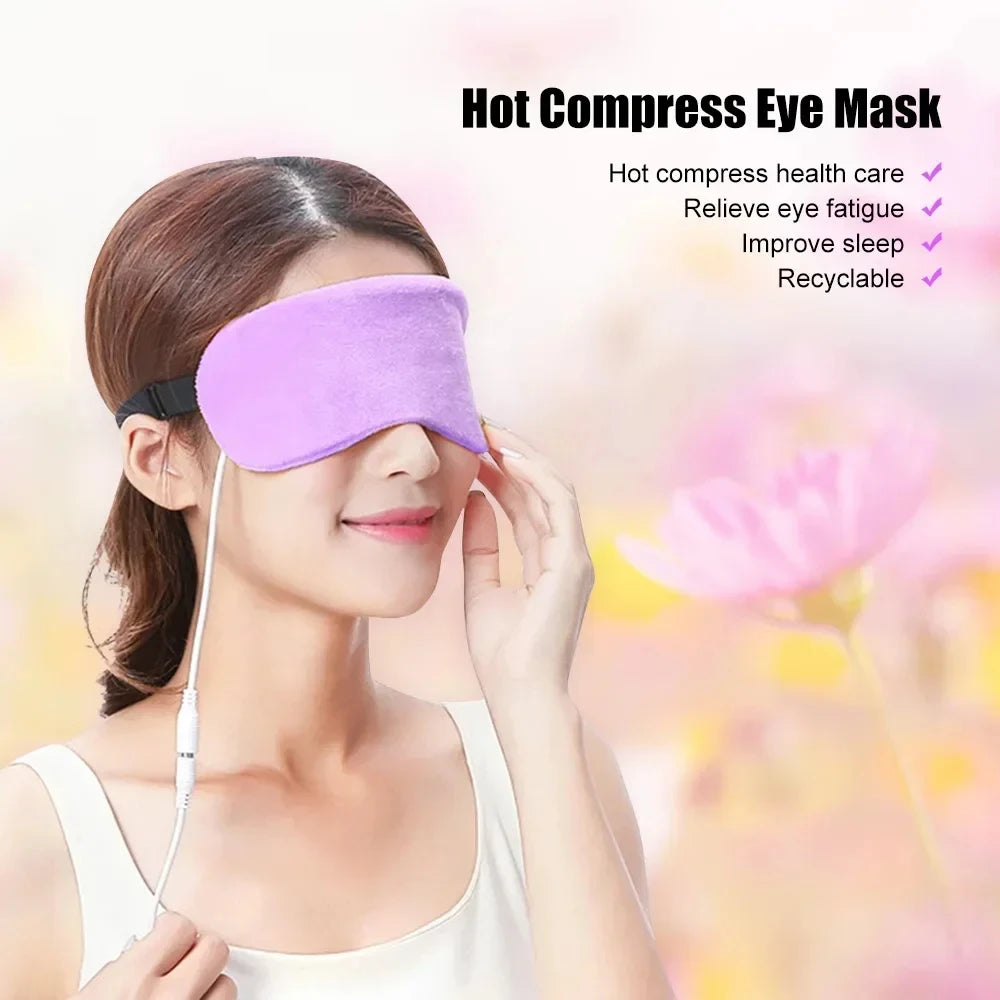
Safe, consistent heat therapy supports comfortable eyelids and healthier tear function.
Can Heat Therapy Reduce Eye Pressure?
What current evidence says
Current evidence does not support using heated eye masks as a treatment for elevated intraocular pressure or glaucoma. Their primary purpose is improving eyelid health and tear quality rather than lowering eye pressure.
Common misconceptions
Although some people confuse improved eye comfort with lower eye pressure, these are different issues. Anyone concerned about glaucoma should follow treatment recommendations from an eye specialist rather than relying on heat therapy.
What Results Can You Expect and How Long Does It Take?
Immediate comfort
Many users notice reduced eyelid tension, improved comfort, and temporary relief from dryness immediately after a treatment session.
Benefits with regular use
For people with MGD or evaporative dry eye, noticeable improvements often develop gradually over several weeks of consistent daily use. Maintaining healthy eyelid hygiene alongside heat therapy may further improve results.
Hot or Cold Eye Compress: Which Should You Choose?
When heat is recommended
- Dry eye symptoms
- Meibomian gland dysfunction
- Blepharitis management
- Digital eye strain
When cold therapy is better
- Eye allergies
- Puffiness
- Minor swelling after crying
- Temporary irritation following environmental exposure
Heat and cold serve different purposes. Choosing the right eye compress depends on the underlying cause of your symptoms.
For those seeking a reusable option designed for consistent warmth, explore the approved heated eye mask for dry eyes .
Frequently Asked Questions
What are the benefits of a heated eye mask?
Heated eye masks help soften oils within the meibomian glands, improve tear stability, reduce eye fatigue, and relieve symptoms associated with evaporative dry eye.
How often should you use a heated eye mask?
Most people use one for 10 to 20 minutes once or twice daily, although your eye care provider may recommend a different schedule.
Is a heated eye mask better than a warm compress?
Both provide therapeutic warmth, but heated eye masks typically maintain a more consistent temperature throughout the session, making them more suitable for regular treatment.
Can a heated eye mask help dry eyes?
Yes. Heat therapy may improve tear quality by encouraging healthier oil secretion from the meibomian glands, particularly in people with evaporative dry eye.
Is a heated eye mask safe for everyday use?
For most healthy adults, daily use is considered safe when manufacturer instructions are followed and the temperature remains comfortably warm.
Can a heat mask reduce eye pressure?
No. Heated eye masks should not be used as a treatment for glaucoma or elevated eye pressure.
How long should you wear a heated eye mask?
A treatment session typically lasts between 10 and 20 minutes unless otherwise instructed by your healthcare provider.
Should you use a hot or cold eye compress?
Warm compresses are generally recommended for dry eye and clogged oil glands, while cold compresses are better suited for allergy-related itching, swelling, and puffiness.





