

Do Heated Blankets Have Timers? Safety Features Explained
Is a heated blanket with timer worth it?
Yes—for most people, a heated blanket with timer is worth choosing because it combines comfortable warmth with automatic shutoff for added convenience and safety. Many modern heated blankets include timer functions that switch the blanket off after a preset period, although available settings vary by model. An electric blanket with auto shutoff helps reduce unnecessary heating, supports safe electric blanket use, and offers greater peace of mind while you sleep.
Heated Blanket With Timer vs No Timer: Is It Worth It
⏱ 7 min read
Cold nights can make falling asleep harder, especially when you're balancing family routines, comfort, and energy costs. While both standard and timed heated blankets provide warmth, a heated blanket with timer adds automatic shutoff that helps simplify overnight use. Understanding how timer functions work—and when they're useful—can help you choose the right blanket for your home.
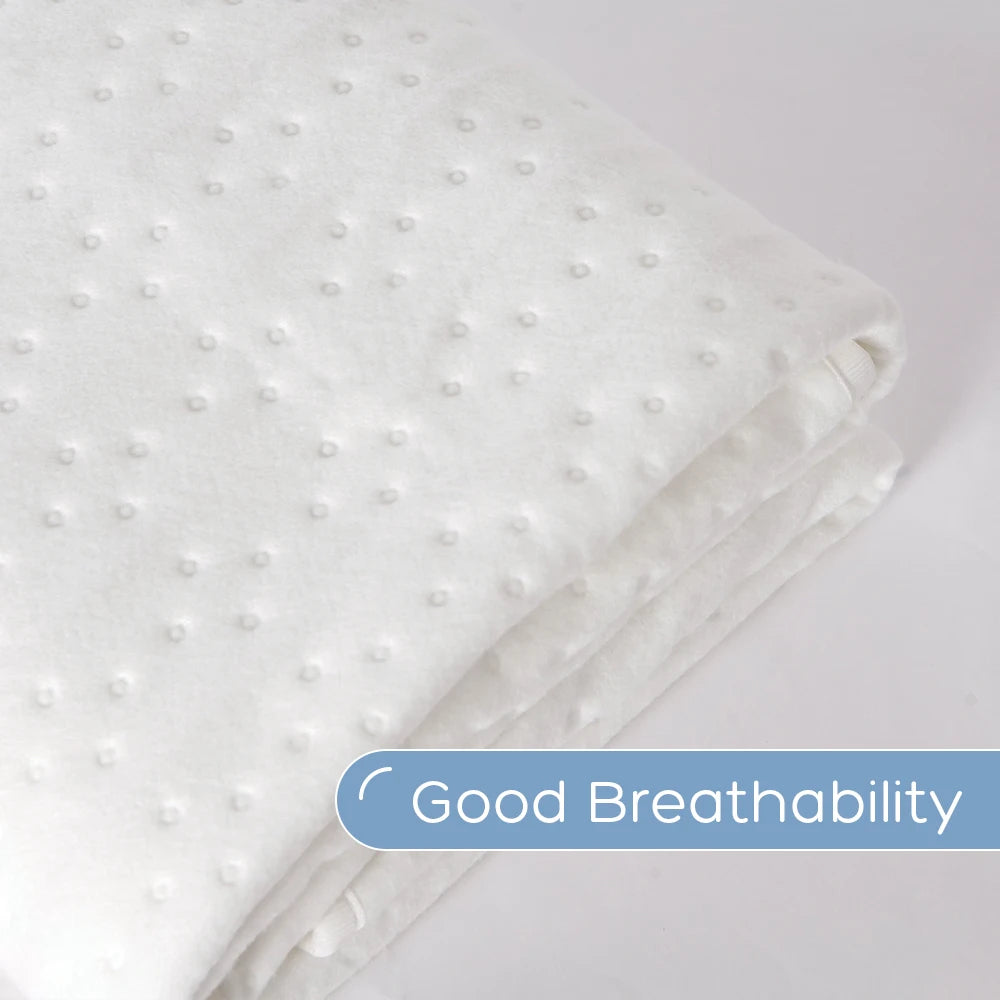
Heated blanket with timer and electric blanket with auto shutoff for safe electric blanket use. See it in action.
What is a heated blanket with timer?
A heated blanket with timer uses a controller that lets you select both the heat level and how long the blanket stays on. Unlike a standard electric blanket that may rely on manual shutoff, timed models automatically switch off after the selected duration.
How automatic shutoff timers work
The timer is built into the blanket's controller rather than the heating wires themselves. After you choose a heating level and runtime, the controller monitors the countdown before safely disconnecting power. This function is separate from temperature regulation and is designed to provide controlled heating rather than continuous operation.
Timer settings and common shutoff durations
Depending on the manufacturer, heated blanket timer settings commonly range from 2 to 12 hours . Some blankets offer a few preset options, while others allow more flexible timing.
- 2–4 hours for preheating before sleep
- 6–8 hours for overnight warmth
- 10–12 hours on selected premium models
- Adjustable settings on many digital controllers
Do all heated blankets turn off automatically?
No. While many modern heated blankets include automatic shutoff as a standard safety feature, not every model does. Older electric blankets and some basic budget designs may require manual shutoff instead.
Modern heated blankets vs older models
Most newer blankets combine automatic shutoff with additional overheat protection safety features. If you're unsure whether your blanket includes a timer, check the controller for preset hour selections or review the product manual. If no timer settings are available, your blanket may rely entirely on manual operation.
Common heated blanket timer durations by type
| Blanket Type | Typical Timer | Best For |
|---|---|---|
| Basic timer models | 2–4 hours | Preheating the bed |
| Adjustable digital models | 2–8 hours | Most overnight users |
| Premium heated blankets | 2–12 hours | Flexible sleeping schedules |
| No-timer blankets | Manual only | Short supervised use |
Longer timer options don't necessarily make a blanket better—they simply offer more flexibility. Choosing the right duration depends on whether you mainly preheat your bed or prefer warmth throughout much of the night.
Heated blanket with timer vs no timer: side-by-side
| Feature | With Timer | No Timer |
|---|---|---|
| Automatic shutoff | Yes | No |
| User convenience | High | Manual operation required |
| Energy management | Runs only for selected time | Depends on user |
| Overheat protection safety features | Common on modern models | Varies |
| Best suited for | Regular overnight use | Occasional supervised use |
A heated blanket timer isn't essential for everyone, but it provides greater convenience, helps avoid forgetting to switch the blanket off, and gives many users extra confidence during overnight use.
How timers support safer electric blanket use
Automatic shutoff is one part of a broader set of heated blanket safety features. Instead of heating continuously, the timer limits how long the blanket remains powered, reducing unnecessary operation while you sleep.
Key safety advantages
- Limits heating to your selected timeframe
- Helps prevent accidental all-night operation on manual models
- Supports responsible everyday use
- Provides additional peace of mind for overnight heating
Overheat protection and safety features
Modern electric blankets often combine timer functions with temperature sensors and overheat protection. These systems monitor performance and can interrupt power if abnormal temperatures are detected. Even with these features, it's still important to follow the manufacturer's care instructions, avoid folding the blanket while in use, and inspect cords regularly for damage.
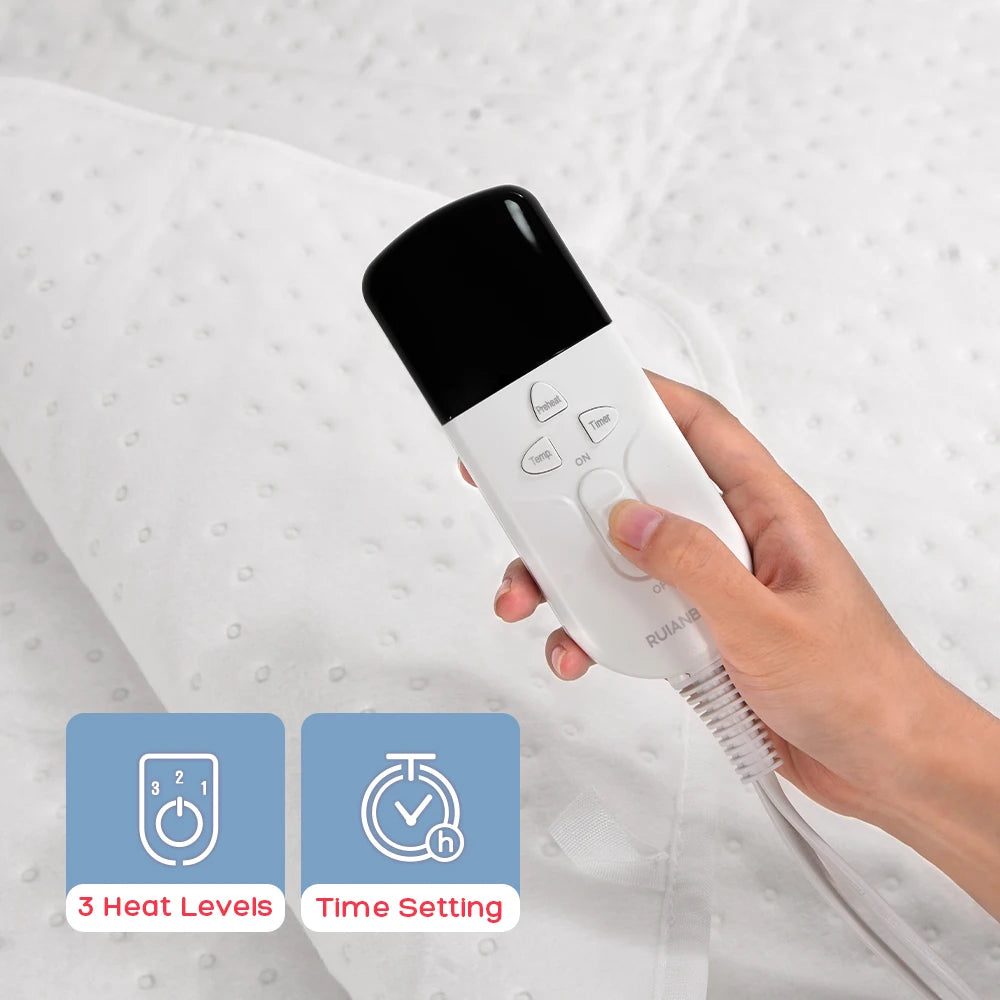
Electric blanket with auto shutoff and overheat protection safety features. See it in action.
Timer vs temperature control: what is the difference?
Many shoppers confuse timer settings with temperature settings, but they perform different jobs.
- Timer: Controls how long the blanket stays on before shutting off.
- Temperature control: Determines how warm the blanket becomes while operating.
A blanket can have multiple heat settings without offering a timer, and similarly, a blanket may include automatic shutoff regardless of which temperature you choose.
Does a timer affect comfort and sleep quality?
A timer doesn't directly improve comfort—it simply lets you control when the blanket stops heating. For many people, warming the bed before falling asleep is enough to stay comfortable without continued heating throughout the night.
Real-life comfort scenarios
- Preheating a cold bedroom before bedtime
- Reducing the chance of waking up feeling too warm
- Supporting couples who have different temperature preferences
- Providing warmth during the first few hours of sleep in winter
Whether you prefer a short timer or a longer setting depends on your room temperature, climate, and personal comfort preferences.
Energy use and long-term savings
A heated blanket with auto shutoff can reduce unnecessary electricity use because it stops heating after the selected period instead of remaining on indefinitely. While the exact savings depend on how often you use the blanket and local electricity rates, automatic shutoff encourages more efficient operation without sacrificing comfort.
- Reduces unnecessary runtime
- Helps avoid accidentally leaving the blanket on
- Supports more energy-conscious habits
- Balances comfort with controlled power use
Who should choose a timer—and who might not?
The right choice depends on how you use your heated blanket.
A heated blanket with timer is ideal if you:
- Use your blanket regularly overnight
- Prefer automatic shutoff for convenience
- Want better control over heating duration
- Appreciate modern safety features
A no-timer blanket may suit you if you:
- Only use the blanket briefly while relaxing
- Are comfortable switching it off manually
- Prefer a simpler controller with fewer settings

Heated blanket with timer for safe electric blanket use and winter comfort. See it in action.
Why does my heated blanket turn off unexpectedly?
Common timer and safety shutoff reasons
If your heated blanket switches off unexpectedly, it isn't always a fault. Common reasons include:
- The automatic timer has reached the selected shutoff time.
- The controller has detected a temporary safety condition.
- A loose power connection interrupted operation.
- The blanket was folded tightly, triggering a protective shutdown.
- The controller requires resetting according to the manufacturer's instructions.
If your blanket repeatedly turns off before the timer expires, inspect the power cord and controller for visible damage and follow the troubleshooting guidance in the user manual before continuing to use it.
Frequently asked questions
Do heated blankets have timers?
Many modern heated blankets include built-in timers with automatic shutoff, but not every model does. Always check the product specifications before purchasing.
Do heated blankets turn off automatically?
Most current electric blankets are designed to turn off automatically after a preset period, although the available timer durations differ between manufacturers.
Are heated blanket timers safe?
Yes. Automatic shutoff timers are designed to improve everyday safety by limiting operating time. They work alongside other safety systems such as overheat protection rather than replacing responsible use.
Can I disable the automatic shutoff timer?
Some models allow different timer selections, while others have a fixed automatic shutoff that cannot be disabled. Check your blanket's user guide for the available settings.
Can I use a timed heated blanket every night?
Most people can use a timed heated blanket regularly during colder seasons, provided the blanket is in good condition and used according to the manufacturer's instructions.
How long do heated blanket timers usually last?
Common timer settings range from 2 to 12 hours, with 8-hour automatic shutoff being one of the most common options on modern heated blankets.
Does auto shutoff affect warmth during the night?
Many users find that preheating the bed and using a moderate timer provides enough warmth to fall asleep comfortably while avoiding unnecessary heating later in the night.
Related Guide: Best Heated Blanket for Sleep: Top Picks Compared





