

Hepa car air purifier: Top 5 best car air purifier tested
Does a hepa car air purifier really improve air quality in your car?
A hepa car air purifier uses a dense hepa filtration system to capture fine particles like smoke, pollen, and dust that build up inside vehicles. Compact models work quickly in small cabins, helping drivers reduce odors and allergens during daily commutes or long trips.
HEPA Car Air Purifier: Top Models Compared Side by Side
⏱ 7 min read
If you drive every day, you already know how quickly a car can trap smells, dust, and outside pollution. For parents, allergy sufferers, and commuters stuck in traffic, breathing cleaner air matters more than ever. A modern hepa car air purifier promises fresher air without bulky devices or noisy fans—but which options actually fit your routine and your car?
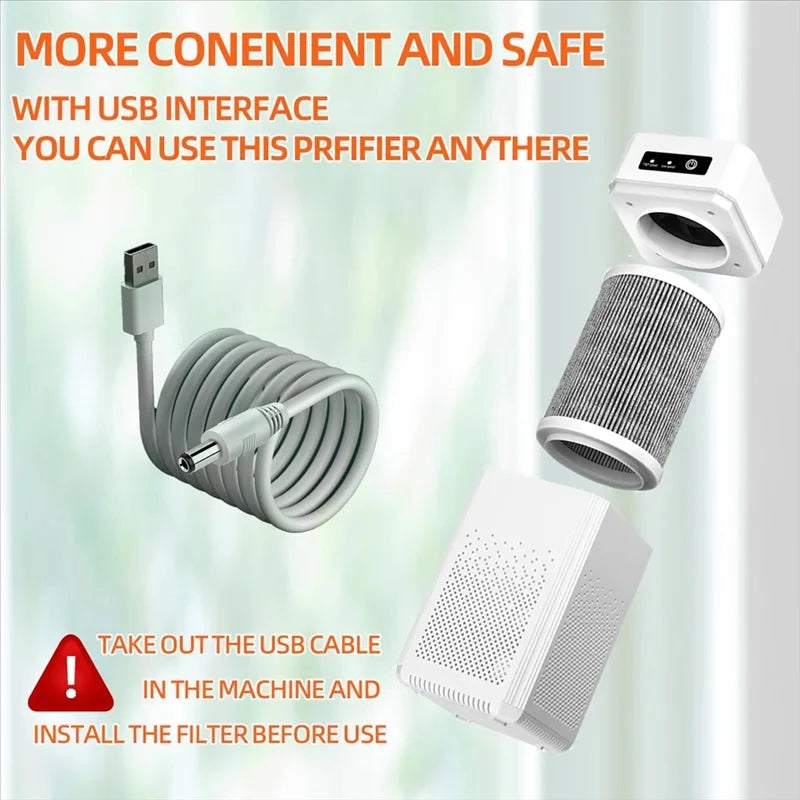
A compact hepa car air purifier designed for small spaces — see how it fits modern interiors.
Why HEPA Filtration Matters in Cars
A hepa car air purifier is built to trap microscopic particles that standard cabin filters often miss. In enclosed spaces like cars, this matters because pollutants concentrate faster.
- Captures fine dust, pollen, and smoke particles
- Reduces lingering food and pet odors
- Supports allergy relief during peak seasons
- Helps maintain fresher air for kids and passengers
For families focused on safety and wellness, this aligns closely with broader Health & Safety priorities at home and on the road.
Side-by-Side Comparison of Top Models
A hepa car air purifier comparison helps highlight where each model fits best. Below is a simplified look at common options drivers consider.
| Model Type | Size | Filtration | Best For |
|---|---|---|---|
| Cup Holder Style | Small | HEPA + Carbon | Daily commutes, compact cars |
| Dashboard Mounted | Medium | HEPA | Ride-share drivers, smoke removal |
| Portable Plug-In | Compact | HEPA Filtration System | Family trips, allergy relief |
This overview shows why many drivers prefer a small car air purifier that balances power with portability.
Who Benefits Most From a Car Air Purifier?
Drivers choose a portable air purifier for car use for different reasons, but the benefits often overlap.
- Parents: Cleaner air during school runs and road trips
- Allergy sufferers: Reduced pollen and dust exposure
- Smokers or ride-share users: Faster smoke odor removal
- Urban commuters: Less exposure to traffic pollution
These needs often connect with broader wellness routines, similar to products found in Beauty & Wellness collections focused on daily comfort.
Key Features That Make a Difference
When comparing the best car air purifier options, small details matter more than flashy claims.
- Quiet operation: Important for babies or long drives
- True HEPA filter: Ensures effective particle capture
- Compact footprint: Fits cup holders or consoles
- Easy maintenance: Simple filter replacement
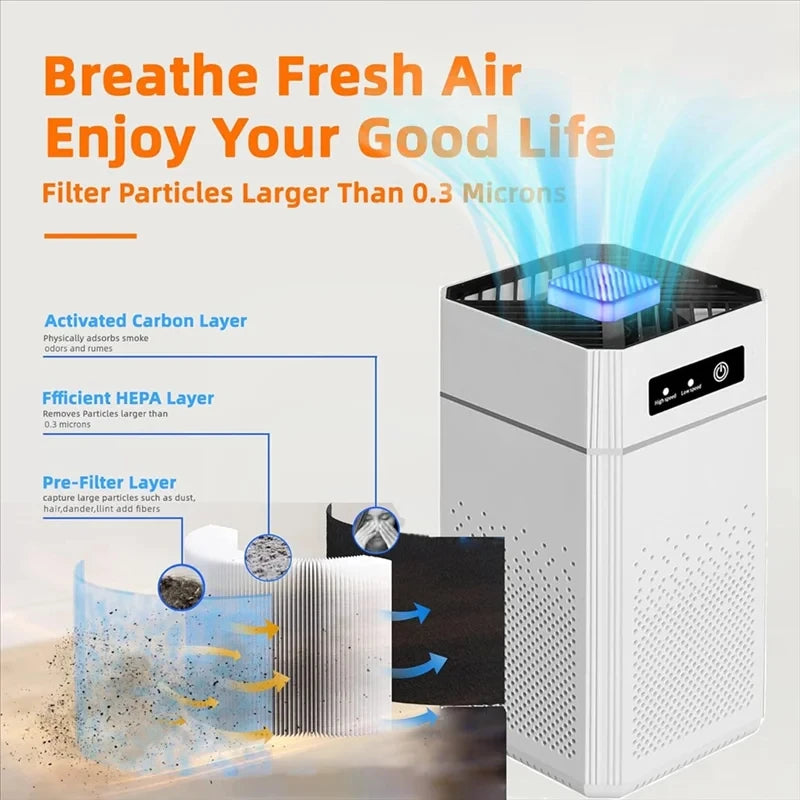
Portable air purifier for car use with hepa filtration system — see it in action.
For caregivers juggling routines, convenience is key—just like with trusted tools in Baby Care Essentials.
A Versatile Option for Everyday Driving
A hepa car air purifier designed for daily use should balance performance with simplicity. Compact models with added aromatherapy features stand out for drivers who want both clean air and a calmer environment.
One such option is the portable air purifier with aromatherapy, which combines hepa filtration with subtle scent diffusion for a more pleasant drive.
- Small car air purifier size fits most interiors
- Effective against smoke and common odors
- Easy to move between vehicles
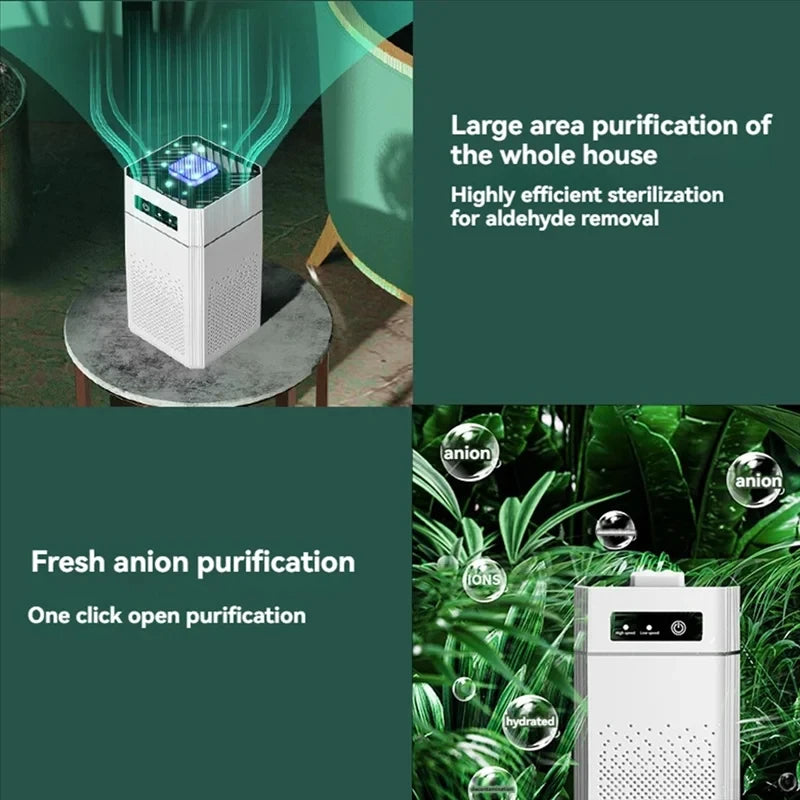
Small car air purifier built for everyday comfort — experience cleaner air today.
Quick FAQ
How long does a hepa car air purifier take to work?
In a closed vehicle, many models begin reducing odors and particles within minutes, with noticeable improvements during a typical drive.
Is a portable air purifier for car use safe for children?
Yes, when designed for vehicles, these devices are generally safe and quiet, making them suitable for family trips and daily school runs.
How often should filters be replaced?
Most hepa filtration systems recommend replacement every 3–6 months, depending on driving conditions and air quality.
Related Guide: Best Compact Air Purifier Compared for Cars and Small Rooms





