

High Density Foam Cushion: How to Choose and Maintain
Does a high density foam cushion really improve sitting comfort?
High density foam cushion support works by distributing body weight evenly, reducing pressure on hips and spine while resisting sagging over time. Compared to soft fillers, high density foam cushioning maintains firmness longer, supports posture, and adapts to daily use, making it ideal for floor seating, chairs, and multipurpose living spaces.
⏱ 6 min read
High Density Foam Cushion: How to Choose and Maintain
If you’ve ever stood up from the floor with sore hips or felt a cushion flatten after only a few months, you’re not alone. Many parents, caregivers, and wellness-focused households rely on floor seating every day—whether for playtime, feeding, or quiet moments to relax. Choosing the right high density foam cushion can dramatically change how your body feels at the end of the day.
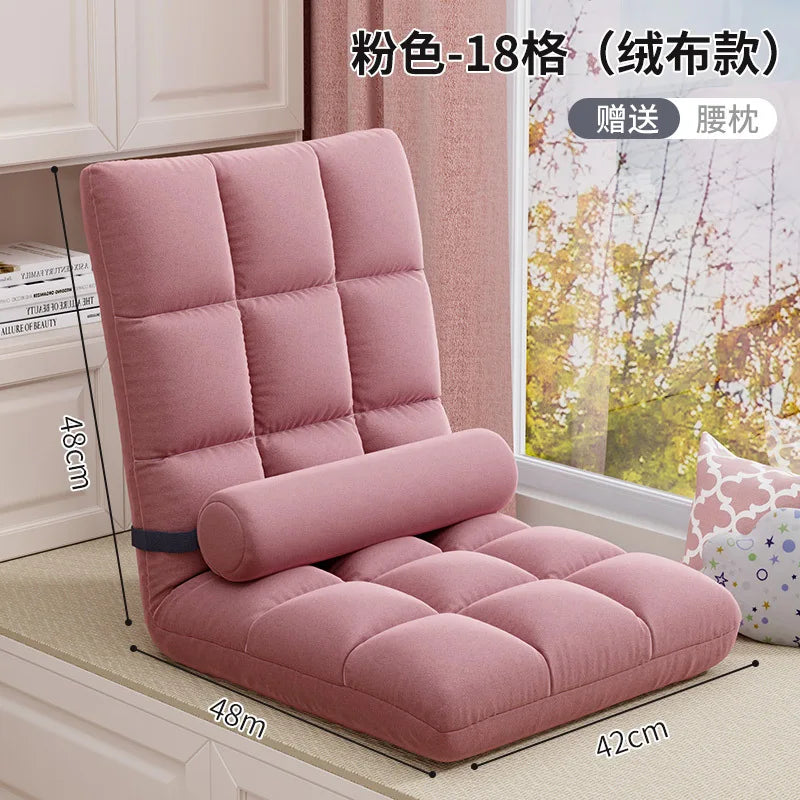
High density foam cushion support for daily floor seating 💡 See it in action
Curious how the right cushion can reduce daily aches? Keep reading to learn how smart material choices can turn floor sitting into a comfortable, supportive routine.
Why High Density Foam Cushioning Feels More Supportive
High density foam cushioning is engineered to compress slowly and rebound evenly. This means your weight is spread across the surface instead of sinking into one pressure point.
For families who sit on the floor often—during play, reading, or meditation—this matters more than you might think.
- Maintains shape even after hours of sitting
- Reduces pressure on hips, knees, and lower back
- Offers stable support for adults and children
- Lasts longer than low-density or fiber-filled cushions
Many parents notice less stiffness when standing up, especially during long evenings on the floor with kids.
How to Choose the Right High Density Foam Cushion
High density foam cushion selection comes down to firmness, thickness, and intended use. Choosing incorrectly often leads to discomfort or early wear.
Direct answer: A high density foam cushion works best when thickness matches your body weight and seating style. Firmer foam (1.8–2.5 lb density) supports posture and resists sagging, while moderate firmness balances comfort for long sitting sessions without bottoming out.
- Check foam density: Higher density means longer lifespan and better support.
- Choose the right thickness: Floor seating usually needs 3–6 inches.
- Consider body weight: Heavier users benefit from firmer foam.
- Look for breathable covers: Helps manage heat and moisture.
For multipurpose rooms, a foldable or adjustable design can double as a lounger or nap spot.
High Density Foam vs Soft Fill Cushions
| Feature | High Density Foam | Soft Fill Cushions |
|---|---|---|
| Support | Firm and even | Uneven, sinks easily |
| Durability | Lasts for years | Flattens quickly |
| Posture help | Yes | Minimal |
An Ergonomic Floor Seating Guide for Everyday Use
Floor seating can be comfortable when done correctly. The right cushion height keeps your hips slightly higher than your knees, helping align your spine naturally.
Direct answer: An ergonomic floor seating guide recommends pairing a high density foam cushion with back support to maintain neutral posture. This reduces slouching, lowers strain on the lower back, and allows longer sitting sessions without discomfort.
- Sit with feet flat or crossed comfortably
- Use a backrest or wall for lumbar support
- Shift positions every 30–45 minutes
- Choose cushions that don’t compress fully under weight
Parents often combine floor seating with items from Sleep & Comfort or Massage & Relaxation collections to create a calm, body-friendly corner at home.
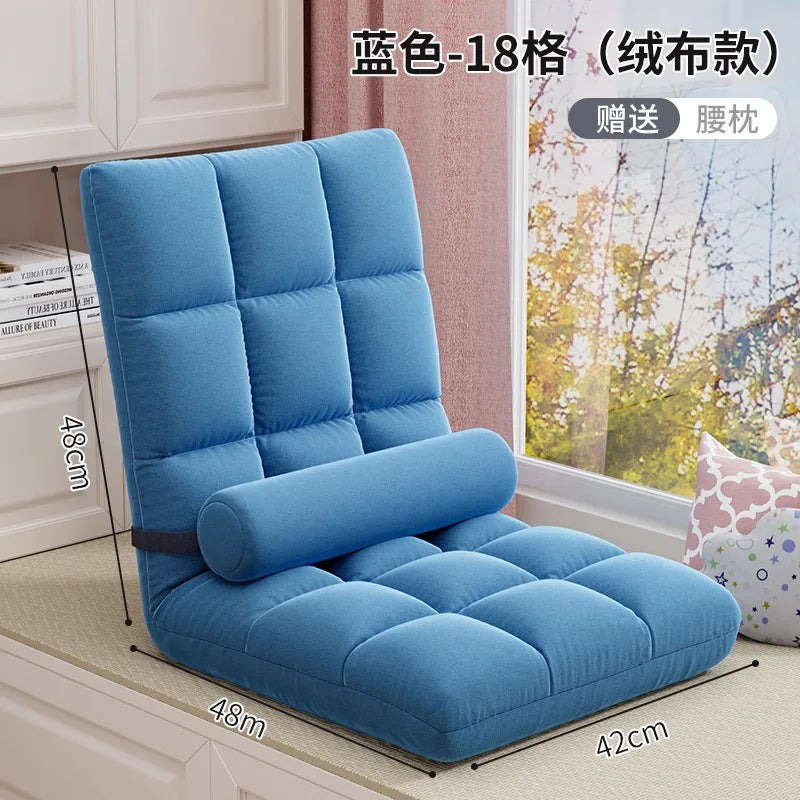
High density foam cushioning for ergonomic floor seating 💡 See it in action
Which seating setup fits your home best—reading nook, play area, or relaxation space? Small adjustments can make a big difference.
How to Maintain a High Density Foam Cushion
Even durable foam needs care to stay supportive. Maintenance prevents odors, sagging, and premature wear.
- Rotate the cushion weekly for even compression
- Spot-clean covers promptly
- Air out foam monthly to release moisture
- Avoid prolonged direct sunlight
Households with children often prefer removable, washable covers for easier upkeep.
Who Benefits Most From a Comfortable Floor Chair
A comfortable floor chair with high density foam cushion support isn’t just for one type of user.
- Parents feeding or playing with young children
- Adults working or stretching at floor level
- Caregivers needing stable seating
- Anyone seeking posture-friendly relaxation
Many families pair floor seating with wellness tools from Beauty & Wellness to support daily self-care routines.
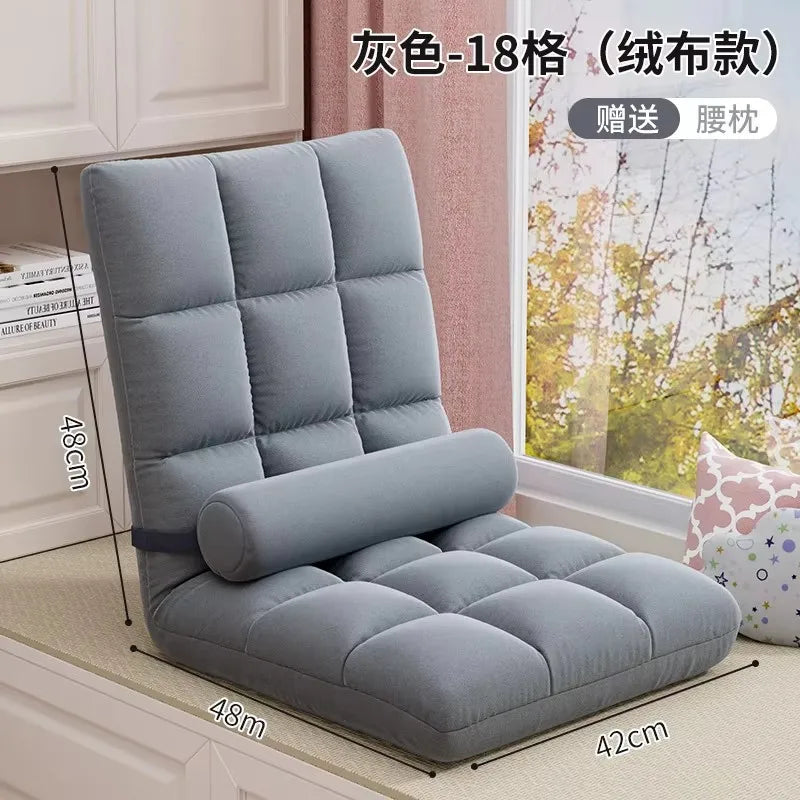
Comfortable floor chair with high density foam cushioning 💡 See it in action
Many users report feeling less hip pressure and improved posture within the first week of switching to high density foam cushioning.
Frequently Asked Questions
How long does a high density foam cushion last?
With regular rotation and basic care, a high density foam cushion can maintain support for several years without noticeable sagging.
Is high density foam too firm for daily use?
No. While firmer than soft fill, it balances comfort and support, making it suitable for extended sitting.
Can high density foam cushions be used on sofas?
Yes. They’re often used to restore sagging seats or add firmness to existing furniture.
Looking for a versatile option? Explore the Lazy Sofa Tatami Chair Bed for adaptable floor seating that supports daily comfort.
Related Guide: How to Furnish a Studio Apartment: Step-by-Step Guide





