

Hip Seat Carrier Safety Standards Explained: What Matters
Hip Seat Baby Holder Comparison: Comfort vs Stability
⏱ 9 min read
Choosing a hip seat baby holder is about more than comfort—it is also about verified safety. While ergonomic designs can reduce strain on parents, the safest option is one that complies with recognized safety standards, uses quality materials, and is appropriate for your baby's age and weight. This guide explains the major hip seat carrier safety certifications, how they compare, and what parents should verify before purchasing.
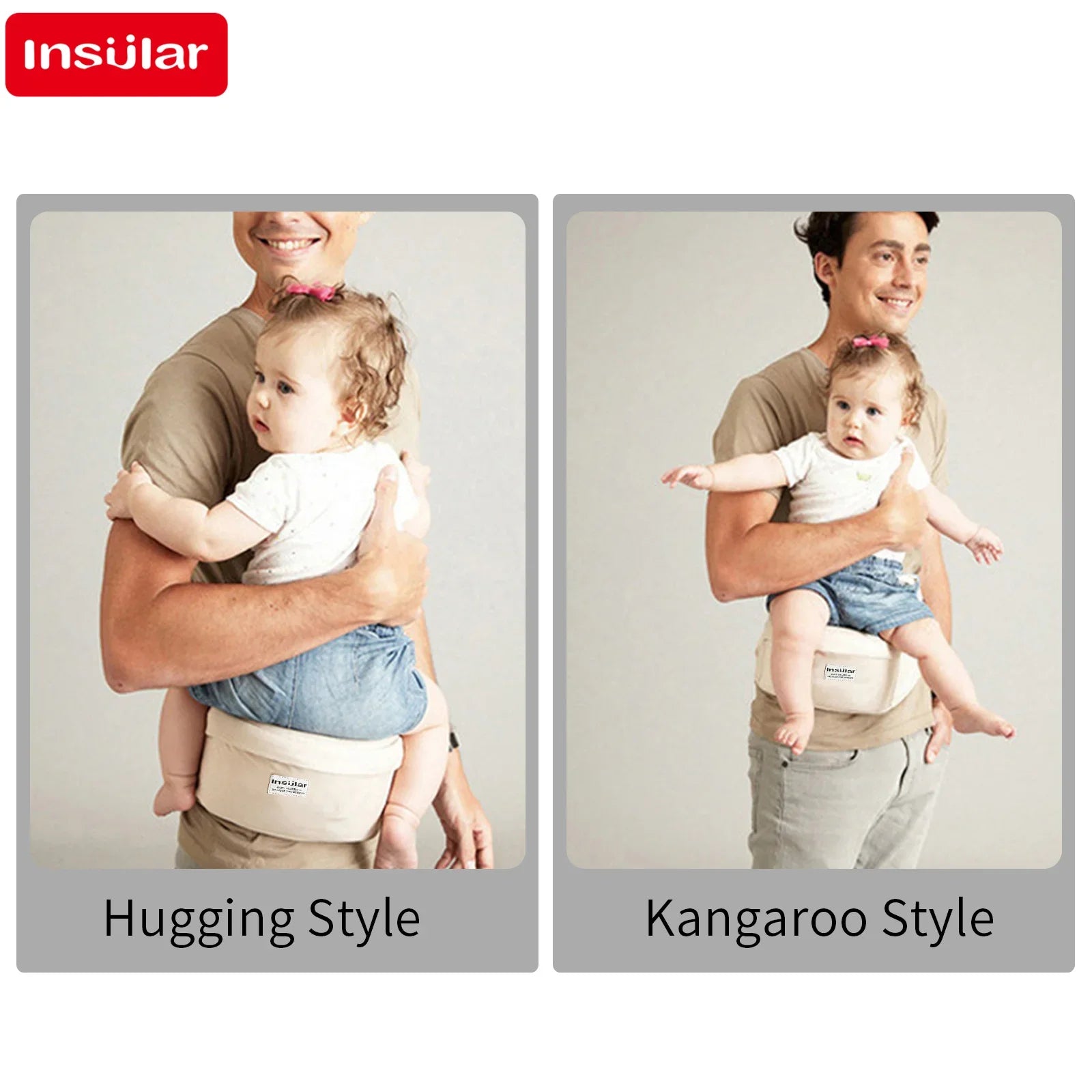
Hip seat baby holder overview showing infant hip seat support in daily use. See it in action.
Hip Seat Carrier Safety Certifications: Why They Matter
When comparing a hip seat baby holder, comfort features matter, but verified compliance with recognized safety standards should come first. Safety standards establish minimum performance requirements for structural strength, labeling, durability, and hazard reduction before products reach consumers.
Mandatory regulations vs voluntary certifications
Some requirements are established by government regulations, while others are voluntary industry standards that manufacturers choose to meet. Together they help reduce risks associated with carrying infants and toddlers.
- Government regulations address consumer product safety and chemical restrictions.
- Industry standards evaluate design performance under laboratory testing.
- Independent laboratories may verify compliance through product testing.
What certifications can and cannot guarantee
Even the best hip seat carrier safety standards cannot eliminate every risk. Certifications indicate that a product met specific testing criteria, but safe performance still depends on correct adjustment, proper baby positioning, regular inspection, and staying within published weight limits.
Comparison of Major Hip Seat Carrier Safety Certifications
| Standard | Primary Focus | Typical Region | What Parents Learn |
|---|---|---|---|
| ASTM F2236 | Mechanical safety and structural performance | United States | Carrier strength, restraint systems, labeling, and durability |
| CPSIA requirements | Chemical safety and consumer protection | United States | Lead limits, phthalate restrictions, product tracking |
| EN 13209 | Performance and safety testing | Europe and UK | Load testing, stability, warnings, construction |
| OEKO-TEX | Textile safety | Global | Fabric tested for harmful substances |
| SGS / Bureau Veritas testing | Independent laboratory evaluation | Global | Third-party verification of manufacturer claims |
ASTM F2236
ASTM F2236 is widely referenced for soft infant and child carriers in the United States. It evaluates structural integrity, retention systems, warnings, and durability under standardized testing.
CPSIA requirements
The Consumer Product Safety Improvement Act regulates children's products sold in the U.S., including limits on hazardous substances and product traceability. CPSIA is a legal compliance requirement rather than a performance certification.
EN 13209
EN 13209 specifies testing methods for child carriers sold in many European markets. It focuses on safe construction, restraint performance, durability, and user instructions.
OEKO-TEX and textile safety
OEKO-TEX certification applies to fabrics rather than overall carrier performance. It helps reassure parents that textile components have been tested for certain harmful substances.
Independent testing (SGS, Bureau Veritas)
SGS and Bureau Veritas are internationally recognized testing organizations—not certification standards themselves. Manufacturers may hire them to evaluate products against applicable regulations and standards.
What Each Safety Standard Tests
Load capacity and static strength
Laboratories apply repeated loads to verify that the seat platform, waistband, and structural components can withstand expected use without failure.
Seam and buckle durability
Critical seams, adjustment straps, buckles, and fasteners undergo repeated stress testing to evaluate long-term reliability.
Chemical safety
Testing may include limits on lead, certain phthalates, and other restricted substances used in children's products or textiles.
Entrapment and pinch hazards
Safety assessments examine potential pinch points, gaps, exposed hardware, and areas that could present injury risks during everyday use.
Warnings and labeling
Proper safety instructions, weight limits, age recommendations, and adjustment guidance help reduce misuse and improve caregiver awareness.
Regional Safety Standards Compared
United States
Products sold in the U.S. commonly reference ASTM performance standards while also complying with CPSIA regulatory requirements for children's products.
European products frequently reference EN 13209, along with applicable chemical regulations and labeling requirements.
Australia and New Zealand
Some manufacturers also design products to satisfy local consumer safety expectations or additional regional guidance. Parents importing carriers should confirm that products comply with regulations in their own country rather than assuming all markets follow identical requirements.
Hip Seat Carrier Safety Comparison Checklist Before Buying
| Item to Verify | Why It Matters |
|---|---|
| Certification labels | Shows claimed compliance with recognized standards |
| Manufacturer documentation | Explains testing, instructions, and specifications |
| Third-party test reports | Adds transparency beyond marketing claims |
| Weight and age guidance | Helps ensure appropriate use for your child |
| Warranty and customer support | Can indicate manufacturer accountability |
Before purchasing, compare documentation instead of relying solely on advertising. Reviewing certification details alongside product instructions provides a stronger basis for evaluating hip seat carrier safety.
Infant Hip Seat Safety and Newborn Hip Position
The hip seat baby holder supports infant carrying only when used according to manufacturer recommendations. Very young infants typically require complete head, neck, and spinal support before transitioning to a hip seat configuration.
What to Look For
- Seat width supporting the thighs without excessive dangling.
- Knees positioned slightly higher than the hips when appropriate.
- Published age and weight recommendations.
- Clear user instructions and adjustment guidance.
- Compatibility with safety-focused accessories from Health & Safety .
Parents can also benefit from learning more through guides such as Hip Healthy Baby Carrying Positions, How to Use a Hip Seat Carrier Safely, and Baby Carrier Safety Checklist before using any new carrier.
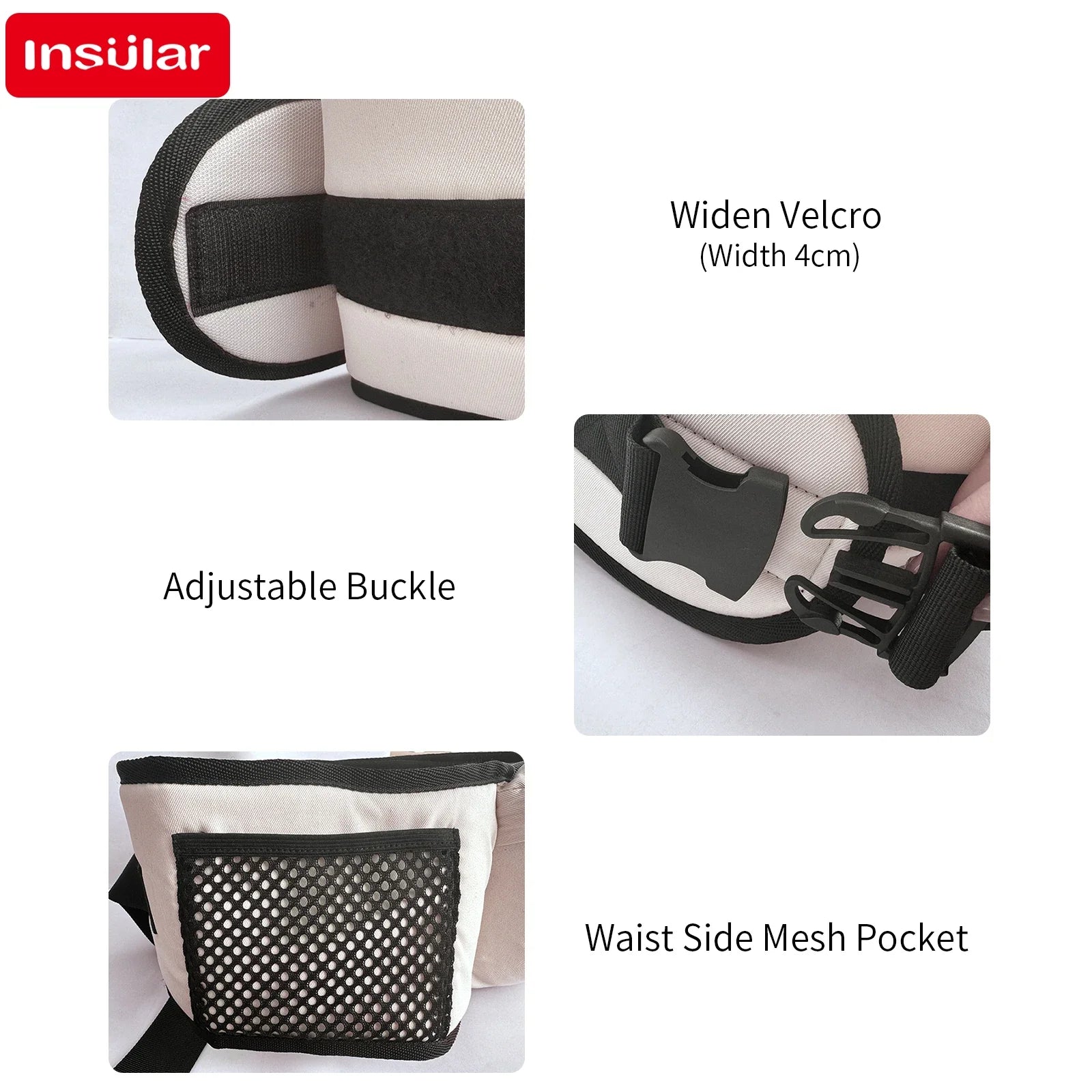
Infant hip seat in use highlighting balance and newborn hip position awareness. See it in action.
Hip Seat Carrier Disadvantages and Safety Limitations
When hip seats are not appropriate
Hip seats are designed primarily for babies who have sufficient developmental readiness according to manufacturer recommendations. They are generally not intended for unsupported newborn carrying or prolonged sleep positioning.
Common misuse that reduces safety
- Ignoring published weight limits.
- Using loose waist adjustments.
- Allowing the child to lean excessively away from the caregiver.
- Failing to inspect worn buckles or damaged stitching.
- Using counterfeit or modified replacement parts.
Like any baby carrier, proper fit and regular equipment inspection remain essential for safe use.
Hip Seat Carrier vs Traditional Baby Carrier Safety
| Feature | Hip Seat Carrier | Traditional Soft Carrier |
|---|---|---|
| Support | Excellent for short carries | Better for extended carrying sessions |
| Hip positioning | Depends on proper seat width and adjustment | Depends on ergonomic design and fit |
| Hands-free stability | Moderate | Generally higher |
| Best use | Frequent pick-ups and short errands | Long walks, travel, and longer carrying periods |
Neither design is universally safer. The safest choice depends on correct sizing, intended use, compliance with safety standards, and following manufacturer instructions.
Parents comparing options may also find Hip Seat Carrier Weight Limits Guide and Hip Seat Carrier vs Soft Structured Carrier useful when deciding between carrier styles.
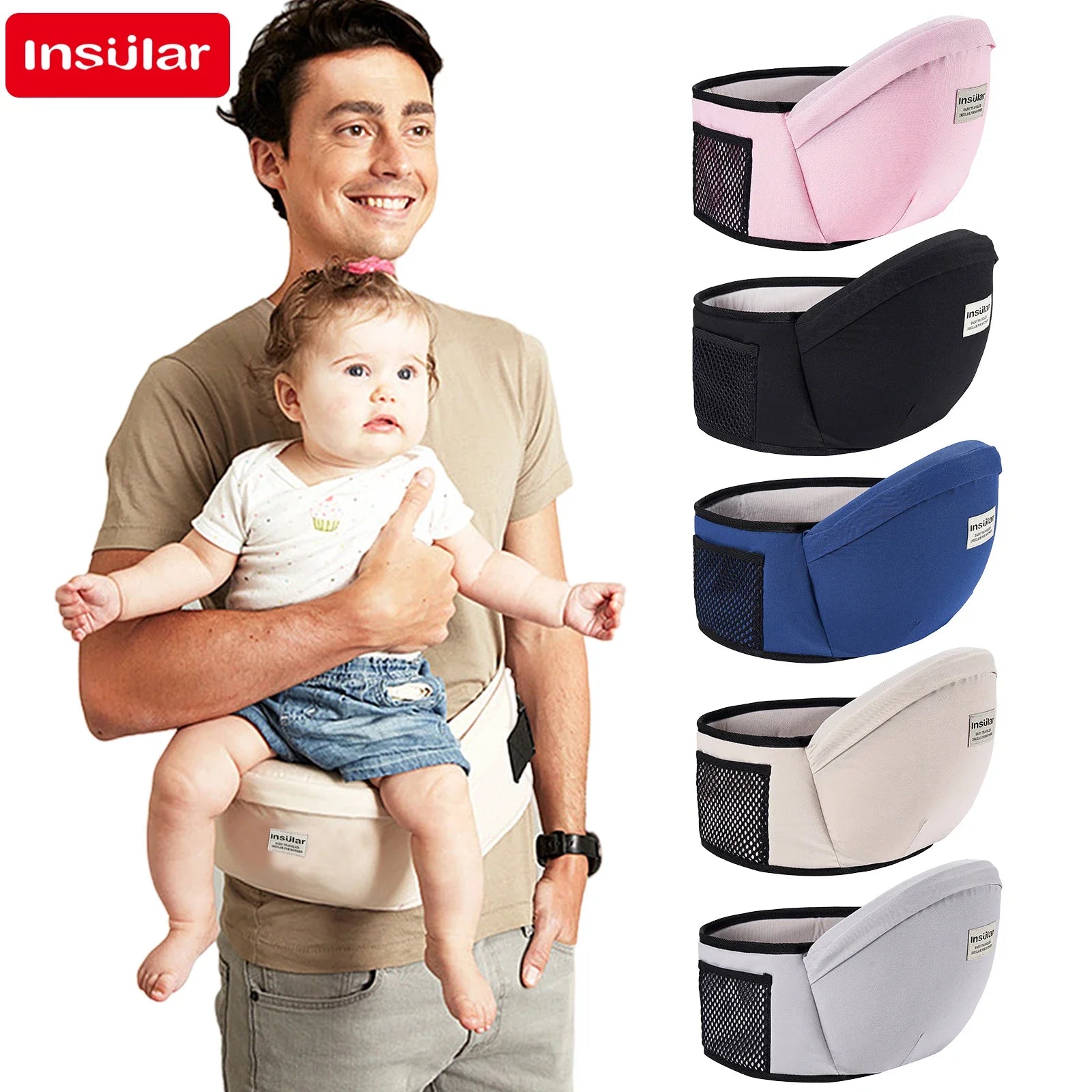
Hip seat baby holder comparison showing comfort versus stability for everyday parents. See it in action.
How to Verify Certification Claims and Avoid Counterfeits
Certification numbers
Look for documentation identifying which standards the product claims to meet rather than relying only on printed logos.
Testing reports
Reputable manufacturers often provide test summaries, compliance documentation, or information about the laboratory that evaluated the product.
Recognizing fake logos
- Missing manufacturer information.
- Generic certification symbols without supporting documentation.
- No published weight limits or instruction manual.
- Packaging with inconsistent branding or poor print quality.
Purchasing from established retailers and reviewing official documentation helps reduce the risk of counterfeit baby products.
Frequently Asked Questions
Are all certified hip seat carriers equally safe?
No. Certification demonstrates compliance with specific testing requirements, but design quality, correct fit, maintenance, and proper use also affect overall safety.
Can safety certifications expire?
Certification status may change if standards are updated or products are redesigned. Parents should verify the most current compliance information provided by the manufacturer.
How often should I inspect my hip seat carrier?
Inspect the waistband, stitching, buckles, seat platform, and adjustment straps before each use, especially after frequent washing or heavy use.
What certifications should I prioritize?
Look for products that comply with applicable regional safety standards and clearly explain their testing. Independent laboratory testing can provide additional confidence.
Can a certified carrier still be unsafe if used incorrectly?
Yes. Incorrect positioning, exceeding weight limits, damaged components, or improper adjustments can reduce safety even if the carrier originally passed certification testing.
Related Guide: Ergonomic Hip Seat Carrier Comparison for Everyday Parents





