

How Does Air Purification Work Inside Compact Devices
How does air purification work inside compact devices?
How does air purification work in compact devices? Air is pulled in by a quiet fan, passed through a hepa filtration system that captures up to 99.97% of fine particles, then pushed back out cleaner. This airborne particle removal process targets dust, pollen, smoke, and microscopic irritants that affect daily comfort.
How Does Air Purification Work Inside Compact Devices
⏱ 7 min read
Parents often focus on what they can see—clean floors, wiped surfaces, fresh scents—but what about the invisible air your family breathes every minute? How does air purification work inside compact devices that sit quietly on a shelf or nightstand? Understanding the technology behind these small machines can help you make safer, more confident choices for your home.
How does air purification work with a hepa filtration system in a compact device? 💡 See it in action
Why Clean Air Matters for Families
Indoor air can hold more pollutants than outdoor air, especially in busy family homes. Cooking fumes, pet dander, dust, and pollen circulate constantly. For babies and toddlers with developing lungs, airborne particle removal becomes more than a comfort issue—it’s about everyday wellbeing.
Many parents already invest in items from Health & Safety to protect their children. Clean air works alongside these choices, supporting calmer sleep, easier breathing, and a more comfortable home environment.
How does air purification work inside a compact purifier?
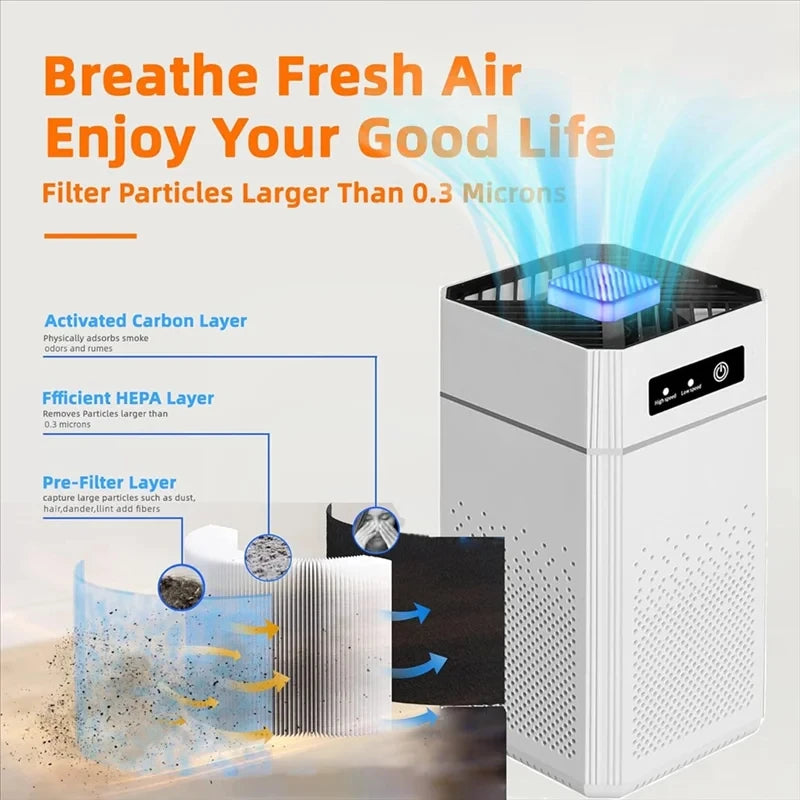
How does air purification work in practice? Compact devices use controlled airflow to draw polluted air through multiple layers of filtration. The most important layer is a hepa filtration system, designed to trap extremely small particles. Cleaned air is then released back into the room, repeating the cycle many times per hour.
- Air intake pulls surrounding air into the device
- Pre-filters catch larger debris like hair and lint
- HEPA filters trap microscopic particles
- Clean air is redistributed evenly
Why a HEPA Filtration System Makes the Biggest Difference
A hepa filtration system is the gold standard for airborne particle removal. It captures particles as small as 0.3 microns, including dust mites, pollen, and smoke residue. This level of particulate removal technology is especially valuable in nurseries and shared family spaces.
- Filters fine dust you can’t see
- Reduces allergens that trigger discomfort
- Supports fresher-smelling rooms without masking scents
- Works continuously with low noise
Families who prioritize sleep often pair air purification with products from Sleep & Comfort to create a calmer nighttime routine.
Understanding Particulate Removal Technology in Small Devices
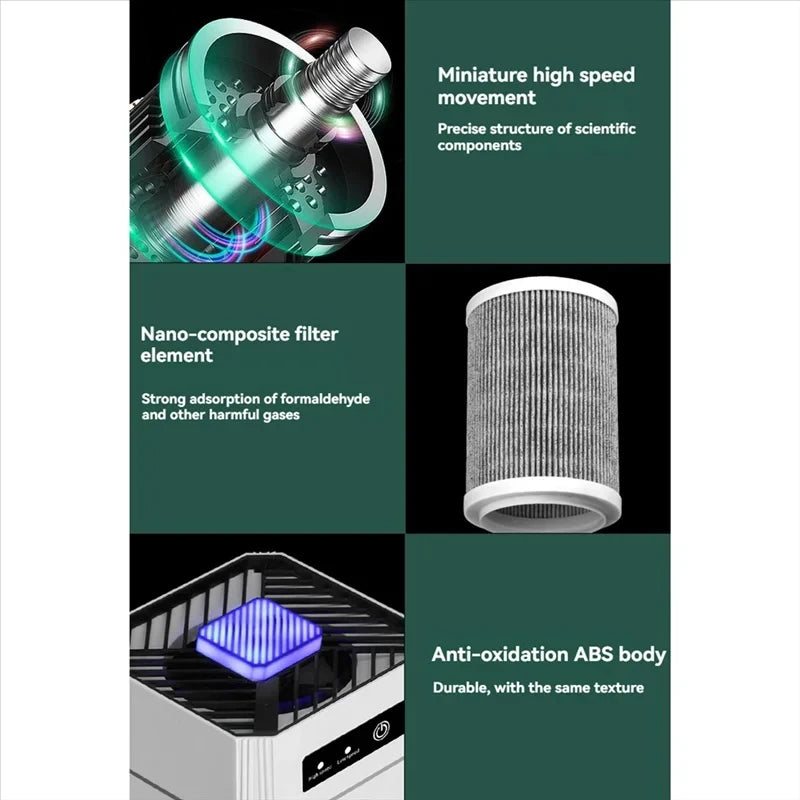
Particulate removal technology isn’t about size—it’s about efficiency. Compact purifiers are engineered to maximize surface area within the filter while maintaining steady airflow. This allows airborne particle removal to remain effective even in smaller rooms like bedrooms, nurseries, or home offices.
Unlike bulky units, these devices fit easily alongside monitors from Monitoring Devices without cluttering your space.
Particulate removal technology and airborne particle removal in action 💡 See it in action
Benefits of Compact Air Purifiers for Busy Homes
Parents juggle naps, feedings, and work schedules. Compact air purifiers are designed to blend into daily life without extra effort.
- Easy placement on shelves or nightstands
- Lower energy use for all-day operation
- Quiet performance during sleep
- Portable design for room-to-room use
These benefits align well with everyday tools found in Mom Essentials, where convenience and safety matter most.
Real-Life Scenarios: Where Clean Air Helps Most
Nap time: A purifier running quietly supports uninterrupted sleep.
Playtime: Airborne particle removal reduces dust stirred up by active toddlers.
Night feeding: Cleaner air pairs naturally with calm routines and tools from Feeding & Nursing.
Compact Air Purifiers vs Traditional Units
| Feature | Compact Device | Traditional Unit |
|---|---|---|
| Size | Small, portable | Large, floor-standing |
| Noise Level | Low | Moderate to high |
| Energy Use | Efficient | Higher |
| Ideal Rooms | Bedrooms, nurseries | Large open areas |
How to Use a Portable Air Purifier Effectively
Getting the most from airborne particle removal is simple:
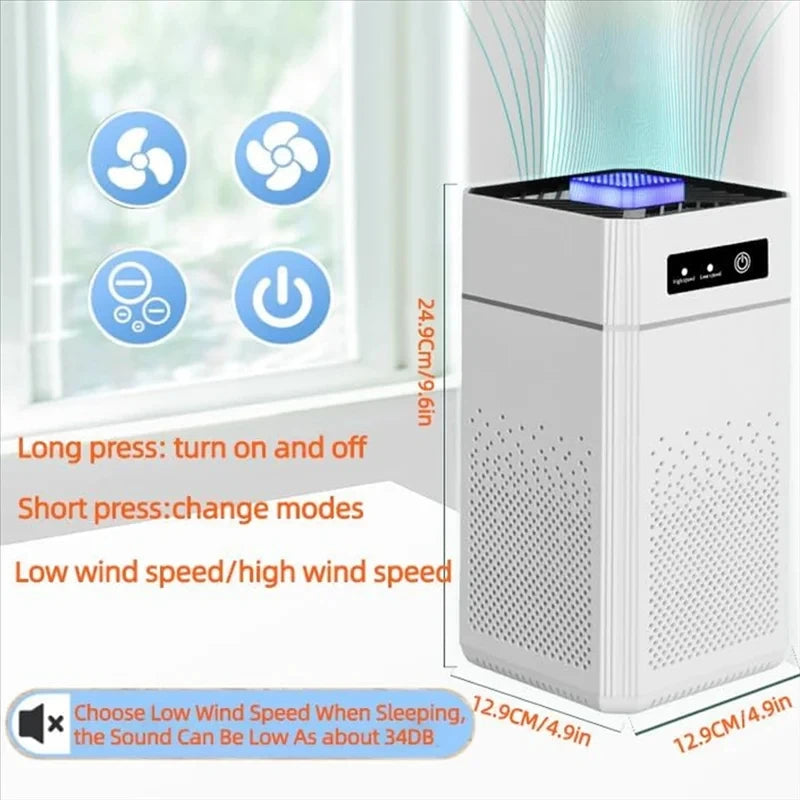
- Place the device at breathing height
- Keep vents unobstructed
- Replace filters as recommended
- Run continuously for consistent results
Many parents pair air purification with hygiene routines supported by Baby Hygiene Gadgets for a more complete approach.
How does air purification work with airborne particle removal near bedtime? 💡 See it in action
Mini FAQ: Clean Air Questions Parents Ask
Does a compact purifier really clean the air?
Yes. When equipped with a hepa filtration system, compact devices effectively remove fine particles and support better indoor air quality in smaller rooms.
How often should filters be replaced?
Most filters last several months, depending on usage and air conditions. Regular replacement keeps particulate removal technology working efficiently.
Is air purification safe for babies?
Air purification is widely used in nurseries to support cleaner breathing environments, especially when combined with other Baby Care Essentials.





