

How to Achieve Correct Spinal Alignment While Sleeping
Does correct spinal alignment while sleeping really matter?
Correct spinal alignment keeps your head, neck, and spine in a neutral position so muscles can fully relax and recover overnight. When alignment is off, pressure builds in the lower back, shoulders, and hips, often causing morning stiffness or pain. Small changes in sleep posture and pillow support can improve comfort within days.
How to Achieve Correct Spinal Alignment While Sleeping
⏱ 8 min read
Correct spinal alignment is the silent factor behind waking up refreshed or stiff and sore. Many people blame their mattress, but small adjustments in sleep posture, pillow height, and nightly habits can dramatically improve proper spinal alignment while sleeping. From understanding spine alignment sleeping positions to choosing the right side sleeping pillow for back pain, this guide walks you through simple fixes that work faster than most people expect.
Quick question: Have you ever woken up with back pain even after sleeping “enough” hours? Keep reading—you’re likely missing one small but critical detail.
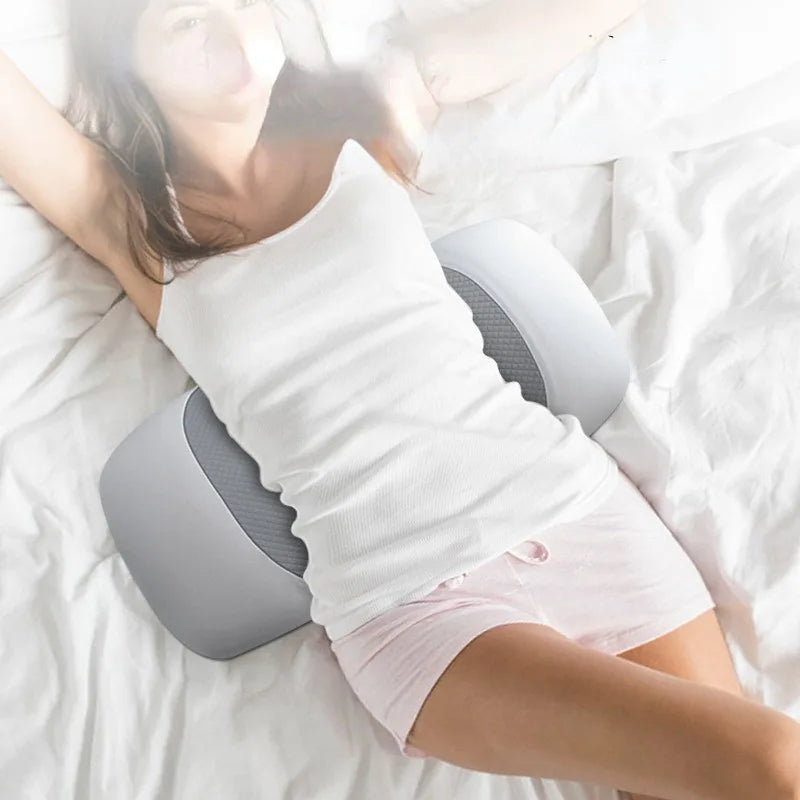
Correct spinal alignment during sleep starts with proper support and positioning 💡 See it in action
What Is Correct Spinal Alignment?
Correct spinal alignment means your ears, shoulders, and hips stay in a straight, neutral line while lying down. This position minimizes strain on muscles, discs, and joints so your body can fully recover during sleep.
When alignment is correct:
- Muscles relax instead of guarding
- Pressure on the lower back decreases
- Nerves are not compressed overnight
- You wake up with less stiffness
Many adults—especially parents juggling daily physical stress—unknowingly sleep with twisted hips or unsupported lower backs, slowly building discomfort night after night.
Why Spine Alignment Sleeping Positions Matter
Correct spinal alignment while sleeping allows your spine to maintain its natural curves. Poor positioning flattens or exaggerates these curves, leading to soreness and long-term discomfort.
Here’s how common positions affect spine alignment sleeping quality:
- Back sleeping: Can be excellent if lumbar support fills the lower-back gap
- Side sleeping: Ideal when hips, knees, and neck are properly supported
- Stomach sleeping: Often strains the neck and lower back
For many caregivers and busy adults, side sleeping becomes the most realistic and comfortable option—when done correctly.
How Side Sleeping Supports Better Alignment
Side sleeping reduces pressure on the spine when the neck, waist, and knees are evenly supported. Without proper tools, however, the spine can sag or twist.
Key alignment checkpoints for side sleepers:
- Head stays level, not tilted up or down
- Waist gap is gently supported
- Hips remain stacked, not rolled forward
- Knees are cushioned to prevent rotation
This is why many people benefit from a side sleeping pillow for back pain that supports both the neck and lower spine simultaneously.
Choosing the Right Pillow Height
The wrong pillow height can undo all your alignment efforts. Too high strains the neck; too low lets the spine collapse.
A well-matched pillow should:
- Fill the space between mattress and neck
- Match shoulder width for side sleepers
- Support natural cervical curve
- Stay stable throughout the night
Many families browsing Sleep & Comfort solutions focus only on softness, but structure matters far more for spinal health.
Step-by-Step: Fix Your Sleep Alignment Tonight
Correct spinal alignment doesn’t require a new mattress. Follow these steps instead:
- Lie on your side with ears, shoulders, and hips aligned
- Place a supportive pillow under your head to keep it level
- Add lumbar support to fill the waist gap
- Keep knees slightly bent with a cushion between them
Many people notice reduced back tension within the first week when these steps are applied consistently.
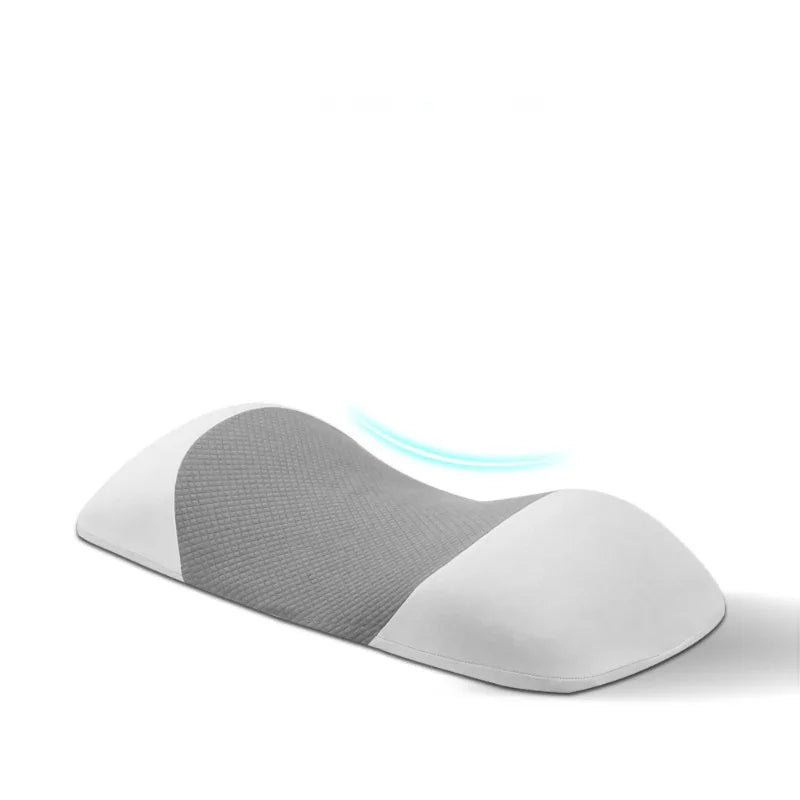
Proper spinal alignment while sleeping helps reduce pressure points 💡 See it in action
Common Alignment Mistakes to Avoid
- Using overly soft pillows that collapse
- Sleeping with twisted hips
- Ignoring lower-back support on the side
- Switching positions without readjusting support
These mistakes are especially common among parents who fall asleep quickly from exhaustion and skip proper setup.
Why Lumbar Support Changes Everything
Correct spinal alignment depends heavily on lumbar support, especially for side sleepers. Without it, the spine bends downward, stressing muscles overnight.
A lumbar support pillow for sleeping fills the natural waist curve and keeps the spine neutral. This makes it easier to maintain alignment even when you shift positions.
Many wellness-focused families exploring Beauty & Wellness solutions discover that lumbar support provides faster relief than replacing mattresses.
- Reduces lower-back strain
- Improves side sleeping comfort
- Supports long-term spine health
You can explore this option here: lumbar support pillow for sleeping.

Side sleeping pillow for back pain supports correct spinal alignment 💡 See it in action
Daily Habits That Protect Your Spine
Sleep alignment works best when paired with supportive daytime habits:
- Stretch hips and hamstrings daily
- Avoid slouching during screen time
- Lift children with bent knees
- Rotate sleep positions mindfully
These habits complement nighttime alignment and reduce recurring discomfort.
Frequently Asked Questions
How long does it take to feel results?
Many people feel reduced stiffness within 3–7 nights once correct spinal alignment is maintained consistently.
Is side sleeping bad for the spine?
No. Side sleeping can be excellent when the neck and lower back are properly supported.
Do I need a new mattress?
Often no. Proper pillows and lumbar support correct alignment issues without replacing your bed.





