

Infant Head Support Guide: Safe Positioning for Every Stage
How to Adjust Car Seat Head Support for Infants
⏱ 7 min read
How do you adjust car seat head support for infants?
Adjust car seat head support by positioning the harness and headrest so they gently cradle your baby's head without forcing the chin toward the chest. A properly adjusted rear-facing car seat helps maintain an open airway, reduces head slump, and supports the neck and spine. For the safest fit, the harness straps should sit at or just below shoulder level, the head should remain centered, and the sides of the headrest should provide support without pushing the head forward.
If your baby's head keeps tipping forward during car rides, you're not alone. Newborns and young infants have limited neck strength, making proper positioning especially important. This guide explains how to adjust car seat head support correctly, why proper newborn car seat position matters, how to recognize unsafe head slump, and what safety checks parents can perform before every trip.
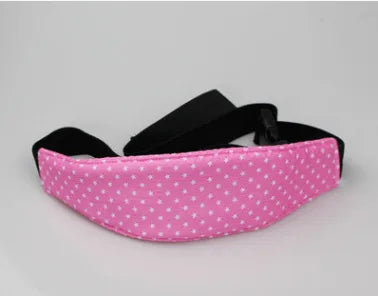
Adjust car seat head support correctly to reduce head slump and improve comfort. See it in action.
Which setup actually keeps your baby's head from slumping without affecting breathing? The answer starts with correct harness placement, proper recline, and head support designed to work with your car seat—not against it.
Explore trusted essentials: Browse Health & Safety and Sleep & Comfort for items parents commonly pair with safer car rides.
Why Proper Head Support Matters for Infant Safety
Properly adjusting car seat head support is about far more than keeping your baby comfortable. During the first months of life, infants have limited head and neck control. If the head tilts too far forward, it may narrow the airway, making breathing more difficult. Maintaining a proper newborn car seat position helps support normal breathing while keeping the neck and spine aligned throughout the ride.
Airway protection
Newborns naturally have larger heads relative to their bodies and weaker neck muscles than older children. A rear-facing car seat that is adjusted correctly helps keep the head in a neutral position so the chin does not rest on the chest. This reduces the likelihood of head slump and supports an open airway during travel.
Neck and spine alignment
The harness, recline angle, and headrest work together to stabilize your baby's upper body. When adjusted correctly, they distribute support evenly instead of placing unnecessary strain on the neck. The goal is gentle side support while allowing the head to rest naturally in the center of the seat.
Comfort versus safety
Parents often assume extra cushions or positioning accessories improve comfort, but more padding is not always safer. A correctly fitted car seat using manufacturer-approved components typically provides the safest support. Comfort should never come at the expense of proper positioning or harness performance.
- Helps maintain a neutral head and neck position
- Supports an open airway during rear-facing travel
- Keeps the harness working as designed
- Reduces unnecessary head movement on everyday trips
- Promotes safer, more comfortable rides for growing infants
When your baby's head stays centered, the harness fits snugly, and the seat is installed at the recommended recline angle, you've created a safer environment that supports both comfort and healthy positioning on every journey.
Step-by-Step: How to Adjust Car Seat Head Support the Right Way
Adjust car seat head support according to your baby's current height and the instructions for your specific rear-facing car seat. A correct fit keeps the head centered, supports the neck, and helps maintain a safe airway without forcing the chin toward the chest.
- Position the harness correctly: For a rear-facing infant, the harness straps should come through the slots at or just below the shoulders. This helps prevent the body from sliding upward during travel.
- Adjust the headrest: Raise or lower the headrest until it gently supports both sides of your baby's head. The ears should remain comfortably within the protective side wings, and the head should not lean significantly to either side.
- Check the chin position: Look from the side to confirm the chin is not resting on the chest. A neutral head position supports normal breathing and reduces the likelihood of head slump.
- Tighten the harness evenly: Remove slack until the harness lies flat against your baby's body. You should not be able to pinch excess webbing at the shoulders using the pinch test.
- Verify the recline angle: Ensure the rear-facing seat is installed at the manufacturer-recommended recline angle, especially for newborns and young infants who have limited head control.
Once everything is adjusted, gently check that your baby's head is supported without being squeezed. The head should remain naturally centered while still allowing comfortable movement.
What Is the Proper Newborn Car Seat Position?
A proper newborn car seat position supports your baby's head, neck, and spine while helping keep the airway open. When installed correctly, a rear-facing infant seat allows the head to rest in a neutral position with the chin naturally lifted away from the chest instead of slumping forward.
- Keep the seat rear-facing at the manufacturer-recommended recline angle.
- Position the head in the middle of the headrest with gentle side support.
- Place the harness straps at or just below shoulder level and tighten until snug.
- Ensure the hips are fully back against the seat without slouching.
- Avoid placing rolled towels, blankets, or extra padding behind your baby's head unless specifically approved by the car seat manufacturer.
After buckling your baby in, take a final look from the side. The ears, shoulders, and hips should appear naturally aligned, and the chin should remain comfortably off the chest. Small adjustments to the recline angle or headrest often improve positioning without requiring additional accessories.
Common Mistakes That Cause Head Slump
Even a high-quality infant car seat cannot provide proper protection if it is adjusted incorrectly. These common mistakes increase the likelihood of head slump and can reduce both comfort and safety.
- Using non-approved inserts: Aftermarket accessories may change the way the harness fits or alter your baby's head position.
- Incorrect recline angle: A seat that is too upright can allow a young infant's head to fall forward.
- Headrest positioned too high or too low: Improper headrest height reduces side support and may leave the head unsupported.
- Loose harness straps: Excess slack allows the body to shift, increasing head movement during travel.
- Bulky coats or blankets under the harness: Thick clothing creates hidden slack that prevents a secure harness fit.
If you notice your baby's head repeatedly falling forward, remove bulky outer layers, verify the recline angle, readjust the headrest, and perform the harness pinch test again. If the problem continues despite following the manufacturer's instructions, consult a certified Child Passenger Safety Technician (CPST) to confirm that the seat is installed and adjusted correctly.
60-Second Safety Checks Before Every Ride
A quick inspection before every journey helps ensure your baby's car seat remains properly adjusted as they grow. These simple checks take less than a minute and can catch common positioning issues before you begin driving.
- Check the chin position: Confirm the chin is comfortably off the chest and the head remains in a neutral position.
- Inspect the harness: Make sure the straps are flat, snug, and positioned at or just below the shoulders for a rear-facing infant.
- Verify head support: Ensure the headrest gently supports both sides of the head without pushing it forward.
- Confirm the recline angle: Check that the car seat is installed at the manufacturer-recommended recline angle for your baby's age and size.
Performing these checks consistently helps maintain proper newborn car seat position and reduces the likelihood of head slump during everyday travel.
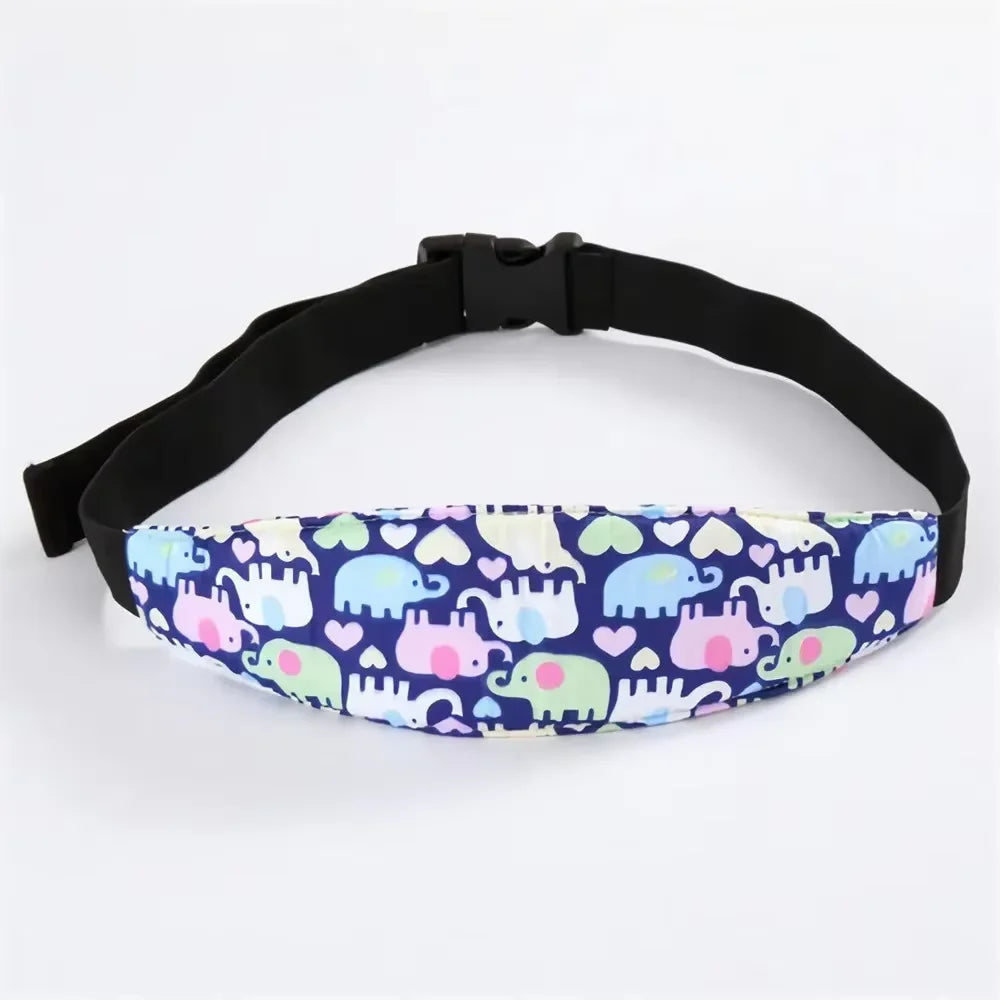
Choose an infant car seat head support pillow that helps maintain proper newborn car seat position. See it in action.
If your baby's car seat manufacturer allows additional head support accessories, choose only products specifically designed for infant car seats and follow the manufacturer's compatibility guidance. A properly fitted infant car seat head support pillow can provide gentle side cushioning without interfering with the harness or pushing the head into an unsafe forward position.
For additional parent-friendly options, many families also browse the Sleep & Comfort collection to find supportive accessories that prioritize breathable materials and age-appropriate comfort.
Head Support Recommendations by Baby Gear
Different types of baby gear support your infant in different ways. Following the manufacturer's instructions for each product helps protect your baby's airway and developing neck while avoiding unnecessary accessories.
Car seats
Rear-facing infant car seats should provide head support through the seat's built-in design and approved inserts. If additional support is recommended by the manufacturer, choose products specifically designed for your car seat model and ensure they do not interfere with harness performance.
Strollers
Most strollers offer adequate head support when fully reclined for newborns. As your baby develops better head control, the seat can usually be adjusted to a more upright position according to the manufacturer's guidelines.
Baby carriers
Soft structured carriers and wraps should support your baby's head and neck until they develop sufficient muscle control. Always position your baby high enough to monitor breathing easily and keep the face visible.
Swings and bouncers
Use only the built-in support included with the product. Avoid adding aftermarket cushions or inserts unless specifically approved, as they may change your baby's position.
Sleep environments
Unlike travel gear, a crib or bassinet should have a firm, flat mattress without pillows, positioners, or extra head supports. Babies should always be placed on their backs for sleep in accordance with safe sleep recommendations.
Frequently Asked Questions
When do babies gain enough head control?
Most babies begin developing noticeable head control between 3 and 4 months of age, with stronger, more consistent control by around 6 months. Every child develops at a different pace, so continue following your car seat manufacturer's guidance regardless of age.
How can I keep my baby's head supported in a car seat?
Install the seat at the correct recline angle, adjust the harness to fit snugly, position the headrest according to the manufacturer's instructions, and keep your baby's head centered without forcing the chin toward the chest.
Where should the headrest be on a car seat?
The headrest should be adjusted so it gently supports the sides of your baby's head while remaining compatible with the harness height requirements for your specific rear-facing seat.
Is my newborn's head tilting forward in the car seat normal?
A slight change in head position during travel can happen, but the chin should not rest on the chest. If your baby's head repeatedly falls forward, check the recline angle, harness fit, and headrest adjustment before traveling again.
Are aftermarket head support pillows safe?
Only use accessories that are approved for your specific car seat or supplied by the manufacturer. Non-approved inserts may affect harness performance or alter your baby's position during a crash.
Can babies sleep in a car seat with head supports?
It is common for babies to fall asleep while traveling, but car seats are designed for transportation rather than routine sleep. Once you reach your destination, move your baby to a firm, flat sleep surface whenever practical.
How do I adjust car seat head support correctly?
Adjust the headrest so it supports both sides of the head without pushing it forward, confirm the harness straps are at or just below the shoulders for a rear-facing infant, and verify the seat is installed at the proper recline angle.
What are the signs my baby's head position is unsafe?
Warning signs include the chin resting on the chest, repeated forward head slump, excessive side leaning, difficulty maintaining an open airway, or a loose harness that allows significant movement. If you're unsure about the fit, consult your car seat manual or a certified Child Passenger Safety Technician.
Related Guide: Best Infant Head Support Straps for Car Seats Reviewed





