

How to Align Your Hips for Pain Free Side Sleeping
How can you align your hips for pain-free side sleeping?
How to align your hips during side sleeping means keeping your pelvis level so both hips stack evenly, reducing strain on the lower back and joints. Using the ideal side sleeping position, proper pillow placement, and basic sleep ergonomics helps maintain spine alignment sleep, easing pressure and supporting natural recovery overnight.
How to Align Your Hips for Pain Free Side Sleeping
⏱ 7 min read
How to align your hips is one of the most overlooked keys to waking up without stiffness or sharp side-sleeper pain. Many people assume discomfort is unavoidable, yet small adjustments in positioning, pillow support, and sleep ergonomics can dramatically improve spine alignment sleep. This guide walks you through practical, step-by-step ways to feel supported and comfortable all night.
Do you ever wake up with hip soreness, a tight lower back, or numbness on one side of your body? Side sleeping is healthy for breathing and digestion, but without proper alignment it can quietly strain your hips and spine night after night.
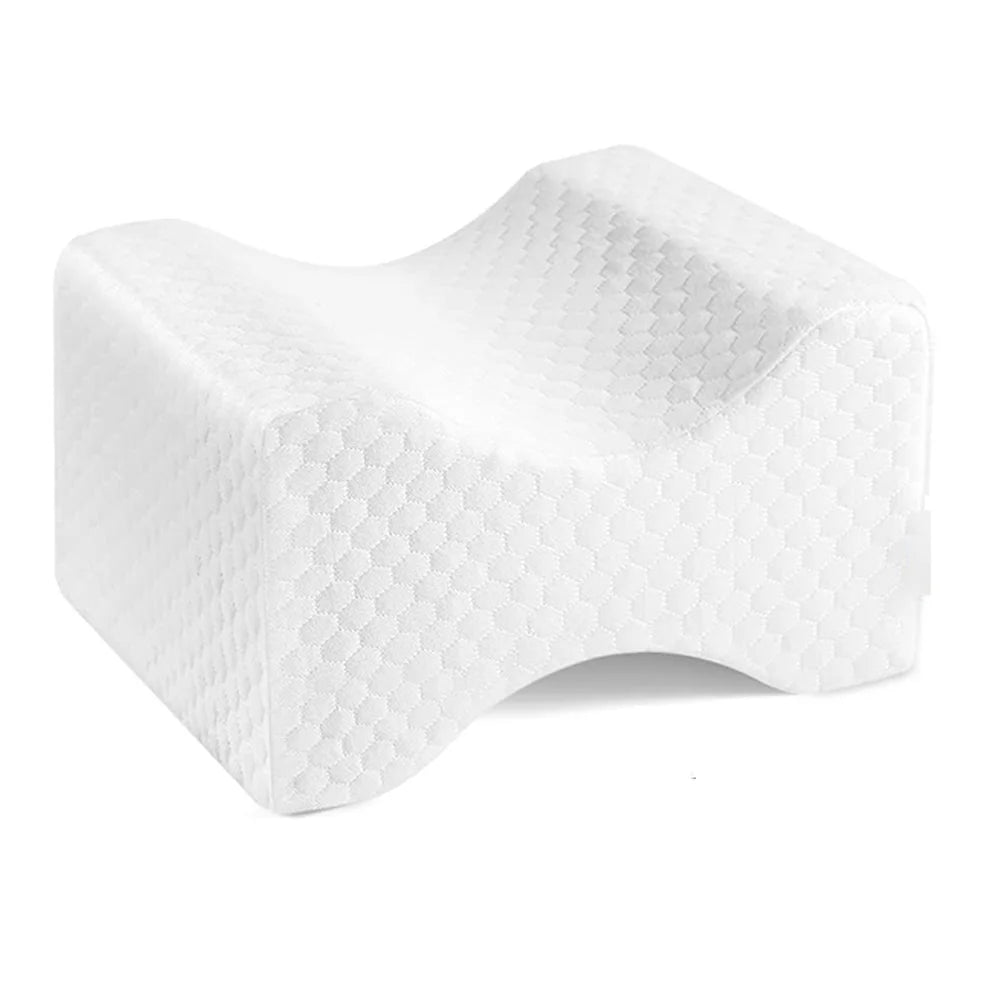
How to align your hips using the ideal side sleeping position 💡 See it in action
Why Side Sleeping Hurts Your Hips
Side sleeping concentrates body weight onto one hip at a time. Without support, the top leg often drops forward, twisting the pelvis. Over hours, this imbalance pulls on muscles and ligaments, disrupting spine alignment sleep and leading to soreness by morning.
- Uneven pressure on hip joints
- Pelvic rotation stressing the lower back
- Compressed nerves causing numbness
- Muscle fatigue from poor sleep ergonomics
Parents and caregivers often experience this more intensely due to lifting, carrying, and long days on their feet. Night should be recovery time, not another source of strain.
What Does It Mean to Align Your Hips?
How to align your hips means positioning your pelvis so both hip bones stay level and neutral while lying on your side. Proper alignment keeps the spine straight from neck to tailbone, supporting natural posture and reducing stress during sleep.
This is not about forcing your body into a rigid pose. Instead, it’s about gentle support that allows muscles to relax while joints stay protected.
Step-by-Step: How to Align Your Hips
How to align your hips starts with awareness and a few intentional adjustments before you fall asleep.
- Lie on your side with shoulders and hips stacked.
- Bend knees slightly to reduce pelvic tension.
- Place support between knees to keep hips level.
- Adjust head pillow so neck stays in line with spine.
- Check that your top hip does not roll forward.
These steps take less than a minute but can prevent hours of discomfort.
Finding the Ideal Side Sleeping Position
The ideal side sleeping position balances comfort and structure. Your ears, shoulders, hips, and ankles should form a straight line when viewed from behind. This alignment protects joints while letting muscles fully relax.
Upper Body Placement
Your head pillow should fill the space between mattress and neck without pushing your head upward. Too high or too low disrupts spine alignment sleep.
Lower Body Placement
Knees should stay parallel, not crossed or twisted. This prevents rotational strain on the pelvis.
Many side sleepers notice immediate relief when they stop letting the top leg drift forward.
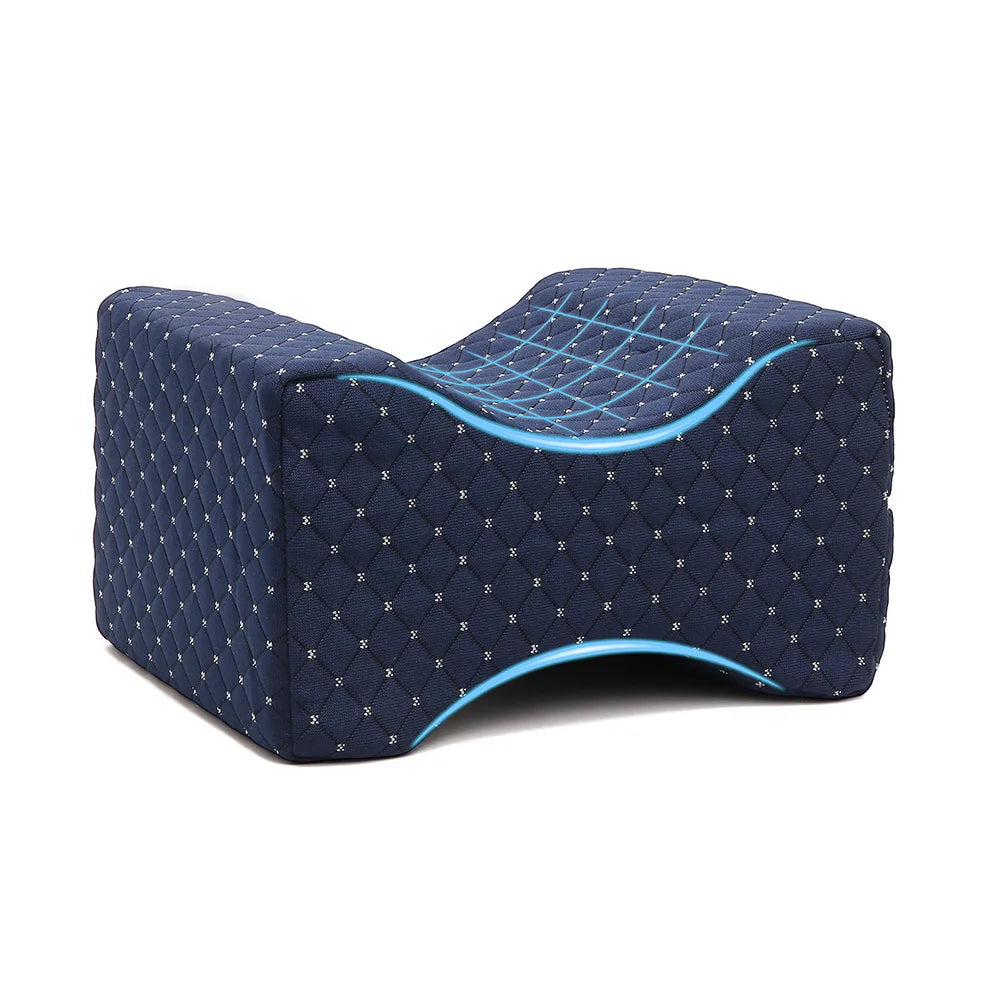
Aligning hips self techniques for better spine alignment sleep 💡 See it in action
Sleep Ergonomics That Protect Your Spine
Sleep ergonomics focuses on how your body interacts with bedding to maintain natural alignment. Good ergonomics reduce pressure points and allow deeper, more restorative rest.
- Medium-firm mattress that supports hips without sinking
- Consistent pillow height for head and neck
- Support between knees to stabilize pelvis
- Relaxed arm placement to avoid shoulder compression
For families prioritizing comfort and recovery, exploring supportive options in Sleep & Comfort can help create a more restful environment.
Common Alignment Mistakes to Avoid
Even well-intentioned sleepers often undermine their own comfort.
- Sleeping twisted with one knee far forward
- Using pillows that collapse overnight
- Ignoring early signs of hip soreness
- Assuming pain is “normal” for side sleepers
Correcting these habits supports aligning hips self without drastic changes.
Real Results from Better Hip Alignment
People who focus on how to align your hips often report waking up with less stiffness, fewer pressure points, and improved energy. Parents juggling busy routines appreciate how better sleep translates into patience, focus, and overall wellness.
Some notice improvements within the first few nights, especially reduced lower-back tension and hip soreness.
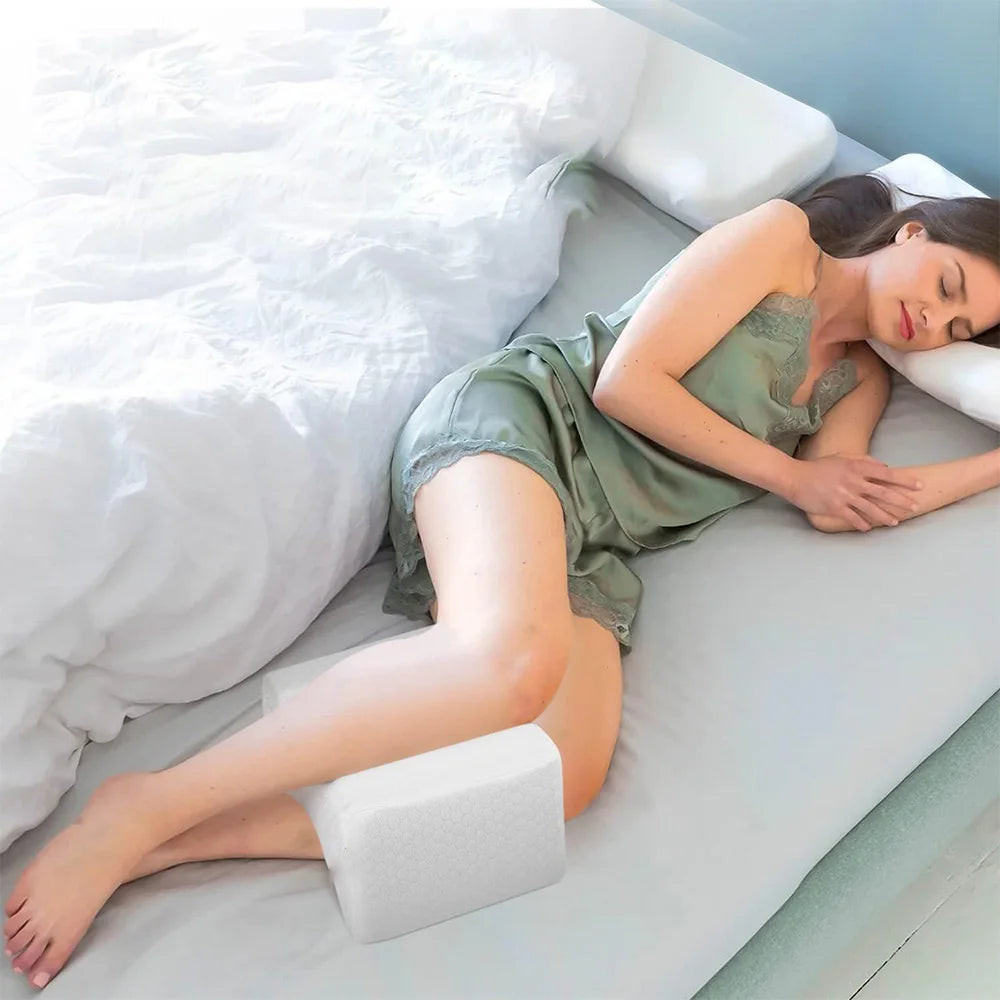
Ideal side sleeping position with improved sleep ergonomics 💡 See it in action
Supportive tools designed for relaxation and recovery can also complement alignment habits. Many side sleepers explore options within Massage & Relaxation or Beauty & Wellness to enhance nighttime comfort.
Quick FAQ
How long does it take to feel results?
Many people feel improvement within a few nights, while others notice gradual changes over one to two weeks as muscles adapt to better alignment.
Can side sleeping be healthy?
Yes. With proper hip and spine alignment sleep, side sleeping supports breathing, digestion, and overall comfort.
Do I need to change my mattress?
Not always. Improving sleep ergonomics and hip positioning often makes a noticeable difference even on an existing mattress.
Is hip pain a sign of poor alignment?
Often, yes. Persistent soreness or stiffness can indicate pelvic rotation or uneven pressure during sleep.





