

How to Keep Baby Cool in Pram Without Risking Overheating
How to Keep Baby Cool in a Pram During Summer: Safe Cooling Tips for Hot Weather
⏱ 8 min read
Warm-weather walks can be enjoyable for the whole family, but babies are more vulnerable to heat than adults. Learning how to keep baby cool in a pram helps reduce the risk of overheating while making outdoor naps and strolls more comfortable. From improving airflow to choosing the right clothing and knowing when to stay indoors, these practical tips focus on safe, evidence-based ways to keep your little one comfortable.
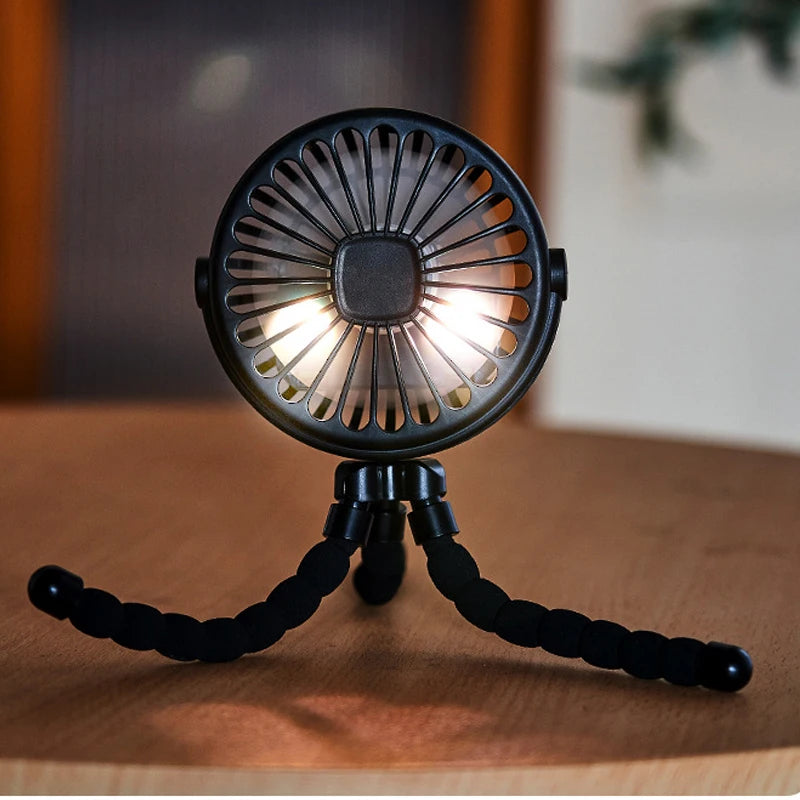
Keeping babies comfortable with good airflow and shade during summer walks.
Why Summer Cooling Matters for Babies
Why prams heat up faster than the surrounding air
Prams and strollers can become significantly warmer than the outside temperature when exposed to direct sunlight. Dark fabrics absorb heat, limited ventilation traps warm air, and enclosed canopies may reduce airflow if opened incorrectly. Even on mild days, temperatures inside a stroller can rise quickly, making regular airflow and shade essential.
How babies regulate body temperature differently
Babies do not regulate body temperature as efficiently as older children and adults. They sweat less effectively, have a larger body surface area relative to their size, and depend on caregivers to adjust clothing, provide shade, and monitor for signs of overheating. Practicing good baby stroller heat safety and infant overheating prevention helps reduce unnecessary risks during outdoor activities.
Many caregivers already rely on tools from Health & Safety collections to support comfort throughout changing weather.
How to Keep Baby Cool in a Pram on Hot Days
The best way to keep baby cool in a stroller combines several simple strategies instead of relying on a single product.
- Choose shaded routes whenever possible.
- Dress your baby in lightweight, breathable fabrics.
- Allow fresh air to circulate freely through the stroller.
- Take breaks in cool indoor spaces during longer outings.
- Avoid walking during the hottest part of the day.
- Check your baby's neck or upper back regularly rather than relying on hands or feet to judge body temperature.
These habits often provide more effective cooling than accessories alone and are recommended whether you're using a stroller fan or not.
How to Keep a Stroller Cool in Summer
Improve airflow safely
Good ventilation is one of the most effective ways to cool a stroller. Open mesh ventilation panels whenever available, position the canopy to block direct sunlight without sealing the stroller, and encourage continuous airflow around your baby.
Choose breathable shade instead of blankets
Shade is important, but covering an entire stroller with a blanket can trap hot air inside. Instead, use the stroller's built-in canopy, a breathable sunshade approved by the manufacturer, or naturally shaded walking paths.
Park and walk in cooler conditions
Early morning and evening walks are typically cooler than midday. Parking under trees, avoiding large paved areas, and choosing parks over asphalt sidewalks can also reduce heat exposure.
Safe Ways to Keep Your Baby Comfortable During Walks
Dress baby for hot weather
Lightweight cotton or moisture-wicking clothing helps release heat more effectively than thick or layered outfits. A wide-brimmed hat offers additional sun protection while still allowing airflow.
Hydration by age
Young infants generally receive hydration from breast milk or formula. Older babies who have started solids may also drink small amounts of water according to their healthcare provider's recommendations. Feed babies more frequently during hot weather if they show signs of thirst.
Use stroller fans correctly
Many parents wonder, is a stroller fan necessary? While not essential, a properly positioned fan can improve air circulation and increase comfort. Always direct airflow indirectly rather than continuously blowing air directly onto your baby's face, secure the fan firmly, and continue supervising your child throughout the walk.
Cooling accessories can also complement products from Temperature Tools when monitoring environmental conditions.
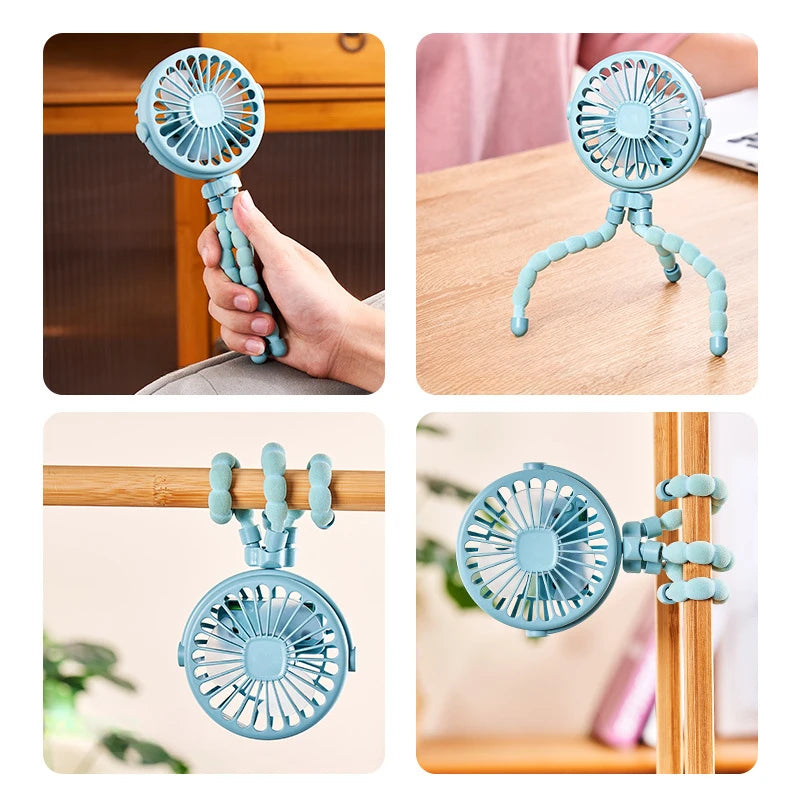
Good airflow and breathable shade help create a more comfortable stroller environment.
Unsafe Cooling Methods to Avoid
Why covering a stroller with a blanket is dangerous
Although it may seem like a simple way to create shade, placing a blanket over a stroller can dramatically reduce airflow and trap heat inside. Even lightweight muslin fabrics may increase temperatures when ventilation is restricted.
Cooling products that may reduce airflow
Not every cooling accessory improves safety. Thick seat liners, heavily padded inserts, or poorly ventilated covers can reduce air circulation. Always prioritize products designed to maintain airflow instead of trapping heat.
For additional comfort during warmer months, many families also browse Sleep & Comfort solutions suitable for home use.
How to Tell If Your Baby Is Too Hot
Early overheating signs
- Warm neck or chest
- Flushed cheeks
- Excessive fussiness
- Heavy sweating
- Reduced interest in feeding
Heat exhaustion warning signs
If your baby becomes unusually sleepy, difficult to wake, breathes rapidly, or develops unusually hot skin with poor responsiveness, move immediately to a cool location and seek medical advice promptly.
When to seek medical care
Seek urgent medical attention if your baby has persistent lethargy, difficulty breathing, repeated vomiting, seizures, or signs of heatstroke. Rapid treatment is essential for severe overheating.
When Is It Too Hot to Use a Pram?
Temperature-based guidance
There is no single temperature that applies to every situation because humidity, direct sunlight, wind, and your baby's age all affect heat stress. During heat advisories or extreme temperatures, postpone non-essential walks and stay in cool indoor environments whenever possible.
Decision checklist before going outside
- Is there enough shade along your route?
- Can you keep the stroller well ventilated?
- Will your walk be short with opportunities to cool down?
- Do you have water and feeding supplies available?
- Can you return indoors quickly if your baby becomes uncomfortable?
Quick Summer Pram Safety Checklist
- ✓ Dress baby in lightweight clothing.
- ✓ Use breathable shade instead of covering the stroller completely.
- ✓ Check your baby's temperature regularly.
- ✓ Walk during cooler morning or evening hours.
- ✓ Keep airflow moving through the stroller.
- ✓ Feed your baby regularly to support hydration.
- ✓ Take breaks indoors if temperatures continue to rise.
Pairing these habits with essentials from Baby Care Essentials can help prepare your family for safer summer outings.
Simple cooling habits help make warm-weather walks safer and more enjoyable.
Frequently Asked Questions
Is a stroller fan necessary?
No. A stroller fan is optional but can improve airflow when used correctly. It should complement, not replace, shade, appropriate clothing, hydration, and avoiding extreme heat.
Can I cover a pram with a muslin blanket?
It's best not to. Even breathable fabrics can reduce ventilation and increase temperatures inside the stroller. Use the stroller canopy and breathable sunshades instead.
What should my baby wear in a stroller during summer?
Choose lightweight, breathable fabrics such as cotton, dress in minimal layers, and add a sun hat when appropriate for your baby's age.
Can newborns go out in hot weather?
Yes, but outings should be brief, timed during cooler parts of the day, and carefully monitored. Avoid prolonged exposure during heatwaves or extreme temperatures.
What is an air conditioned stroller?
An air conditioned stroller generally refers to accessories designed to improve airflow using battery-powered ventilation systems. They do not cool the air like traditional air conditioners but may increase comfort by improving circulation.
Does stroller air conditioning really work?
Airflow devices can help babies feel more comfortable by circulating air, but they cannot significantly lower ambient temperatures. Safe timing, shade, hydration, and proper clothing remain the most effective ways to prevent overheating.





