

How to Improve Core Strength: Step-by-Step Guide
Does improving core strength really make a difference?
How to improve core strength starts with training the muscles that stabilize your spine, hips, and pelvis—not endless crunches. A simple core stability routine combined with strengthening core exercises can improve posture, reduce back pain, and boost daily movement efficiency in as little as 10–15 minutes a day.
How to Improve Core Strength: Step-by-Step Guide
⏱ 7 min read
How to improve core strength isn’t just about getting visible abs—it’s about feeling stronger, moving better, and protecting your body from everyday strain. Whether you’re a busy parent lifting kids, a desk worker with back discomfort, or a fitness enthusiast training at home, building a stable core supports everything you do.
Do you ever feel lower back tightness after long days, or notice your posture slipping when you’re tired? You’re not alone. Many people train hard but miss the small adjustments that make core training effective and safe.
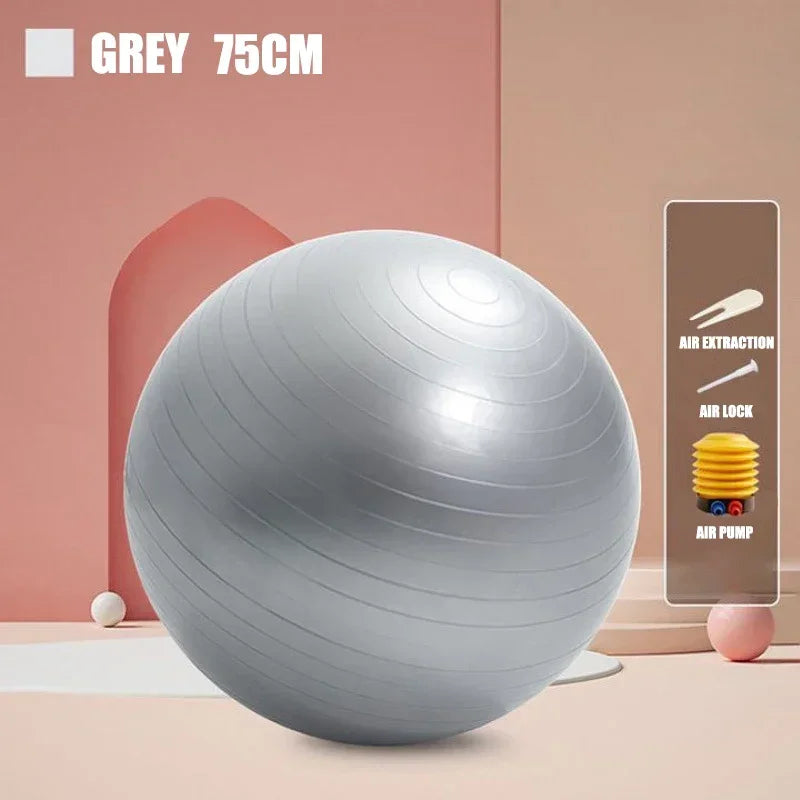
Core stability routine basics using simple tools 💡 See it in action
👉 Want a simple way to train your core at home with better balance and control? Discover tools designed for safe, effective workouts that fit into real life.
What Is Core Strength and Why It Matters
Your core includes more than your abs. It’s a network of muscles—abdominals, obliques, lower back, pelvic floor, and hips—that stabilize your spine and transfer force between your upper and lower body.
- Supports better posture during sitting and standing
- Helps prevent back pain and overuse injuries
- Improves balance and coordination
- Makes daily tasks like lifting, bending, and carrying easier
For parents, a strong core can mean fewer aches when carrying a baby or pushing a stroller. For anyone exercising at home, it’s the foundation that makes every movement safer.
How to Improve Core Strength Safely and Effectively
How to improve core strength works best when you focus on controlled movements, proper breathing, and progressive challenge. Instead of rushing through reps, prioritize quality and stability. Consistent short sessions—3 to 5 times per week—often deliver better results than occasional intense workouts.
- Engage your core by gently bracing, not holding your breath
- Start with stable positions before adding movement
- Progress slowly by increasing time, reps, or instability
- Rest when form breaks down
👉 Learn step by step how to choose supportive training tools that help you maintain balance and correct form, especially when training at home.
A Simple Core Stability Routine for Beginners
A core stability routine focuses on holding positions that challenge balance while keeping your spine neutral. This approach is ideal for beginners, postpartum recovery, or anyone easing back into fitness.
- Dead bug holds (20–30 seconds)
- Modified plank on knees
- Standing balance holds
- Seated stability work
Many people find that using balance-based equipment improves body awareness and helps activate deeper muscles more effectively than floor exercises alone.
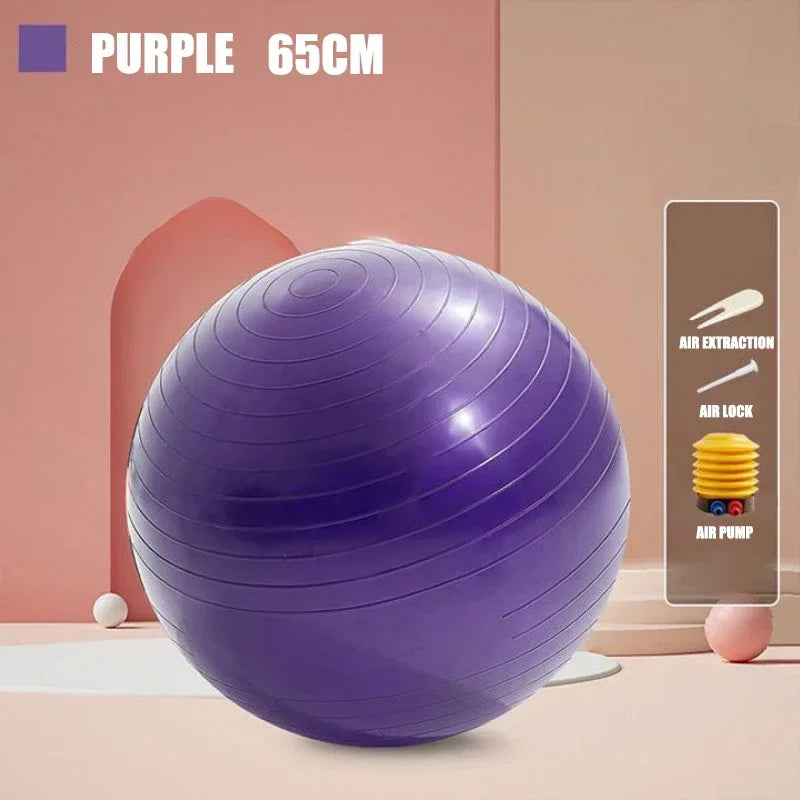
Core stability routine with strengthening core exercises 💡 See it in action
If you enjoy low-impact movement, pairing core training with options from Mobility & Training can support flexibility and joint comfort alongside strength.
Strengthening Core Exercises That Build Real Stability
Strengthening core exercises should train your body to resist movement, not just create it. These exercises teach your core to stabilize while your arms or legs move.
- Plank variations with shoulder taps
- Glute bridges with controlled breathing
- Side planks for lateral stability
- Bird dogs for coordination
Short, focused sets help prevent fatigue-related form breakdown, which is especially important if you’re training between work or parenting tasks.
Workouts to Improve Core Strength at Home
Workouts to improve core strength at home don’t need a gym. A small clear space and supportive tools can deliver effective sessions in under 20 minutes.
| Workout Focus | Time | Benefit |
|---|---|---|
| Stability Holds | 10 min | Improves balance and posture |
| Dynamic Control | 15 min | Builds coordination |
| Recovery & Mobility | 10 min | Reduces stiffness |
Combining these sessions with relaxation options from Massage & Relaxation can support recovery after long days.
Common Core Training Mistakes to Avoid
- Holding your breath during exercises
- Arching or rounding the lower back
- Rushing through reps
- Ignoring rest and recovery
Correcting these habits often leads to faster progress and fewer aches.
How Simple Tools Support Better Core Training
Supportive equipment can increase challenge while encouraging proper alignment. Many people prefer balance-based tools because they naturally cue engagement without heavy loads.
One popular option is a compact balance ball designed for controlled core work at home. You can explore it here: Yoga Balance Ball for Core Strength.
Pairing training with wellness-focused options from Beauty & Wellness can help create a more sustainable self-care routine.
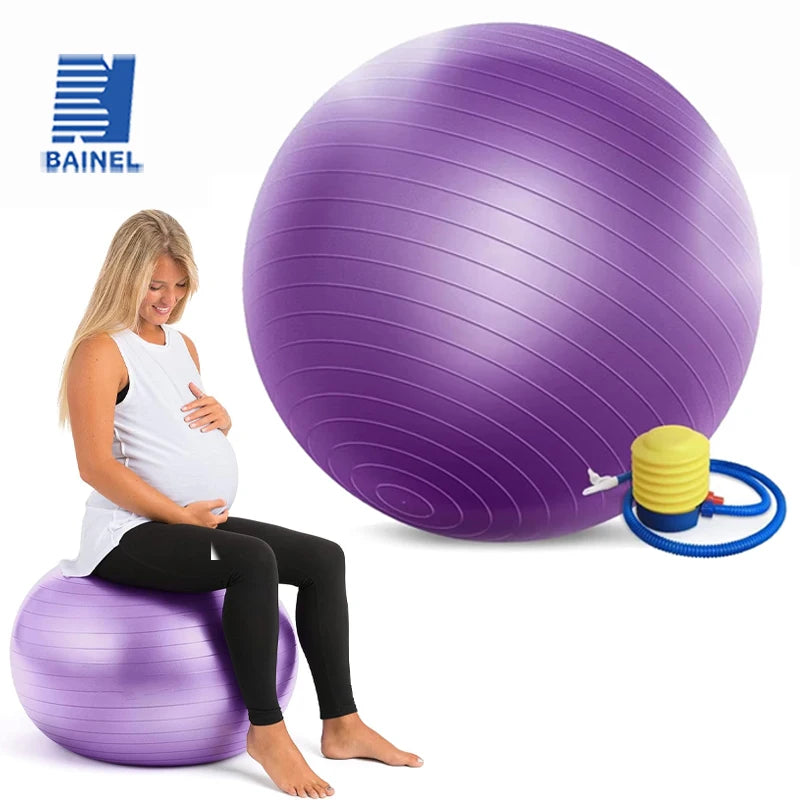
Workouts to improve core strength at home 💡 See it in action
👉 Ready to make core training easier and more consistent? Choose tools that fit your space, schedule, and comfort level.
Frequently Asked Questions
How often should I train my core?
Most people see results training their core 3–5 times per week with short, focused sessions.
Can core training help with back pain?
Yes, improved core stability often reduces strain on the lower back during daily activities.
Do I need equipment to improve core strength?
No, bodyweight exercises work well, but supportive tools can enhance balance and engagement.
Is core training safe for beginners?
When done with proper form and gradual progress, core training is safe and effective for beginners.





