

How to Increase Indoor Humidity for Better Sleep Tonight
Does increasing indoor humidity improve sleep quality?
How to increase indoor humidity can quickly improve sleep by reducing dry air irritation that causes sore throats, itchy skin, and nasal congestion. Balanced moisture levels support easier breathing, deeper rest, and fewer nighttime wake-ups—especially when air too dry at home disrupts your natural sleep cycle.
How to Increase Indoor Humidity for Better Sleep Tonight
⏱ 8 min read
How to increase indoor humidity can feel like an overlooked detail—until dry air starts stealing your sleep. If you’ve ever woken up with a scratchy throat, dry skin, or restless tossing, your bedroom environment for good sleep may need more moisture. The good news? You can fix it tonight with simple, effective steps.
Explore calming solutions inside our Sleep & Comfort collection.
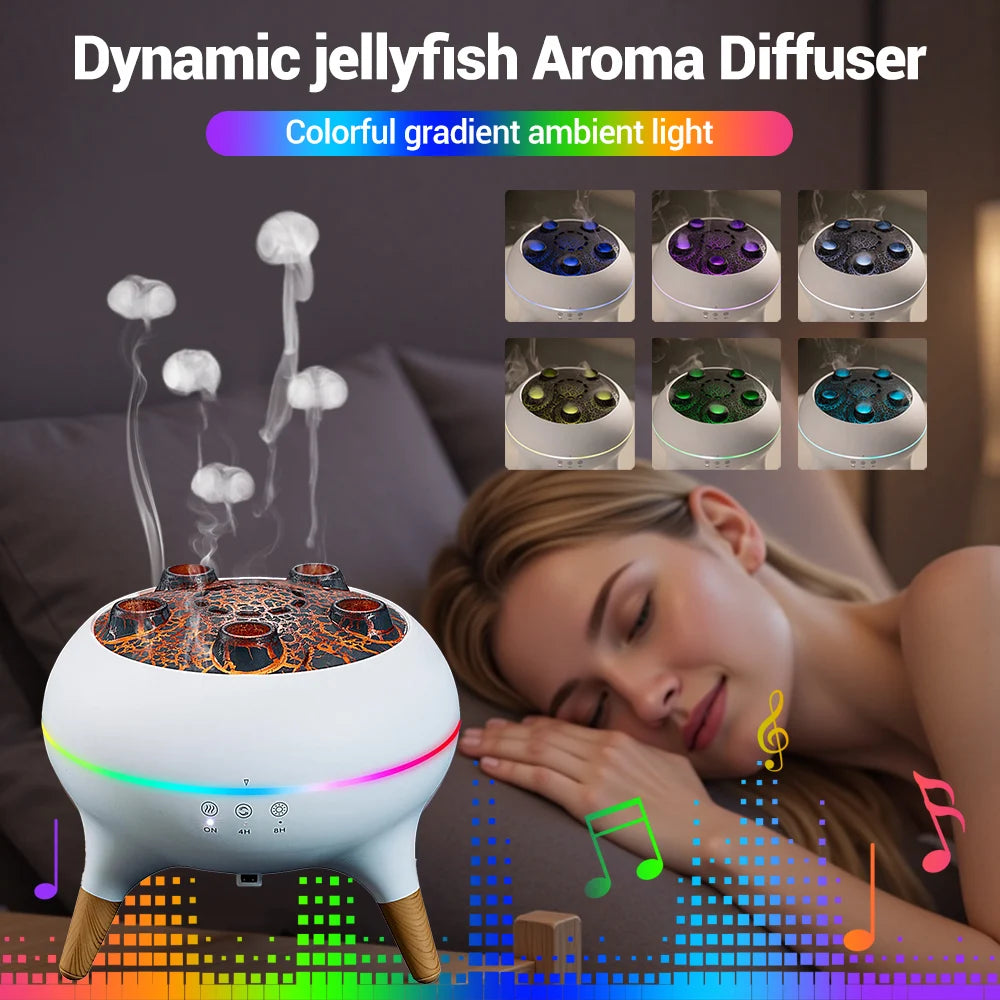
How to increase indoor humidity for calmer nights and deeper rest 💡 See it in action
Why Dry Air Disrupts Sleep More Than You Think
Air too dry at home doesn’t just feel uncomfortable—it actively interferes with sleep quality. Dry indoor air pulls moisture from your skin and airways, making breathing feel harder and causing frequent wake-ups.
- Dry throat and coughing during the night
- Stuffy or irritated nasal passages
- Itchy skin that triggers tossing and turning
- Static electricity and discomfort in bedding
For parents and caregivers, this matters even more. Babies and children are especially sensitive to dry air, which can worsen congestion and sleep disruptions.
What Humidity Level Is Best for Sleep?
The ideal bedroom humidity for sleep is typically between 40% and 60%. This range supports comfortable breathing, skin hydration, and stable body temperature throughout the night.
| Humidity Level | Sleep Impact |
|---|---|
| Below 30% | Dry throat, congestion, poor sleep |
| 40–60% | Comfortable breathing, deeper rest |
| Above 70% | Risk of stuffiness and discomfort |
How to Increase Indoor Humidity Quickly
How to increase indoor humidity starts with adding controlled moisture to your bedroom air. The fastest, most reliable way is using a humidifier for better sleep, paired with simple supportive habits.
- Place a humidifier near your bed but not directly blowing on you
- Run it 30–60 minutes before bedtime
- Use clean, filtered water
- Monitor levels to stay within the comfort range
Learn calming nighttime routines with essentials from Mom Essentials.
Natural Ways to Add Moisture Overnight
If you need quick help tonight, natural humidity tips can support your main setup:
- Place bowls of water near heat sources
- Hang damp towels in the bedroom
- Keep bedroom doors open to balance airflow
- Add indoor plants that release moisture
These methods help, but they’re best used alongside a humidifier for consistent results.
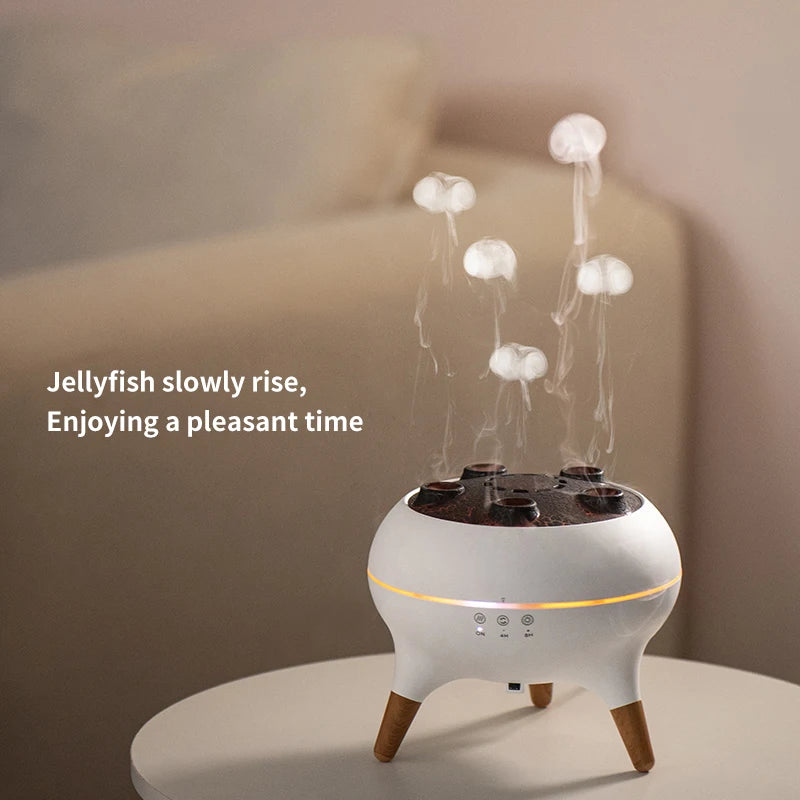
Humidifier for better sleep supporting a balanced bedroom environment 💡 See it in action
Choosing the Right Humidifier for Better Sleep
A well-designed humidifier provides steady moisture without noise or disruption. Look for features that support rest:
- Quiet operation for uninterrupted sleep
- Compact size for bedside use
- Soft lighting for nighttime comfort
- Easy cleaning for daily use
Many families prefer models that double as night lights, blending seamlessly into bedtime routines.
Explore the Jellyfish Air Humidifier for a gentle, calming moisture boost designed for sleep-friendly environments.
Creating the Best Bedroom Environment for Good Sleep
Humidity works best when paired with thoughtful bedroom setup:
- Use breathable bedding materials
- Keep room temperature stable
- Reduce allergens with regular cleaning
- Incorporate relaxation tools from Massage & Relaxation
This combination supports faster sleep onset and fewer nighttime disruptions.
Common Indoor Humidity Mistakes to Avoid
- Over-humidifying the room
- Skipping regular humidifier cleaning
- Ignoring room size when choosing a device
- Placing humidifiers too close to walls
What Real Families Notice After Improving Humidity
Parents consistently report noticeable changes within days:
- Less coughing and congestion overnight
- Softer skin and fewer dry patches
- Children sleeping longer stretches
- Calmer bedtime routines overall

How to increase indoor humidity for peaceful family sleep 💡 See it in action
Discover soothing wellness upgrades in Beauty & Wellness or try the Jellyfish Air Humidifier while supplies last.
Mini FAQ
Can dry air really affect sleep quality?
Yes. Dry air irritates airways and skin, making it harder to stay asleep through the night.
How fast can humidity changes improve sleep?
Many people notice improved comfort within one to three nights after balancing humidity.
Is a humidifier safe for bedrooms?
When used correctly and cleaned regularly, a humidifier is a safe and effective sleep aid.





