

How to Massage Scalp Properly: Techniques That Work
How to Massage Scalp Properly: Techniques That Work
Learning how to massage scalp properly can transform your hair health and help relax scalp muscles in minutes. Using a scalp stimulation brush or a massage hair comb can boost circulation, reduce tension, and even enhance hair growth. Many people overlook simple techniques that make a huge difference—could one small adjustment in your routine unlock smoother, shinier hair faster than you imagined?
Does massaging your scalp really improve hair health?
Yes! Learning how to massage scalp properly stimulates blood flow, relaxes scalp muscles, and supports hair growth. Using tools like a scalp stimulation brush or massage hair comb enhances the effect, reducing tension and leaving your hair feeling healthier and fuller within weeks of regular practice.
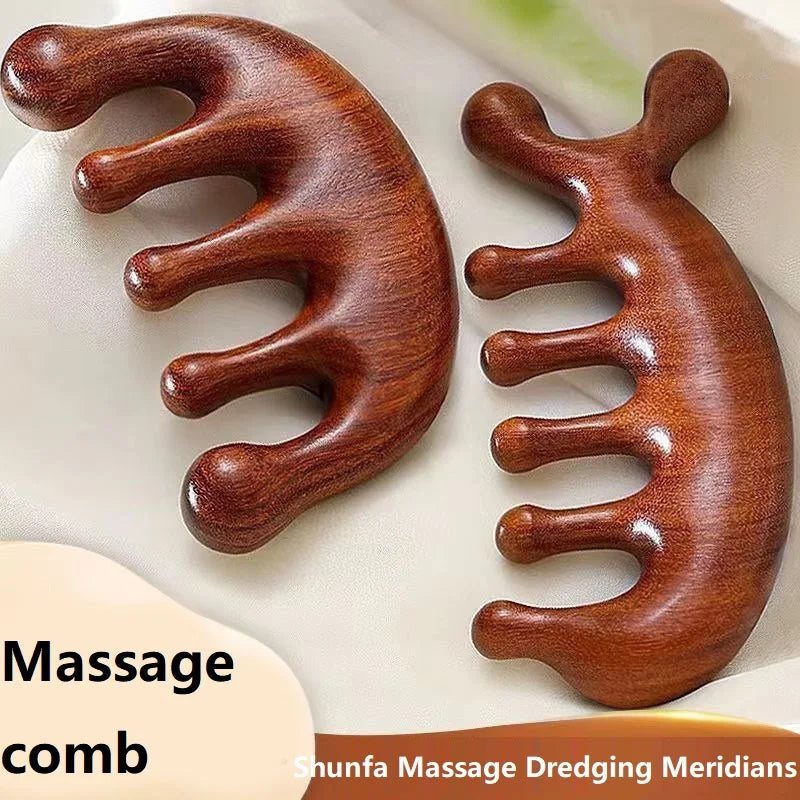
💡 See it in action: how to massage scalp properly with a scalp stimulation brush
Why Scalp Massage Matters
Many people overlook how much tension builds in the scalp from daily stress, screen time, or poor posture. Regular scalp massage not only helps relax scalp muscles but also stimulates circulation, delivering more nutrients to hair follicles. This simple habit can be a game-changer for your hair health and overall relaxation.
Relatable Scenario
Ever notice headaches after long workdays? Massaging your scalp can relieve tension and even improve sleep quality. It’s a small step that creates a noticeable difference in daily comfort and hair vitality.
Essential Tools: Scalp Stimulation Brush & Massage Hair Comb
While fingers alone work, using the right tools enhances your results. A scalp stimulation brush gently lifts and massages the scalp evenly, while a massage hair comb reaches deeper layers to improve circulation.
- Scalp Stimulation Brush – ideal for daily use and sensitive scalps
- Massage Hair Comb – best for thicker hair and deeper stimulation
- Optional oils – can enhance glide and improve hair texture
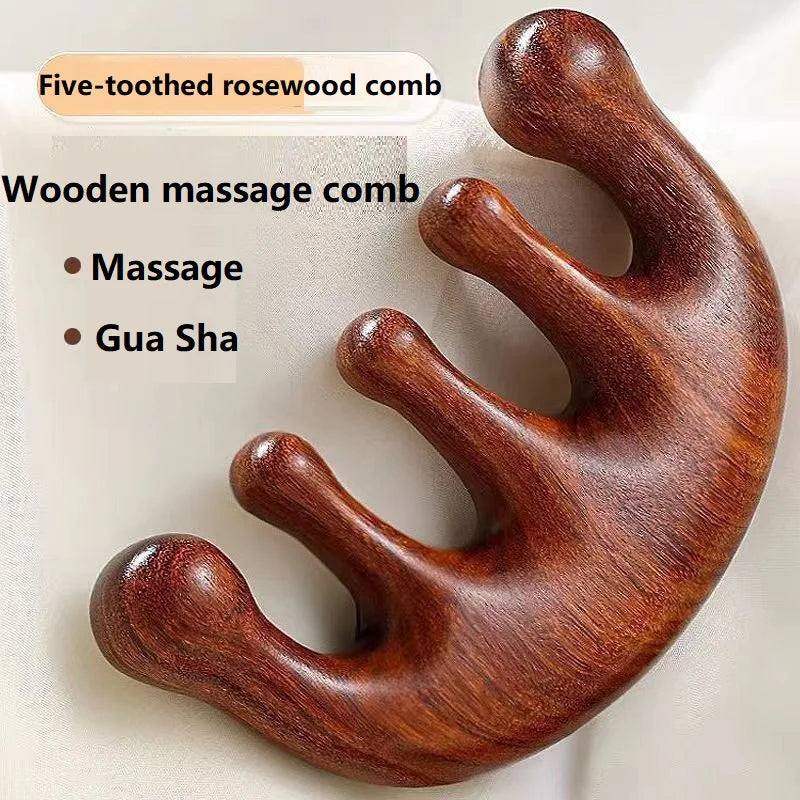
💡 Boost hair health and relax scalp muscles with the right tools
Step-by-Step Techniques for How to Massage Scalp Properly
Here’s how to get the most out of your scalp massage in just 5–10 minutes a day:
- Start at the hairline, using gentle circular motions with your fingertips or brush.
- Move towards the crown and sides, keeping pressure firm but comfortable.
- Focus on areas where tension is strongest, often behind the ears and at the nape.
- Use a massage hair comb to lift hair slightly and stimulate follicles.
- End with slow, soothing strokes from the front to the back for relaxation.
Quick Tip
Combine massage with a few drops of nourishing oil to improve hair shine and reduce friction. Even once or twice a week makes a noticeable difference over time.
Benefits of Regular Scalp Massage
- Relax scalp muscles: reduces headaches and tension
- Boost hair growth: increased blood flow nourishes follicles
- Stress relief: calming ritual improves mood and sleep
- Shinier hair: stimulates natural oils for healthier strands
Social Proof
Parents and wellness enthusiasts report that integrating scalp massage into daily routines reduces stress and helps their hair feel thicker and healthier within weeks.
Common Mistakes to Avoid
- Pressing too hard – can irritate scalp and damage hair
- Skipping areas – ensure you cover the entire scalp for even stimulation
- Overusing oil – a small amount is sufficient for smooth gliding
- Inconsistent practice – benefits compound with regular massage
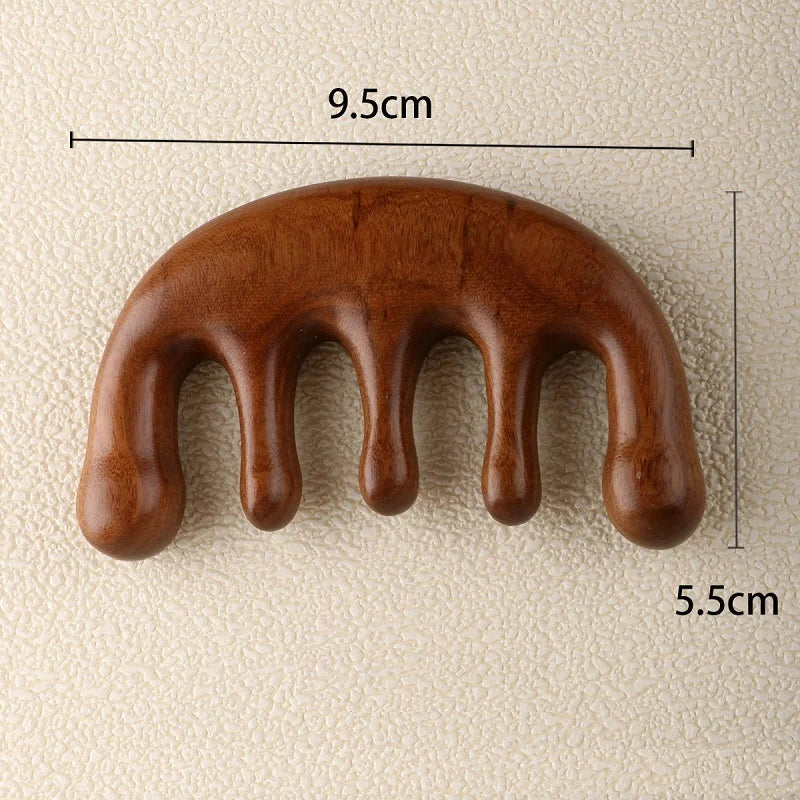
💡 Use a scalp stimulation brush or massage hair comb regularly for best results
Mini FAQ
-
How often should I massage my scalp?
Answer: Aim for 5–10 minutes daily or at least 3–4 times a week. Consistency ensures optimal relaxation, improved circulation, and noticeable hair health benefits.
-
Can I use oils with a scalp massage?
Answer: Yes, light oils like coconut or argan can help reduce friction and add shine. Use sparingly to avoid greasy residue while still relaxing scalp muscles effectively.
-
Which tool is better: scalp stimulation brush or massage hair comb?
Answer: Both are effective. Brushes are gentle and suitable for sensitive scalps, while combs target deeper tension areas. Many users alternate for maximum benefits.
Related Guide: Home Remedies for Dry Scalp: Top Solutions Compared





