

How to Play Music Pregnancy Safely for Daily Bonding
What are safe sounds for an unborn baby?
Safe sounds for unborn baby include gentle music, soft nature sounds, and calm voices played at low volume. These sounds support relaxation and early bonding without overstimulating the fetus. Choosing relaxing music pregnancy routines and respecting safe sound levels for infants helps protect hearing while encouraging calm development.
Safe Sounds for Unborn Baby: How to Choose Music
Safe sounds for unborn baby can do more than soothe—they can support bonding and calm development when chosen wisely. From relaxing music pregnancy playlists to gentle fetal music rhythms, the right audio choices matter. Understanding safe sound levels for infants and the role of prenatal music therapy helps parents avoid overstimulation while creating a peaceful routine. Curious which sounds truly help and which ones to skip?
⏱ 8 min read
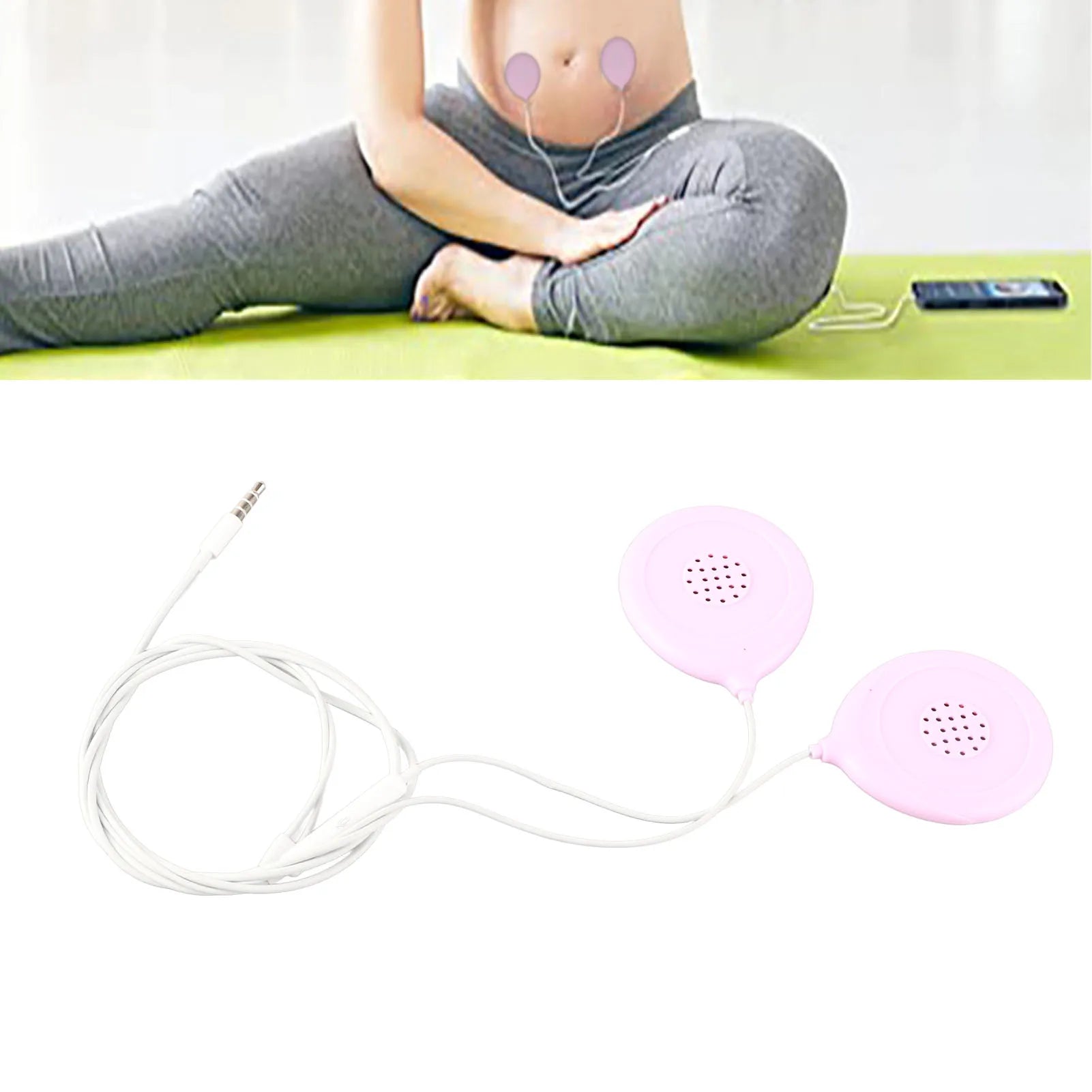
Relaxing music pregnancy and fetal music can create a calm environment. 💡 See it in action
Why Sound Matters During Pregnancy
Many parents worry about doing the “right thing” during pregnancy. Sound is one area that often causes confusion. The unborn baby begins responding to sound vibrations in the second trimester, especially familiar voices and steady rhythms.
When sounds are calm and predictable, they may support relaxation for both parent and baby. When sounds are harsh or loud, they can cause stress. This is why choosing safe sounds for unborn baby is less about stimulation and more about balance.
What Are Safe Sounds for an Unborn Baby?
Safe sounds for unborn baby focus on gentle, consistent audio that mimics the natural environment. These sounds are soothing rather than exciting and stay within comfortable volume ranges.
Direct answer: Safe sounds for unborn baby include soft instrumental music, slow-tempo melodies, quiet nature sounds, and calm speaking or singing voices. These sounds stay below recommended volume levels and avoid sudden changes, helping support relaxation and early sensory familiarity.
- Soft instrumental or acoustic music
- Nature sounds like rain or ocean waves
- Calm singing or talking from parents
- Low-volume white or pink noise
Parents interested in early learning often explore resources from Baby Growth & Learning to understand how gentle sensory input supports development.
How to Choose the Right Music Step by Step
Feeling overwhelmed by playlists and advice? Follow this simple approach to choose relaxing music pregnancy routines without stress.
- Start slow: Choose music with a tempo similar to a resting heartbeat.
- Keep volume low: If you can comfortably talk over it, it’s likely safe.
- Limit session length: 10–20 minutes is usually enough.
- Watch your response: If you feel calmer, that’s a good sign.
Many parents pair music time with relaxation tools from Massage & Relaxation to create a consistent calming ritual.
Understanding Safe Sound Levels
One of the biggest concerns is volume. The womb already muffles sound, but very loud audio can still travel through the body.
Direct answer: Safe sound levels for infants and unborn babies generally stay under 60 decibels. This is similar to a normal conversation. Keeping sound gentle and consistent helps avoid overstimulation and protects developing hearing.
| Sound Type | Approximate Level | Recommended? |
|---|---|---|
| Soft music | 40–50 dB | ✅ Yes |
| Normal conversation | 60 dB | ✅ Yes |
| Loud headphones | 80+ dB | ❌ No |
For peace of mind, some parents explore monitoring options from Health & Safety to better understand their environment.
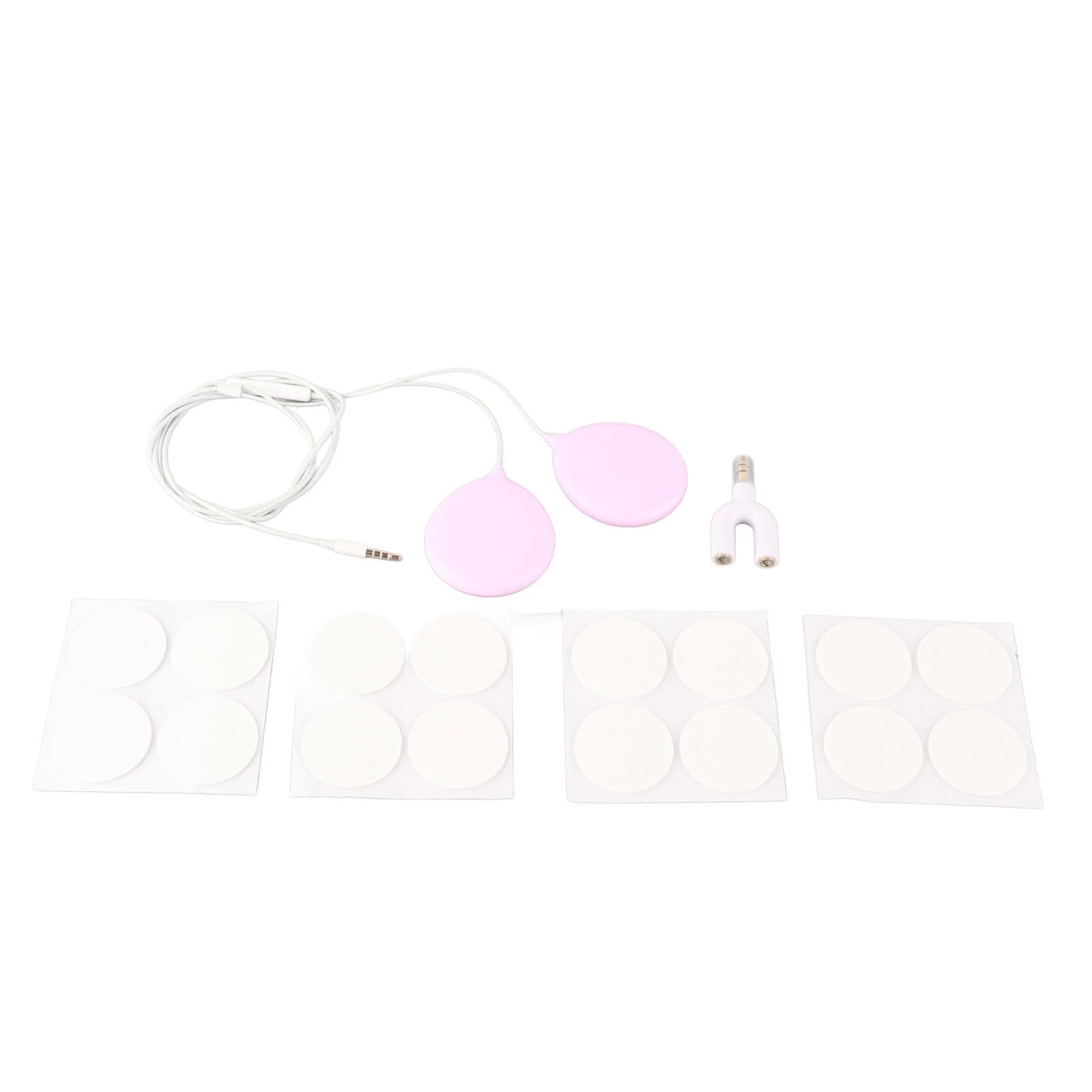
Fetal music played at safe levels supports calm routines. 💡 See it in action
Benefits of Prenatal Music Therapy
Prenatal music therapy focuses on using sound intentionally rather than constantly. The goal is emotional comfort, not performance or training.
Parents often report feeling more relaxed, sleeping better, and feeling more connected during music sessions. These moments can become part of a wind-down routine supported by Sleep & Comfort essentials.
- Encourages relaxation
- Supports emotional bonding
- Helps establish calming routines
- Reduces daily stress
Some parents choose specialized tools like pregnancy belly headphones to deliver sound gently and consistently: pregnancy belly headphones prenatal music.
Common Mistakes to Avoid
Even with good intentions, it’s easy to overdo it.
- Playing music too loudly or too long
- Using fast, aggressive rhythms
- Assuming constant sound is better
- Ignoring your own comfort level
Remember, calm parents create calm environments. Wellness tools from Beauty & Wellness can support overall relaxation alongside sound choices.
Building a Simple Daily Sound Routine
You don’t need a complicated plan. Many parents succeed with one or two intentional sound moments per day.
Example routine:
- Morning: 10 minutes of soft instrumental music
- Evening: Calm talking or singing before rest
Consistency matters more than variety. Pairing sound time with comfortable seating or supports from Mom Essentials helps make the habit easy to maintain.
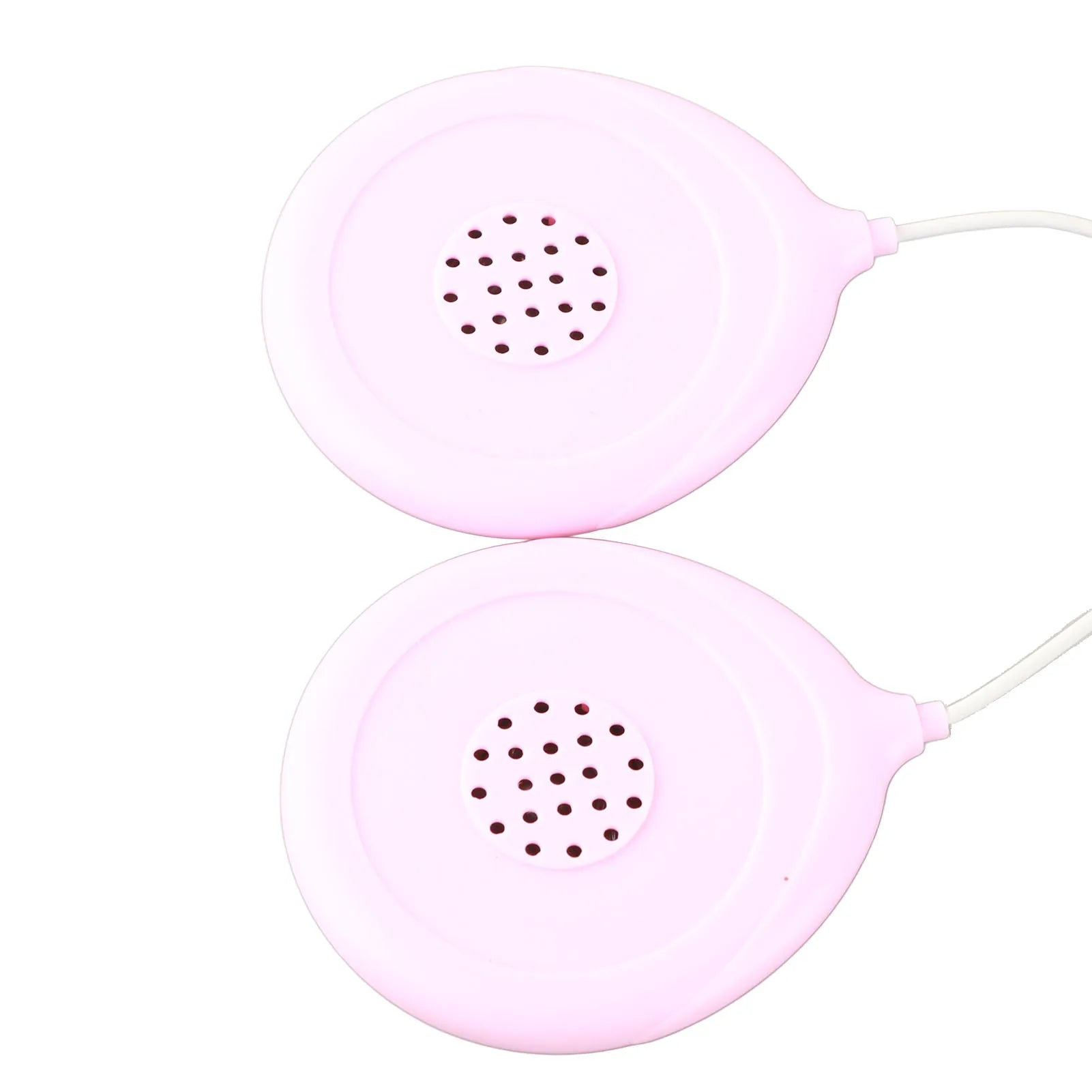
Safe sounds for unborn baby support calm bonding moments. 💡 See it in action
Frequently Asked Questions
Can my unborn baby recognize music?
Over time, babies may become familiar with repeated sounds. Recognition is more about comfort than memory, so repetition should stay gentle and limited.
Is listening through headphones safe?
External speakers at low volume are safest. If using specialized pregnancy audio devices, keep sessions short and volumes low.
How often should I play music?
Once or twice a day for short periods is usually enough. Quality and calm matter more than frequency.





